REVIEW · NAPLES
Manatees and Mangrove Tunnels Small Group Kayak Tour
Book on Viator →Operated by Adventure Paddle Tours · Bookable on Viator
Manatees in mangrove tunnels feel almost unreal. This small-group kayak tour turns that fantasy into a real plan: you paddle through mangrove tunnels and chase manatees during winter when they use the cooler, deeper canals. I also love the tight focus on wildlife with an ACA certified kayak guide, not just a generic paddle. One thing to keep in mind: manatee sightings are never guaranteed, and tide levels can make the trip tougher in spots.
What makes this outing work so well is the flow of the day. You’re set up for a downwinder-style route—ride the van a short distance, then kayak back toward the marina—so you’re spending your energy where it counts: on the water inside the 10,000 Islands habitat. I’d say it’s best if you’re ready for sun, bugs, and close-quarters paddling through narrow mangroves, with a moderate fitness level.
In This Review
- Key things I’d circle before you book
- Why This Kayak Route Is Built for Winter Manatees
- Price, Group Size, and What You Get for $95
- The Van Shuttle Downwinder Setup (1 Mile In, 4 Miles Back)
- Tandem Kayaks, Moderate Fitness, and Tight Mangrove Turns
- Port of the Islands Marina: Start Point and What Your Paddle Feels Like
- Everglades City to Naples: Why Those Drive Segments Are Not Just Transit
- Two Hours in the 10,000 Islands Wildlife Refuge Tunnels
- The Manatee Canal Search: Timing, Water Temp, and Real Expectations
- Wildlife You Can Actually Spot Besides Manatees
- Tips That Make a Huge Difference: Sunglasses, Bugs, and Pacing
- Guides Make the Difference on the Water
- Who Should Book This Tour
- Should You Book the Manatees and Mangrove Tunnels Small Group Tour?
- FAQ
- Where do we meet for the kayak tour?
- How long is the tour?
- How many people are in the group?
- Are solo kayaks available?
- Do you include a shuttle?
- When are manatees most likely?
- Is it okay for beginners?
Key things I’d circle before you book
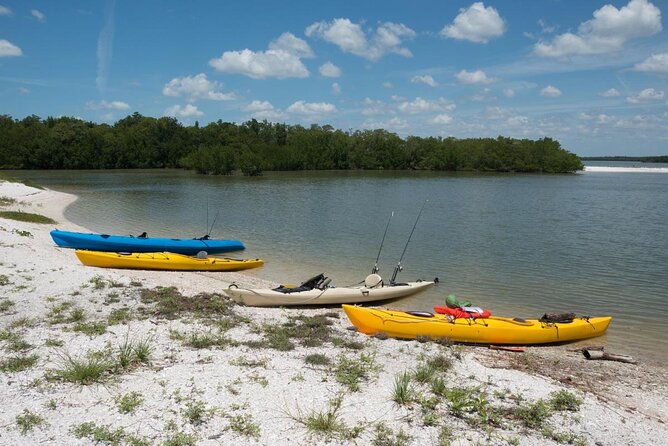
- Winter manatee odds: the tour is built around colder-season canal temperatures for better chances to spot manatees.
- Real time in the habitat: about 30 minutes of looking in manatee-prime canals, plus 2–2.5 hours through tunnels and salt marsh.
- Small group focus: max group size of 8 so the guide can coach and adjust for the whole crew.
- Downwinder-style route: you kayak about 4 miles after a short van shuttle of roughly 1 mile.
- Tandem kayaks with instruction: tandem boats, equipment included, and an on-water technique lesson.
- Wildlife variety beyond manatees: birds, alligators, and other sea life can show up even when manatees are quiet.
Why This Kayak Route Is Built for Winter Manatees
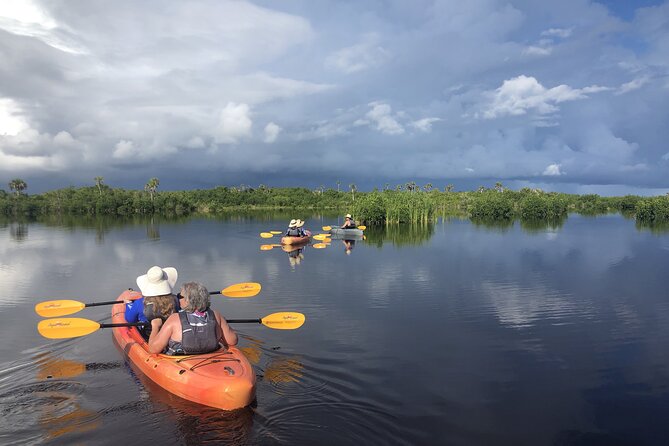
If your idea of the Everglades is all sunsets and swampy silhouettes, this tour corrects that fast. The magic here is the system: deeper canals in winter stay warmer than the surrounding Gulf waters, so manatees often gather where the temperature stays above about 68 degrees. The route is planned around that behavior, which is why this works best in the colder months.
And even when the manatees don’t cooperate, the day doesn’t shrink into disappointment. You’re still paddling through protected mangrove corridors where birds are active and other wildlife can surface at any moment. The guide’s job is to help you read the water, not just point at it.
You can also read our reviews of more tours and experiences in Naples
Price, Group Size, and What You Get for $95
At $95 per person for about 3 hours, you’re paying for three things that matter in this type of wildlife kayaking: expert guidance, kayak gear, and a route chosen for manatees and mangroves rather than convenience.
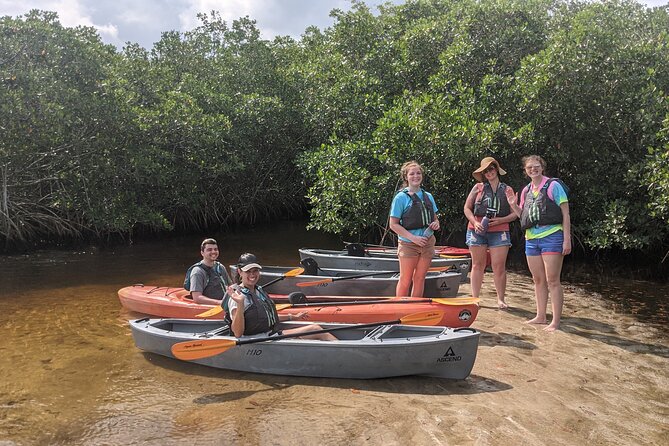
You get an ACA certified kayak guide, all kayaking equipment, and a structured pace that includes both open-water style effort (tunnels and channels) and short stops for wildlife scanning. The small group limit of 8 also protects the experience. In a big group, tight mangrove turns can get chaotic. Here, you’re more likely to get hands-on coaching and safer spacing.
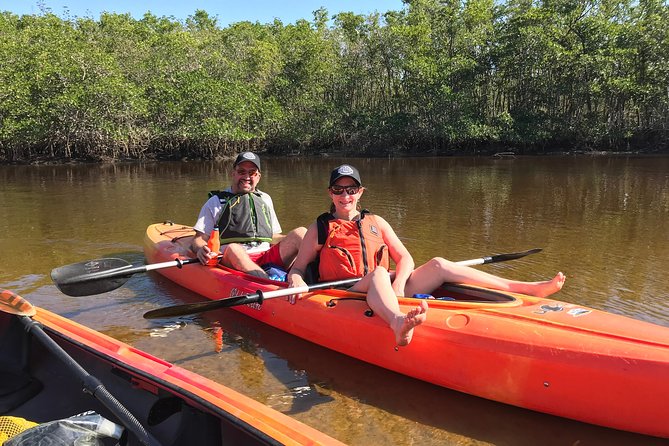
Also, tandem kayaks are included. That changes the vibe: you’ll be paired on a boat, and that usually makes first-time kayakers feel less lost. If you need a single kayak, you should double-check how booking is handled before you commit, since singles are not available through TripAdvisor booking.
The Van Shuttle Downwinder Setup (1 Mile In, 4 Miles Back)
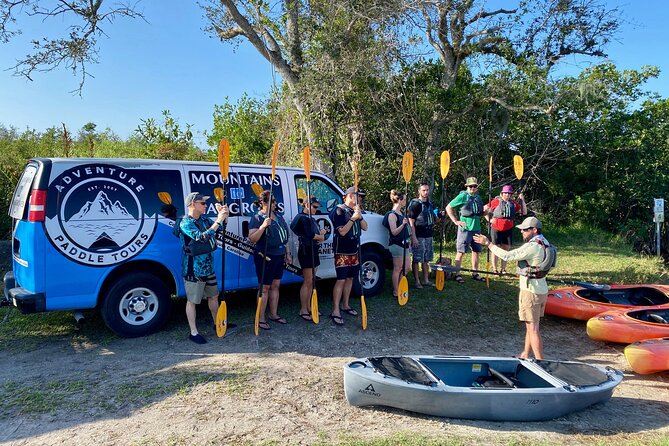
This tour is a downwinder-style experience. Translation: you don’t start paddling from the marina and then fight the whole distance on day-one energy. Instead, you hop into a passenger van and get shuttled about 1 mile down the road, then you kayak back to the marina for roughly 4 miles.
That setup is useful for three reasons:
- You spend more time in the mangrove tunnels, not just transferring between places.
- You can maintain a steadier pace without feeling like you’re doing an endurance event.
- You get a smoother flow through habitat zones, which helps when you’re focused on wildlife spotting.
There’s one practical tip: they mention offering individual shuttles per household, so plan to arrive early. If you’re cutting it close at the start, you can end up rushed before you even get into the kayak.
Tandem Kayaks, Moderate Fitness, and Tight Mangrove Turns
This isn’t an extreme workout, but it is physical. You’ll want moderate physical fitness and comfort paddling through narrow, confined spaces. Tight mangrove corridors mean quick steering corrections and more stop-and-go scanning for wildlife.
Also, tide levels can affect conditions and can make parts of the route more difficult. The tour still runs, but your effort level might change depending on when you go. If you tend to get tense in small spaces, go into it with patience. The guide instruction is part of the value, and you’ll have time to learn how the tandem setup works before you’re threading the tighter tunnels.
And yes, mosquitoes are a real factor. People specifically recommend bug spray, and I’d treat that as non-negotiable rather than optional.
Port of the Islands Marina: Start Point and What Your Paddle Feels Like
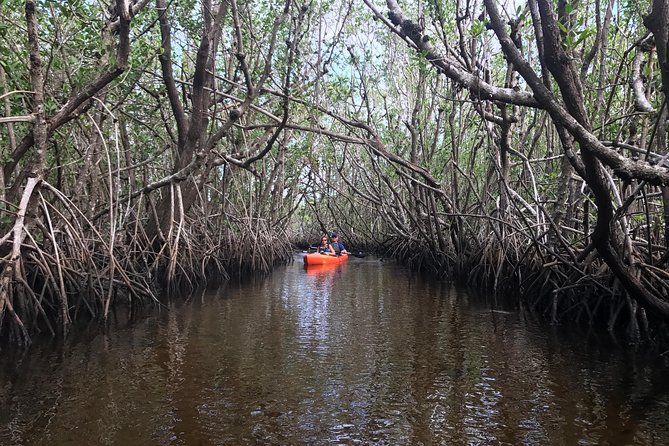
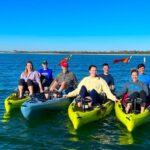
Your day begins at Port of the Islands Marina. This is where you gear up and settle into the kayaking rhythm. Expect a quick orientation from your ACA certified guide and guidance on how to paddle the tandem effectively—especially important because only one person can control the rhythm cleanly if the pair gets out of sync.
This first phase matters because the later mangrove sections are narrower and slower. If your strokes are awkward early on, the day can feel more stressful than it needs to be. The better you learn the tandem pacing, the more you’ll enjoy the wildlife watching later.
From there, you’ll transition into the main Everglades City and Ten Thousand Islands area route through the day’s drive segments—then return to the water-focused portion where time on the habitat is the point.





Everglades City to Naples: Why Those Drive Segments Are Not Just Transit
You move through several key areas during the ride: Everglades City, Everglades National Park, and Naples, before you reach the Ten Thousand Islands Wildlife Refuge side of the route.
What you should take from those in-between stops is context. The guide isn’t just narrating the scenery for fun. They’re setting you up to understand what you’re seeing—mangroves, salt marsh edges, and the kind of wildlife that uses these inlets and canals. That makes the paddle feel less like random sightseeing and more like reading a living map.
If you’re the type who likes to know where you are and why, those segments add value. If you’re mainly in “hands on the water” mode, you can treat the ride as a warm-up, not a destination.
Two Hours in the 10,000 Islands Wildlife Refuge Tunnels
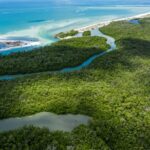
This is the heart of the experience: about 2 to 2.5 hours in the mangrove tunnels and salt marsh habitat. This is where you’ll see the Everglades in close-up detail—tree roots shaping the waterline, narrow corridors that feel enclosed, and wildlife activity that’s easier to catch when you’re not watching from a distant platform.
The mangrove tunnel time is often described as magical, and I get why. Quiet paddling inside mangrove walls changes your attention. You notice birds more, you hear small movements in the water, and you start scanning for shapes rather than just looking for big moments.
Wildlife sightings can include:
- lots of birds
- alligators
- fish and other sea life
- and, for some groups, sharks (people have mentioned bull sharks)
Even if the manatees aren’t visible in that moment, this long habitat segment keeps the day feeling full. You’re not rushing from one hotspot to another. You’re letting the ecosystem come to you, slowly.
The Manatee Canal Search: Timing, Water Temp, and Real Expectations
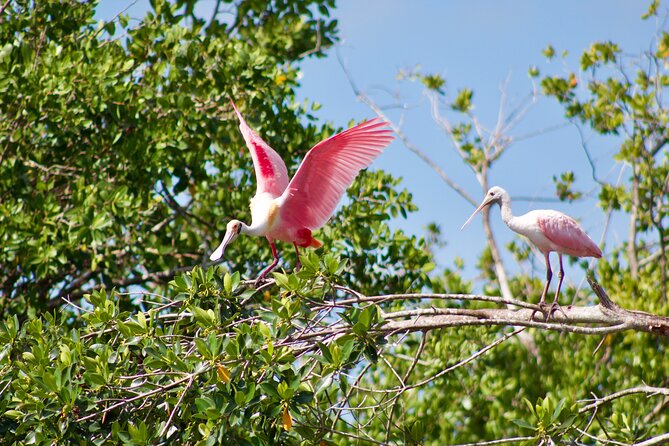
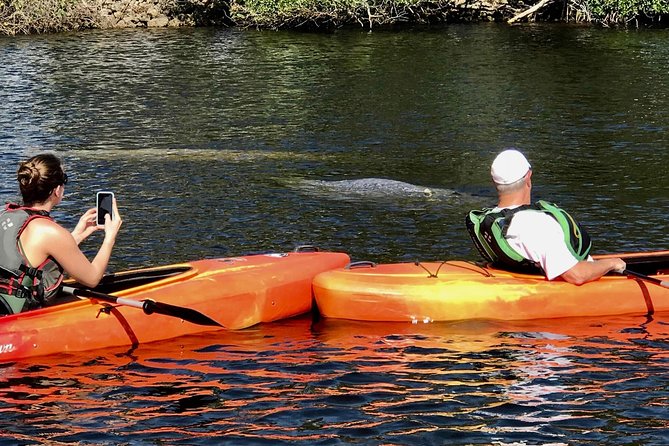
Manatee season is when this tour really shines. During colder periods, manatees congregate in deeper canals because those waters cool less than the surrounding gulf. The tour specifically spends about 30 minutes in the canals looking for them.
Here’s how to manage expectations in a smart, non-bummed way:
- Use that time to scan patiently. Manatees can surface briefly and then disappear again.
- Treat the canal segment as a targeted search, not a guarantee.
- If you don’t see one, you’ll still have plenty of time in the mangrove tunnels where other wildlife can be active.
Some people mention missing manatees entirely, but the day still delivered with birds, fish activity, and other sightings. That’s a big reason I like this tour plan. The manatee segment is a priority, but the overall experience doesn’t collapse if the manatees stay down.
Wildlife You Can Actually Spot Besides Manatees
One of the biggest strengths of this route is how often it delivers wildlife even beyond the headline animal.
Depending on the day, you might spot:
- river otters
- alligators
- multiple bird species
- fish activity close to the surface
- and sometimes sharks
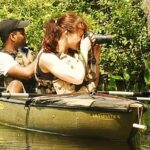
A practical tip: wildlife viewing is easier when you can see the water clearly. People recommend polarized sunglasses because glare makes it harder to track movement under the surface. If you forget your sunglasses, you’ll still see plenty, but you’ll work a little harder to read the water.
Also, bring the right mindset. In mangrove tunnels, your best sightings can come when you stop paddling and let your guide direct your attention. That pause is part of the wildlife value.
Tips That Make a Huge Difference: Sunglasses, Bugs, and Pacing
This tour is short enough that mistakes hurt. If you want a smoother day, do these:
- Wear polarized sunglasses if you have them. Glare is real in shallow, sunlit channels.
- Bring bug spray. Mosquitoes can be hungry, especially during warmer months.
- Expect sun exposure and plan for heat. You’re on open water and sheltered water, not inside.
- Pace yourself as a beginner. Tight mangrove passages can feel harder than open water, even when the trip isn’t long.
One more small thing: with tandem kayaks, decide early who steers. If you’re in the back seat, your job may be mostly power strokes and balance while the front steers. New kayakers often find tandem paddling less stressful once they understand that division.
Guides Make the Difference on the Water
The guide is a major part of the value here. You’ll be with an ACA certified kayak guide, and the best part is how they combine ecosystem info with hands-on control of the group.
Names that have shown up repeatedly include Adam, Jimmy, Kyle, Justin, Caroline, Tiffany, and Ty. Across those guide styles, a consistent pattern shows up: they teach you what you’re seeing (mangroves, birds, local habitats) and they help the group keep a calm, steady pace while navigating narrow sections.
If you’re new to kayaking, the instruction tone matters. You want someone who can explain technique simply and help you feel safe before you’re threading through tight mangrove passages.
Who Should Book This Tour
This tour fits you best if you want:
- a small-group kayak experience (max 8)
- tandem kayaking with included instruction
- a winter-focused chance at manatees
- lots of time on mangrove tunnels rather than bouncing between distant viewpoints
It’s a smart choice for couples, families with older teens, and nature lovers who don’t mind staying alert for wildlife. Children 13 and under must ride in a two-person kayak with an adult 18 or older, so plan pairing accordingly.
If you have mobility limits or you’re worried about tight-space paddling, you’ll want to think carefully. The trip asks for moderate fitness, and tide levels can make it harder.
Should You Book the Manatees and Mangrove Tunnels Small Group Tour?
I’d book it if winter wildlife is your target and you want a kayak route that’s designed around how manatees actually use this coastline. The pacing—30 minutes in the manatee canals plus 2–2.5 hours through mangrove tunnels—makes it more than a single-animal gamble.
Skip the tour only if you know you can’t handle:
- tandem kayaking
- sun and bugs
- possible tougher sections at certain tides
- and the reality that manatees might stay hidden on a given day
If you’re flexible, bring the basics (bug spray, polarized sunglasses), and go in with a patient, wildlife-first mindset, this is a strong value at $95 for a guided, small-group Everglades water experience.
FAQ
Where do we meet for the kayak tour?
Meet inside the hotel lobby at 25000 Tamiami Trail East, Naples, FL 34114.
How long is the tour?
The tour runs about 3 hours.
How many people are in the group?
The maximum group size is 8 travelers.
Are solo kayaks available?
Tandem kayaks are provided, and singles are not available through TripAdvisor booking.
Do you include a shuttle?
Yes. You’ll hop into a passenger van, and they note individual shuttles per household. You’ll be shuttled about 1 mile so you can kayak back toward the marina for around 4 miles.
When are manatees most likely?
Manatees are most abundant during the colder winter months, when they congregate in deeper canals with water temperatures above about 68 degrees.
Is it okay for beginners?
It’s described as moderate fitness, and tide levels can make the route more difficult at certain times. You’ll get instruction and the pacing includes time looking for wildlife, but expect some challenge if you are brand new to kayaking.