REVIEW · NAPLES
Guided Hobie Kayak EcoTour: Premium Eco Experience Bonita Springs
Book on Viator →Operated by Mike's Coastal Expeditions · Bookable on Viator
Pedal your way through Florida’s wildlife waterways. This guided Hobie Kayak EcoTour in Bonita Springs mixes an easy pedal setup, mangrove tunnels, and a shell-filled beach you’d likely miss on your own. I especially like the pedal-drive kayaks that make moving around feel simple, and the built-in shelling stop that turns the trip into more than sightseeing. The main thing to plan for is that wildlife and route can vary with tide and weather, so it’s not a guaranteed checklist day.
The tour runs about 2 hours 30 minutes, starts at the Big Hickory Pass bridge (meet point: 946V+92 Bonita Springs), and keeps the group small (up to 28 people). You’ll get geared up with dry bags, shelling bags, and premium lifejackets, then take a quick how-to lesson on the Mirage pedal drives. Guides like Mike, along with Antonio, Nick, Dan, and others, focus on what you’re seeing while keeping first-timers comfortable.
If you want an active, nature-first outing without the strain of nonstop paddling, this is a strong choice for families, couples, and anyone who likes being on the water for the full experience.
In This Review
- Key Things You’ll Notice on This EcoTour
- Start at Big Hickory Pass Bridge, Then Get Set Up Right
- The Real Choice: Gulf vs Estero Bay Based on the Tide
- Shelling on a Private Beach Stop You’ll Actually Want to Use
- Mangrove Tunnels: Quiet Water, Tight Turns, Big Rewards
- Wildlife Spotting: Dolphins, Manatees, and Coastal Birds
- The Guide Experience: Mike’s Coastal Expeditions at Its Best
- How the Pedal Kayak Changes the Whole Trip
- Timing and What 2.5 Hours Feels Like on the Water
- Price: Is $70 Worth It?
- Who Should Book This EcoTour (And Who Might Wait)
- Should You Book This Guided Hobie Kayak EcoTour in Bonita Springs?
- FAQ
- Where does the tour start and end?
- How long is the Guided Hobie Kayak EcoTour?
- How much does it cost?
- What kayak type do you use?
- Is the tour beginner-friendly?
- Where do you paddle during the tour?
- Do you include a shelling stop?
- What wildlife might you see?
- Are photos included?
- What if weather is bad?
- What’s the cancellation window?
Key Things You’ll Notice on This EcoTour
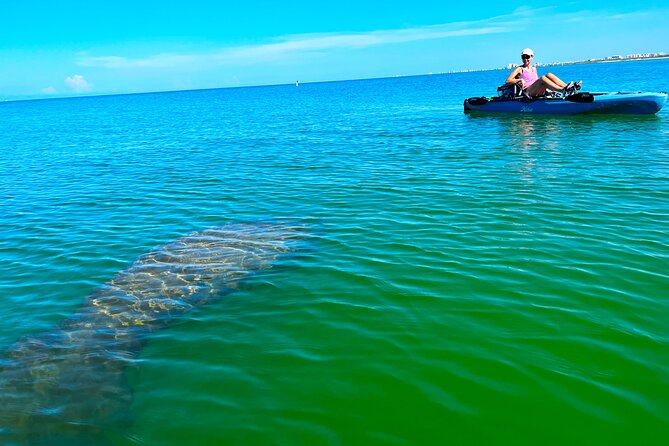
- Hobie Mirage pedal drives make it easier to cruise and steer while you look for wildlife
- Shelling bags and a shell-filled beach are part of the trip, not an afterthought
- Tide-based route choice sends you to the Gulf or Estero Bay estuary depending on conditions
- Mangrove tunnels and quiet backwaters add variety beyond open water
- Complimentary family photos and wildlife shots help you remember the day without fuss
Start at Big Hickory Pass Bridge, Then Get Set Up Right
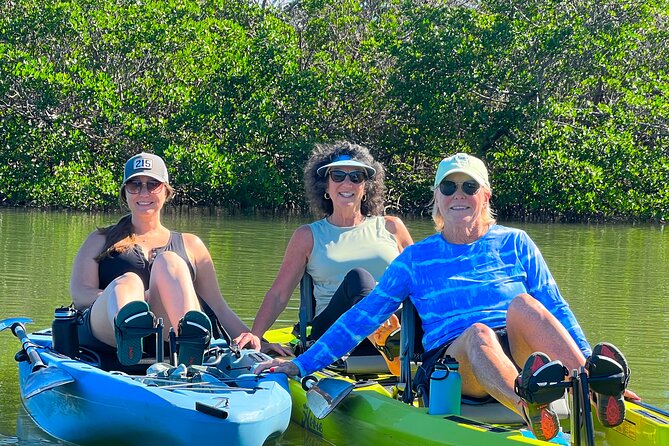
The tour begins at the Big Hickory Pass bridge area, where you meet your guide and get outfitted fast and clearly. You’ll be given dry bags (helpful for keeping your phone and small essentials dry), shelling bags (so you can collect what you find), and premium lifejackets that fit you for the time on the water.
Before you go, you’ll get a short lesson on the Hobie kayaks you’ll be using. The big advantage here is the Mirage pedal drive system. Instead of committing to paddle strokes for the whole trip, you pedal for propulsion and use the kayak’s controls to keep your line. That changes the feel of the outing: you can watch for birds, dolphins, and manatees without constantly thinking about your arms.
Also, listen closely during the lesson. One small detail that comes up in the experience is that steering can be unique to a specific kayak setup. If you’re unsure, ask right then and get comfortable. It’s the fastest way to avoid frustration once you’re out in the water.
You can also read our reviews of more guided tours in Naples

The Real Choice: Gulf vs Estero Bay Based on the Tide
After the gear and how-to, you’ll head out to explore either the Gulf or the Estero Bay estuary, depending on the tide. This matters more than it sounds. Shallow and marshy areas can look inviting but behave differently depending on water level, and the guide is choosing the route that gives you the best chance to enjoy the water without constant stopping.
In the estuary areas, you’re more likely to get that calm, sheltered feeling—great for scanning wildlife and enjoying the quieter sections. If the plan includes the Gulf, you get a broader view of open water and a different kind of sightseeing. Either way, the ride is designed to feel like a guided nature walk, just with a pedal-driven kayak instead of shoes.
This is also where you’ll get most of the “eco” value: your guide helps you read the scene. Expect talk about local flora and fauna as you go, not a lecture that runs your attention down.
Shelling on a Private Beach Stop You’ll Actually Want to Use
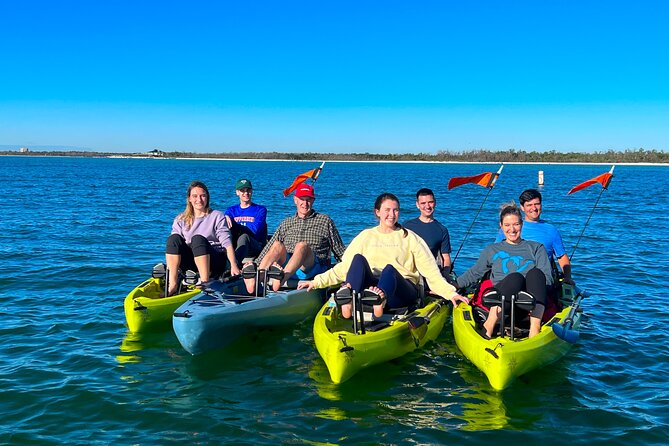
One of the most practical joys of this tour is the shelling setup. You’re not just promised a beach stop; you’ll plan a visit to a shell-filled beach, and it happens either at the start or at the end of the trip depending on conditions.
Why this is worth it: shelling is easy when someone knows where to take you. It’s also more fun when you’ve already been handed shelling bags, so you don’t have to hunt for containers or worry about what to do with your finds. On a guided kayak tour, it also feels more like a special detour than an extra stop that steals time.
If you’re traveling with kids, this is a big win. Many families love that the tour gives them a simple goal—look for shells, fill a bag, and show off discoveries at the end. It also breaks up the kayaking so you don’t feel like you’re just sitting in one long stretch.
Keep in mind the obvious: beaches are bright. Bring protection for your face and eyelids. One trip tip that stands out is that eyelids can burn fast, even when you feel like you’re paying attention—so treat sun care as part of your plan, not a last-minute scramble.
Mangrove Tunnels: Quiet Water, Tight Turns, Big Rewards
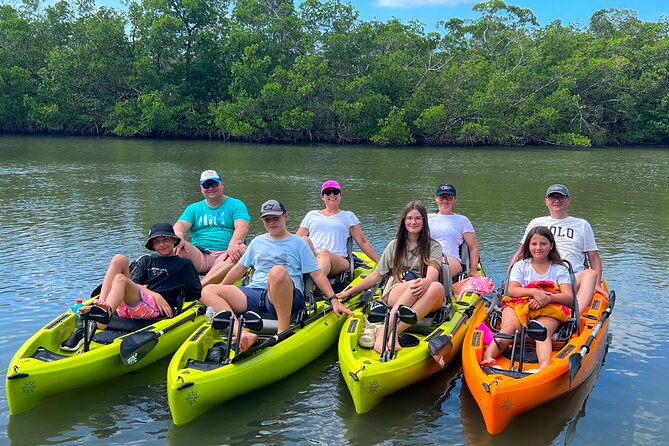
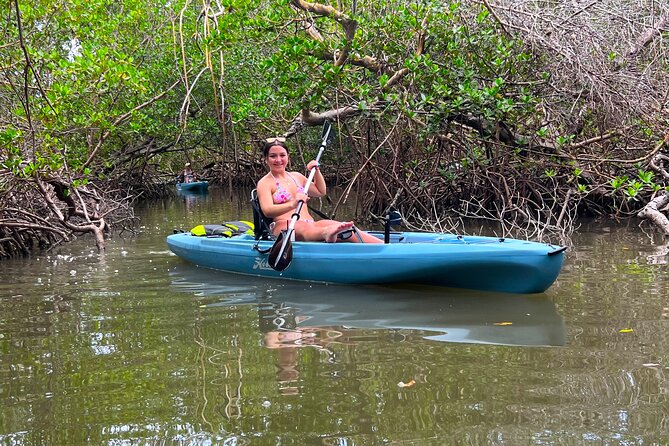
Mangrove areas are where this tour often turns into a story you remember. You’ll maneuver through calm water channels and, when the route includes it, narrower mangrove tunnels. Reviews and guest feedback highlight how those sections feel almost like a small adventure within the bigger tour.
This is also where the pedal kayak really helps. When you’re steering through tighter passages, keeping your hands free to look around (instead of paddling constantly) makes the experience less tiring. You still have to pay attention and slow down where the guide directs, but you’re not working nonstop with your arms.
One thing to know: mangrove tunnels can be a fun challenge. If you’re a brand-new kayaker, it can feel different at first, especially in narrow spaces. That’s why the initial instruction is so important, and why guides keep a close eye on everyone’s comfort level.
And if you get a pause at a sandbar or a still-water moment, take it. These are often the best times to look around slowly and let wildlife show itself on its own schedule.
Wildlife Spotting: Dolphins, Manatees, and Coastal Birds
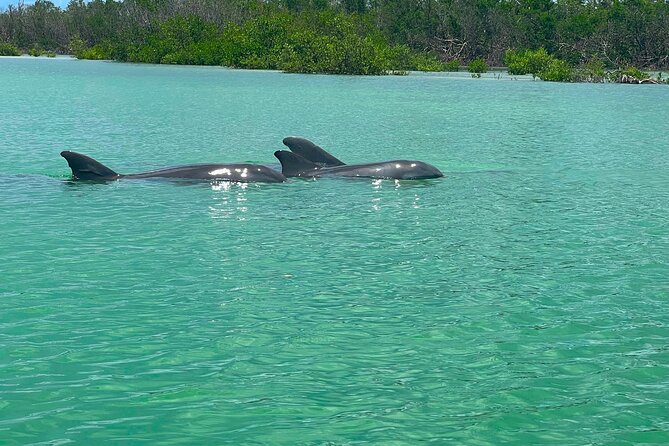
This is a wildlife-focused outing, and the day is built around scanning for signs of life. You’ll be watching for dolphins, manatees, and a variety of coastal birds as you move through the waters and backwaters.
I like how the tour frames wildlife watching as part of the route rather than a separate add-on. Your guide doesn’t just point in one direction and move on. The trip is structured so you can actually look, slow down when it matters, and get into the rhythm of watching.
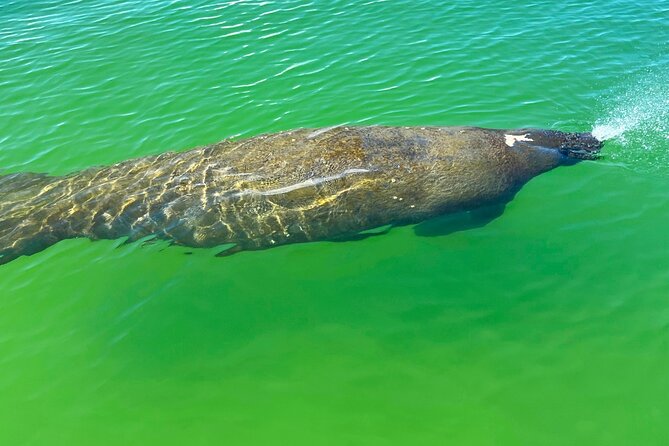
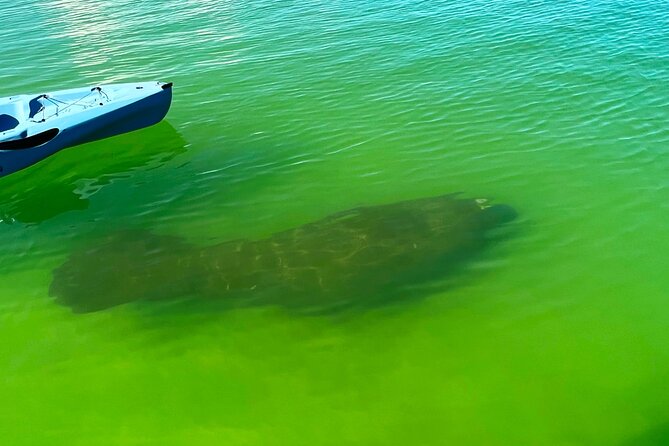
Dolphin sightings are often a highlight, and guests mention getting very close at times while they were calmly feeding or playing. Manatees and birds can show up too, and even when sightings are lighter than expected, the experience still delivers because you’re out in real habitat—mangroves, estuary edges, and open water views.
The one caution is simple: nature doesn’t follow a promise. Some days you’ll see more, some days less. What you can count on is a guided process designed to give you the best shot based on the conditions of the day.
You can also read our reviews of more tours and experiences in Naples
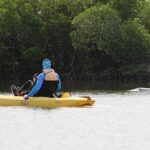
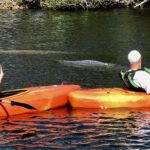
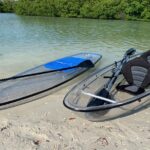
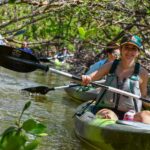
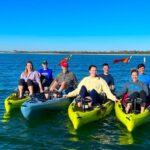
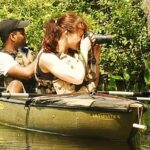
The Guide Experience: Mike’s Coastal Expeditions at Its Best
This is guided by Mike’s Coastal Expeditions, and Mike is listed as owner and guide. In practice, you might ride with other guides too—names that come up include Antonio, Nick, Dan, JJ, and Buzz. What stays consistent is the hosting style: calm, chat-friendly, and focused on what you’re seeing.
Guides help you get your bearings fast:
- they handle the initial setup and kayaking lesson
- they steer you toward likely areas for wildlife and nature features
- they explain local ecosystems as you go
- they keep the ride smooth enough for first-timers and families
The photo part is a nice touch. Complimentary family photos and wildlife shots are included, so you can focus on the water and not spend the whole trip behind your phone.
And because the group is capped at 28, the vibe can feel more personal than large tours. Even when everyone isn’t in perfect alignment, a smaller group makes it easier for the guide to spot who needs help and to keep the flow going.
How the Pedal Kayak Changes the Whole Trip
A traditional kayak trip can turn into a workout you didn’t plan for. This one is different because the pedal-drive system gives you propulsion with less arm strain. That’s a big deal if you’re traveling with mixed ages or if you want to enjoy the sights more than your forearms.
Guests also mention the kayaks staying enjoyable even when wind shows up. Pedaling doesn’t make wind disappear, but it can help you keep moving at a steady pace. Comfortable seating is part of the design too, which helps on a 2.5-hour outing.
Still, don’t assume it’s effortless. Pedaling takes effort, and at least one family noted it felt like a workout. The good news is you can control your effort by how fast you go and how often the guide stops. It’s active, but it doesn’t have to be punishing.
Timing and What 2.5 Hours Feels Like on the Water
The tour lasts about 2 hours 30 minutes, which is a sweet spot. Long enough to get out to real habitat, short enough that you’re not exhausted by the end—especially with regular pauses for wildlife watching and the shelling stop.
Plan to arrive on time and stay flexible. Since the route depends on tide, your day’s flow may shift. That’s not a downside if you’re expecting it. It’s part of why this type of tour works in a place like Bonita Springs, where water level and channels can change how the estuary behaves.
If you’re traveling with kids, the pacing is another reason this works. A kayak tour can feel long if you’re stuck paddling. Here, the pedal system plus planned stops keeps momentum and keeps it fun.
Price: Is $70 Worth It?
At $70 per person for about 2.5 hours, the value comes from what’s included, not just the kayak rental. You’re paying for:
- guided navigation through real habitat
- a guided nature experience focused on the local ecosystem
- premium lifejackets, dry bags, and shelling bags
- the pedal-driven Hobie kayaks (the main comfort and ease upgrade)
- complimentary photos
- a small-group cap (maximum 28)
If you compare it to paying for a kayak plus figuring out route planning and wildlife timing on your own, the guided format can feel like a smarter use of time. If you’re already confident paddling and you know the area well, you might skip a guide. But if you want an easier, safer, and more meaningful outing without guessing, this price can make sense.
Who Should Book This EcoTour (And Who Might Wait)
This tour is a strong match if you want:
- an easy-going guided water experience
- family-friendly time on the water
- a pedal-powered option for people who don’t want heavy paddling
- a shelling stop where you actually have the supplies
It’s especially good for first-timers. The setup includes an instruction period right up front, and guides keep the mood patient and helpful.
If you’re the type who needs a guaranteed dolphin-and-manatee schedule, you might be disappointed on a slow day. The tour is designed to increase your odds, not control outcomes.
And if you’re sensitive to sun, treat protection like a real necessity. This is outdoors, and the shelling and water viewing means you’ll be exposed.
Should You Book This Guided Hobie Kayak EcoTour in Bonita Springs?
I’d book it if you want a guided outing that feels practical and fun: pedal-drive ease, mangrove tunnels, and a real shelling stop with the gear already handled. The $70 price feels more justified when you factor in the guided nature experience, the included bags and lifejackets, and the photo help.
Skip it only if you’re worried about the variability of wildlife sightings or you’re not comfortable spending a couple hours outdoors in bright sun. Otherwise, this is one of the better ways to experience Bonita Springs from the water without turning your day into a wrestling match with traditional paddling.
FAQ
Where does the tour start and end?
It starts at the Big Hickory Pass bridge area in Bonita Springs (946V+92), and the activity ends back at the meeting point.
How long is the Guided Hobie Kayak EcoTour?
The duration is about 2 hours 30 minutes.
How much does it cost?
The price is $70.00 per person.
What kayak type do you use?
You’ll ride Hobie kayaks with Mirage pedal drives.
Is the tour beginner-friendly?
Yes. Beginners are welcome, and the tour is family-friendly.
Where do you paddle during the tour?
You’ll explore either the Gulf or the Estero Bay estuary depending on the tide.
Do you include a shelling stop?
Yes. The tour includes visiting a shell-filled beach, with shelling bags provided.
What wildlife might you see?
You’ll be on the lookout for dolphins, manatees, and coastal birds.
Are photos included?
Yes. Complimentary family photos and wildlife shots are included.
What if weather is bad?
This experience requires good weather. If it’s canceled due to poor weather, you’ll be offered a different date or a full refund.
What’s the cancellation window?
Free cancellation is available up to 24 hours in advance for a full refund. If you cancel within 24 hours of the start time, the amount paid is not refunded.