REVIEW · NAPLES
Naples: Ipogeo dei Cristallini Guided Tour
Book on GetYourGuide →Operated by Ipogeo dei Cristallini · Bookable on GetYourGuide
Greek art, 12 meters down. The Ipogeo dei Cristallini guided tour is a fast trip into ancient Naples, with myths, tomb architecture, and painted scenes you only expect to see in museums. It’s tucked in the Rione Sanità neighborhood, so it feels like finding a story the city doesn’t shout about.
What I love most is the art itself: ancient Greek painting from the 4th century BC, including a Medusa image that’s considered one of a kind. I also like how the tour sets you up before you go inside, with an intro video that helps you recognize what you’re about to see and understand the “why” behind the scenes.
One drawback to plan for: you’ll handle stairs and there’s limited light underground. If you have mobility issues, go in with extra caution—your guide can help, but the site is still a set of old steps in a historical space.
In This Review
- Key Things I’d Watch For
- Rione Sanità’s Underground Time Machine
- The 45-Minute Tour Flow (And What You Should Expect)
- Descending 12 Meters Into Neapolis and Its Painted Tombs
- 4th-Century BC Greek Art (Plus Roman Additions) in One Place
- Medusa’s Image: Why It’s the Star of the Show
- A Chance Discovery in 1889: Baron Giovanni di Donato
- Stairs, Light, and Who Should Book This One
- Languages and Group Size: Small Group, Real Interaction
- Price and Value: $21 for Painted History You Can’t Fake
- Should You Book Ipogeo dei Cristallini?
- FAQ
- How long is the Ipogeo dei Cristallini guided tour?
- Where is the tour located?
- How big is the group?
- What languages are the guides available in?
- Is the experience suitable for children?
- How deep do you go underground?
- Is the site accessible for visitors with disabilities?
Key Things I’d Watch For
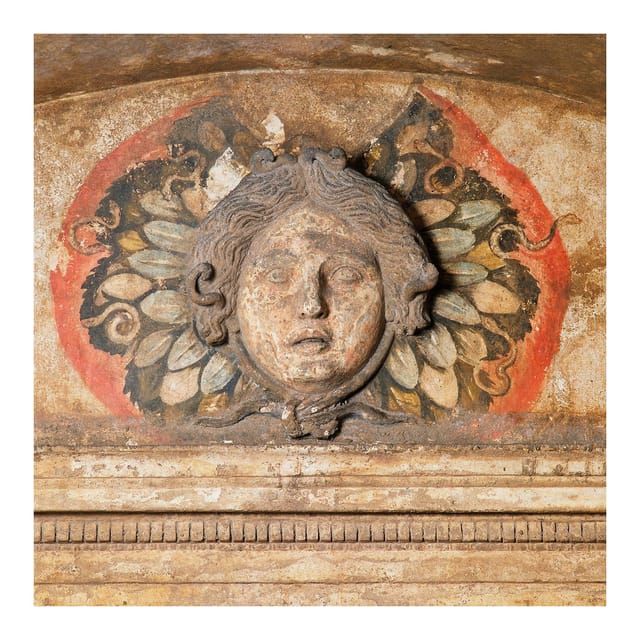
- 4th-century BC Greek polychromy: real painted surfaces, not a reconstruction fantasy
- A 12-meter descent into the Neapolis street and tomb area
- Medusa sculpted and painted in an image that still feels startlingly direct
- Small groups (10 max) keep the pacing personal and questions actually get answered
- Intro video first, so the frescoes make sense when you arrive
- Some stairs and low light, so wear grippy shoes and move slowly
Rione Sanità’s Underground Time Machine
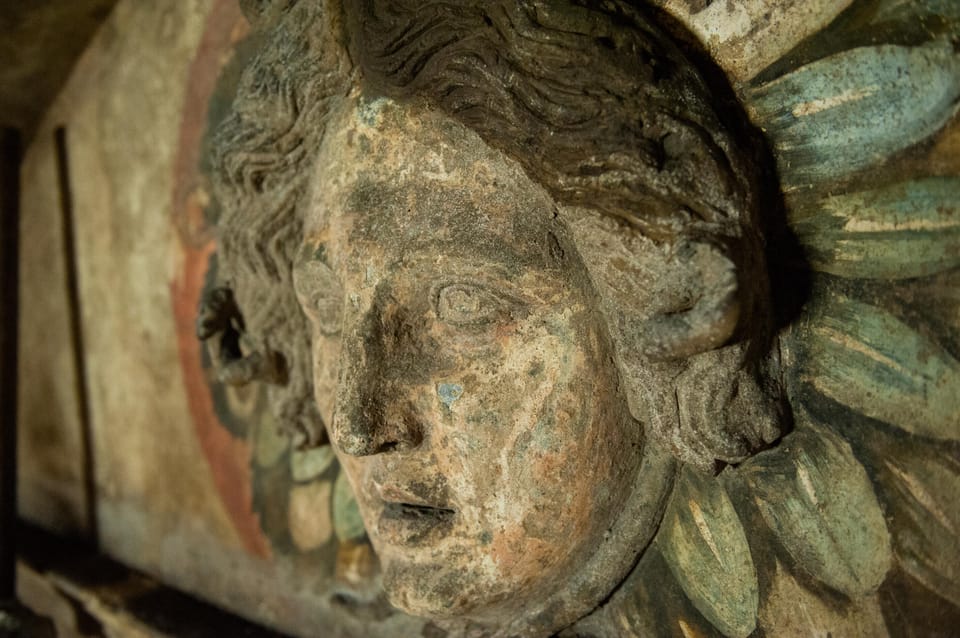
This tour gives you Naples from a weird angle—in the best way. Instead of pavement and church facades, you go below ground into the world of Neapolis, where the walls carry paintings and funerary art tied to ancient Greek culture.
The setting matters. The Rione Sanità neighborhood is living Naples, not a staged museum district. That makes the contrast sharper: you step into everyday street life above, then descend into a space built for remembrance—life, death, family, love, and care—expressed through images.
The whole experience is built around a simple idea: you’re not just looking at carvings. You’re being guided through what they meant, and how Greek origins and later Roman additions show up in the same place.
You can also read our reviews of more guided tours in Naples


The 45-Minute Tour Flow (And What You Should Expect)
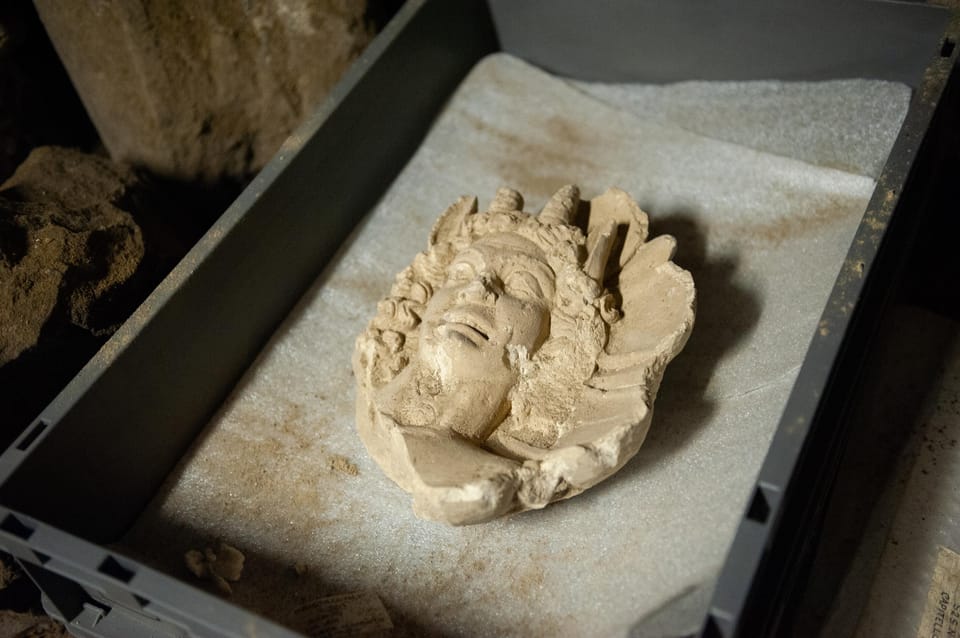
The tour lasts about 45 minutes, and that’s a big part of why it works. You get enough time to understand the scenes and architecture without feeling dragged through a long, slow underground route.
Here’s how the time usually lands:
First, you get an introduction that includes a video with a virtual reconstruction of the archaeological site. This helps you “get your bearings fast,” so when you actually descend, you can connect the paintings and tomb layout to a bigger picture.
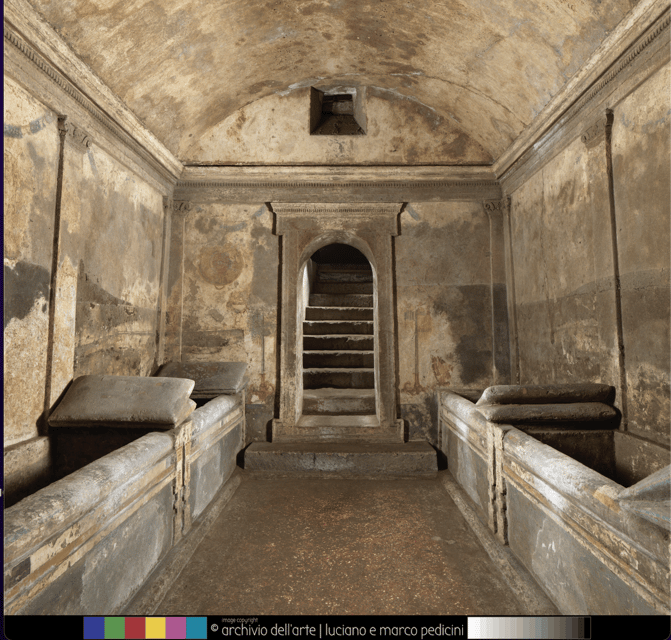
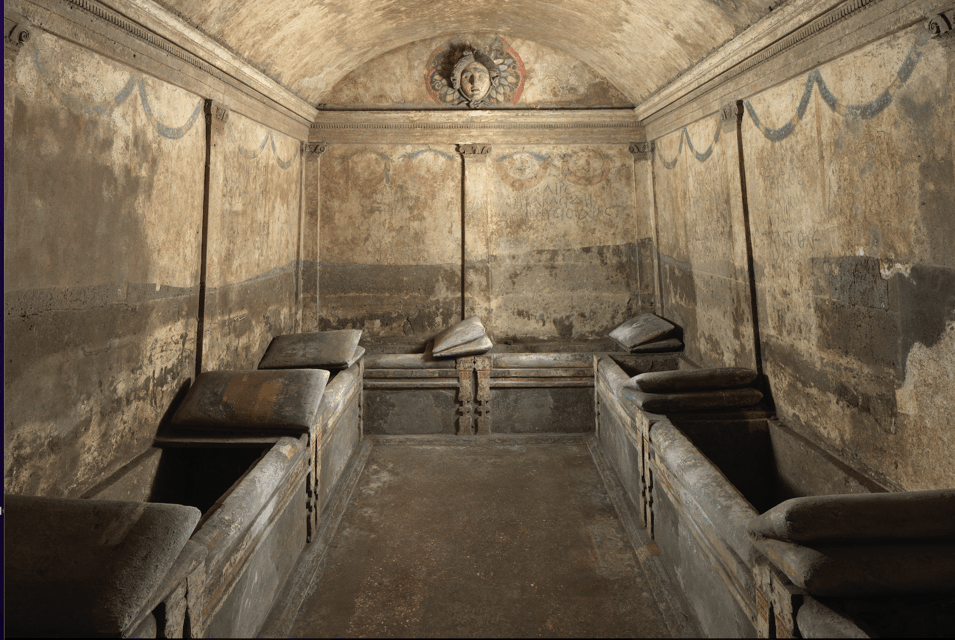
Then you move into the site area and start the guided walk at the underground level. You’ll be taken through the street of Neapolis and then toward the four Hellenistic tombs. The guide points out the details of the frescoes and explains the myths and symbols woven into the art.
Finally, the tour wraps with time to absorb what you just learned—especially the standout imagery like Medusa—before you head back up.
A practical tip: go in with the mindset of a short sprint, not a slow museum stroll. Underground spaces don’t give you endless roaming room, and the guide’s job is to keep you oriented and focused.
Descending 12 Meters Into Neapolis and Its Painted Tombs
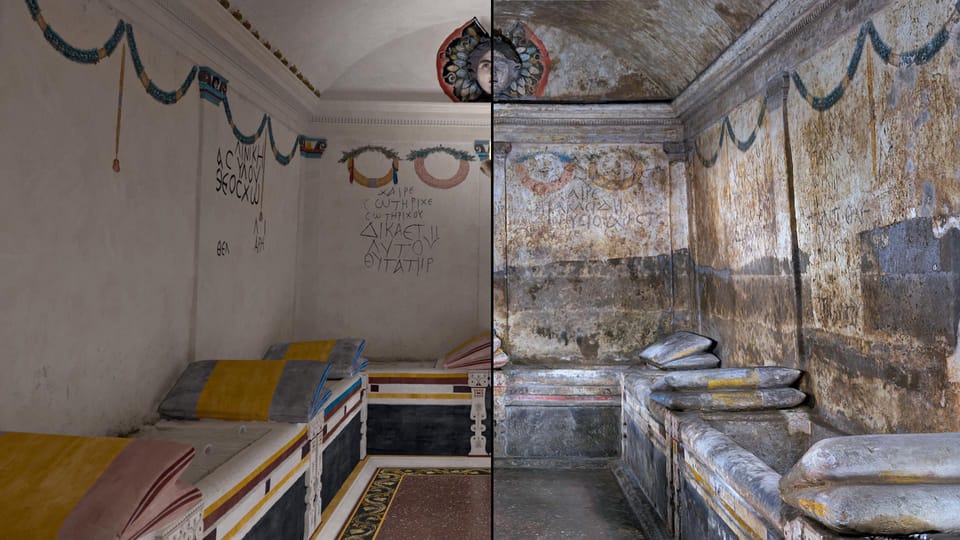
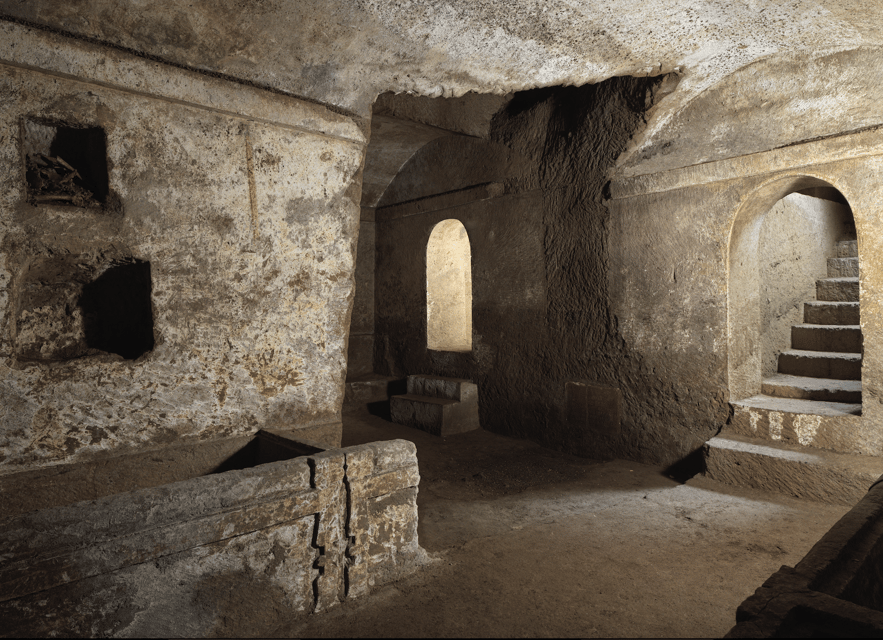
You descend 12 meters into a preserved underground world. That number is more than trivia; it changes how you experience the place. Underground, sound behaves differently, and the walls feel closer. You also notice the craftsmanship more, because you’re not distracted by open-air light.
Inside, the tour centers on the idea that you’re seeing tombs connected to the original urban fabric of ancient Naples. The guide shows you an area linked to Neapolis’ original street, then focuses on the four Hellenistic tombs, carved and decorated in paint.
The tombs themselves are part of the story. Even if you’re not an archaeology buff, it helps to hear what guides pay attention to: the way the architecture frames the art, and how that art was meant to communicate something to family and community.
This is one of those experiences where pacing matters. The guide doesn’t throw dates at you nonstop. Instead, they guide your eyes across what’s painted, then connect those images to the myths and symbolism.
4th-Century BC Greek Art (Plus Roman Additions) in One Place
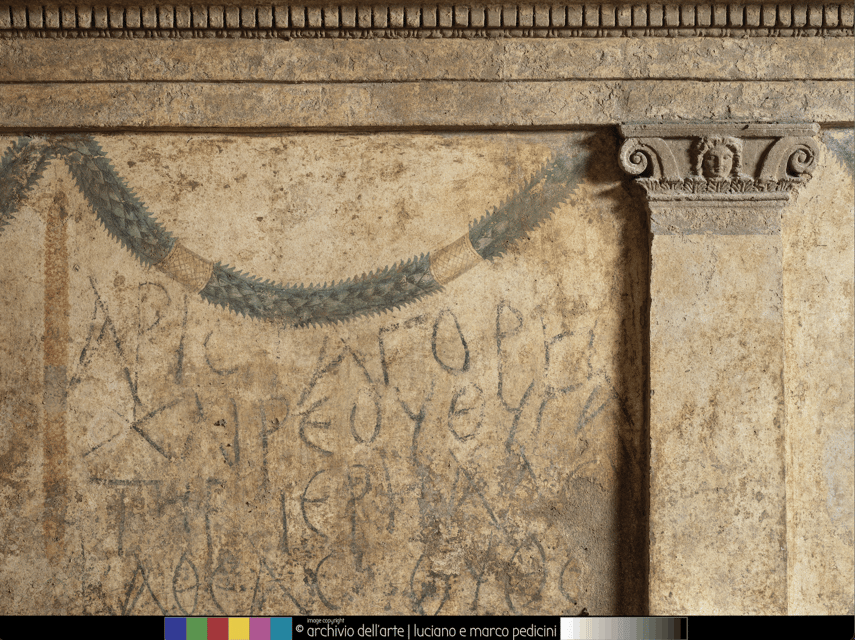
The headline is ancient Greek painting, but what makes it special is what the guide helps you notice: it’s not only Greek. You also see a fusion—Greek origins with later Roman artistic additions.
That mixture is exactly why this site feels “human” instead of academic. You’re watching cultures talk to each other through art choices—how themes travel, how styles adapt, and how sacred stories or public symbols can be repurposed over time.
The tour also frames the paintings beyond aesthetics. The guide connects them to the themes people lived with: life and death, family bonds, and relationships expressed through myth and funerary design. In other words, you’re not only viewing “pretty frescoes.” You’re learning why those images belonged in a tomb space.
And yes, the fact that the art is described as a global unicum matters. It’s the kind of rarity that justifies paying to be guided, because you’ll get more out of it than a quick self-walk.
Medusa’s Image: Why It’s the Star of the Show
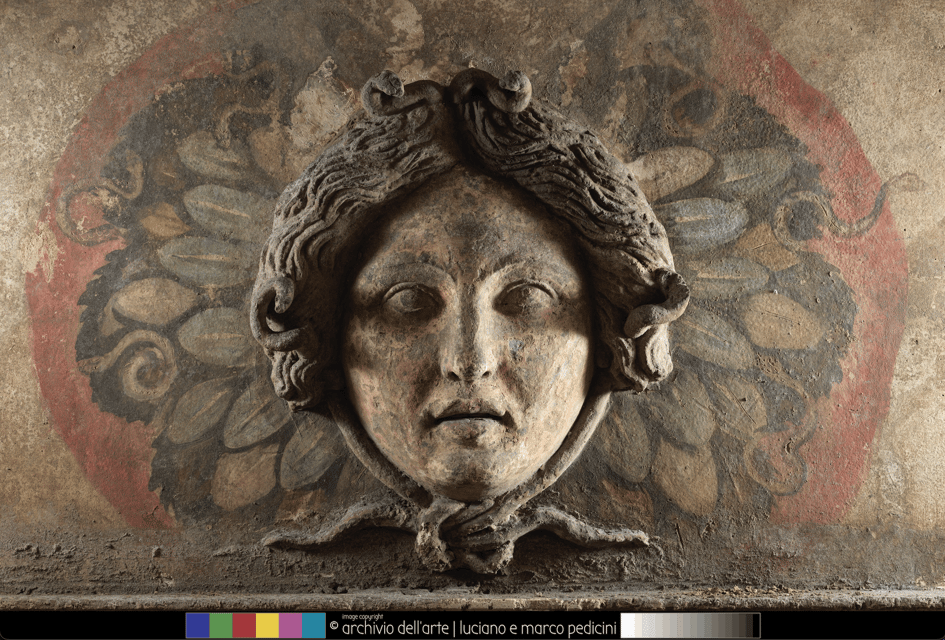
At the center of the tour is the Medusa figure. It’s described as “unbelievable” for a reason: it’s not only referenced in art traditions—here, it’s sculpted and painted in a way that’s considered unique in the world.
When you see Medusa in person in this setting, it hits differently than in a book. You’re looking at a specific image tied to ancient storytelling, and the guide helps you understand the role of a mythic figure in funerary or commemorative spaces.
What I find useful for you to know: don’t just stare at the face. Let the guide talk through the details and what’s around it. In sites like this, the context is part of the message—how the image sits in the tomb space, and how painted decoration supports the overall theme.
If you like mythology, this is the moment you’ll remember later while walking through the neighborhood again.




A Chance Discovery in 1889: Baron Giovanni di Donato
Every site has a backstory. This one is particularly good because it wasn’t planned like a movie set.
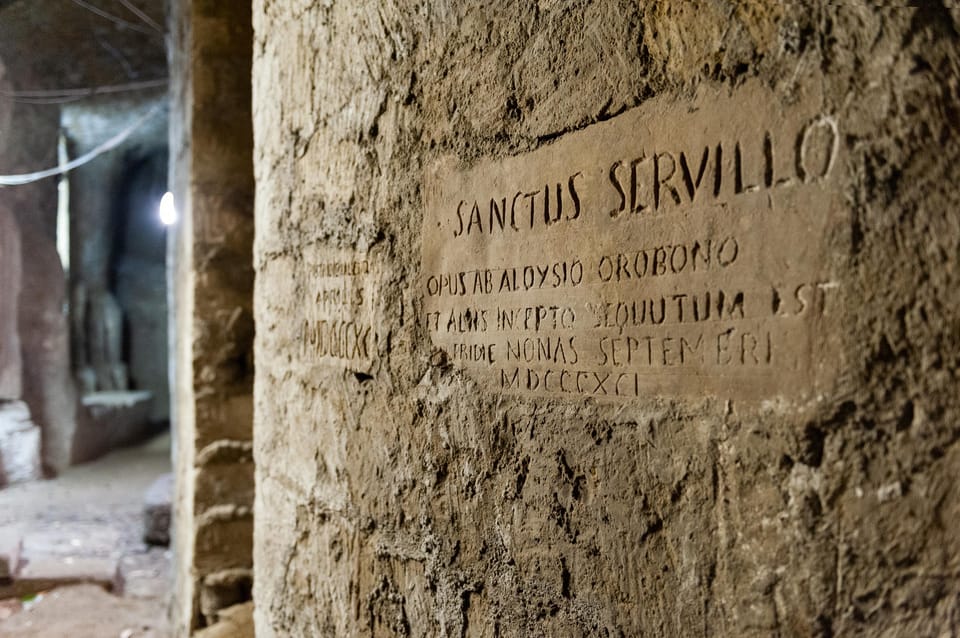
The Ipogeo dei Cristallini discovery happened by chance in 1889, connected to Baron Giovanni di Donato. That detail adds a layer to your visit. You’re not only seeing ancient art; you’re also standing in the modern outcome of a moment where history was uncovered unexpectedly.
The guide’s storytelling keeps it from feeling like a dusty fact. It helps you understand why the site exists as a visitable place today, and why the paintings survived long enough to be shown to you.
Stairs, Light, and Who Should Book This One
Let’s talk logistics in real terms. The site includes stairs down to the guide area, and there’s limited light. One review note I’d take seriously: the area has little light, so watch your footing and take your time.
If you have bad knees or mobility concerns, you’re not automatically out of luck. One visitor mentioned their guide helped them step-by-step. Still, the correct approach is to plan as if you’ll be negotiating stairs carefully, not gliding through.
Shoes matter. Choose something with grip. Keep your phone away in your hands during stair sections, and listen for the guide’s directions about where to stand and when to move.
Also note the tour site has architectural barriers because it’s historically structured. If you use mobility aids or need accommodations, contact the operator in advance. This is one of those places where “we’ll see how it goes” can turn stressful fast.
Languages and Group Size: Small Group, Real Interaction
This is a small-group tour, limited to 10 participants. That matters underground. It means the guide can keep the pace manageable and answer questions without shouting over a crowd.
Guides are available in Italian, English, French, and Spanish, so you should be able to follow comfortably even if your Italian isn’t great.
Because the tour is only 45 minutes, the group size and language options help prevent the common problem of being stuck in a slow-moving line with little context. Here, you get explanation timed to what you’re seeing.
Price and Value: $21 for Painted History You Can’t Fake
At $21 per person, this is priced like an entry-level museum experience, but you’re getting something more specific: guided access to an underground archaeological site with painted Greek art.
The value comes from a few things working together:
- You get a live guide from the Rione Sanità area who brings the art and setting into focus
- The tour gives you context on myths and architecture instead of leaving you to guess
- You get a virtual reconstruction video, which helps you interpret the site during the real visit
- The group size is small enough that the guide’s attention actually matters
If you’re trying to prioritize one “ancient art” stop while in Naples, this can make sense because it’s focused and concentrated. You won’t leave with a list of random facts; you’ll leave with a clear mental picture of Greek painting in a tomb setting—and the Medusa image.
If you’re only in Naples for a short window, the 45-minute duration is also a practical win.
Should You Book Ipogeo dei Cristallini?
I’d book this if you want Naples in a way that isn’t obvious from the surface. You’re getting real Greek funerary art with a story attached, and the tour format makes it easier to understand fast.
It’s also a good pick if you like myths and symbolism, because the guide connects the paintings to themes you can feel immediately: family, love, death, and meaning.
But I wouldn’t send you here blindly if you know stairs and low light will be a problem. This isn’t a flat, stroller-friendly path. If that’s you, contact the operator about access needs and plan for slow, careful movement.
If you’re okay with a short underground tour and you’re curious about ancient painting beyond the usual headlines, this is a strong choice.
FAQ
How long is the Ipogeo dei Cristallini guided tour?
The tour lasts about 45 minutes.
Where is the tour located?
It takes place in Naples, in the Campania region, in the Rione Sanità neighborhood area.
How big is the group?
The tour is limited to a small group of up to 10 participants.
What languages are the guides available in?
Guides are available in Italian, English, French, and Spanish.
Is the experience suitable for children?
Entry is free for children between 8 and 12 years old. Children under 8 are not permitted.
How deep do you go underground?
You descend about 12 meters into the underground area.
Is the site accessible for visitors with disabilities?
There are architectural barriers due to the historical nature of the site. It’s recommended to contact the operator before your visit to assess possible access.
If you want, tell me when you’re going to Naples and your walking-stairs comfort level, and I’ll help you decide whether this fits your day plan.