REVIEW · NAPLES
Naples: Pizza Making Class with Local Pizzaiolo
Book on GetYourGuide →Operated by Food Raphael Tours and Events · Bookable on GetYourGuide
Neapolitan pizza starts with your hands. In Naples, this 2-hour Neapolitan pizza-making class has you working right alongside a local pizzaiolo team, so you see the process end-to-end instead of just watching. I like that it focuses on the real mechanics: dough mixing, kneading, proofing, and the signature stretch.
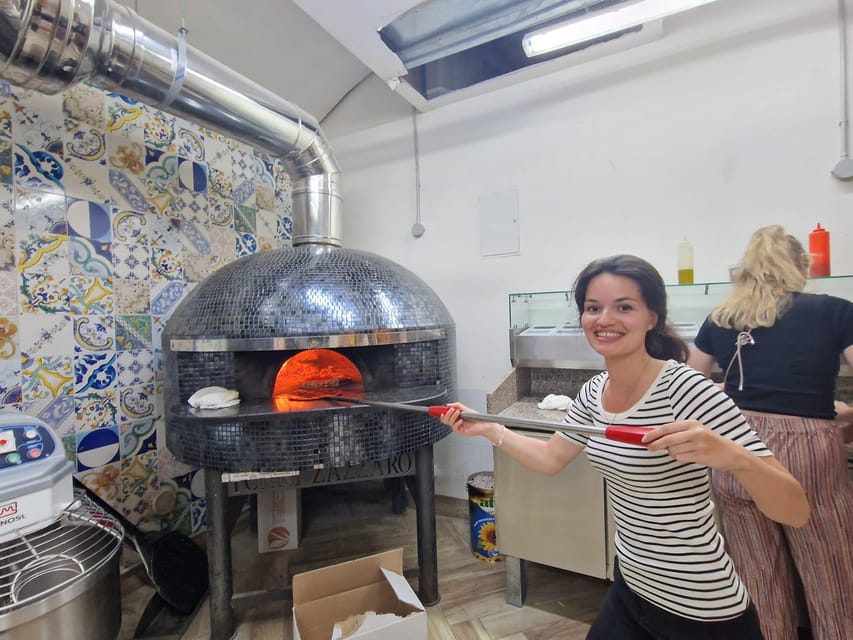
I also love the way the hands-on baking finishes the lesson. After you shape your thin, classic base and add simple Campania-style toppings, you bake it in the wood-fired oven under expert guidance. One drawback to keep in mind: it is not suitable if you need gluten-free or lactose-free options, since the class centers on traditional ingredients.
In This Review
- Key highlights worth your time
- Finding Gusto Marigliano Pizzeria: not hard, just easy to miss
- The 2-hour flow: how Neapolitan pizza gets made, step by step
- Dough skills that actually transfer to your kitchen
- Stretching and shaping: the part most people never learn
- Toppings that stay classic: basil and buffalo mozzarella
- Wood-fired oven time: watching your pizza transform
- The meal side: starters plus a drink with your pizza
- Price check: is $58 good value in Naples?
- Who should book this pizza class (and who should skip it)
- Small tips to get the most out of your 2 hours
- Should you book Naples: Pizza Making Class with Local Pizzaiolo?
- FAQ
- What is the duration of the Naples pizza-making class?
- How much does it cost?
- Where is the meeting point?
- What’s included in the price?
- Is hotel pickup and drop-off included?
- Is the class taught in English?
- Is it suitable for people with gluten intolerance or lactose intolerance?
- Where do the pizzas get baked?
- Is free cancellation available?
Key highlights worth your time
Local pizzaiolo instruction in English with a practical, step-by-step flow
Wood-fired oven baking for your own shaped pizzas
Dough practice (mixing, kneading, proofing, then stretching)
Traditional toppings like fresh basil leaves and buffalo mozzarella
Included meal moments: starter and a glass of wine, beer, or soft drink
Certificate at the end—small detail, but it makes the experience feel official
Finding Gusto Marigliano Pizzeria: not hard, just easy to miss
Your class meets your pizzaiolo at Gusto Marigliano Pizzeria in Campania, Naples area. The vibe is what you want: a working pizzeria space where the “lesson” isn’t separate from the oven and tools.
One thing I’d plan for: the front can feel low-key from the street. One guest noted scaffolding and a main entrance that’s not obvious right away, so don’t assume you missed it. If you arrive a few minutes early, you’ll have time to locate the entry without stress.
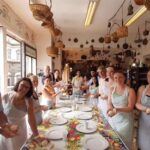
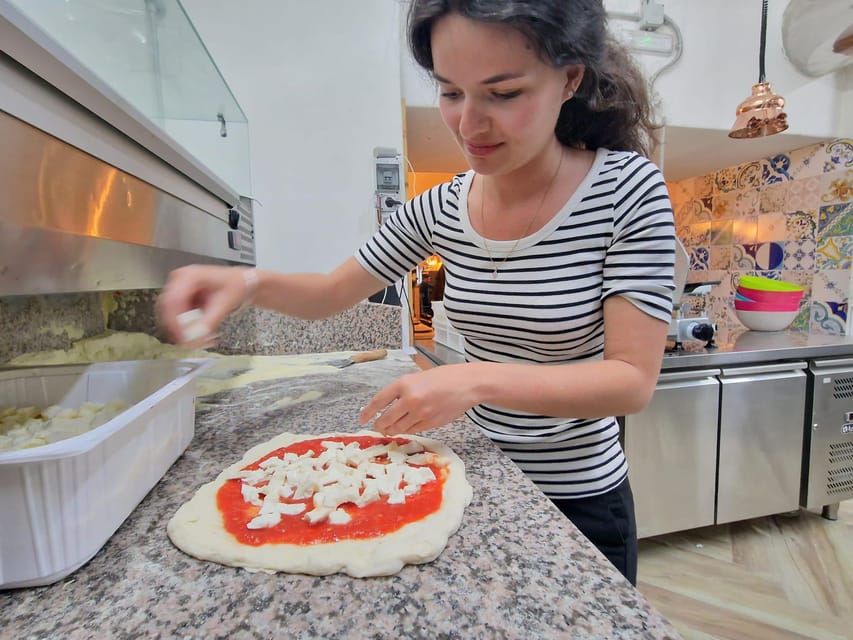
You should expect a proper kitchen setup with tools and a workstation area for making dough. That matters because good pizza classes teach you technique, not just assembly.
You can also read our reviews of more tours and experiences in Naples

The 2-hour flow: how Neapolitan pizza gets made, step by step
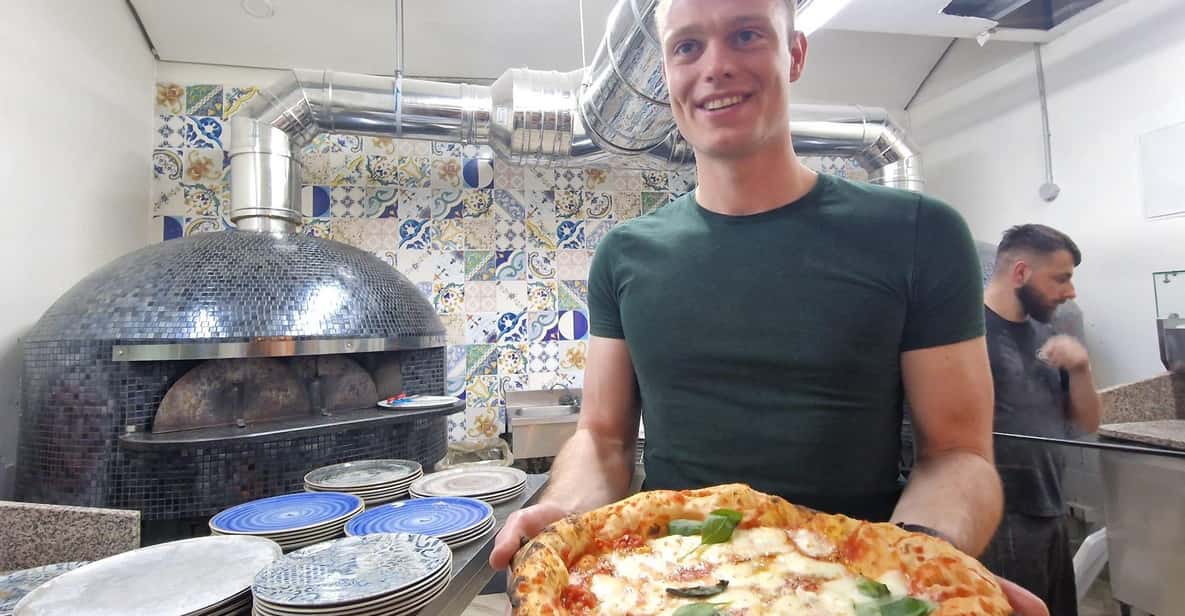
This is a from-scratch style session, starting with dough and finishing with pizza you helped shape and bake. The pacing is built around the core reality of Neapolitan pizza: dough is everything, and your hands need reps.
Here’s the typical rhythm you’ll follow in the session:
- mixing ingredients for the dough
- kneading to develop texture and elasticity
- proofing so the dough becomes workable
- stretching and shaping into the classic thin crust style
- adding traditional toppings
- baking in a wood-fired oven with guidance
A helpful nuance from the class experience: one guest said the pizza makers used dough that had an earlier prep step and needed a rest period (they mentioned about 6 hours before using). That doesn’t mean you skip the skills—just that the process is adapted to how busy a real pizzeria kitchen runs.
Dough skills that actually transfer to your kitchen
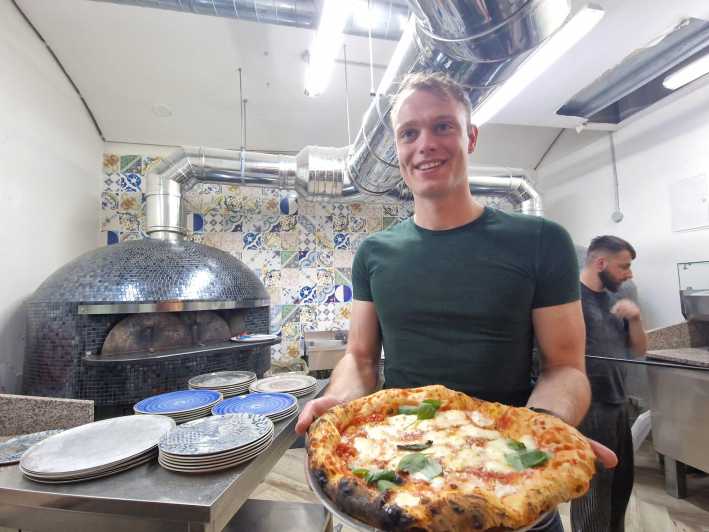
Neapolitan dough can feel mysterious until someone breaks it down into what your hands should notice. In this class, you practice the basics that make a real difference at home: mixing consistency, kneading feel, and when dough is ready to shape.
I love that the guidance tends to be very specific. Several people mentioned patient teaching and clear step-by-step coaching, with instructors like Alessandro, Antonio, Rafael, Martina, and Enrico showing up across different sessions. When you hear the same pizza logic from different people, it’s easier to lock in what matters and ignore the noise.
Also, there’s a competitive-but-friendly side to it. One guest described the dough-making as fun and “competitive,” which is exactly how I like cooking classes to feel: you stay engaged, you pay attention, and your brain remembers the moves.
If you’re worried you’ll be “bad at kneading,” don’t. The point here is not speed. It’s learning the texture cues and developing a feel for how dough moves when it’s ready.
Stretching and shaping: the part most people never learn
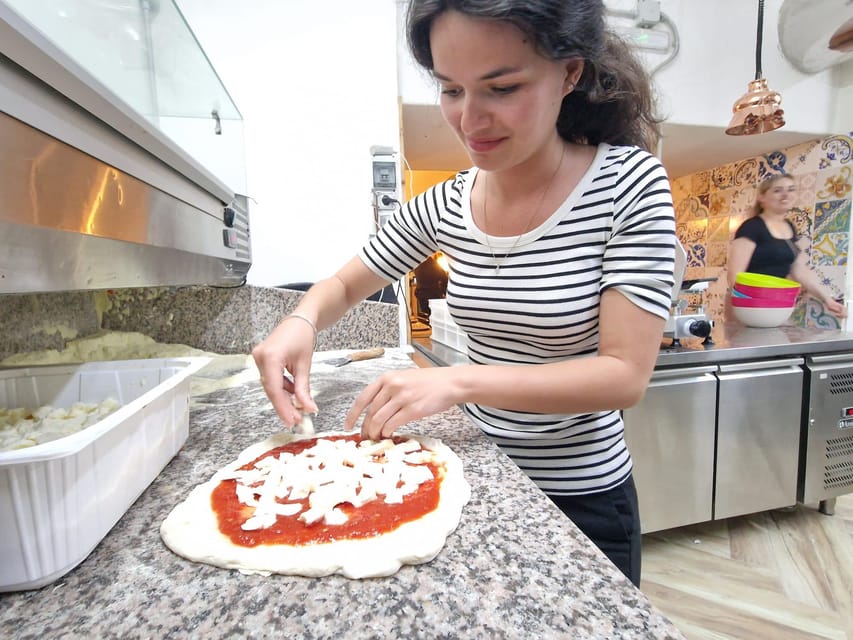
Once the dough is ready, the class moves into the Neapolitan technique that separates decent pizza from classic pizza: stretching and shaping without tearing the dough.
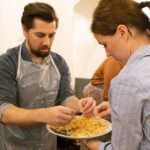
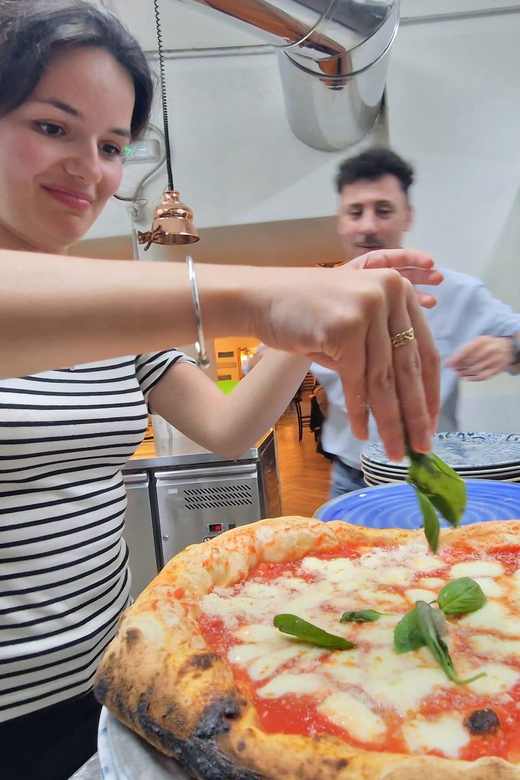
You’ll learn how to create that thinner, light base using traditional methods—then top it with recognizable Neapolitan flavors. In other words, you’re not just slapping toppings on; you’re building a pizza with a crust that supports the toppings.
What makes this valuable for you:
- you’ll see how shaping affects thickness and bake results
- you’ll learn the logic behind gentle handling
- you’ll get confident enough to reproduce the motion later
The class includes guidance during shaping, so if your first attempt looks like a pancake disaster, you’ll still get it corrected before baking.
Toppings that stay classic: basil and buffalo mozzarella
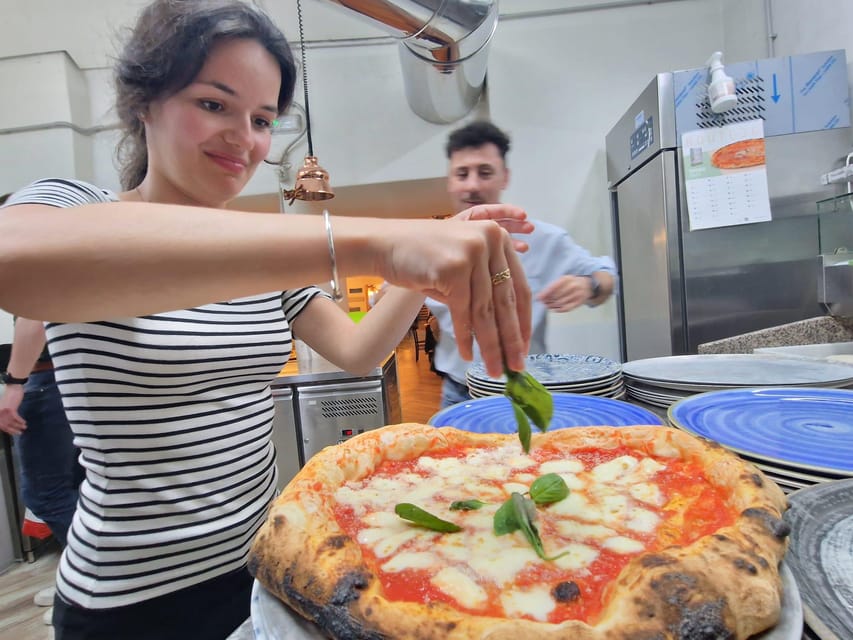
The menu stays traditional and simple, which is smart. In Naples, pizza isn’t about 14 random toppings—it’s about balance, freshness, and texture.
You’ll cover your pizza with familiar ingredients such as fresh basil leaves and buffalo mozzarella, then finish with the right placement so everything cooks evenly in a hot oven. If you love pizza because it’s clean and flavorful rather than overloaded, this is right up your alley.
One practical advantage: traditional toppings are also easier to get right during a class. You’re focusing on crust and technique instead of running a toppings assembly line with confusing instructions.


Wood-fired oven time: watching your pizza transform
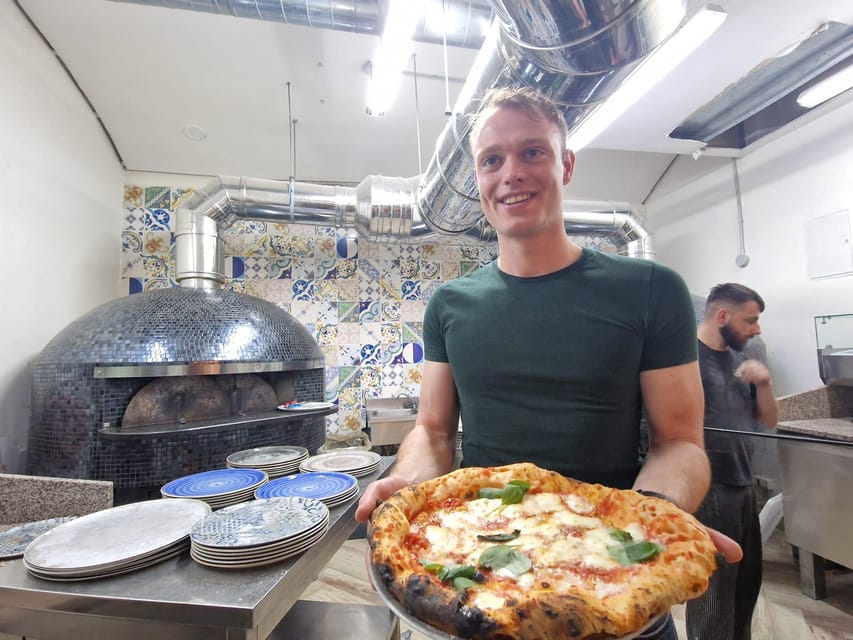
Baking in a wood-fired oven is the moment your lesson clicks. Neapolitan pizza is fast-cooked, and the oven environment is part of the recipe reality.
In this class, the pizzaiolo oversees the bake and helps as needed. That’s important because oven temperatures and timing change everything. Even if your dough shaping isn’t perfect, the oven guidance helps your pizza land in the right zone: cooked-through, blistered where it should be, and still enjoyable to eat.
I like this setup because it’s not just a “show.” You do the shaping, then you see how the oven rewards correct dough readiness and handling.
The meal side: starters plus a drink with your pizza
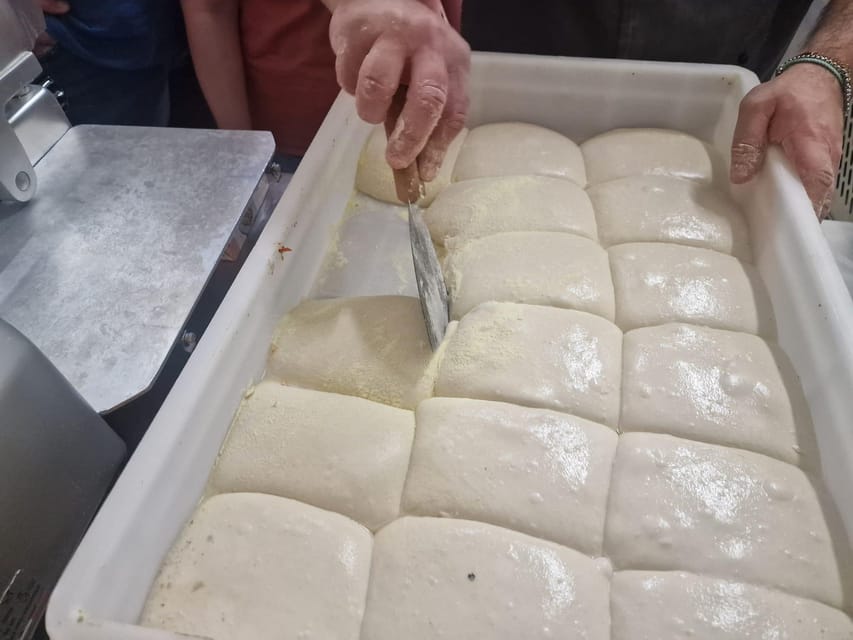
This isn’t a two-hour snack demo. It includes a full food experience: you’ll enjoy a local starter before or alongside your pizza, then finish with your own pizza plus a drink.
The class includes a glass of wine, beer, or soft drink. That choice matters in practice. If you’re traveling and want to keep things relaxed, soft drinks make it easy to enjoy without turning the class into a late-night event.
One detail that came up in feedback: people really valued the unexpected appetizers and the overall meal feeling more than just “class calories.” Even when the pizza was the star, the starter and drink added context and made it feel like a proper Naples evening.
Price check: is $58 good value in Naples?
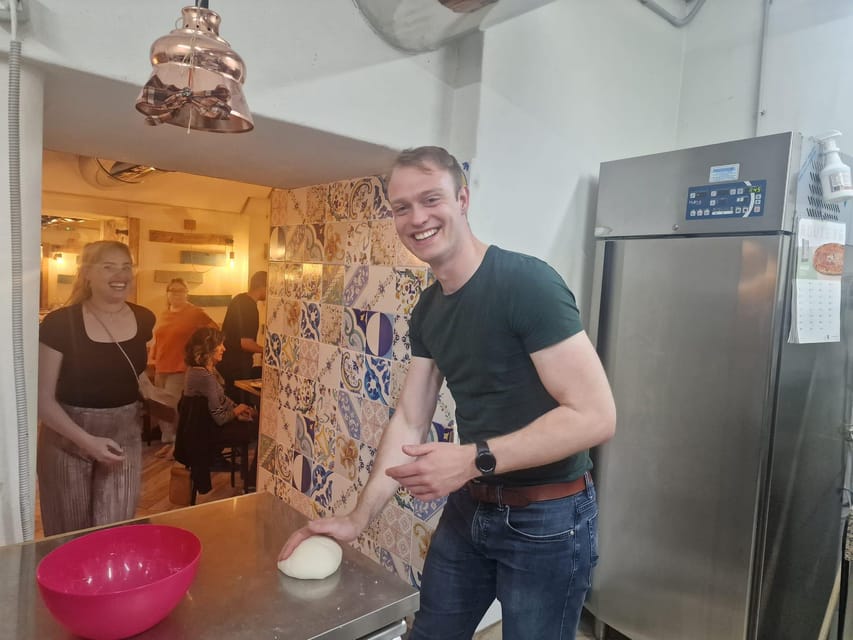
At $58 per person for a 2-hour session, this can be solid value if you’re the type who wants skills, not just a meal. You’re paying for instruction by a local pizzaiolo team, dough practice, oven access, ingredients, starter + drink, tools and apron, and even a pizza-making certificate.
Here’s how I’d judge value for your specific trip:
- If you’ve eaten Naples pizza already and want the how-to, the price feels fair because you leave with repeatable technique.
- If you mainly want a simple dining experience, you might find it better to just eat in a top pizzeria and skip the extra cost.
- If you’re sensitive to food waste or portion expectations, note that one guest mentioned seeing leftover food at the end. That doesn’t mean the class is wasteful by design, but it’s a consideration if you’re very food-conscious.
Also, the “English instruction” piece matters. Pizza terms and dough science are easier to learn when you can actually ask questions without guessing.
Who should book this pizza class (and who should skip it)
This class is a great fit if:
- you want to learn authentic Neapolitan pizza technique rather than just taste pizza
- you enjoy hands-on cooking activities while traveling
- you like getting instruction in English and asking questions
- you’re traveling as a couple or small group and want a more personal vibe
Several people noted that small-group energy can happen, even private sessions in some cases. When the group is small, you get more attention and more chances to refine your technique.
Skip it if:
- you need gluten-free pizza or lactose-free options (traditional ingredients are central here)
- you’re looking for a purely academic, recipe-only experience without getting your hands dirty
It also helps to know that this is held in a working pizzeria setting, not a distant cooking school campus. If you like authentic Naples places, you’ll probably feel right at home.
Small tips to get the most out of your 2 hours
You’ll enjoy this more if you show up ready to work, not just watch.
- Arrive a few minutes early so you can find the entrance at Gusto Marigliano Pizzeria without rushing
- Expect dough handling: tie back long hair and wear comfortable clothes
- Ask questions while you’re shaping and before baking—this is when the guidance is most useful
- If it’s your first time stretching dough, aim for gentle control over dramatic thinness
And a simple mindset tip: treat the kneading and stretching like a skill practice, not a test. Neapolitan pizza rewards calm, repeatable motions.
Should you book Naples: Pizza Making Class with Local Pizzaiolo?
Book it if you want an authentic Naples experience you can recreate. For $58, you’re getting real technique instruction, wood-fired oven baking, and a meal with starter and drink—plus the satisfaction of eating what you made.
Skip it if you’d rather spend your Naples time hunting the best pizza slice and avoid structured classes. In that case, you might feel the “hands-on” element is less your style.
If you’re on the fence, here’s my straight take: choose this class when you want to bring home skills. Choose a great pizzeria when you want max relaxation. Either way, Naples will deliver.
FAQ
What is the duration of the Naples pizza-making class?
The class lasts 2 hours.
How much does it cost?
It costs $58 per person.
Where is the meeting point?
Meet your pizzaiolo at Gusto Marigliano Pizzeria.
What’s included in the price?
The class includes the pizza-making class, instructor, apron and kitchen tools, ingredients, a local starter, a glass of wine/beer/soft drink, and a pizza-making certificate.
Is hotel pickup and drop-off included?
No. Hotel pickup and drop-off are not included.
Is the class taught in English?
Yes, the instructor is listed as English.
Is it suitable for people with gluten intolerance or lactose intolerance?
No. It is not suitable for people with gluten intolerance or lactose intolerance.
Where do the pizzas get baked?
Your pizza is baked in a wood-fired oven.
Is free cancellation available?
Yes. Free cancellation is available up to 24 hours in advance for a full refund.