REVIEW · NAPLES
Naples Underground Spanish Quarters with Guide
Book on Viator →Operated by Napoli sotterranea - LAES · Bookable on Viator
Naples hides a whole city underground. This Napoli Sotterranea visit takes you through part of an ancient water system and explains how it later became a WWII bomb shelter. I like the official guide’s way of making the engineering easy to picture, and I like the small-group feel that keeps the hour personal. One watch-out: some sections are narrow tunnels, so if you hate tight spaces, plan carefully.
It runs about an hour, includes your admission ticket, and you’ll get an English-speaking guide. You start at Vico S. Anna di Palazzo, 52, and the tour ends on Via Chiaia—useful if you’re building a day around the center of Naples.
In This Review
- Quick hits before you go
- Napoli Sotterranea: the engineering and wartime story you can walk through
- Aqueducts, shelters, and why 1 kilometer matters
- The walk itself: stairs, low ceilings, and claustrophobia check
- Guides and storytelling in English, from Alex to Grazia
- Spanish Quarters context: how the neighborhood makes sense
- Price and value at about $18 for an hour
- When to book and how to fit it into your Naples day
- Practical prep: shoes, pace, and what to know at the meeting point
- Should you book this Napoli Underground tour?
- FAQ
- How long is the Napoli Underground Spanish Quarters tour?
- Is this tour offered in English?
- What’s included in the price?
- Where do I meet for the tour?
- Where does the tour end?
- How big is the group?
- Is this tour suitable for children?
- Is it recommended for people with mobility difficulties?
- Are service animals allowed?
- What is the cancellation policy?
Quick hits before you go
- Official Napoli Sotterranea guides: they explain what you’re seeing underground, not just walk you through it
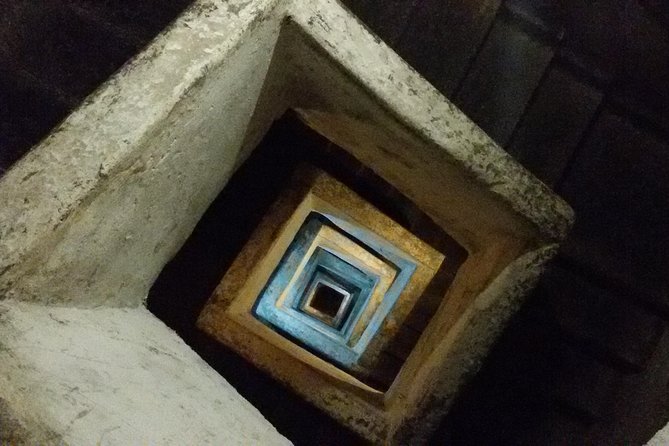
- Ancient aqueduct + WWII shelter story: you’ll hear how a 120 km system relates to the stretch you visit
- Stairs and squeezing are part of the deal: expect narrow passages, plus a long climb down and back up on some routes
- Small group, max 40: more time for questions and less waiting around
- English narration with jokes and local legends: guides like Alex, Grace, Alessandro, Eduardo, and Grazia have a knack for story flow
- Not for everyone physically: it’s not for kids under 7, and it’s not recommended if you have mobility challenges
Napoli Sotterranea: the engineering and wartime story you can walk through
There’s something oddly moving about seeing a city’s problem-solving from centuries ago, then realizing Naples kept using that same infrastructure in WWII. This tour puts you inside Napoli Sotterranea, where the focus stays on real structures: water engineering, underground space, and how the past adapted to crisis.
I like that the experience isn’t just dramatic visuals. The guide helps you make sense of why the aqueduct system mattered in daily life—and then how the same underground passages became protection during air raids. You’re shown a small portion, but it’s framed as part of something much bigger.
And you’ll feel the pace stays human. It’s a one-hour visit, offered in English, with a maximum of 40 people. That matters here because underground spaces can make even a short wait feel longer.
You can also read our reviews of more guided tours in Naples
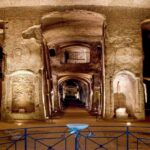


Aqueducts, shelters, and why 1 kilometer matters
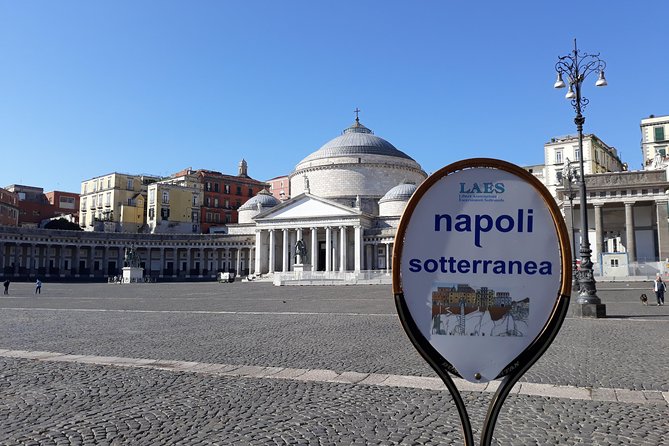
The underground you visit is tied to an ancient water network. One guide story you’ll likely hear: the system stretched about 120 km, and your tour covers roughly 1 km of it. That “scale jump” is what makes the hour click. You’re not touring a random tunnel; you’re seeing a working slice of a much larger system.
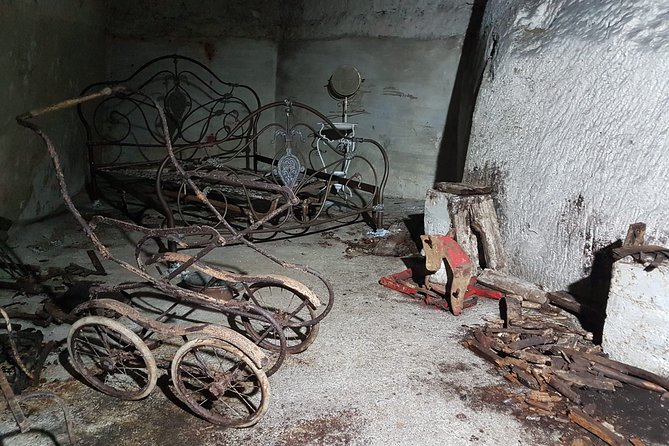
Then the WWII layer lands hard. Parts of the underground waterworks were used as bomb shelters, so you get two timelines in one walk: old engineering first, war-era survival second. It’s a combination that feels grounded, not theatrical—more like learning how people adapted with what they had.
Also, you may pick up local legends along the way. A memorable example from guides’ storytelling: the tour can include a tale about chili peppers that turns out not to be what it sounds like. It’s the kind of detail that makes facts stick without turning the tour into a lecture.
The walk itself: stairs, low ceilings, and claustrophobia check
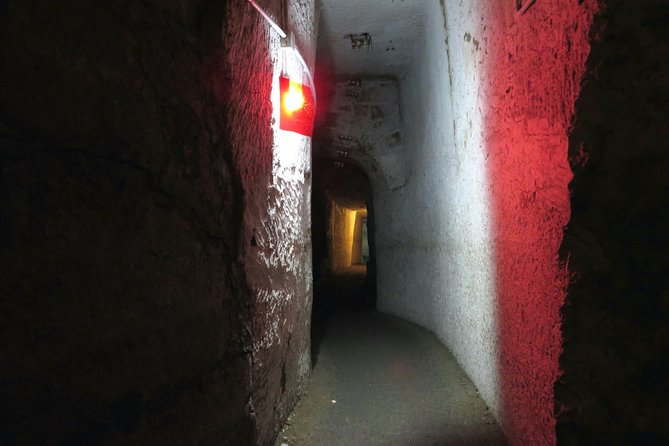
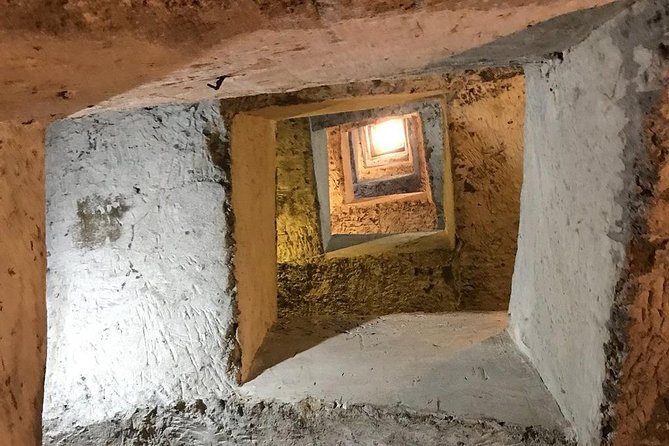
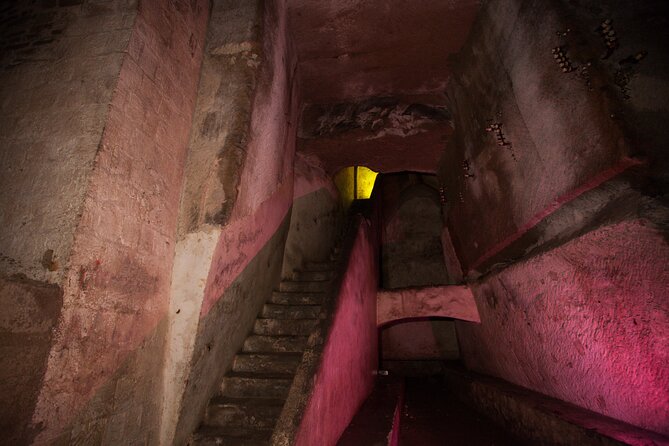
This tour is physical in the way underground tours always are: stairs, tight corridors, and occasional low-ceiling moments. Multiple guides cover the route with an eye toward keeping people moving, but narrow tunnels are still a reality. One key piece of advice is simple: don’t ignore the claustrophobia warnings in the feedback.
You might see descriptions like a 40 m climb down, a few skinny tunnels, and a 16 m climb back up. Others describe it as not overly strenuous for most people, but still tight in spots. Some routes include narrow passages where you may have to bend your body a bit to get through.
If you have mobility difficulties, keep your expectations realistic. The experience is marked as not recommended for travelers with walking or movement challenges. And if you’re traveling with young kids, it’s not suitable for children under 7.
On the plus side, the tour is designed for guided movement. You’re not left to self-navigate. You also have a guide pacing the group, and that helps you handle the turns and tight spots without feeling rushed.
Guides and storytelling in English, from Alex to Grazia
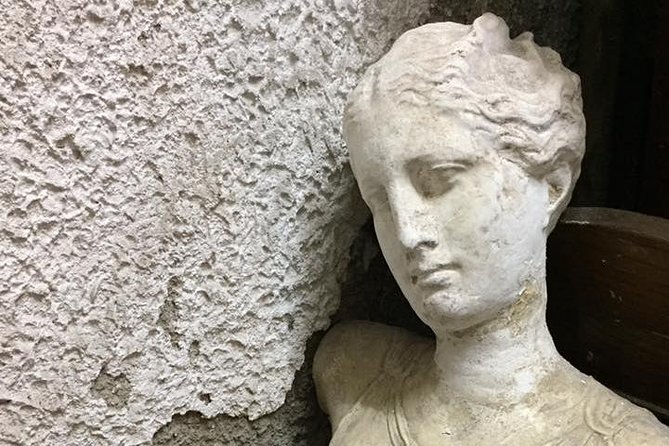
The biggest quality difference here is the guide’s storytelling. In feedback, names like Alex, Grace, Emmanuello, Alessandro, Eduardo, Massimo, Sara, Luca, and Grazia show up again and again, and the common thread is narration that keeps people engaged—especially in a setting where standing around is hard.
What I love about the best guides in this format is that they don’t just list facts. They connect the engineering to human stakes: daily water, then WWII air raids. One guide style you’ll likely get is a mix of serious history with lighter moments, including humor that fits the tunnel setting.
If English is your main language, this is offered in English and the guides generally land their points clearly. That said, there’s at least one note that a guide can speak very fast or be hard to follow. So if you’re picky about audio clarity, pick a time slot when you’re fresh and not rushing from another stop.
Spanish Quarters context: how the neighborhood makes sense
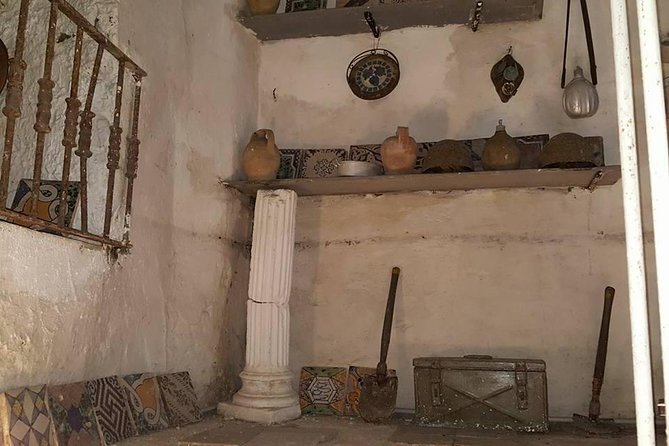
The tour title includes the Spanish Quarters, but your hour is mostly about what’s happening under Naples. The value of the Spanish Quarters label is that it sets you up to think about how this part of the city developed—and how dense, built-up neighborhoods drive the need for infrastructure like underground water systems.
Even if you only spend about an hour underground, the experience gives you a new way to look at the streets above. You’ll notice the city’s layering: older structures, later re-use, and wartime repurposing. That’s especially useful in Naples, where you don’t just see one era—you see overlap.
If you plan to walk the neighborhood streets afterward, this tour helps you connect the dots. You’ll already understand that “underground” isn’t a separate attraction. It’s part of the same urban story.




Price and value at about $18 for an hour
At about $18.14 per person, this feels like real value when you compare what you get: a guided underground experience, an official Napoli Sotterranea guide, and admission included—plus an English-speaking format. Many city tours charge more for less time in a more conventional setting.
The trade-off is that your hour is highly structured. You’re paying for a route through specific passages, not open-ended exploring. That’s a good deal if you like guidance and want context, and it’s less ideal if you prefer slow wandering on your own.
Also remember the booking rhythm. The experience is commonly booked around 14 days in advance on average. That usually means popular hours can sell out, so it’s smarter to lock in your time slot early rather than waiting for a last-minute decision.
When to book and how to fit it into your Naples day
Because it sells out sometimes, I recommend booking ahead—especially if you have limited days in Naples. An average booking window of about 14 days is a hint that you shouldn’t treat this like a walk-up “maybe.”
For scheduling, treat it as an anchor for one part of your day. The tour is about an hour, and it starts in a specific spot near Vico S. Anna di Palazzo, 52. It ends on Via Chiaia, so you can use that as a handy way to transition into shopping, cafes, or museum time near the center.
Pick a time when you won’t feel rushed afterward. Underground sites can leave you a little “warmed up” from the stairs and the tight passages. If you schedule immediately after for something that needs your full attention—like a guided museum—you might still enjoy it, but it helps to plan breathing room.
Practical prep: shoes, pace, and what to know at the meeting point
Meet at Vico S. Anna di Palazzo, 52. The tour ends on Via Chiaia, 80132. Having those two points in mind helps you avoid the classic Naples problem: arriving in the right general area but not the right exact street.
Bring comfortable walking shoes. The route includes stairs and uneven underground surfaces, and multiple guides describe narrow tunnels that require careful movement. If you’re traveling with a larger build, expect that the tight sections may be uncomfortable and you might need extra time at the narrowest points.
You’ll receive confirmation at booking time, and you use a mobile ticket. The experience allows service animals. It’s also listed as near public transportation, which is handy in a city where parking can be a hassle.
Finally, do a quick self-check for risk tolerance. If you’re fine with small spaces and you can manage stairs, this can feel adventurous in a good way. If tight spaces make you panic, this is not the moment to test it.
Should you book this Napoli Underground tour?
I think you should book if you want a guided, high-context underground experience that combines ancient water engineering with WWII shelter history. It’s also a great choice if you like stories—many guides, including Alex, Grace, Alessandro, and Eduardo styles, turn the walk into a narrative hour instead of a mechanical procession.
Skip it or rethink it if you know you struggle with narrow tunnels, stairs, or restricted movement. The tour isn’t recommended for travelers with mobility difficulties, and it’s not for children under 7. If you’re claustrophobic, take the warning seriously; the tight passages are a defining feature, not an edge-case.
If you’re unsure, book the earliest time you can handle, so you’re not stuck making a decision later. And make it part of a plan where you can calmly continue exploring Naples afterward—because once you understand what’s under the city, the streets above feel different.
FAQ
How long is the Napoli Underground Spanish Quarters tour?
The tour lasts about 1 hour.
Is this tour offered in English?
Yes, it’s offered in English.
What’s included in the price?
An admission ticket is included.
Where do I meet for the tour?
You meet at Vico S. Anna di Palazzo, 52, 08132 Napoli NA, Italy.
Where does the tour end?
The tour ends on Via Chiaia, 80132 Napoli NA, Italy.
How big is the group?
The tour has a maximum of 40 travelers.
Is this tour suitable for children?
It’s not suitable for children under 7 years old.
Is it recommended for people with mobility difficulties?
It is marked as not recommended for travelers with difficulty walking or mobility challenges.
Are service animals allowed?
Yes, service animals are allowed.
What is the cancellation policy?
You can cancel for free up to 24 hours in advance for a full refund. Canceling less than 24 hours before start time is not refundable.