REVIEW · POMPEII ARCHAEOLOGICAL SITE
Pompeii 3-Hour Walking Tour
Book on GetYourGuide →Operated by Askos Tours · Bookable on GetYourGuide
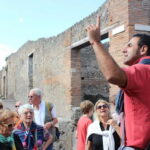
Pompeii changes when you have the right guide. This private 3-hour walking tour is built around an archaeologist guide, with expert context that makes the ruins feel like a living city. You’ll also start smoothly thanks to skip-the-ticket-line entry.
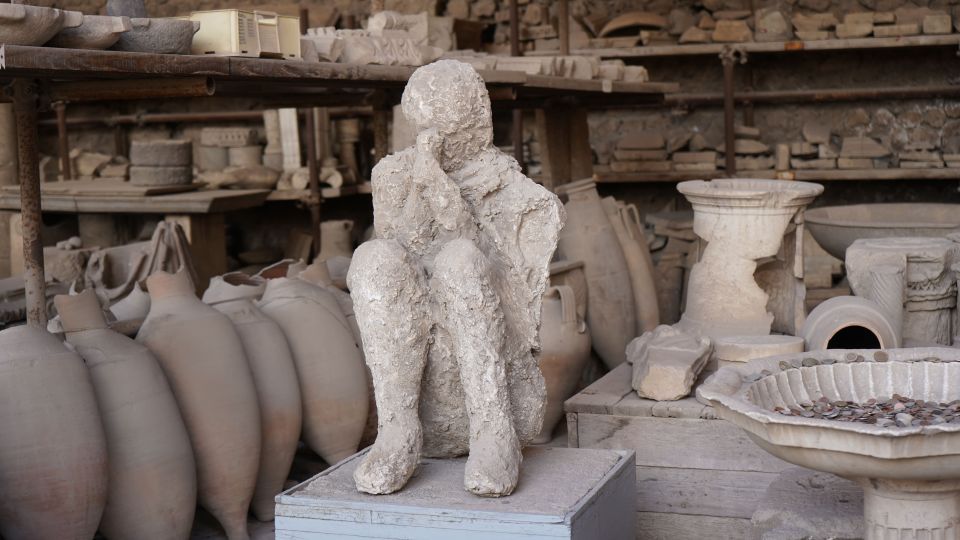
I especially like how the route hits the big public spaces fast, from the Forum area to the markets and civic buildings. The tour’s most unforgettable moment is the chance to see the plaster casts of humans and animals from the time of their deaths.
The one thing to keep in mind is the time limit. With only 3 hours, you’ll see major highlights, but you won’t have time to wander slowly through every street and side chapel you might want to explore.
In This Review
- Key things to know before you go
- From Ashes to UNESCO: What Pompeii Teaches You Fast
- A Private 3-Hour Walk: The Pace and Why It Works
- Where You Meet and How You’ll Get In
- Porta Marina and Villa Mysteries: The City’s Entrance and Its Secrets
- Marina Gate to the Roman Civic Core: Forum, Basilica, and Power in Stone
- Thermal Baths and Leisure Stops: Sarno Baths and the Roman Routine
- Theatres and Amphitheatre: Entertainment as City Identity
- Houses With Personality: Menander, the Faun, and the Veil Between Public and Private
- The Old Brothel and the Street of Food and Drink
- Plaster Casts: The Moment Pompeii Becomes Unforgettable
- Temples and City Beliefs: Apollo, Jupiter, Venus
- Price and Value: Is $508.15 Worth It for a Private Tour?
- Practical Rules, Timing, and What to Pack
- Who This Pompeii Tour Is Best For
- Should You Book This Pompeii 3-Hour Private Walking Tour?
- FAQ
- How long is the Pompeii 3-Hour Walking Tour?
- Is this a private tour?
- What’s included in the price?
- What languages are available for the live guide?
- Do I need to bring ID?
- Are umbrellas and backpacks allowed?
- Is transportation included?
Key things to know before you go
- Private group pace gives you time to ask questions and absorb details without crowd pressure
- Archaeologist-led storytelling connects Pompeii’s daily life to the 79 A.D. eruption
- Forum and civic core plus key temples and major theaters in one compact route
- Plaster casts bring the disaster into focus through human and animal remains
- Thermal baths and a preserved brothel show what Romans did for leisure and sex
From Ashes to UNESCO: What Pompeii Teaches You Fast
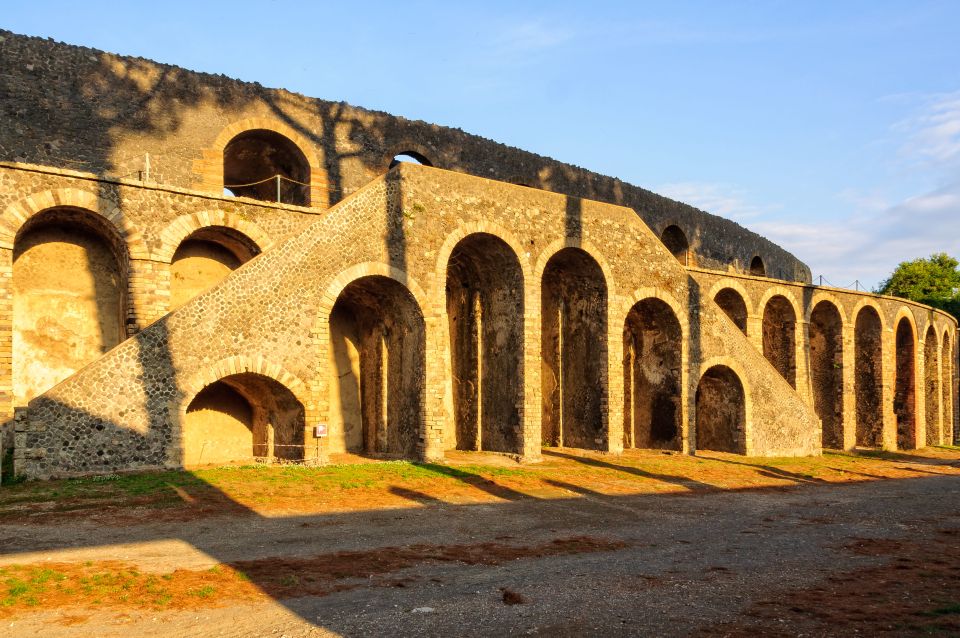
Pompeii is famous for a reason: it was frozen in time. When Vesuvius erupted in 79 A.D., the city was buried under ash and molten material, and that shock of destruction is exactly what preserved buildings, street layouts, and everyday objects. Later, rediscovery in the 18th century turned those ruins into one of the clearest windows we have into Roman life.
That is why having a guide matters so much here. On your own, you can read signs and admire walls. With an archaeologist explaining what you’re seeing, you start to understand how the Romans moved through public space, where they shopped, where they bathed, and how power worked in stone.
And yes, there’s a bigger reason Pompeii made UNESCO’s World Heritage list. The site represents a complete and vivid snapshot of society and daily life at a specific moment in the past—something UNESCO notes as without parallel anywhere in the world. This tour is built to help you feel that snapshot, not just admire it.
You can also read our reviews of more walking tours in Pompeii Archaeological Site

A Private 3-Hour Walk: The Pace and Why It Works
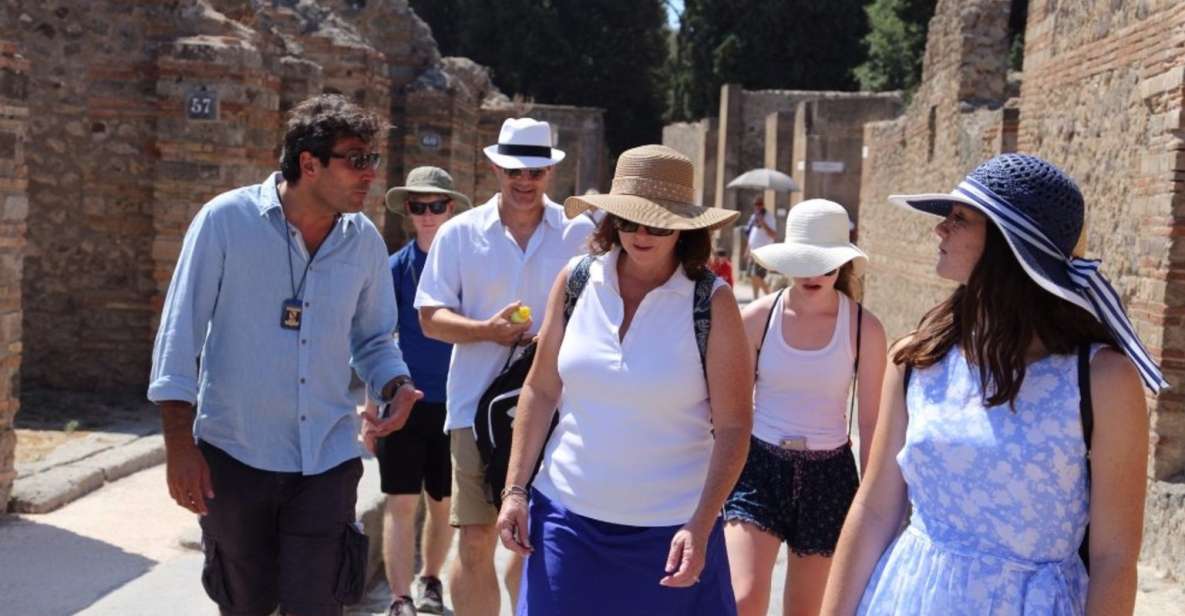
This is a private walking tour that runs about 3 hours at your chosen start time. That time box shapes everything: you get a curated route through the most meaningful areas, without feeling like you’re racing a marathon across uneven stones.
You’ll cover a lot of ground because Pompeii is structured around districts and “anchors” like gates, forums, baths, temples, and theaters. Your guide’s job is to connect the dots: what each building was used for, how it fit into the city’s rhythm, and what changed because of the eruption.
One practical plus: you’ll skip the ticket line. That helps a ton in peak seasons, when delays can steal your sightseeing time.
Where You Meet and How You’ll Get In
Your meeting point can vary depending on the option you book, with two start addresses on Via Villa dei Misteri (Via Villa dei Misteri, 2 or Via Villa dei Misteri, 3). The tour ends back at the meeting point, so you’re not stuck figuring out where you left off.
Inside Pompeii, you’re walking through outdoor ruins, so comfort matters. Bring passport or an ID card as required. Also plan to follow the site rules: no pets (assistance dogs allowed), no umbrellas, and no backpacks.
Because the tour runs in any weather, pack for reality, not hopes. If rain is possible, a raincoat is the smart choice here. The operator suggests rain protection in bad weather, but umbrellas aren’t allowed, so plan accordingly.
Porta Marina and Villa Mysteries: The City’s Entrance and Its Secrets
Most Pompeii tours feel like a guided tour of buildings. This one also works like a guided tour of emotions, because you start with the city’s hard edges and move toward the personal stories later.
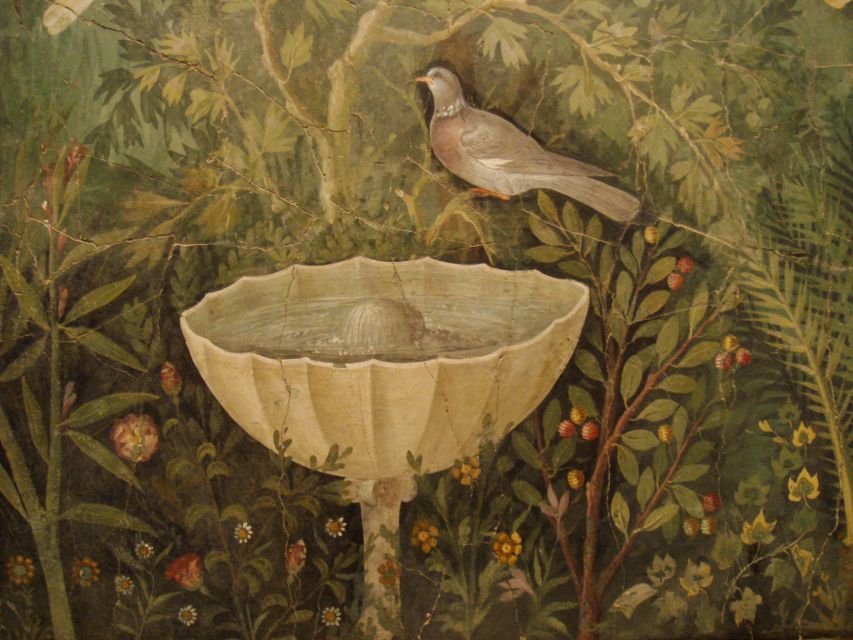
You’ll begin with the Porta Marina area, the kind of entry point that hints at commerce and movement. From there, the tour steps into major showpieces, including the Villa of the Mysteries. That stop is valuable because it’s not just “a pretty ruin.” It helps you understand how Pompeians decorated, believed, and used private spaces to project identity.
Think of this part of the route as setting your mental map. By the time you reach the civic heart, you’ll already understand how the city’s different zones connect.
Marina Gate to the Roman Civic Core: Forum, Basilica, and Power in Stone
Pompeii’s public life is most visible in the spaces where people gathered, argued, traded, and celebrated. Your tour’s route through the Forum area gives you that context quickly.
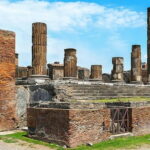
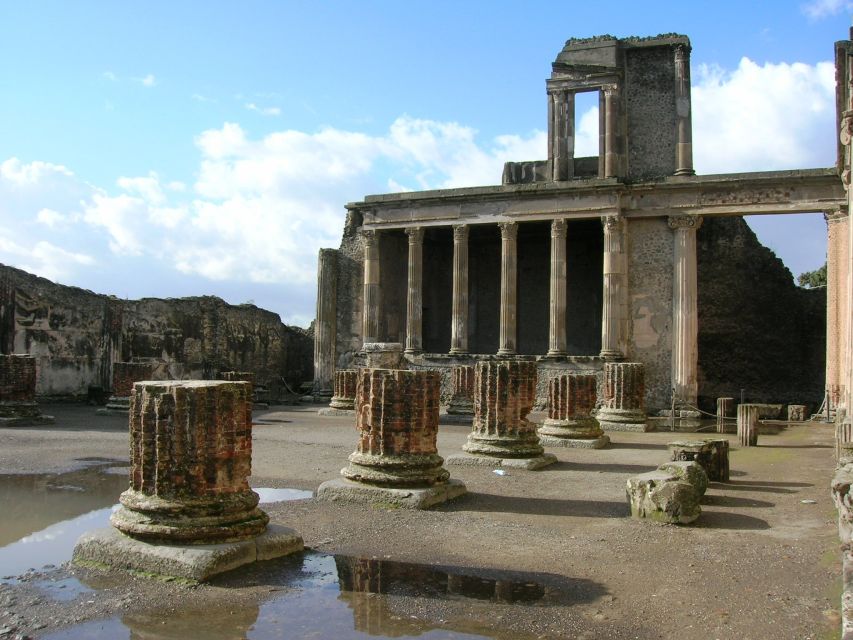
You’ll visit the Foro Civile di Pompei and the Basilica (the court-house). These aren’t generic “ruins of importance.” A guide will explain how the Romans used civic architecture to manage public business and social hierarchy. It’s where law and public speaking would have mattered.
You’ll also see the Triangular Forum and other Forum-related spaces in the wider complex. The payoff is that you begin to notice patterns: how entrances and walkways funnel crowds, how building placement signals importance, and how the city’s design supports both ceremony and everyday activity.
If you like history that you can picture in motion, this is the section to lean into. You’re learning not only what the buildings were, but what it felt like to navigate them.


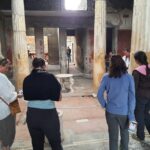
Thermal Baths and Leisure Stops: Sarno Baths and the Roman Routine
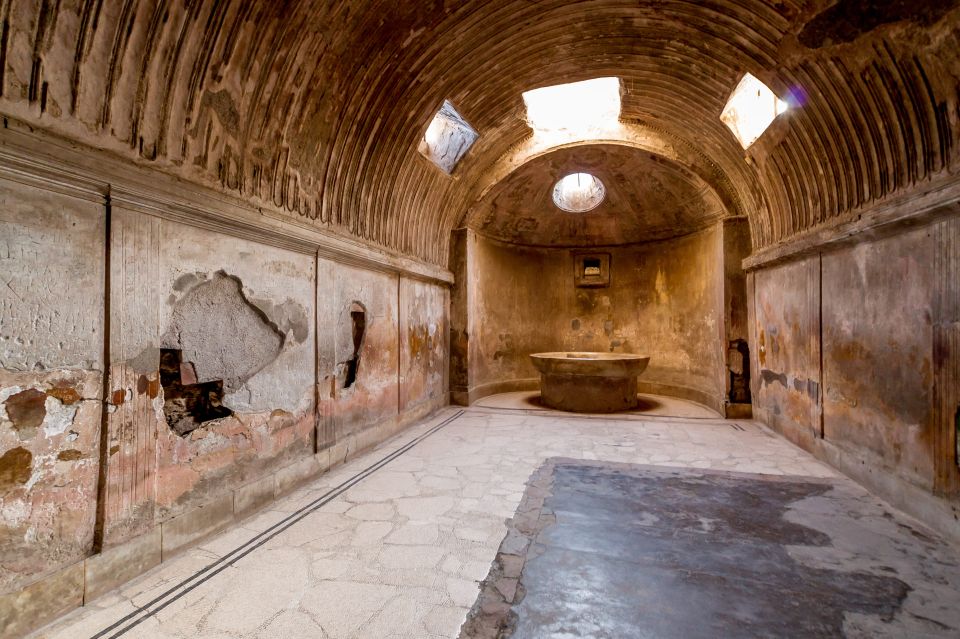
Roman life wasn’t only politics and temples. Pompeii shows daily rhythm in leisure spaces, and your tour includes major bath areas such as the Sarno Baths and Forum Baths.
This is one of my favorite kinds of cultural tourism experiences because baths are where you can connect architecture to routine. You’re not guessing. Bath complexes were built for repeated use—cleaning, socializing, relaxing—and that makes them a strong clue to how people spent time.
The tour also includes stops tied to everyday streetside life, where locals would have gathered to eat, drink, and socialize. You’ll get exposure to places like the Termopolium Capuano (a type of Roman refreshment counter). Even if you don’t see the food itself, you get a sense of the commerce around it.
Pro tip for getting more from these stops: pay attention to flow—entry points, service areas, and how a person would move through the space. Your guide can point out what makes the layout make sense.
Theatres and Amphitheatre: Entertainment as City Identity

Pompeii isn’t just grim. It’s also a place where people went to watch shows.
Your route includes major performance venues like the Teatro Grande, the Odeion (the small theatre), and the Large Theatre. You’ll also visit the Amphitheater of Pompeii, which is one of the clearest signals of how serious the city was about public spectacle.
These stops are worth it because theatres and amphitheatres are social engines. They tell you who gathered where, how crowds organized, and how city leaders used entertainment to build community and legitimacy.
And since this tour is only 3 hours, you benefit from a guide choosing the performance sites that best anchor the story instead of spreading your time across too many smaller structures.
Houses With Personality: Menander, the Faun, and the Veil Between Public and Private
Here’s where Pompeii becomes personal. Your tour includes multiple house interiors and exterior elements tied to status and domestic life, including the House of Menander and the House of the Faun.
Seeing houses like these matters because Romans weren’t living only in apartments and streets. They had spaces that expressed taste, wealth, and family identity. Your guide helps you see what’s “just wall remains” versus what reflects layout, function, and daily habits.
You’ll also visit other notable houses such as the House of the Vettii and the House of Tragic Poet. Even if you’re not an art expert, these stops help you read Pompeii like a map of social life. You start seeing why certain rooms faced the street or why some spaces were more private than others.
When the guide connects these houses to what you saw earlier in the Forum and baths, the city stops feeling like separate attractions. It becomes one system: public meeting spaces on one side, private identity on the other.
The Old Brothel and the Street of Food and Drink
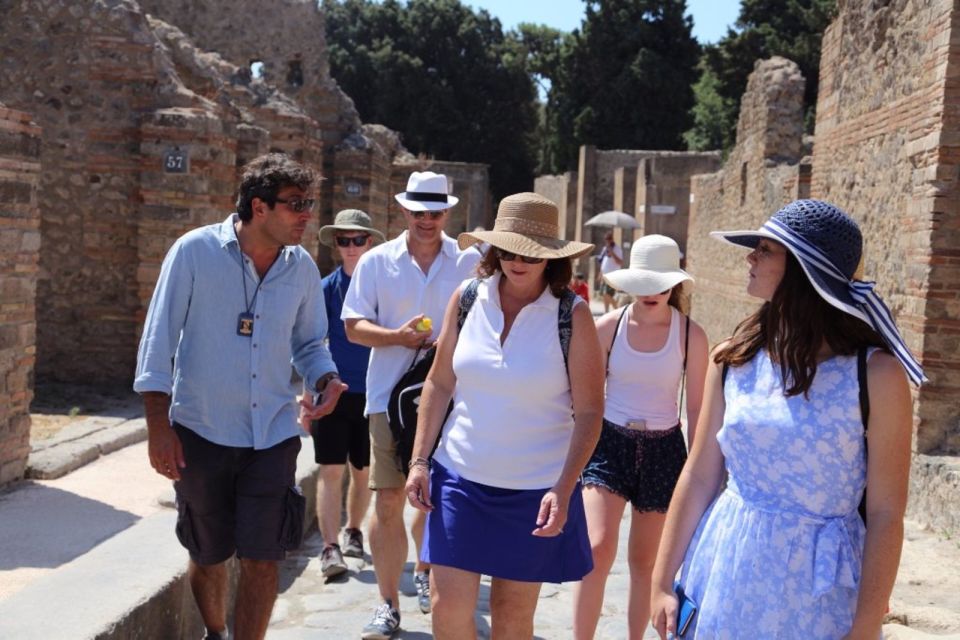
Yes, your route includes the Lupanare, Pompeii’s old brothel. This stop can feel uncomfortable at first, but it’s also historically important. You get a window into how Romans understood sex work and how commercial activity worked in an urban setting.
If you’re the kind of traveler who wants authenticity (even when it’s not polite), this is one of the most honest parts of Pompeii. Your guide’s job is to keep it grounded in context rather than sensational detail.
Your tour also includes street-life stops like a bakery area and refreshment spots such as the Termopolium Capuano. The result is a Pompeii you can almost hear: vendors, customers, chatter, and the constant hum of city commerce.
Plaster Casts: The Moment Pompeii Becomes Unforgettable
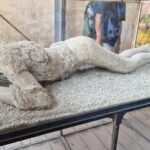
The most powerful learning on this tour is the section featuring plaster casts of humans and animals at the time of their death. These casts are emotionally heavy, but they’re also intellectually important because they translate destruction into bodies, shapes, and positions—turning catastrophe into something you can actually grasp.
I like that your archaeologist guide frames what you’re seeing. The goal isn’t shock. It’s understanding the eruption’s impact and how quickly life changed.
If you tend to get overwhelmed by tragedy, prepare yourself a little. Look, then reset with a breath. The rest of Pompeii will still make sense after, because your guide will keep tying these human moments back to the broader city story.
Temples and City Beliefs: Apollo, Jupiter, Venus
Religious architecture often gets treated like background in travel. On this tour, temples are part of the narrative, not a side stop.
You’ll visit key religious sites such as the Temple of Apollo, plus other temple areas connected with beliefs like the Temple of Jupiter and the Temple of Venus. The value here is that you learn how religion blended into daily urban life—through public rituals, community identity, and the city’s sense of order.
If you enjoy seeing the logic behind sacred spaces, this portion is a great match. Your guide can connect these temples to what you saw in civic areas, so the city’s worldview feels consistent instead of random.
Price and Value: Is $508.15 Worth It for a Private Tour?
This tour costs $508.15 per group up to 1 and includes private guidance plus Pompeii admission fees. For solo travelers, the price can feel steep compared with group tours. But value isn’t only about price—it’s about what you actually get in 3 hours.
Here’s why the cost can make sense:
- Private guidance from an archaeologist guide means you’re not sharing attention with strangers
- Skip the ticket line protects your limited sightseeing window
- The route is tightly designed to cover major anchors: Forum spaces, baths, theatres, temples, houses, the brothel, and plaster casts
- You get multiple languages available (English among them), which improves the odds you’ll truly understand every stop
If you’re the type of traveler who wants to learn something real and not just take photos, this is often a smart spend. If you’re traveling on a strict budget, you could save money with a group tour. But you’d trade away some of the focused pacing and question time that make Pompeii click.
Practical Rules, Timing, and What to Pack
This is a walking tour through archaeological ground, so plan for steady walking and some uneven surfaces.
Bring:
- Passport or ID card
- Comfortable walking shoes
Leave behind:
- Umbrellas (not allowed)
- Backpacks
- Pets (assistance dogs allowed)
Gear for rain:
- The tour runs in any weather, and the operator recommends rain protection. A raincoat is the safer choice since umbrellas aren’t permitted.
Language choices:
- The live guide can work in Spanish, German, Russian, Chinese, English, Italian, Japanese, Portuguese. If language is important for you, confirm it when booking so you don’t lose time translating.
Who This Pompeii Tour Is Best For
This Pompeii 3-hour private walk is a great fit if you:
- Want a high-impact route without figuring out the best order of ruins yourself
- Prefer learning from an archaeologist guide with clear explanations
- Care about both public city life and private domestic life
- Are interested in the more human side of Pompeii, including the plaster casts
- Travel with limited time and still want the key highlights: Forum, baths, theatres, temples, houses, and the Lupanare
If you’re the type who loves going off on long side paths and staying in one area for hours, you might find 3 hours limiting. In that case, you may want a longer private option—if available—or plan a second visit on your own.
Should You Book This Pompeii 3-Hour Private Walking Tour?
I’d book it if you want Pompeii to feel like a story you can follow, not a scavenger hunt of ruins. The combination of private guidance, skip-the-line entry, and a route that covers everything from civic buildings to baths, theatres, houses, and the plaster casts makes the time count.
I’d think twice if you’re on a tight budget or if your dream Pompeii day is pure wandering with no structure. For everyone else, this is a strong way to get the big lessons of Pompeii without losing your day to logistics.
FAQ
How long is the Pompeii 3-Hour Walking Tour?
The tour lasts about 3 hours.
Is this a private tour?
Yes, it’s a private group tour.
What’s included in the price?
The price includes private guidance and Pompeii admission fees.
What languages are available for the live guide?
The tour offers live guides in Spanish, German, Russian, Chinese, English, Italian, Japanese, and Portuguese.
Do I need to bring ID?
Yes. You should bring a passport or ID card.
Are umbrellas and backpacks allowed?
No. Umbrellas and backpacks are not allowed.
Is transportation included?
No, transportation is not included.