REVIEW · POMPEII ARCHAEOLOGICAL SITE
Pompeii: Exclusive Tour with Archaeologist and Entry Tickets
Book on GetYourGuide →Operated by Grand Tour Experience · Bookable on GetYourGuide
Pompeii can feel overwhelming fast. This 2-hour archaeologist-led tour keeps it focused, starting at Porta Marina and routing you through the big sites plus lesser-seen corners. What I like most is that you don’t just look at ruins—you get the why behind them, from the people who worked on-site; guides like Livio and Antonio are praised for making Roman life click. One thing to consider: the pace is efficient, so if you want to linger in every room, you may feel a bit rushed.
My favorite part is the way the tour is built around your time. You get skip-the-line entry with an express ticket, plus headsets so explanations stay clear even when the crowd noise spikes. And because it’s a small group (with a private slot available), you’re more likely to ask questions and get answers that actually fit what you’re standing next to. The stop order also helps you connect city life from street to forum to homes without a lot of backtracking.
The main drawback is simple: Pompeii is spread out, and this format is not mobility-friendly (it isn’t suited for wheelchair users or people with mobility impairments). Also, it’s 2 hours in the open—wear real shoes and bring water, because comfort won’t magically appear just because you have a good guide.
In This Review
- Pompeii VIP: what makes this tour work so well
- Where you meet and why it matters: Porta Marina and Pompei Scavi
- The 2-hour logic: seeing the city without getting swallowed by it
- Porta Marina to the Forum: how Pompeii explains Roman public life
- Temples you can name: Jupiter, Apollo, and Venus
- Pompeii’s markets and plaster casts: where the tragedy becomes human
- Baths, mosaics, and daily comfort: seeing leisure and status
- The houses: Vettii and Faun, plus what to look for
- Lupanare and the Theatre District: performance, commerce, and street life
- What guides add that you won’t get from walking alone
- Price and value: why $50 makes sense for this format
- Tour flow: what you’ll cover and what you might still want to see afterward
- Practical tips for your best 2 hours at Pompeii
- Should you book Pompeii VIP with an archaeologist guide?
- FAQ
- How long is the Pompeii VIP tour with an archaeologist?
- Is skip-the-line entry included?
- Where do I meet the guide?
- What’s included in the tour price?
- What language options are available?
- Do I need ID for the tickets?
Pompeii VIP: what makes this tour work so well

- Skip-the-line entry with admission express ticket so you lose less time to queues and more time walking.
- Licensed archaeologist or archaeologist guide who explains what you’re seeing and how excavations work.
- Headsets so you can hear clearly on busy stretches of the site.
- A tight route with iconic stops and off-the-path pauses, from the Forum to the House of the Vettii.
- Human stories at the Macellum plaster casts, not just walls and columns.
- A small group option or private slot, with guides repeatedly praised for pacing and engagement.
Where you meet and why it matters: Porta Marina and Pompei Scavi
The meeting point is outside Porta Marina (the entrance at Pompeii), right in front of the train station area: Pompei Scavi – Villa dei Misteri on the Circumvesuviana line. Your guide holds a sign reading Pompei VIP, which is a lifesaver when you’re juggling station signage and a crowd.
If you’re arriving by train, pay attention to something small that can cost you time: there are multiple Pompei-area stations. Plan your route so you’re walking to the right one the first time, then aim to arrive early enough to stand comfortably, not sprint.
Once you’re inside the gate area, the big win is psychological as much as practical. You start your visit feeling oriented, not lost. Pompeii is a lot of “streets and sudden rooms,” and a good first route makes everything after it easier to understand.
You can also read our reviews of more tours and experiences in Pompeii Archaeological Site
The 2-hour logic: seeing the city without getting swallowed by it
This tour lasts about 2 hours, and that length is the point. It’s long enough to hit the major highlights, short enough to avoid fatigue, and designed so you finish with a clearer mental map of Pompeii than you started with.
You’ll move through civic spaces, markets, homes, and performance areas in a sequence that tells a story: how people organized public life, where they shopped and ate, what they decorated their walls with, and how the eruption changed everything.
I also like that it doesn’t treat Pompeii as one museum hall. The stops are spread out, so you get the feeling of walking through a real city block by block—just with guidance that saves you from guessing what you’re looking at.
Porta Marina to the Forum: how Pompeii explains Roman public life
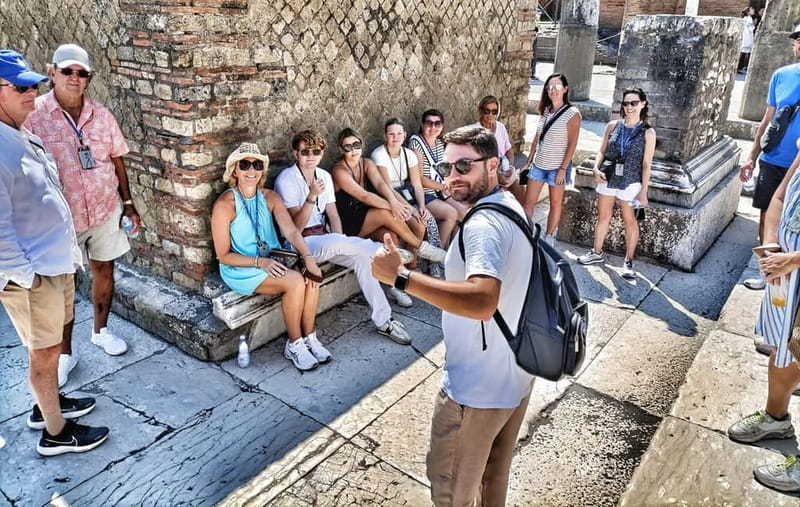
You begin at Porta Marina, an actual Roman gate still standing. That’s not just a dramatic start—it’s a quick way to anchor you in the scale of the city. You’re not looking at ruins from the outside; you’re stepping into the same approach Roman visitors would have taken.
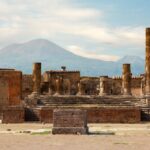
Next come the political and civic center stops, including the Basilica and the Forum (Foro Civile di Pompei). This is where the guide’s job really shows. Instead of listing dates, they connect the space to behavior: where people gathered, where decisions got made, and how a day in Pompeii would move from public speech and business to everyday living.
A small but important practical detail: the tour is set up to help you avoid crowds as much as the site allows. Even with a good entrance ticket, Pompeii bottlenecks at popular areas. A guide who knows where to steer you next can make the difference between a calm explanation and a forced squint.
Temples you can name: Jupiter, Apollo, and Venus
You’ll also visit temples dedicated to Jupiter, Apollo, and Venus. This is one of the best sections for first-timers because it helps you read the “religion layer” of the city. Pompeii wasn’t just homes and shopping; it was also ritual space, with buildings that signal rank, patronage, and belief.
In practice, these stops work well because they’re short and visual. You can focus on the forms—fronts, altars, and architectural cues—while the guide fills in what mattered to Pompeians beyond the stones.
If you’re into word origins and everyday connections, you’re likely to appreciate how guides bring up language and culture while you’re standing in the actual setting. Several guides—like Ricardo—get praised for this kind of extra interpretation, which makes the temple visits feel less like a worksheet.
Pompeii’s markets and plaster casts: where the tragedy becomes human
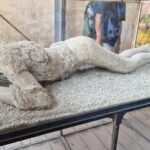
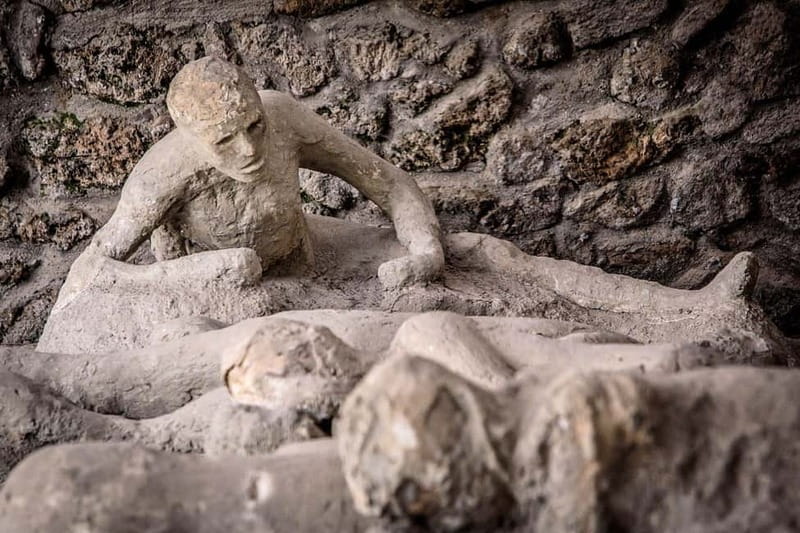
The route includes the Macellum, Pompeii’s market area, and this is where the experience turns emotionally sharp. You’ll see plaster casts associated with the victims. They’re not comfortable to look at, but they’re also one of the few ways the eruption becomes personal instead of abstract.
The value here is context. A guide can explain what the casts represent and how excavations and interpretation work—so you don’t just stare at figures, wondering what you’re seeing. Expect the guide to point out the significance while keeping the focus grounded, not sensational.
Around this part of the route, you’ll also be in the zone of everyday movement: where people shopped and ate. Your tour may reference the Thermopolium tavern and nearby food spots within the broader “market life” theme, which helps you understand why these structures mattered for daily routines.
Baths, mosaics, and daily comfort: seeing leisure and status
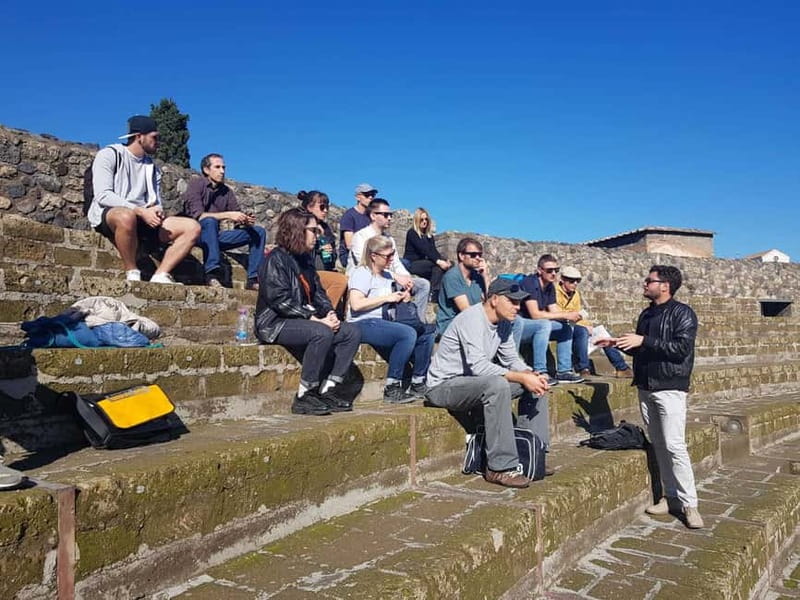
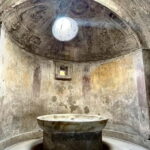
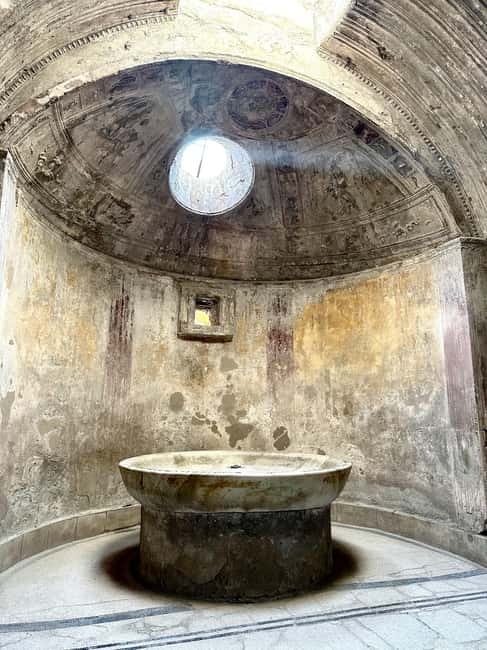
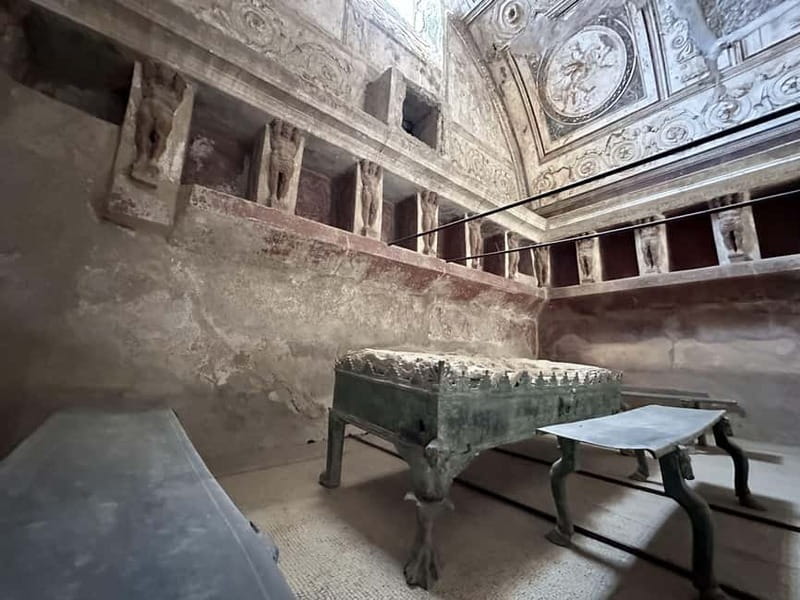
Next you’ll pass through areas tied to comfort and routine, including Forum Baths. Even if you don’t read Latin, you can grasp the “why” quickly: public bathing was social, practical, and tied to status.
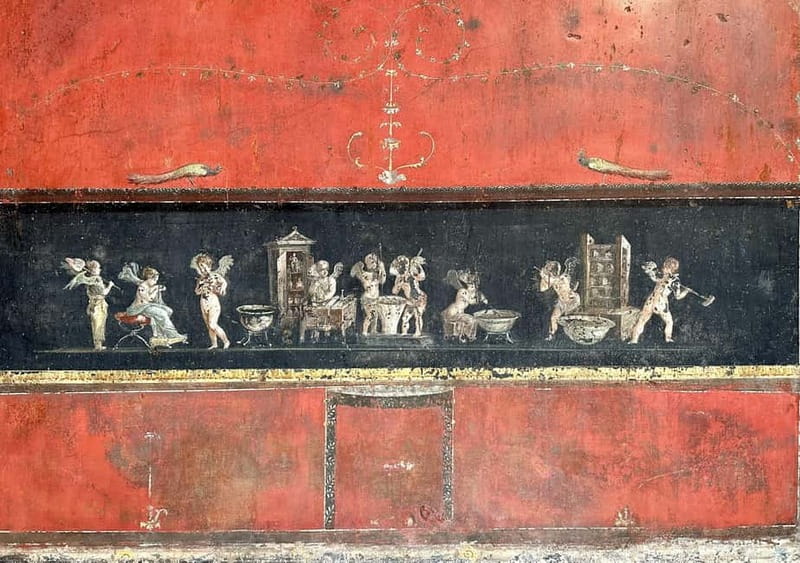
Then comes the art and decoration side—frescoes and mosaics—which is often what makes Pompeii hit hardest for people. It’s easy to assume ruins look plain until you’re actually in the spaces where painted walls and floor patterns survive.
Guides like Raffaelle and Ivan are often praised for balancing big explanations with specifics you can see right then. That’s what you want here: not a lecture you have to mentally translate, but comments that point at details while you’re still looking at them.
The houses: Vettii and Faun, plus what to look for
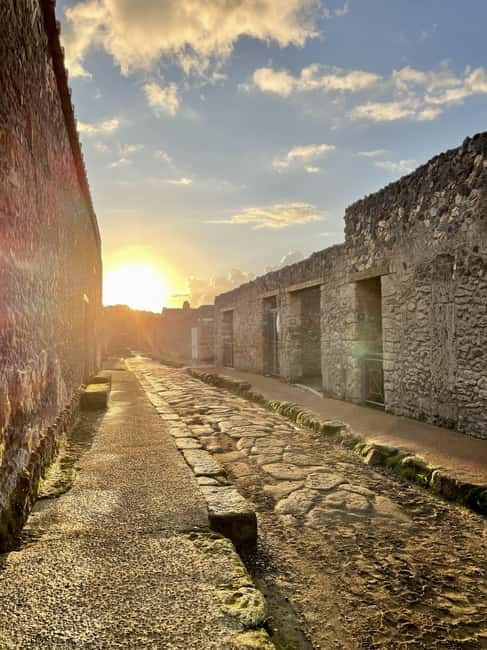
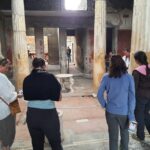
The tour includes major home stops such as the House of the Vettii and the House of the Faun. These houses are famous for good reasons, but the real advantage of a guided format is learning how to “read” them.
When you step into these spaces, you’re seeing more than rooms. You’re seeing how wealthy Pompeians used art for identity—how they signaled taste, education, connections, and even humor through what they chose to display.
You’ll also encounter the House of the Tragic Poet, which adds another layer to the residential story. The pattern across these homes is that the guide helps you connect architecture to lifestyle: where people gathered, where business or visitors would be received, and how decoration reinforced social rank.
Practical note: this is also where you’ll want your eyes open for photo opportunities. Several guests highlight that their guides made time for photos without derailing the schedule, which is exactly how it should feel in a short 2-hour tour.
Lupanare and the Theatre District: performance, commerce, and street life
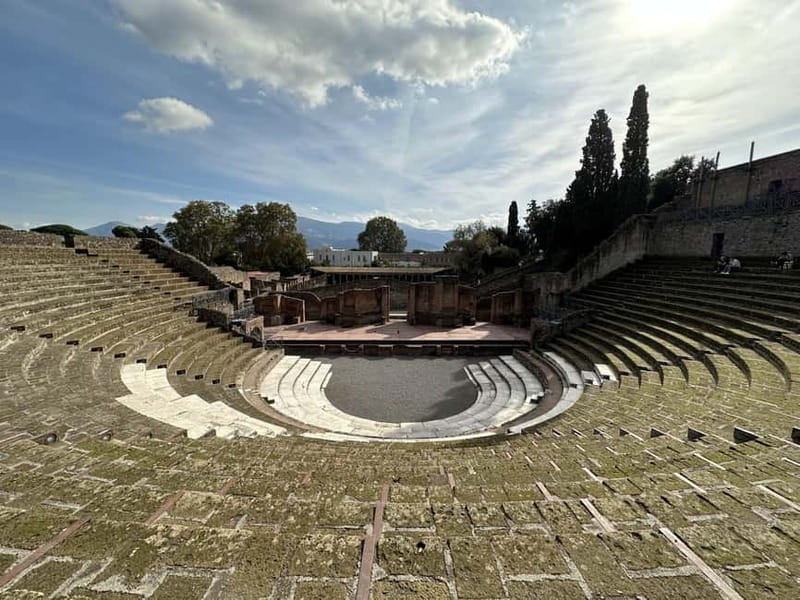
Not every Pompeii tour handles the “street life” side with balance, but this route includes the Lupanare and the Theatre District, including the Large Theatre.
The Lupanare stop can be uncomfortable depending on your comfort level, but it’s also part of understanding the city as a functioning place with a full range of activities. A good guide keeps it historical, explains the setting, and avoids turning it into shock entertainment.
The Large Theatre and performance areas help you see another civic rhythm: gatherings tied to culture, entertainment, and community. This matters because Pompeii wasn’t frozen just as a site of deaths; it was a living city with schedules, events, and local pride.
What guides add that you won’t get from walking alone
A recurring theme in the feedback on guides—people like Livio, Antonio, Ivan, Ricardo, Rafael, and Monica—is how they connect the ruins to real people. That doesn’t mean they tell you myths. It means they point out what a structure likely did, how excavations clarified details, and how daily life would have felt inside these spaces.
You also get headsets, which sounds small until you’re in the crowd. Hearing clean explanations changes the whole experience. Instead of nodding at random facts, you can track what the guide is pointing to as you walk.
And because it’s a guided set route, you’re less likely to miss key areas or waste time guessing. That’s a big deal in Pompeii, where “almost there” can still be hours of wandering.
Price and value: why $50 makes sense for this format
At $50 per person for roughly 2 hours, the value isn’t just the guide—it’s what’s included and how it affects your day.
You’re getting:
- Skip-the-line entry plus a Pompeii admission express ticket
- Licensed archaeologist/guide
- Headset audio
- A small group format (or private slot)
- A wrap-up where the guide points out must-sees after the tour
For many people, the biggest hidden cost of a self-guided visit is time. If you spend even part of your limited day in lines or retracing paths, you lose the chance to see the best parts. Here, the express entry and smart routing help you squeeze the most meaning into the time you have.
Also, Pompeii is the kind of place where the difference between seeing and understanding is real. Paying for guidance is often the best way to avoid leaving with only a handful of memorized names and instead leaving with a coherent picture of how the city worked.
Tour flow: what you’ll cover and what you might still want to see afterward
This tour hits a wide cross-section:
- Start at Porta Marina
- Civic core: Basilica and the Forum
- Religious spaces: temples for Jupiter, Apollo, and Venus
- Market life: Macellum with plaster casts
- Leisure/routine: Forum Baths
- Big residences: House of the Tragic Poet, House of the Vettii, House of the Faun
- Street/performance: Lupanare and Large Theatre
The schedule also leaves room for you to keep exploring on your own afterward if you want. The guide’s final pointing-out of what to prioritize after the group visit is useful because you won’t be staring at a map, hoping you picked the right next area.
If your goal is to see everything, this 2-hour format won’t do that. But if your goal is to understand enough that the rest of your visit makes sense, it’s a strong fit.
Practical tips for your best 2 hours at Pompeii
Pompeii is stone, slope, and sun. A good tour helps, but your prep still matters.
- Wear comfortable shoes with grip. You’ll be on uneven ground.
- Bring water. This is not the kind of place where you can count on long breaks.
- Expect crowds around the most famous stops; the route is designed to reduce time stuck in them, but you still need a flexible mindset.
- Bring your passport or ID. You’ll need it for the ticketing system.
- Plan around the fact that this isn’t suited for wheelchairs or mobility impairments, so choose accordingly.
One more important detail: the tour requires your full name and surname to be added to the ticket due to anti-reseller rules. You’ll be asked to send the list of participants and ages through the provided messaging channel. Do it promptly so you don’t run into last-minute ticket issues.
Should you book Pompeii VIP with an archaeologist guide?
Book it if you want a fast, well-structured Pompeii visit that gives you context, not just views. The combination of skip-the-line entry, headsets, and a licensed archaeologist guide is the kind of setup that makes a short timeframe feel substantial.
Don’t book it if you need lots of slow time in just a couple spots, or if mobility constraints make long walking and uneven ground a problem. In that case, you’ll probably be happier with a different format designed for your pace and access needs.
If you like your history with clear explanations and real guidance—especially the human side of the eruption at the plaster casts—this tour is an easy yes. You’ll leave with more than photos. You’ll leave with a Pompeii you can actually picture.
FAQ
How long is the Pompeii VIP tour with an archaeologist?
It lasts about 2 hours.
Is skip-the-line entry included?
Yes. Skip-the-line entry tickets and a Pompeii admission express ticket are included.
Where do I meet the guide?
Meet outside Pompeii’s Porta Marina entrance, in front of the train station Pompei Scavi – Villa dei Misteri (Circumvesuviana). Your guide will hold a sign that says Pompei VIP.
What’s included in the tour price?
Included are the express entry tickets, the archaeologist/licensed guide, small group setup (or private slot), and headset devices for better listening. Food and drinks are not included.
What language options are available?
The live guide is available in English, Italian, French, and Spanish.
Do I need ID for the tickets?
Yes. You must bring a passport or ID card for adults and children, and photo ID is acceptable. The ticketing system also requires your full name and surname to be added.