REVIEW · POMPEII ARCHAEOLOGICAL SITE
Pompeii: Entry Ticket with Optional Audio Guide
Book on GetYourGuide →Operated by GetYourGuide Tours & Tickets GmbH · Bookable on GetYourGuide
Pompeii hits hard because it feels real. I like the reserved entry that helps you get moving fast, and I like the audio guide for keeping the site intelligible while you wander. One thing to plan for: signposting and audio stops can be a little confusing, and some buildings may not be accessible.
What makes this ticket work so well is the pacing. You can stay loose and explore streets, markets, baths, and temples in whatever order fits your energy level. I also appreciate the practical extras like free luggage storage and a wheelchair-accessible route.
If you hate walking or you want a tightly choreographed plan, you may feel the need for a guided tour. Pompeii is big, and even with an audio guide, you’ll still be walking.
In This Review
- Key highlights worth centering your day on
- Why a reserved Pompeii ticket matters at the gates
- Pompei Express vs Pompei+: what you actually get
- Pompeii Express: ancient city only
- Pompei+ : ancient city plus suburban villas
- Don’t ignore the last-entry times
- Audio guide realities: pickup, languages, and headphone rules
- Languages and formats
- Headphones: not optional in practice
- Deposit requirements
- A smart tip from the field
- Entering the ancient city: streets, baths, temples, and theater time
- Start with the “daily life” clues: the market and street scenes
- Public baths and mosaics: the detail lovers’ payoff
- The House of the Faun: Hellenistic flavor in Roman streets
- Amphitheater: imagine the noise
- Temples: Venus, Apollo, and Jupiter
- Villa Mysteries moments (even if you choose Express)
- The best-preserved ruins that anchor your route
- Villa of the Mysteries: frescoes and elite life
- Villa of Diomedes and Villa Regina
- “Petrified bodies” and the furthest walking reality
- Time and pacing: how long you need for real satisfaction
- Comfort and logistics that can make or break the day
- Free luggage storage
- Shoes and water
- Toilets: use a map, not guesswork
- Use the site flow with the audio map
- Who should book this ticket, and who should upgrade
- You’ll likely love it if:
- Consider a different approach if:
- Wheelchair access
- Should you book this Pompeii entry ticket with audio guide?
- FAQ
- What is included with the Pompeii entry ticket?
- What’s the difference between Pompei Express and Pompei+?
- Where do I pick up and return the audio guide?
- What languages are available for the audio guide?
- Do I need headphones for the audio guide?
- What is the last entry time for Pompei+?
- Is the site wheelchair accessible?
Key highlights worth centering your day on
- Fast entry with a reserved ticket that can reduce the worst of the gate-line stress
- Two ticket types: Pompeii Express for the ancient city only, or Pompei+ that adds suburban villas
- Audio guide pickup at Porta Marina Superiore so you can start in the right flow
- Big “wow” sights like the amphitheater and the best-preserved villas
- Practical touring help like free luggage storage and frequent toilets
Why a reserved Pompeii ticket matters at the gates
Pompeii is one of those places where lines can eat your day. This ticket is built for smoother entry because you’re showing a reserved entry voucher and then starting your visit on your timeline. Several people noted that getting the voucher and finding the entrance process is quicker when you’re prepared and focused.
Here’s the practical move that helps: when you arrive, don’t just follow the first crowd. Use the signage, and if one gate looks choked, you might find a better route at the other entrance. That sounds minor, but at Pompeii it can save real minutes, especially in peak season.
Also, the meeting point can vary depending on what you booked. That means you should double-check your exact starting instructions before you head out. Pompeii’s perimeter roads and entrances can be easy to misread if you’re arriving with limited time.
You can also read our reviews of more tours and experiences in Pompeii Archaeological Site


Pompei Express vs Pompei+: what you actually get

You’re choosing between two levels of Pompeii, and it changes what your money buys.
Pompeii Express: ancient city only
The Pompei Express option covers the ancient city. It does not include the suburban villas such as the Villa of the Mysteries. If you want the classic “streets and public life” Pompeii feeling, this option can be a good fit because it keeps the scope focused.
Pompei+ : ancient city plus suburban villas
The Pompei+ option includes the ancient city and adds suburban villas:
- Villa of the Mysteries
- Villa of Diomedes
- Villa Regina in Boscoreale, plus the Antiquarium
This is the choice I’d make if you care about the painted walls, wealthier homes, and the “how they lived” details beyond temples and markets. A review specifically praised Pompei+ for the extra visibility of the Villa of Mysteries and its frescoes.
Don’t ignore the last-entry times
For Pompei+, the last entry time matters:
- Winter (1 Nov–31 Mar): 3:30 p.m.
- Summer (1 Apr–31 Oct): 5:30 p.m.
If you’re booking late-day slots, Express is often safer for fitting everything into daylight. But if you buy Pompei+ and then arrive too close to closing, you may rush the very villas you paid for.
You can also read our reviews of more guided tours in Pompeii Archaeological Site



Audio guide realities: pickup, languages, and headphone rules
The audio guide is optional, but it’s one of the best ways to turn ruins into a story you can follow. The biggest “how-to” detail: audio guides can only be picked up and returned at the park’s official audio guide desk near Porta Marina Superiore. That’s inside the Pompeii archaeological site area, by the audio guide desk near the ticket office.
Languages and formats
You can choose between:
- A physical audio guide (if you select that option), and
- A digital audio guide available in multiple languages.
The language options listed include English, Italian, Chinese, Japanese, Portuguese, Russian, German, and French.
Headphones: not optional in practice
Headphones are not included. And one key warning: Bluetooth headphones don’t work with the audio guide device. Bring wired headphones if you’re using a device that expects a direct connection. People also flagged that the system can be hard to use at first, and one person said the guide didn’t track their location correctly. So give yourself a moment early on to get oriented.
Deposit requirements
A valid ID may be required as a deposit to rent the audio guide device. If you show up without an ID, you may be stuck during pickup.
A smart tip from the field
One review described the audio setup as a smartphone-style guide with a map and location support. If your version includes GPS/map guidance, use it for orientation. If not, treat the audio guide as more of a narrative tool than a navigation guarantee.
Entering the ancient city: streets, baths, temples, and theater time

Once you’re through, the structure of Pompeii is what makes self-paced touring feel rewarding. You’re not stuck in a line to see one room after another. You can choose your rhythm.
Here’s what to look for, and why each stop matters.
Start with the “daily life” clues: the market and street scenes
One of the most memorable parts for many people is seeing where Romans grabbed lunch in the market area. That’s the genius of Pompeii: even when you only see stone foundations and worn steps, you can still picture commerce, crowds, and quick meals.
If you’re short on time, don’t waste it chasing everything at once. Spend your first hour connecting the site to everyday life. It makes the later temples and villas much more understandable.
Public baths and mosaics: the detail lovers’ payoff
Pompeii’s public baths can feel like a high point because mosaics and room layouts are often still vivid. Reviews mention seeing intricate mosaics in the baths, and that’s where you’ll get a sense of design priorities: comfort, cleanliness, and social routines.
If you love detail, slow down here. If you’re tired, take a short break and let the audio guide walk you through what you’re seeing.
The House of the Faun: Hellenistic flavor in Roman streets
The House of the Faun gets called out because it connects Pompeii to a wider Mediterranean world. One of the supplied notes mentions it specifically as a Hellenistic place. That’s your clue that Pompeii wasn’t sealed off; it was part of larger cultural currents.
Amphitheater: imagine the noise
The amphitheater is another big “stand here and picture it” site. People noted the thrill of imagining the audience. Even without a show running, the shape of the seating and the open space below help you understand spectacle as a daily expectation for some Romans.
Temples: Venus, Apollo, and Jupiter
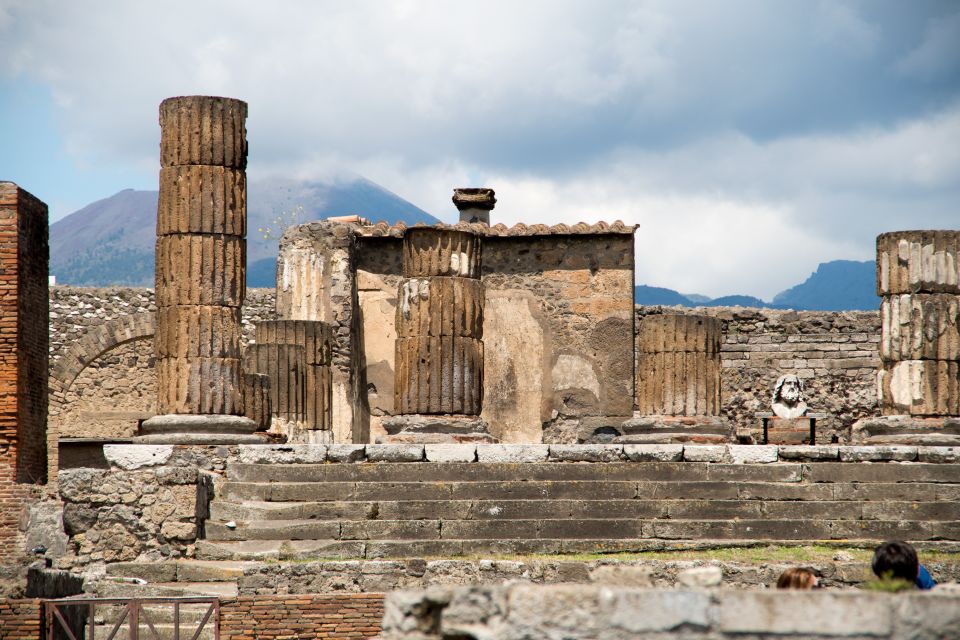
Pompeii’s temples are scattered, but they create a strong backbone for your visit. Reviews specifically mention the temples of Venus, Apollo, and Jupiter. If you want a quick way to avoid feeling lost, aim to hit these early or mid-day. They give you anchors.
Villa Mysteries moments (even if you choose Express)
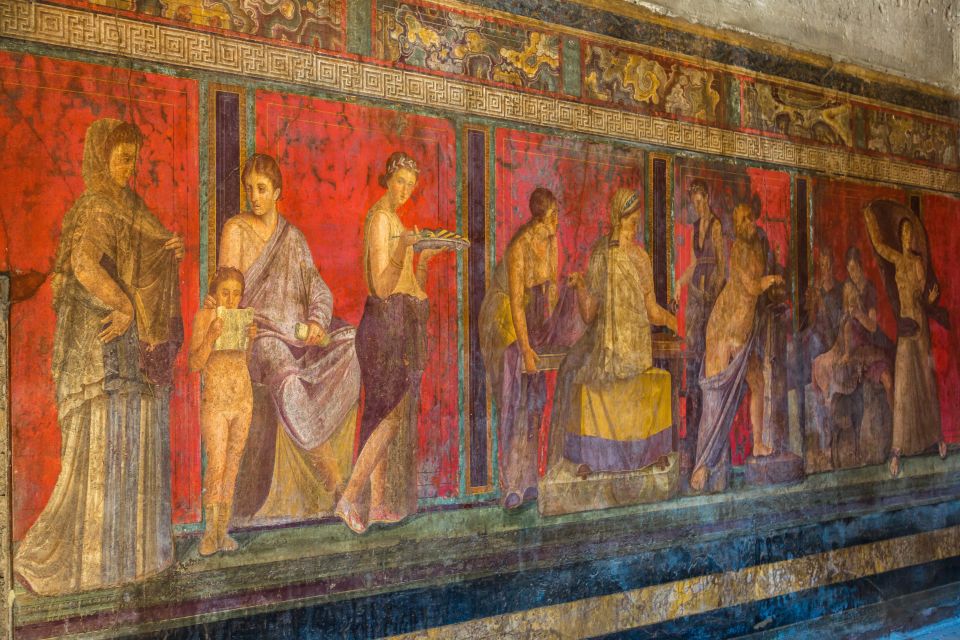
If you book Express, you won’t get the suburban villa included. But you can still feel the residential storytelling of Pompeii through the city’s houses and preserved structures. If frescoes are your priority, Pompei+ becomes the better bet.
The best-preserved ruins that anchor your route
You can roam freely, but you still want a core loop so the day doesn’t turn into “walk, wonder, repeat.” Here are the anchor ruins that tend to anchor people’s memories.
Villa of the Mysteries: frescoes and elite life
With Pompei+, the Villa of the Mysteries is the star. Reviews mention it as well-preserved and highlight frescoes intact. Even if frescoes aren’t your thing, the sheer survival of wall art makes Pompeii feel less like a museum and more like a time capsule.
Villa of Diomedes and Villa Regina
The other two suburban villas in Pompei+ extend the contrast between public city life and wealthier outskirts. You’ll also reach the Antiquarium connected to Villa Regina in Boscoreale, which helps contextualize what you’re seeing.
“Petrified bodies” and the furthest walking reality
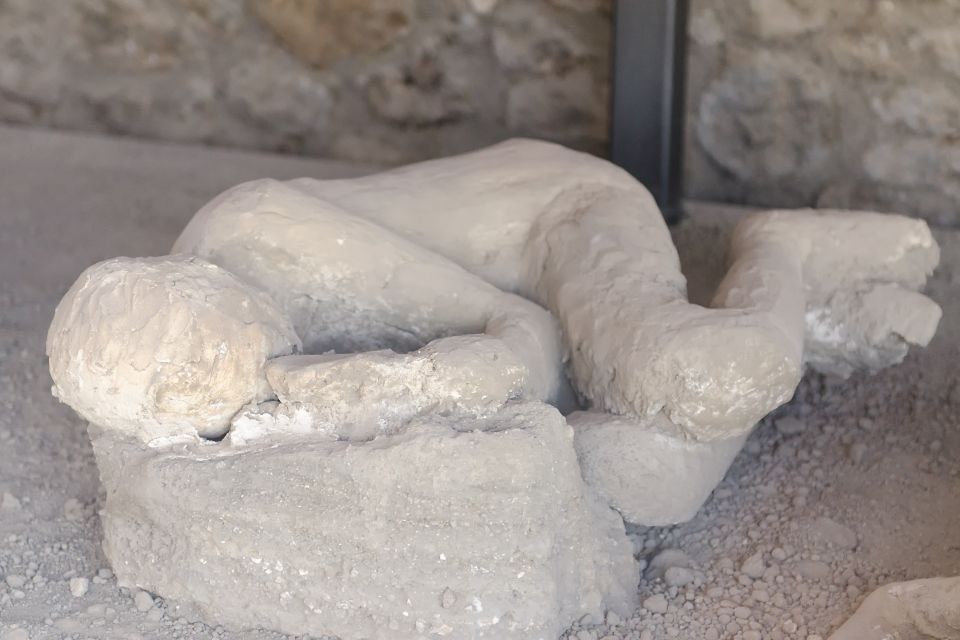
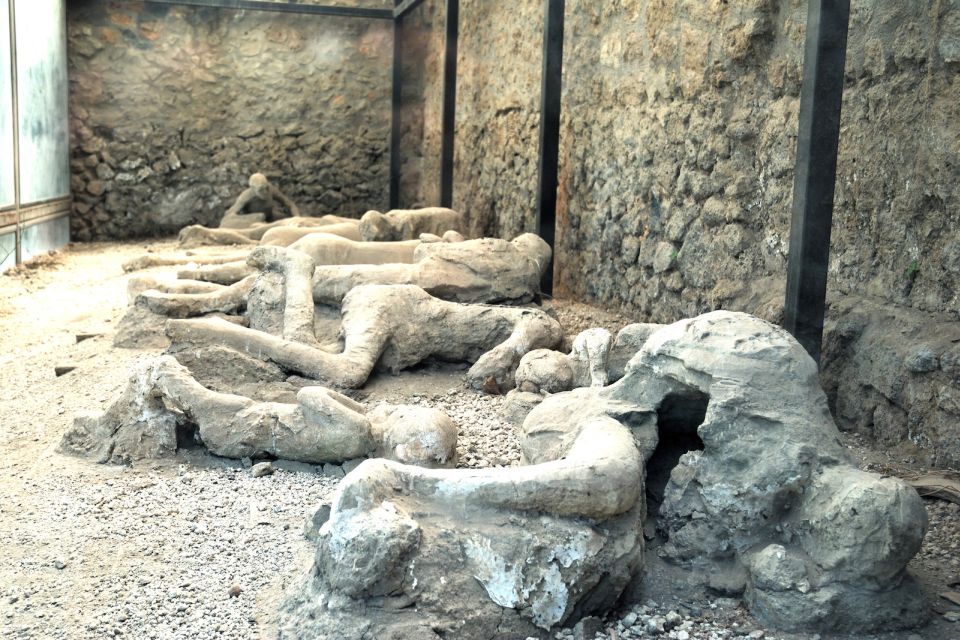
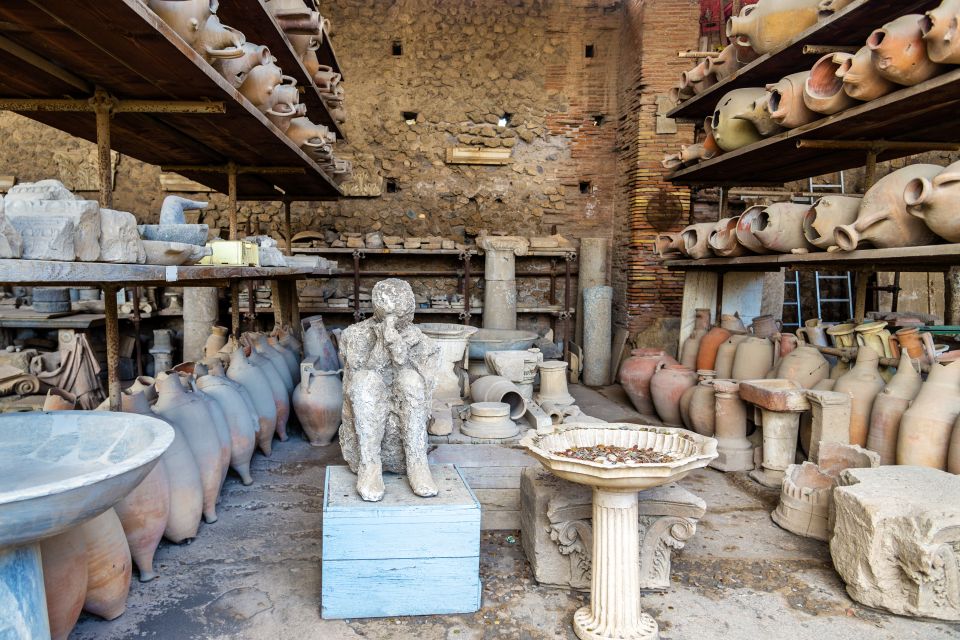
One review notes that the petrified bodies are at the furthest part of the site. This is important because it affects energy planning. If you’re traveling with kids, older travelers, or anyone with mobility limits, you might want to decide early whether that stop is a priority so the later walking doesn’t feel punishing.
Time and pacing: how long you need for real satisfaction
This ticket is valid for one day, and starting times depend on availability. Pompeii is large, and you’re not going to “just see the highlights” in 45 minutes unless your expectations are very low.
Here’s the practical way to plan:
- For a solid highlights visit, people report doing it in about a couple of hours when they arrived at a good time and didn’t get stuck in logistics.
- For a full experience across a large portion of the site, you’ll likely need most of the day. One review flat-out mentions the size and that it took the whole day to explore.
The best approach is to pick a few “must-sees” and then let the audio guide fill in the meaning. If you try to do everything, you’ll spend your energy on movement rather than understanding.
Also, because Pompei+ has a strict last entry time, build your day around that. If you buy Pompei+, you’re paying for extra distances. Give the villas time, not just a photo stop.
Comfort and logistics that can make or break the day

Pompeii can feel hot, windy, and relentlessly walk-heavy. The good news is you can reduce stress with a few smart choices.
Free luggage storage
You get free luggage storage. That matters because you don’t want to carry bags through crowded corridors. Drop your stuff early and keep your hands free.
Shoes and water
Comfort shoe choice is not optional. Reviews emphasize that it’s a hike. Bring water and pace yourself like you’re walking a long museum campus, because that’s exactly what it becomes.
Toilets: use a map, not guesswork
One review praises that there are plenty of toilets but suggests using a map to strike off where they are. That’s real advice. Pompeii’s size makes it easy to lose track of where facilities are, especially when you stop often for viewpoints.
Use the site flow with the audio map
Several reviews describe the audio guide as a map-orientation tool. If your device version provides location support, use it. If it doesn’t, still treat the guide as your “what comes next” checklist.
Who should book this ticket, and who should upgrade

This is a great choice if you want flexibility. You’re not locked into a group schedule, and you can spend more time where your curiosity lands.
You’ll likely love it if:
- You enjoy exploring on your own pace
- You want audio context without paying for a private guide
- You’re visiting as a family and need freedom to slow down
Reviews also emphasize that the ticket is worth it for the cost and that the audio guide helps bring the town to life.
Consider a different approach if:
- You have very limited time and you want someone to manage your route
- You hate any chance of confusion with signage and device setup
- You need very exact directions inside rooms (some people found the audio guide confusing about where to stand)
Also note: some guide descriptions might not match what’s accessible, because not all buildings are open. If you’re a “see every listed room” person, a guided route can help you adjust on the fly.
Wheelchair access
The experience is wheelchair accessible, which is a meaningful plus. Still, Pompeii includes uneven surfaces and lots of walking, so plan for stamina and route constraints.
Should you book this Pompeii entry ticket with audio guide?

If your goal is Pompeii at your pace, with structure you can turn on and off, I’d book it. The value comes from combining reserved entry (so you lose less time) with an audio guide that gives meaning to what you’re looking at. At around $26 per person, it’s a practical way to do one of the world’s most famous ruins without paying for a full guided tour.
Choose Pompei Express if you want an efficient ancient-city day and you’d rather skip the extra suburban distances. Choose Pompei+ if you care about the standout villas, especially the Villa of the Mysteries, and you’re arriving early enough to comfortably meet the last-entry time.
My final advice is simple: wear comfortable shoes, bring wired headphones if you’re using audio gear, and pick your must-sees before you start walking. Do that, and Pompeii feels less like a maze and more like a time machine.
FAQ
What is included with the Pompeii entry ticket?
The ticket includes a reserved entry ticket. You can add an optional audio guide. If you select the audio guide, you get a physical audio guide (if that option is selected) and a digital audio guide is also available in multiple languages.
What’s the difference between Pompei Express and Pompei+?
Pompei Express includes only the ancient city of Pompeii. Pompei+ includes the ancient city plus suburban villas: Villa of the Mysteries, Villa of Diomedes, and Villa Regina in Boscoreale with the Antiquarium.
Where do I pick up and return the audio guide?
Audio guides are picked up and returned at the park’s official audio guide desk near the ticket office, inside Pompeii at Porta Marina Superiore.
What languages are available for the audio guide?
A digital audio guide is listed as available in English, Italian, Chinese, Japanese, Portuguese, Russian, German, and French.
Do I need headphones for the audio guide?
Headphones are not included. Also, Bluetooth headphones don’t work with the audio guide device, so plan on non-Bluetooth headphones.
What is the last entry time for Pompei+?
Last entry time for Pompei+ is 3:30 p.m. in winter (1 November to 31 March) and 5:30 p.m. in summer (1 April to 31 October).
Is the site wheelchair accessible?
Yes, the experience is wheelchair accessible.