REVIEW · NAPLES
Naples: National Archaeological Museum Tour & Digital Guide
Book on GetYourGuide →Operated by inStazione · Bookable on GetYourGuide
Audio that guides your eyes through MANN.
This Naples tour pairs museum entry with a smart digital guide and lets you explore the Farnese Collection on your own schedule, pausing whenever a detail catches your eye. One thing to weigh up: the experience is very phone-dependent, so you’ll want your battery topped up and the audio downloaded before you arrive.
You’ll also get a museum-theater feel: bold architecture, big galleries, and the sense that the place is central to Naples cultural life. The highlights aren’t only inside the rooms either, because you can take in panoramic views of the valley and the ancient temples of Concordia, Juno, and Zeus as part of your visit.
In This Review
- Key things to know before you go
- Naples National Archaeological Museum (MANN): Why this stop is worth your day
- Priority entrance and a smartphone digital guide that keeps you in control
- The Farnese Collection rooms: where sculpture becomes a story
- Herculaneum and Pompeii finds: frescoes, mosaics, and everyday objects
- Egypt in Naples: section variety and what to do when you get bored
- The Secret Cabinet and the “obscene finds” reality check
- Panoramic temple views: making the ancient world feel connected
- A realistic flow for your 1-day visit (no rushing required)
- Price and value: is $40 reasonable for MANN with a digital guide?
- Who should book this, and who should plan a backup
- Should you book this Naples MANN digital guide tour?
- FAQ
- What’s included in the Naples MANN tour?
- Do I need to bring earphones?
- How long is the experience?
- Do I need Wi‑Fi to use the digital guide?
- How do I receive the tickets and guide instructions?
- What should I bring on the day of the visit?
- What happens if I arrive after 6 p.m.?
- Is the activity wheelchair accessible?
- Can I bring pets?
Key things to know before you go
- Priority entrance helps you start your visit faster at one of Naples’ busiest museums.
- Offline audio guide runs on your phone, so you’re not hunting for explanations in crowded halls.
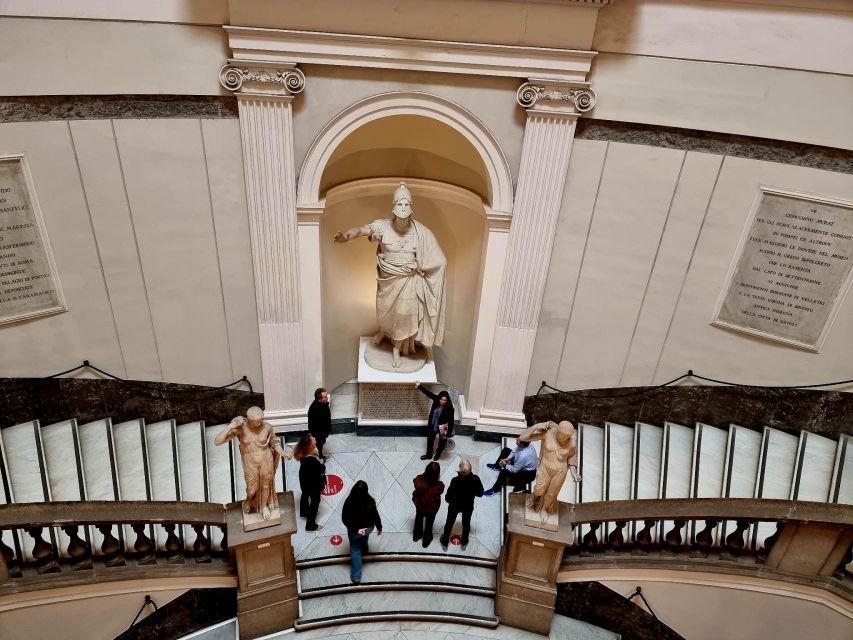
- Farnese Collection focus gives you a clear thread through major masterpieces inherited by the Bourbons.
- Pompeii and Herculaneum artifacts include frescoes, mosaics, statues, and both precious and everyday objects.
- Egyptian section + temporary exhibitions add variety beyond the Roman world.
- Secret Cabinet content exists for a reason, and it may not be your comfort zone.
Naples National Archaeological Museum (MANN): Why this stop is worth your day
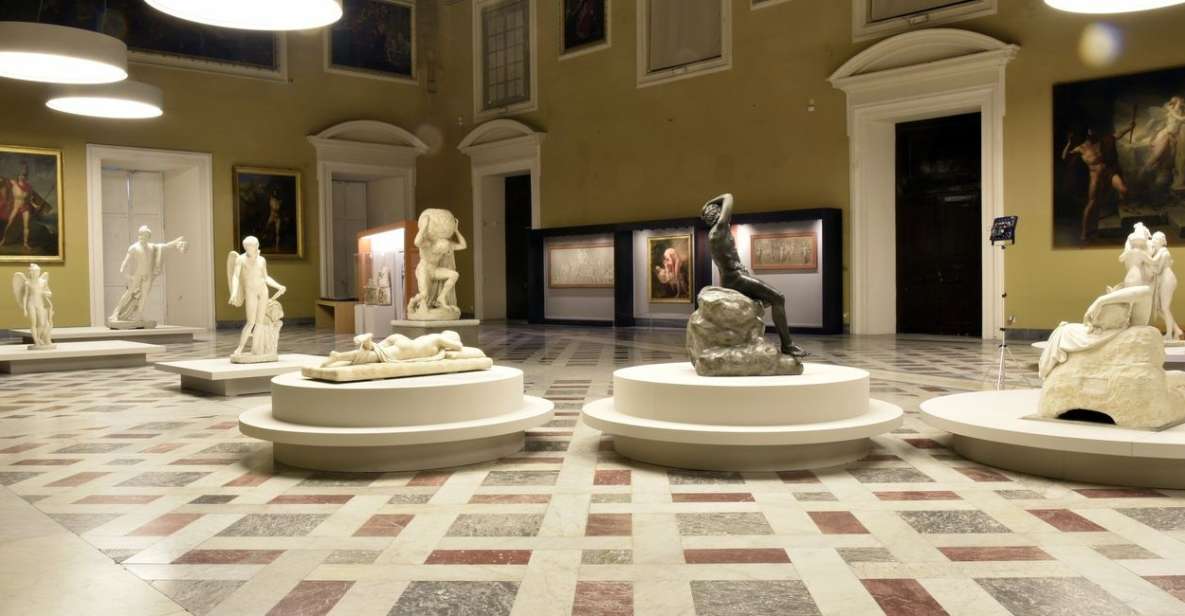
The National Archaeological Museum of Naples (often called MANN) is one of Italy’s big-ticket archaeology destinations, and it’s also a cornerstone for how many people understand classical art and daily life in the ancient Mediterranean. It’s not a small, niche museum where you race through everything in 20 minutes. The building is imposing, the collections are famous, and the museum has played a long role in Naples cultural life.
What you’re really buying with this tour is time and direction. You’re going to see major groups of objects that don’t belong in a generic “best of” list—things like sculpture and art from the Farnese Collection, plus the famous finds from Herculaneum and Pompeii. If you care about what people actually ate, wore, decorated their homes with, or how Romans and Greeks treated mythology and religion, this museum delivers.
The digital guide piece matters because MANN can be overwhelming if you walk in cold. With audio guiding you, you don’t just look at artifacts—you learn why they’re there, and what to notice.
You can also read our reviews of more guided tours in Naples


Priority entrance and a smartphone digital guide that keeps you in control

This tour includes the museum ticket and a smartphone digital guide you download directly onto your mobile phone. The big benefit is autonomy: you explore history at your own pace, instead of forcing yourself to keep up with a scripted group flow.
Also, priority entrance is practical in Naples. Even if you’re not doing a timed route, shaving off waiting time changes how you feel once you’re inside. You’re more likely to wander calmly and actually read what you can.
A key point: the tour instructions stress that you must download the audio guide contents before you start, because the museum doesn’t offer free Wi‑Fi and mobile coverage isn’t always reliable. This is one of those “sounds simple” details that can turn into a frustrating half-hour if you rely on streaming or last-minute downloads.
And plan for audio hardware: earphones are not included. If you show up with no way to listen privately, you’ll either have to use no sound (not ideal) or you’ll need to improvise.
The Farnese Collection rooms: where sculpture becomes a story
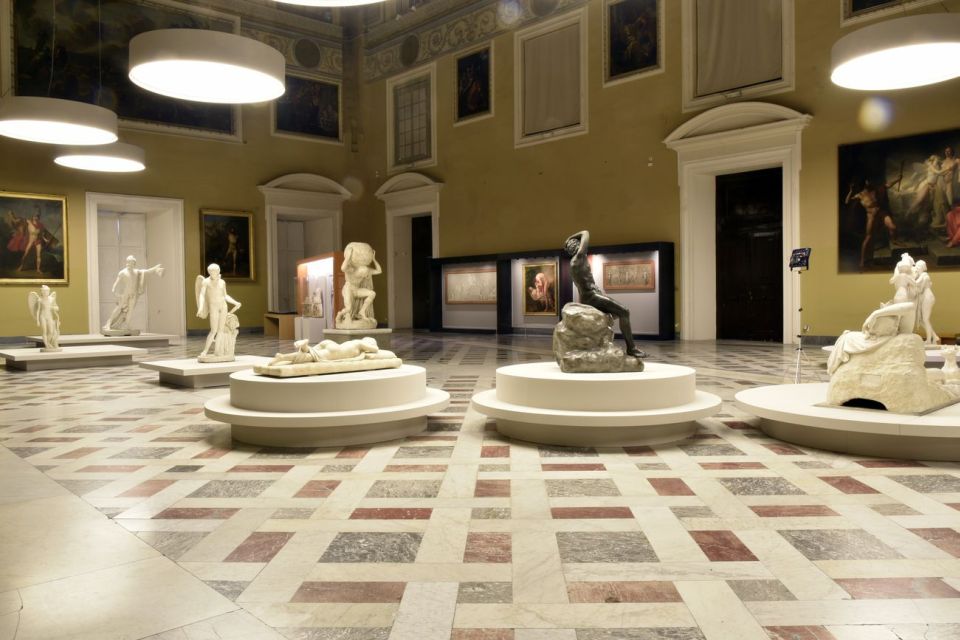
If you want one clear reason this museum is famous, it’s the Farnese Collection masterpieces. This is where the tour’s “inheriting treasures from the Farnese collection” theme becomes real. You’re not just seeing isolated artworks. You’re experiencing how a collection moved through time and taste—ultimately linking older art traditions to later Bourbon-era collecting.
In these rooms, the audio guide helps you slow down. Sculpture in particular rewards quiet attention: it’s easy to miss how artists used composition, pose, and surface to communicate emotion and power. With a guide in your pocket, you’re less likely to just glance and move on.
The upside for you: the guide turns a room full of statues into a sequence. You’ll know what you’re looking at and why it matters, rather than relying on signage alone.
The potential catch is personal: if you prefer quick museum browsing and hate stopping to read or listen, a digital guide can feel like a pacing tool you didn’t ask for. In that case, use the audio as a map—then silence it when you want to enjoy the art without commentary.
Herculaneum and Pompeii finds: frescoes, mosaics, and everyday objects
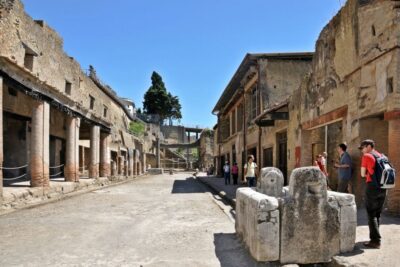
For many people, the emotional core of MANN is what it holds from Herculaneum and Pompeii. This tour highlights the finds you’ll run into—splendid frescoes and mosaics, statues, and both precious and everyday objects.
This is where the museum can surprise you. Visitors often think “ruins” means only large monuments, but the real power of Pompeii and Herculaneum is the texture of life: decorations, materials, small objects that show how people lived when you picture a city as something more than stone.
Frescoes and mosaics are especially worth your time because they’re visual language. They can be technically impressive, but they’re also about taste—what wealthy homeowners liked, how they arranged color, and how they signaled identity through art.
The digital audio guide is useful here because it encourages you to pause at the right moments. Look for the changes in technique, the way a scene is framed, and the details that turn a “famous object” into a specific story.
Egypt in Naples: section variety and what to do when you get bored
MANN doesn’t only focus on the Roman world. This tour includes the Egyptian section, and it also notes temporary exhibitions scheduled throughout the year. That variety can be a lifesaver if you get museum-fatigue after a few hours of marble and wall art.
Here’s how to use that variety smartly:
- Start your Roman highlights first if you’re most excited about them.
- If you feel your brain turning to mush, switch to Egyptian pieces and let your attention reset.
- Keep the audio guide on for the connections it makes, but don’t be afraid to step back and just look.
Temporary exhibitions are a wildcard, but in a museum this size, variety is part of the value. It keeps the day from feeling like one long repetition, even if you’re seeing masterpieces back-to-back.
You can also read our reviews of more museum experiences in Naples






The Secret Cabinet and the “obscene finds” reality check
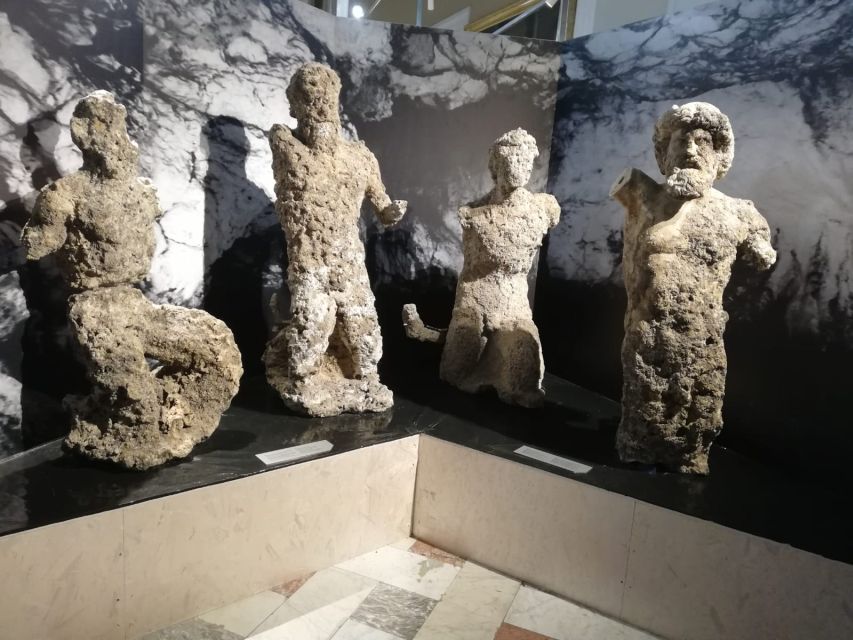
One of the tour’s most specific mentions is the Secret Cabinet, described as welcoming the obscene finds and as testimony of ancient customs related to eroticism. That doesn’t mean it’s a gimmick. It means the museum is honest about aspects of daily life that many cultures in the modern era handle differently.
So before you go, be thoughtful about comfort level. If you’re traveling with kids or anyone who strongly dislikes sexual content, you may want to decide in advance whether you want to see it.
The practical advice: if the Cabinet content isn’t for you, don’t feel like you’re missing the “real” museum. MANN has plenty to offer without focusing on that room. Use the audio guide to steer your visit rather than feeling obligated to see everything.
Panoramic temple views: making the ancient world feel connected
The tour highlights panoramic views of the valley and the ancient temples of Concordia, Juno, and Zeus. That matters because it gives you a broader mental picture. Museums can feel sealed off—one room after another. A viewpoint breaks that spell and reminds you these objects are part of a living geography, not just display cases.
When you plan your day, build in some flexibility. If you try to hit every room like a checklist, you might miss the chance to enjoy the view slowly. Even 10 quiet minutes can help your brain connect sculpture, religion, architecture, and landscape into one story.
A realistic flow for your 1-day visit (no rushing required)
This experience is valid for 1 day, and it’s designed for you to go at your own pace. That means you should plan a route that works with attention, not with stress.
Here’s a sensible order that usually keeps the day satisfying:
- Start with the Farnese Collection to establish the museum’s main artistic thread. If you begin here, you’ll have a stronger baseline for how the collection is organized.
- Move into the Pompeii and Herculaneum rooms while you’re still in “wow” mode. Frescoes and mosaics do best when your eyes are fresh.
- Take a break, then switch to the Egyptian section or a temporary exhibition when you need a reset.
- Decide later about the Secret Cabinet based on comfort. Audio guidance can help you avoid awkward surprises.
- Finish by looking for the panoramic temple views included with the visit, so your last memory isn’t only glass and labels.
Timing tip from the tour instructions: download everything ahead of time. Waiting to download once you’re at the museum is where problems start.
Price and value: is $40 reasonable for MANN with a digital guide?
At $40 per person, you’re paying for two things: the museum entrance and a smartphone digital guide. The value is strongest if you know you’ll use the audio. If you’re the type who reads every plaque and hates wearing earbuds, the guide may feel less worth it. But if you want context without standing in line to ask questions, it’s a good match.
Also consider that earphones and a guide are not included. Budget a small extra for either your own earbuds or a backup purchase. (You don’t want the “I can’t hear anything” moment mid-collection.)
Finally, priority entrance is part of the value equation. In a major museum, time is part of the ticket price you don’t see on the receipt.
Who should book this, and who should plan a backup
This tour is a smart fit if you:
- want self-paced exploration rather than a rigid timetable,
- like having explanations through your phone instead of relying only on signage,
- are excited by Farnese, Pompeii, and Herculaneum highlights,
- can follow the offline download instructions and arrive with a charged smartphone.
It’s less ideal if you:
- show up without reliable phone battery,
- can’t download large files ahead of time,
- hate the idea of managing an app while trying to enjoy the visit.
One more practical caution I’d take seriously: make sure your tickets and audio access actually work before you leave your hotel. The process depends on the provider contacting you the day before (via WhatsApp or email) with ticket files and instructions. If you arrive and your ticket PDF doesn’t clearly let you in, or your audio app doesn’t have the login details you expected, you may need to spend time resolving it. Your best move is to check everything early—screenshots help.
Should you book this Naples MANN digital guide tour?
I’d book it if you want a smooth, independent way to see MANN’s main masterpieces without turning the day into a frantic scavenger hunt. The $40 price makes sense when you’ll use the audio guide, and priority entrance is a real comfort on a busy museum day.
I would hesitate only if you’re worried about phone tech. If you’re confident you can download the audio content in advance and bring charged devices (plus your own earphones), you’ll get a lot out of this format. If that sounds stressful, look for an option that doesn’t depend on offline phone access.
If you do book: charge your phone, download early, and keep your ticket and instructions handy. You’ll spend your energy on the art, not troubleshooting.
FAQ
What’s included in the Naples MANN tour?
It includes the museum entrance ticket and a smartphone digital guide you download to your phone.
Do I need to bring earphones?
Yes. Earphones are not included.
How long is the experience?
It’s valid for 1 day.
Do I need Wi‑Fi to use the digital guide?
You should download the guide content before you start. The museum doesn’t have free Wi‑Fi and mobile network coverage isn’t always good.
How do I receive the tickets and guide instructions?
A team member contacts you the day before via WhatsApp or email and sends your tickets plus instructions to download the audio guide.
What should I bring on the day of the visit?
Bring your passport or ID card and a charged smartphone.
What happens if I arrive after 6 p.m.?
Reservations arriving after 6 p.m. are processed the following morning after 8 a.m.
Is the activity wheelchair accessible?
Yes, it’s wheelchair accessible.
Can I bring pets?
No, pets are not allowed.