REVIEW · NAPLES
National Archaeological Museum of Naples
Book on Viator →Operated by Michele Arpa · Bookable on Viator
Vesuvius left art you can still read. I love how this guided stop at the National Archaeological Museum of Naples puts mosaics and frescoes from the ruined cities on center stage, and I also like the way you’re shown ordinary objects that make 79 AD feel real instead of distant.
One catch: the museum visit isn’t just the tour price. You’ll pay for admission tickets on site (about €15 for adults, free for minors), and optional pickup can add another €30 to €50 depending on where you’re picked up.
It’s a private English tour, and the guide leading the experience is Michele Arpa, which matters because this is the kind of museum where good storytelling turns artifacts into something you can actually picture.
In This Review
- Key Things to Know Before You Go
- Naples’ National Archaeological Museum: Why It Feels Like the Answer to Pompeii
- The 2-Hour Visit Plan: Short, Focused, and Easy to Fit Into Naples
- Stop 1: Museo Archeologico Nazionale di Napoli and the Vesuvian Finds You Came For
- What to expect during the guided walkthrough
- The main drawback at this stop
- Tickets, Fees, and the Real Cost of the Tour
- Pickup From Porto di Napoli: Worth It, Depending on Your Energy
- Why Michele Arpa’s Style Matters for This Museum
- English-Guided, Private Tour: How This Changes the Experience
- Practical Tips to Make the Most of Your Time
- Who This Tour Is Best For (and Who Might Skip It)
- Should You Book This National Archaeological Museum Tour?
- FAQ
- How long is the National Archaeological Museum of Naples tour?
- Are entrance tickets included in the price?
- Is pickup included?
- Is this tour private, or shared with other groups?
- Where does the tour start and end?
- Can I cancel for a full refund?
Key Things to Know Before You Go
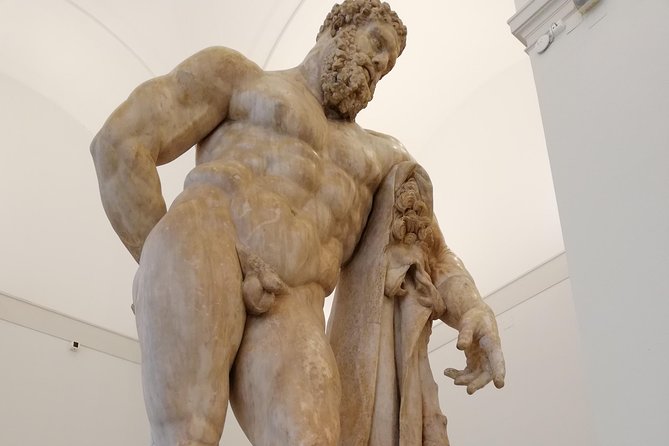
- A Vesuvian-focused museum hour: the tour concentrates on what was recovered from cities destroyed by Vesuvius in 79 AD
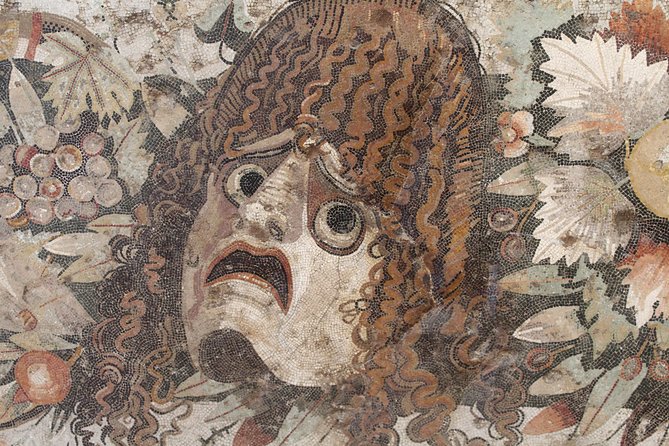
- Mosaics and frescoes, not just statues: you’ll spend real time on surface art and painted wall moments
- Everyday life objects: the collection includes items that help you understand daily routines, not only elite culture
- Villa dei papiri di Ercolano highlights: you’ll connect the museum displays to famous recovered sites, including this one
- Private group format in English: it stays geared to your group and your pace, rather than a fast shuffle
- Entrance tickets are extra: the guided tour cost and museum admission are separate, so plan your total budget
Naples’ National Archaeological Museum: Why It Feels Like the Answer to Pompeii
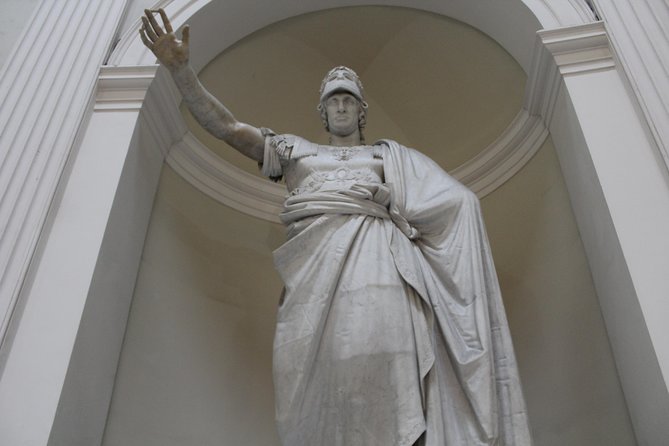
If you’ve visited Pompeii and thought, Wow, but I want more context, this is a smart next step. The National Archaeological Museum of Naples is where a lot of the story comes indoors. Instead of walking through streets buried under ash, you get the objects themselves: recovered pieces of art, household items, and the kinds of details that make the ancient world feel specific.
What I like here is that the focus isn’t random. The tour route centers on what was found during the discovery of the Vesuvian cities destroyed by the eruption of Vesuvius in 79 AD. That gives the visit a clear theme, which makes even a short 2-hour outing feel purposeful.
And honestly, you’ll get more out of this museum if you treat it as translation. A lot of what you saw in the ruins—plastered walls, patterned surfaces, daily objects—is easier to interpret when you’re seeing the recovered materials in a guided context.
You can also read our reviews of more museum experiences in Naples

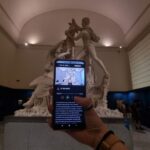

The 2-Hour Visit Plan: Short, Focused, and Easy to Fit Into Naples
This experience is about 2 hours, give or take, and that timing is one of its best qualities. Naples can chew up your day fast—traffic, crowds, museum lines—and a tight guided format helps you avoid the all-day commitment that some big museums demand.
It’s also private. Only your group participates, so you’re not constantly adjusting to a larger crowd’s pace. For me, that matters in a museum like this, where the most interesting part is often what a guide points out: small details in a mosaic, a subtle clue on an everyday object, or the logic behind what was recovered from particular contexts.
You’ll start back at Porto di Napoli, and the activity ends back at that same meeting point. If you’re planning a full day around the port area, this “out and back” structure makes scheduling less stressful.
Stop 1: Museo Archeologico Nazionale di Napoli and the Vesuvian Finds You Came For
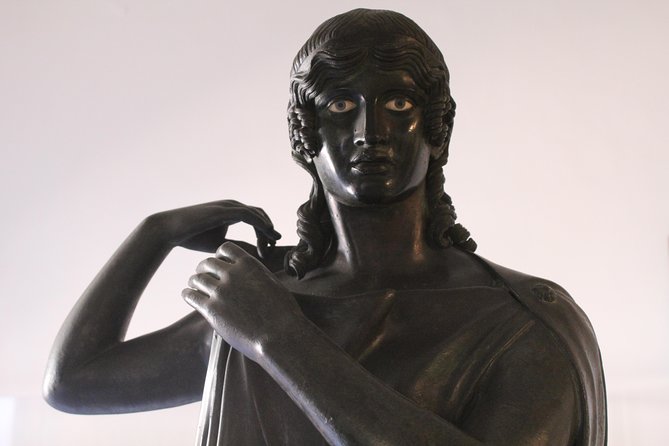
This tour’s itinerary is straightforward: one guided stop at the Museo Archeologico Nazionale di Napoli. The meeting point for redemption is listed at Piazza Museo 19, 80135 Napoli, Italy, so you’ll want to plan to arrive with a little buffer so you’re not rushing through a major museum entrance.
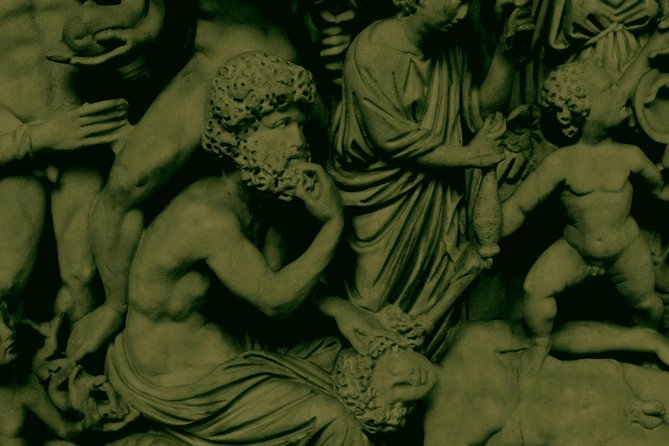
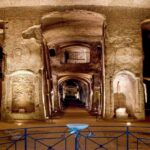
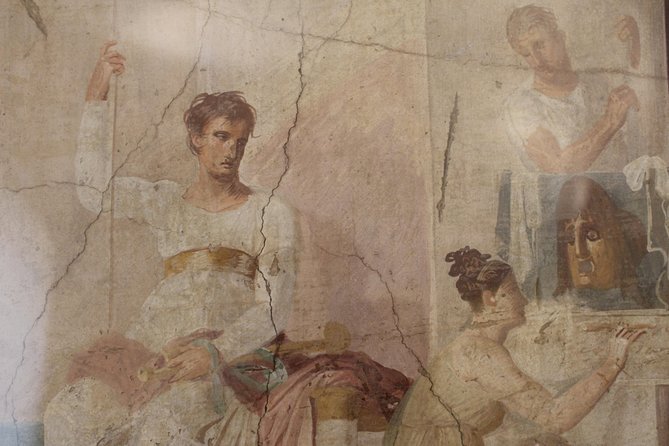
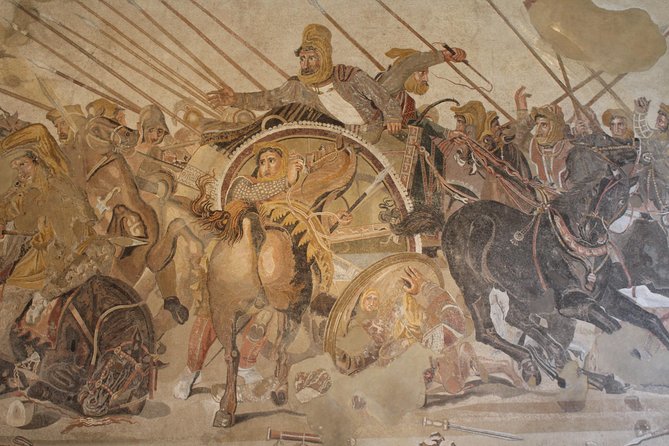
Inside, the tour focuses on key categories of recovered material from the Vesuvian disaster—especially mosaics and frescoes. These aren’t just decoration. They’re visual language. When you see them in context, you can better grasp how people in those cities arranged their spaces, how they used color and pattern, and what kinds of imagery were meant to be seen every day.
You also get everyday life objects. That’s where the museum becomes more than an art stop. A guided look at household and personal items helps you connect the ruins you may have seen to the lived routines of actual people—what they used, what they owned, and how their spaces functioned.
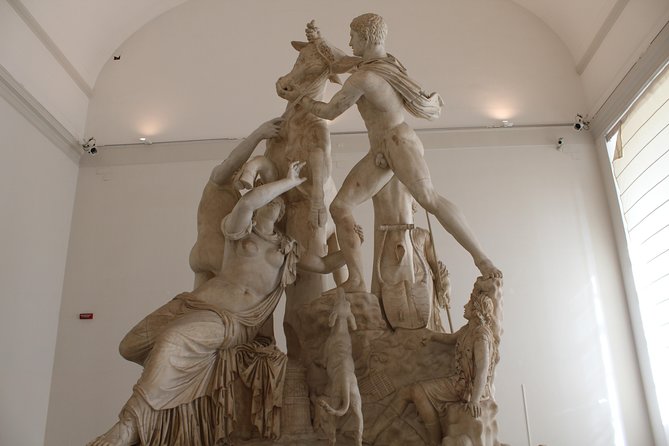
And the route includes highlights tied to the Villa dei papiri di Ercolano. Even if you only have a passing familiarity with the name, it’s worth treating this as a clue: the museum doesn’t just show “random finds,” it connects specific recovered sites to specific displays.
What to expect during the guided walkthrough
This is not presented as a fast highlight reel. The structure is designed around a themed selection of objects—so you can actually compare what you’re seeing. If you care about details, this is the right kind of tour: the guide can point out features that you might otherwise miss if you were wandering on your own.
Here’s a practical way to get more from it: as you move from one type of object to the next (for example, from mosaic or fresco to everyday items), keep asking yourself what changed and what stayed consistent. People often think “Pompeii” means only ruins and statues. A guided focus on domestic objects can correct that in an hour or two.
The main drawback at this stop
Because entrance tickets aren’t included, you need to budget time and money for the admission component. It’s usually not a disaster, but you don’t want to assume the tour price covers everything at the door.




Tickets, Fees, and the Real Cost of the Tour
The listed price is $60.34 per person for the guided experience. That covers the guiding, not museum entry. Entrance tickets are separate: €15 for adults, with minors admitted free.
So the real total you should plan for is the tour fee plus the museum admission. If you’re traveling as a couple or a family, that difference can add up quickly. It’s also why I suggest doing a quick budget check before you book—especially if you’re mixing this museum with other paid sites on the same trip.
Optional pickup is also separate. Pickup is offered, but it’s not included in the base price, and it can cost €30 to €50 depending on distance between your hotel/B&B and the museum. If you’re already close to Piazza Museo or comfortable using public transport, skipping pickup can keep the total more predictable.
Pickup From Porto di Napoli: Worth It, Depending on Your Energy
Pickup is listed as offered, but excluded from the included price. That means the tour works either way: you can arrange your own way to the museum area, or you can pay for a pickup service that adjusts based on how far you are from the meeting point zone.
This is what makes pickup worth considering. Naples is a city where small travel frictions add up. If you’re tired, have heavy bags, or simply don’t want to think about timing, pickup can buy you mental ease. On the other hand, if you’re already positioned near convenient public transport routes, using transit can be more cost-effective.
One practical point: since the activity starts and ends at Porto di Napoli, pickup planning should align with your day around the port. If you’re pairing this with a cruise stop or a waterfront schedule, that “back to Porto di Napoli” structure can reduce last-minute confusion.
Why Michele Arpa’s Style Matters for This Museum
The guide named for this experience is Michele Arpa. The main value of having a guide here is interpretive. The museum holds a lot, but you’re only there for about 2 hours, so you need someone to help you choose what matters and why.
Based on the way people describe their experience, Michele’s approach is closely tied to bringing artifacts to life rather than treating them like static display pieces. That’s exactly what you want in a museum focused on recovered ruins. The difference between seeing objects and understanding objects is often one of explanation: what you’re looking at, how it was recovered, what it might have meant, and how it connects back to Vesuvius and those lost cities.
If you tend to enjoy museum tours where the guide does more than list dates, you’ll likely appreciate this format. It’s also a private English tour, so you can ask questions without feeling like you’re interrupting a larger group’s pace.
English-Guided, Private Tour: How This Changes the Experience
Language and group size may sound like minor details, but for a museum tour they can shape your enjoyment a lot.
This tour is offered in English, and it’s private—only your group participates. That usually means you’re less likely to get steamrolled by the flow of a bigger crowd. In a museum setting, that can lead to a better rhythm: you spend longer with the objects that catch your attention, instead of constantly moving on because the group behind you is restless.
Private also helps if you’re traveling with kids, friends who want a slower pace, or a mixed group where one person loves art while another just wants the big story. A private guide can adjust emphasis without making the whole experience feel like a compromise.
Practical Tips to Make the Most of Your Time
This museum tour is short, so preparation helps. Here are the practical things I’d do if I were planning your afternoon:
- Plan for separate admission: entrance tickets are not included, so have cash or a card ready for the museum entry process.
- Give yourself a buffer near Piazza Museo: it’s a major museum area, and you want to show up calm, not rushed.
- Wear shoes you can stand in: museum walking adds up quickly even when the tour is “only” about 2 hours.
- Use the guide as a translator: if something looks like decoration, ask what story it signals—mosaics and frescoes often have layers that aren’t obvious at first glance.
- Think in categories: compare the art (mosaics/frescoes) to everyday objects. That contrast is where the museum’s theme gets clearest.
Also note: service animals are allowed, and the museum is near public transportation. That’s helpful if you’re traveling without a car.
Who This Tour Is Best For (and Who Might Skip It)
I’d point you toward this tour if you meet any of these conditions:
- You already visited Pompeii (or you’re planning to) and want the indoor side of the story
- You enjoy guided museum visits where the guide helps you connect objects to context
- You have limited time in Naples and want a focused, themed experience
- You prefer a private format in English rather than a crowded group tour
You might skip it if your museum style is purely self-directed and you’re the type who enjoys wandering without interpretation. In that case, you can still visit the museum on your own, but you’ll be choosing your own priorities with only your time to guide you.
For most people trying to get value out of Naples in a short window, a themed 2-hour guided museum tour hits a sweet spot.
Should You Book This National Archaeological Museum Tour?
I think you should book it if you want a concentrated Vesuvian experience without turning your day into a long museum marathon. The combination of mosaics, frescoes, everyday objects, and the inclusion of highlights tied to the Villa dei papiri di Ercolano gives you more than a quick glance—it gives you a guided way to read what you’re seeing.
Just go in with one clear expectation: the tour price covers the guide, not the museum admission. When you factor in the entrance ticket, and optionally pickup if you need it, the total cost becomes straightforward—and you’ll feel like you paid for understanding, not just access.
If you’re deciding between doing nothing at the museum vs. doing this guided visit, I’d pick the guided format. With Michele Arpa leading a private, English experience in a short window, you’re set up to walk out feeling like you actually grasped what the recovered objects have to say.
FAQ
How long is the National Archaeological Museum of Naples tour?
The guided tour lasts about 2 hours.
Are entrance tickets included in the price?
No. Entrance tickets are not included. The cost is €15 for adults, and minors are free.
Is pickup included?
Pickup is not included. Pickup is offered, and the cost varies from €30 to €50 depending on the distance between your hotel or B&B and the museum.
Is this tour private, or shared with other groups?
It’s private. Only your group will participate.
Where does the tour start and end?
The activity starts at Porto di Napoli and ends back at the meeting point. Ticket redemption is at Museo Archeologico Nazionale di Napoli, Piazza Museo, 19, 80135 Napoli NA, Italy.
Can I cancel for a full refund?
Yes, you can cancel for free. You’ll receive a full refund if you cancel up to 24 hours before the experience starts. If the tour is canceled because a minimum number of travelers isn’t met, you’ll be offered a different date or a full refund. Service animals are allowed, and the tour is offered in English.