REVIEW · POMPEII
Pompeii: living with the volcano
Book on Viator →Operated by Michele Arpa · Bookable on Viator
Pompeii hits different when it feels current. This 2-hour private visit uses a time-travel theme—walking the streets, shops, and public spaces as if you’re Pompeian, just one day before the 79 AD eruption. I love how the guide connects the big sights with everyday details, and I especially like the emphasis on symbols and street-level life rather than only monuments. One thing to consider: entrance tickets aren’t included, so you’ll need to add site admission to the tour price.
You also get a tight, focused route. You’ll get guided stops that cover the theater and amphitheater atmosphere, plus the spa and Forum square, ending back at the meeting point at the Archaeological Park of Pompeii. The only potential drawback is practical: it involves walking on the park’s uneven roads and paths, so it’s best if you have moderate mobility and stamina.
In This Review
- Key highlights you should care about
- Walking Pompeii as If It Were the Day Before 79 AD
- Entering With Michele Arpa: Private, English-Guided, and Human
- Pompeii Archaeological Park: Street Life, Shops, and the City Rhythm
- The Theater and Amphitheater: Gladiator Energy Without the Confusion
- Eating Like a Pompeian: Take-Away Food and Elite Domus Living
- Wall Messages and Magistrates’ Elections: Reading the City’s Voice
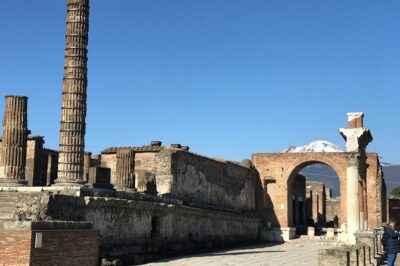
- Spa Relaxation and the Civil Forum: Where People Cooled Off and Decided Things
- How to Manage the 2-Hour Timing (Without Feeling Rushed)
- Admission Tickets and Value: What You Pay For, What You Still Need
- Who This Tour Fits Best
- Should You Book This Pompeii Volcano-Style Tour?
- FAQ
- What’s the duration of the Pompeii tour?
- Is the tour private?
- Is it offered in English?
- Does the price include Pompeii entry tickets?
- Where does the tour start?
- Is there a fixed end point?
- Is the tour suitable for guests with mobility difficulties?
- Can I bring a service animal?
Key highlights you should care about
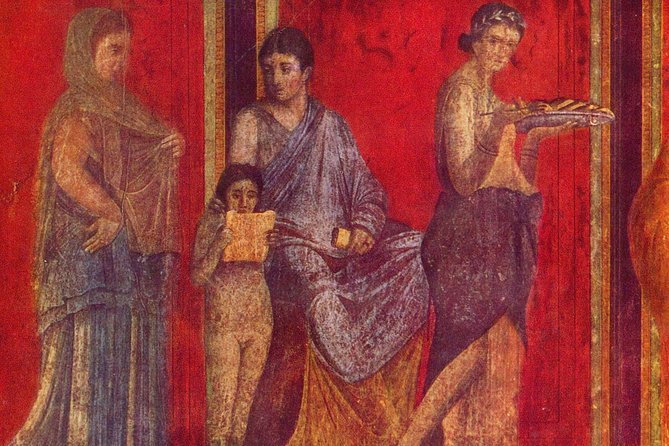
- A Pompeii day-in-the-life story that frames what you see in the hours before the eruption
- The theater and amphitheater experience, including what gladiator fights would have felt like
- Homes and daily routines, from taking a meal to seeing how the wealthiest lived
- Elections and wall messages, so you don’t just read ruins—you read voices
- Spa time and Forum space, a quick tour of how people relaxed and governed
- A guide-led, private format for a more personal pace and Q&A
Walking Pompeii as If It Were the Day Before 79 AD
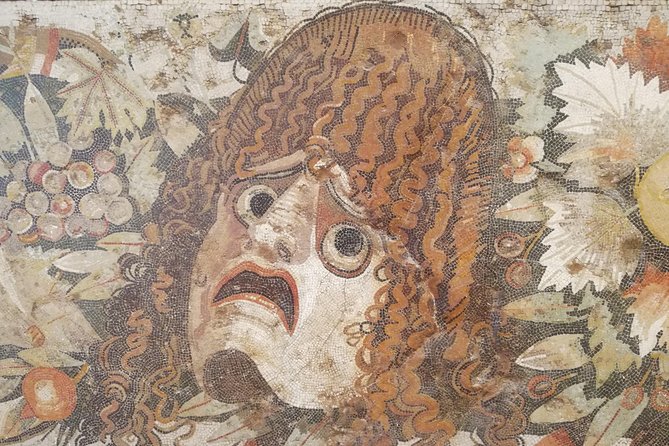
Pompeii is famous for death on a massive scale. What makes this kind of tour special is that it gives you a frame for survival: normal life, interrupted. Instead of treating the site like a museum of objects, you’re encouraged to see it like a living city—people walking to the theater, buying food, checking public notices, and heading home.
The guide approach is the difference. A good Pompeii visit can turn into a scatter of plaques. Here, the storytelling goal is to help you connect buildings to behavior—so the streets and rooms feel intentional, not random.
And yes, you’ll still see the tragedy. The experience aims to put faces and last moments back into your mind, tied to the volcanic ash that preserved people and scenes. It’s heavy, but it doesn’t feel like you’re only staring at loss. It feels like you’re understanding how close the eruption came.
You can also read our reviews of more tours and experiences in Pompeii.

Entering With Michele Arpa: Private, English-Guided, and Human
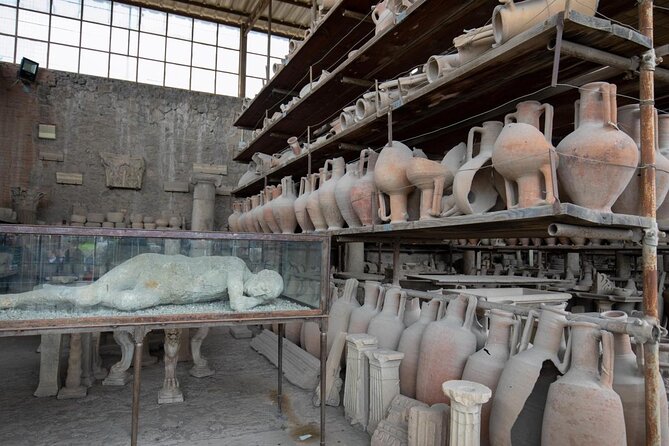
This tour is guided by Michele Arpa, with the tour offered in English. It’s private, meaning it’s only your group—no “herding cats” experience where your questions get lost in the crowd. In a site like Pompeii, that matters. You’ll move faster when the guide can adjust to your pace and answer as you go.
I also like the way this is designed around time. At roughly 2 hours, it’s short enough to keep energy high, but structured enough that you don’t miss the core pieces. If you’re in Naples, this kind of length is a smart choice when you want Pompeii without turning your whole day into logistics.
There’s another practical value: the guide’s role isn’t only pointing. People rave about Michele for turning Pompeii into something you can actually picture. That’s exactly what you want in a place where stone walls can look flat and hard to interpret on your own.
Pompeii Archaeological Park: Street Life, Shops, and the City Rhythm
You start at the Archaeological Park of Pompeii, and the main idea is to walk like someone who lives there. The route focuses on the buildings, shops, and streets so you can feel how the city flowed. You’re not just looking at “a thing”—you’re noticing how a city would use its spaces.
This is where the guided theme pays off. Pompeii can look like a maze from the outside, especially if you’re trying to connect street names, entrances, and building functions. A guide helps you keep the city’s logic straight: where people gathered, where commerce happened, and where you’d likely pass through daily.
One of the smartest aspects of this approach is attention to small details that you’d otherwise skim. For example, when you learn to look for marks of public life—messages on walls, civic spaces, and the layout of movement—you start seeing the ruins as communication networks, not just stone.
The Theater and Amphitheater: Gladiator Energy Without the Confusion

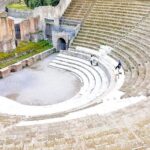
A standout part of the experience is the move to performance spaces. You go to the theater and also into the amphitheater. The theme links these sites to what people were actually doing for entertainment, including the acrid taste of brutal gladiator fights in the air of the imagination.
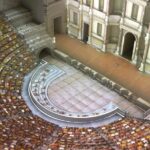
In practical terms, the guide helps you orient yourself in the seating and stage areas—so you can understand sightlines and crowd behavior. Even if you’ve seen photos before, being in the real layout makes a difference. A guide’s explanations can also stop the common problem where you think you’re watching the story but you’re actually missing the setup.
If you’re sensitive to intense subjects, this may feel like a stark reminder of what entertainment meant there. But it also gives context for why Pompeii’s public spaces were so important. This wasn’t quiet culture. It was community culture, loud and competitive.
Eating Like a Pompeian: Take-Away Food and Elite Domus Living
One of the best ways to understand Pompeii is to understand hunger. This experience includes the idea of eating with Pompeians—either grabbing something in a take-away space or experiencing meals as a guest in a luxurious domus.
That contrast helps you see social structure without turning it into a lecture. Pompeii wasn’t one uniform class of people living in identical boxes. Even within a short walk, you can shift your viewpoint from everyday consumption to elite domestic life.
If you like to travel with curiosity, this is a fun way to do it. The ruins become clues for lifestyle: who could host, where food and household routines likely happened, and how home life shaped social standing. You’ll likely notice why some buildings feel made for privacy while others feel made for the public eye.

Wall Messages and Magistrates’ Elections: Reading the City’s Voice
Pompeii gives you more than architecture—it gives you public messaging. The experience includes time for reading names of candidates for magistrates’ elections, as recorded on walls.
This is a small detail that can change your whole feeling about the site. When you see civic names tied to specific public spaces, Pompeii stops being a dead snapshot and starts looking like a place where citizens argued, hoped, and competed. You’re seeing governance as lived experience, not only history.
A practical tip for you: when a guide points out inscriptions or election-related marks, slow down. The temptation is to keep moving to the next big ruin. But these bits of text are exactly what turn the place into a conversation.
Spa Relaxation and the Civil Forum: Where People Cooled Off and Decided Things
After the entertainment and social sides, the tour shifts into relaxation and governance. You get a moment of relaxation at the spa, then you move to the civil forum square.
The spa stop is valuable because it rounds out the picture. Pompeii isn’t only drama and commerce. People needed routines—cleaning, soaking, meeting neighbors, and passing time. Understanding that rhythm makes the city feel whole.
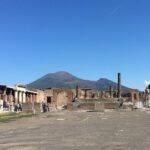
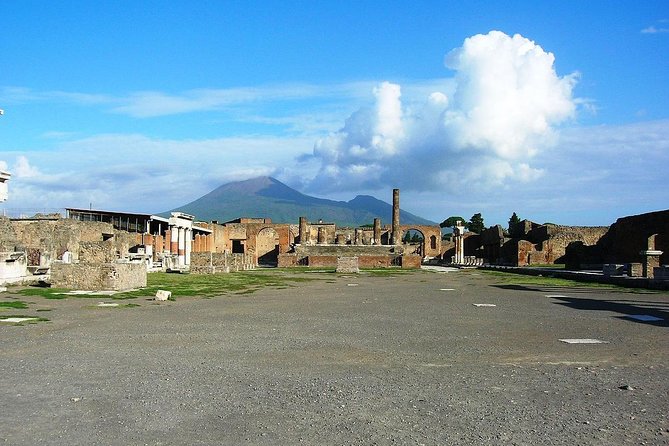
Then the Forum square brings you back to civic life. This is where public decisions and public display meet. When you pair the forum with earlier stops—messages, public gathering spaces, and everyday street flow—you start seeing how Pompeii’s layout supported control, identity, and community.
How to Manage the 2-Hour Timing (Without Feeling Rushed)
Two hours sounds short until you’re on site and realize Pompeii is spread out and full of “wait, I want to read that” moments. The private format helps here. Your guide can keep you on track while still giving meaning to what you see.
Still, plan your expectations. You’ll cover key areas, not every corner of Pompeii. That’s not a flaw—it’s the point. If you try to see everything alone, you’ll likely end up with a blur. If you choose this kind of structured walk, you leave with a clearer narrative instead of a checklist.
What I’d recommend for you is energy management: wear comfortable shoes, and be ready for a walking pace that stays mostly steady. Also, if you’re prone to getting distracted by photos, decide in advance whether you want a few deep moments or lots of quick snaps.
Admission Tickets and Value: What You Pay For, What You Still Need
The price is $33.36 per person, and the guide service is included. Entrance tickets to the site are not included, so you’ll need to budget for Pompeii admission separately.
Is it worth it? For many people, yes, because you’re paying for interpretation, not just movement. Pompeii is one of those places where a guide can save you from guessing wrong. The theme—Pompeii as a day-before-eruption city—also turns the ruins into a guided storyline you can follow.
In other words, you’re not just buying access to stone. You’re buying help connecting stone to behavior. That’s what makes this short tour feel like a real experience instead of a timed pass.
Who This Tour Fits Best
This experience works especially well if you:
- Want a structured route that still feels personal, because it’s private
- Prefer learning through scenario and details, not only dates and facts
- Like history with “how people lived” context—meals, elections, entertainment, daily routines
- Are on a tight schedule and still want a strong Pompeii introduction
It may be less ideal if:
- You have mobility difficulties, because it’s not recommended due to the particular state of roads
- You need a very low-walking visit, since it’s designed for a moderate walking pace through the park
The good news: the tour is friendly to animal travel. Service animals are allowed.
Should You Book This Pompeii Volcano-Style Tour?
If you want Pompeii to feel human—streets with meaning, spaces used for real routines, and civic life you can actually picture—this is a smart booking. The guide-led focus on daily life, elections, entertainment, and social contrasts is exactly what turns ruins into understanding.
I’d book it if you’re choosing just one Pompeii outing and you want the site to make sense fast. I’d also book it if you value a private, English-guided format that keeps questions from getting swallowed by a group.
Skip it only if you’re hoping for a low-walking, fully accessible route or if you’d rather explore without a themed narrative. Otherwise, this tour is one of the more practical ways to get the emotional truth of Pompeii, without getting lost in stone.
FAQ
What’s the duration of the Pompeii tour?
It runs for about 2 hours.
Is the tour private?
Yes. It’s a private tour/activity, and only your group participates.
Is it offered in English?
Yes, it’s offered in English.
Does the price include Pompeii entry tickets?
No. Entrance tickets to the site are not included.
Where does the tour start?
You meet at the Archaeological Park of Pompeii, 80045 Pompei, Metropolitan City of Naples, Italy.
Is there a fixed end point?
The tour ends back at the meeting point.
Is the tour suitable for guests with mobility difficulties?
Due to the particular state of the roads, it’s not recommended for visitors with mobility difficulties.
Can I bring a service animal?
Yes. Service animals are allowed.