REVIEW · NAPLES
Rookery Bay Kayak Adventure – Mangroves, Wildlife & Photos
Book on Viator →Operated by Florida Adventures and Rentals · Bookable on Viator
Mangrove tunnels feel like another world. You glide through Rookery Bay in the Ten Thousand Islands with a small max group size (10 people) and naturalist/biologist-style guiding that helps you actually understand what you are seeing. I especially like how the trip mixes calm paddling with real wildlife focus, from birds to dolphins and the chance at manatees.
The main thing to plan around is simple: there is no concession at the park, so you need to bring water and snacks (parking can also add $10). If you want an easy, grab-and-go outing, this one takes a bit more prep.
In This Review
- Key points you’ll care about
- Rookery Bay Mangroves: Why This Kayak Trip Feels So Different
- Getting In Motion From Capri Paddlecraft Park in About Two Hours
- Mangrove Tunnels, Shallow Channels, and the Art of Not Rushing
- Single vs tandem kayaks: choose the comfort level
- Wildlife Spotting That’s More Than Just a Checklist
- Dolphins and manatees: your main “wow” targets
- Birds and what mangroves do for them
- Smaller sea creatures: the details that make the tour stick
- Photos, Dry Bags, and the Best Kind of Souvenir
- What You Pay For: Value Beyond the Paddle
- What to Bring (So the Day Stays Fun)
- Who Should Book This Kayak Adventure and Who Should Skip It
- Should You Book the Rookery Bay Kayak Adventure?
- FAQ
- How long is the kayak adventure?
- Where does the tour start?
- What’s included in the tour price?
- Do children need tickets too?
- Is there food or bottled water available on site?
- Is there parking at the park?
- What is the minimum age for participants?
- What is the cancellation policy?
Key points you’ll care about
- Max 10 people means more attention while you paddle through narrow mangrove channels.
- Biologists and Florida naturalists guide the route and explain what’s happening in the estuary.
- Single or tandem kayaks let you match the setup to your comfort level.
- Wildlife focus with chances for dolphins, manatees, rays, jellyfish, and lots of birds.
- Photos included so you leave with proof beyond your phone battery.
Rookery Bay Mangroves: Why This Kayak Trip Feels So Different
Rookery Bay is the kind of place where motion matters. In a kayak, you slow down enough to notice the small stuff: the way mangrove roots shape the water flow, the signs of tiny sea life, and the quiet patterns birds follow through the day.
One of the biggest reasons I like this outing is that it is not just a scenic paddle. The guiding approach leans into wildlife and how the mangrove habitat supports it, which makes your sightings feel earned instead of random. If you do your part and keep your eyes up, you can get those classic southern Florida moments.
I also like that the wildlife promise is grounded in variety. You are looking for wildlife such as dolphins and manatees, plus the region’s massive bird presence (the area is associated with 150 species of birds). That means even when mammals are quiet, you still have plenty to watch.
You can also read our reviews of more tours and experiences in Naples
Getting In Motion From Capri Paddlecraft Park in About Two Hours
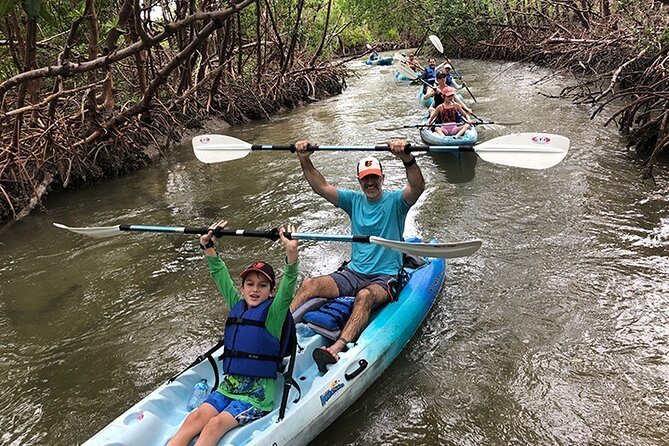
Most kayaking tours at this level follow a similar rhythm: safety, gear, then paddling with the guide calling out route and wildlife cues. Here, you start at Capri Paddlecraft Park and spend around 2 hours on the water, which is long enough to feel like you did something meaningful without turning into a full-day commitment.
Before you push off, you get paddling instructions and a safety briefing. That matters more than people think. Even if you have kayaked before, mangrove tunnels and tight channels are a different game than open water, and you want the guide to help you get your bearings fast.
You also get the practical gear you need: life preservers, paddles, and dry bags. Dry bags are not glamorous, but they stop you from worrying about your phone and paper map (if you still use one). The tour is set up to keep the focus on the water, not on gear stress.
Mangrove Tunnels, Shallow Channels, and the Art of Not Rushing
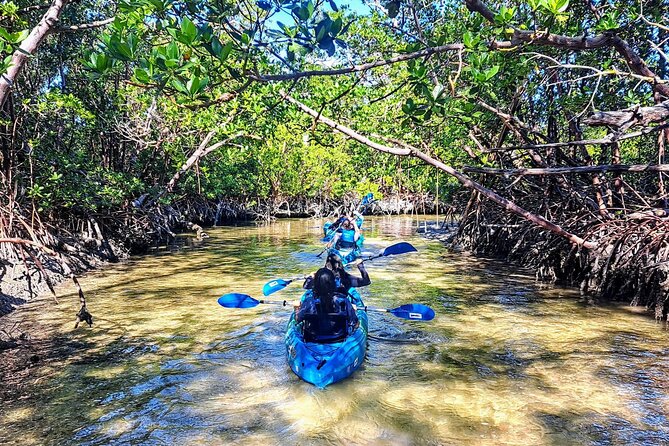
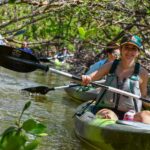
This is a “maze” style paddle through mangrove tunnels and local channels. The mangrove roots create natural corridors, and that is where the wildlife often hangs out, partly for protection and partly because the waterway funnels food.
You should expect conditions that require attention. One part of the fun is that you are navigating real habitat, not floating down a wide river. Some people find it tricky at first, especially when you hit soft sand or get a little stuck in shallow spots. The good news is the tour is built for this, with a guide leading the route and keeping the group moving.
Here’s what helps most:
- Keep your strokes steady and small when the channel narrows.
- Use slower, controlled turns near mangrove roots.
- Don’t fight the current; work with it when you feel the water shift.
Bug season matters too. You will be outdoors in mangrove country, and insects can be noticeable. I’d plan on bug repellent, even if you normally skip it.
Single vs tandem kayaks: choose the comfort level
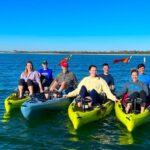
You can use single kayaks or tandem kayaks. If you are newer to kayaking, tandem can help you relax, because two people can share rhythm and steering cues. If you prefer full control and you are comfortable paddling, singles give you more freedom to line up with what the guide is pointing out.
For kids, the minimum age is 4, but rules get specific fast. A parent or older sibling (age 15+) must accompany a child on the kayak. That is a real factor for planning who paddles with whom.
Wildlife Spotting That’s More Than Just a Checklist
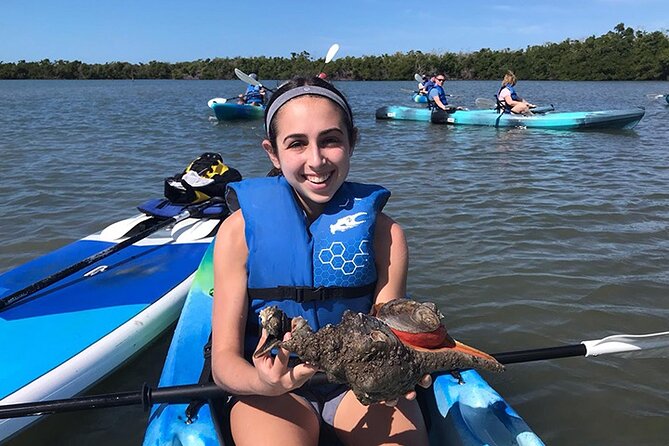
This tour is built around wildlife watching, and the best part is how the guide helps you connect signs to species. You are looking for dolphins and manatees, and you will also have a strong bird focus.
You can also read our reviews of more tours and experiences in Naples


Dolphins and manatees: your main “wow” targets
Dolphins can appear close enough to change the mood of the whole group. The guide keeps scanning the water so you do not miss the brief surface moments. Manatees are the big wildcard. You are searching for them, sometimes even in surprising ways, but you should treat it as a chance, not a guarantee.
A smart mindset helps here: enjoy the hunt. When you stay alert and follow the guide’s pauses, sightings feel more likely. And even without a manatee, you still come away with a better understanding of how the habitat supports large wildlife.
Birds and what mangroves do for them
If you love birdlife, this is a good environment to be in. The mangrove setup supports many species, and the guide’s job is to point out what you would normally overlook. That includes both what is in the trees and what is moving at the edges of the water.
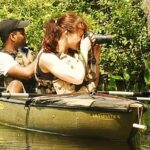
Bird watching from a kayak also feels different. You are lower to the water, moving quietly, so you can catch behavior that you’d miss from a deck or shore path.
Smaller sea creatures: the details that make the tour stick
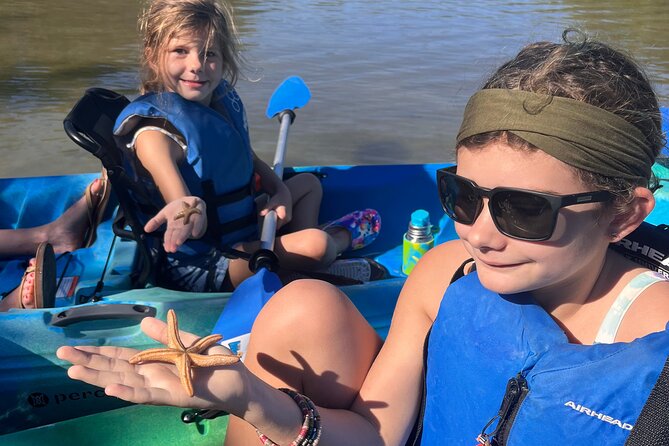
Not all wildlife is about big bodies and fast action. You might see things like jellyfish, rays, snails, and starfish. One reason this tour rates so high in people’s minds is that the guides help you notice the smaller surprises.
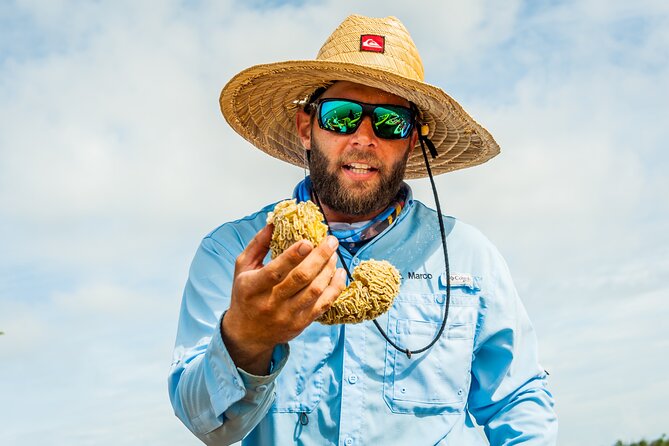
There is also a hands-on angle. Some experiences include time handling items like conch, hermit crabs, and snail eggs. That turns the learning from a lecture into a memory you can picture later.
Photos, Dry Bags, and the Best Kind of Souvenir
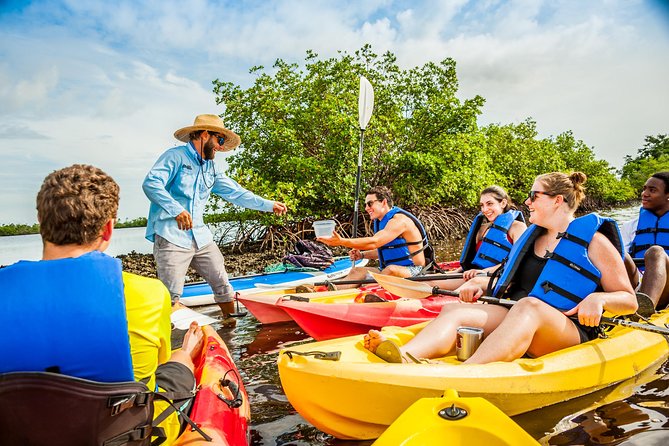
A lot of outdoor tours rely on you bringing the right camera and hoping for luck. This one adds a practical layer: photos of your tour are included.
That matters, because mangrove lighting can be tricky and quick wildlife moments do not always cooperate with your timing. Having a set of photos lets you focus on the experience while you’re there, instead of constantly hunting for the perfect shot.
Also, the guides tend to talk and guide actively. Many people appreciate the mix of humor and real science, which keeps the paddle from feeling like you are listening to facts nonstop. When your guide points out what you are seeing, it clicks. You end up remembering the why, not only the what.
What You Pay For: Value Beyond the Paddle
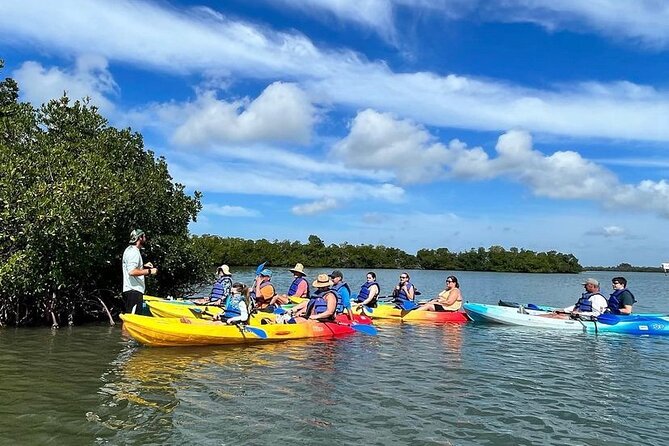
Even without a price figure listed here, you can still judge value by what is included versus what you must provide yourself.
What you do get:
- Guides who bring biology and naturalist expertise
- Paddling instructions and a safety briefing
- Life preservers, paddles, and dry bags
- Photos after the tour
What you don’t get:
- Parking (a $10 parking fee)
- Bottled water and food, since there is no concession
That combination is why this can be good value. Your “extras” are mostly already handled for you. The only real buy-in is planning your personal supplies and arriving ready.
If you are deciding between a boat tour and this kayak option, think about what you want from the day. Kayaking rewards attention and patience. The water is calm enough that people often find the trip manageable, even with some first-time paddling. The tradeoff is you are responsible for your comfort: sun, bugs, water, and snacks.
What to Bring (So the Day Stays Fun)
This trip is short, but it is still an hour-or-two exertion outing in open air. The park has no concession, so pack like you are heading out for a hike: hydrate, snack, and keep it simple.
Bring:
- Water and snacks (a small cooler can work)
- Sunscreen and bug repellent
- A hat and sunglasses if you use them
You will have a dry bag for your things. Still, I’d pack your phone in a way that you can grab quickly if the guide calls a wildlife moment.
Also, plan around the moderate physical fitness level requirement. The kayak is not meant to be a heavy workout, but it does take effort to paddle, maneuver, and keep your balance.
Who Should Book This Kayak Adventure and Who Should Skip It
This is a great match if you want nature that feels up close. I think it suits:
- Families with kids who can follow simple instructions and stay engaged
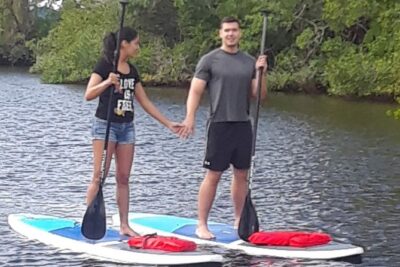
- Couples who want something active but not exhausting
- Bird watchers and wildlife lovers who like learning while they watch
It is also a solid pick for mixed ages, as long as the younger paddlers meet the rules and adults plan properly for accompanying children.
You should skip it if:
- You have recent surgery and your doctor has advised against this kind of activity
- You cannot handle moderate physical effort
- Your group is looking for zero-planning, because you do need to bring water and snacks
One more planning note: the tour max is 10 people. That small group size is part of the magic, but it also means you should book ahead and be ready to show up on time for your flexible start window.
Should You Book the Rookery Bay Kayak Adventure?
Book it if you want a short, high-impact wildlife paddle and you like learning in the middle of the action. The combo of a small group, naturalist guidance, and included photos makes it feel like more than a rental-and-go outing.
Don’t book it if you are hoping for an easy grab-and-go meal situation or if you are not set up for water, bugs, and mild paddling effort. Bring your supplies, respect the mangrove navigation, and go in with patience for wildlife.
If dolphins or manatees are on your dream list, this is one of the best ways to try. Even when the big mammal moment takes time, the mangrove maze and the wildlife spotting keep the whole trip moving.
FAQ
How long is the kayak adventure?
It runs for about 2 hours.
Where does the tour start?
The departure point is Capri Paddlecraft Park.
What’s included in the tour price?
You get biologists and Florida naturalists guides, life preservers, paddles, dry bags, paddling instructions, a safety briefing, and photos of your tour.
Do children need tickets too?
Yes. A ticket must be purchased for every individual in your party, including children.
Is there food or bottled water available on site?
No. There is no concession at the park, so you must bring your own water and snacks.
Is there parking at the park?
There is a parking fee of $10 (and it is not included).
What is the minimum age for participants?
The minimum age is 4. A parent or older sibling (age 15+) must accompany a child on the kayak.
What is the cancellation policy?
Cancellation is free up to 24 hours in advance for a full refund. Within 24 hours, there is no refund. If the tour is canceled due to poor weather, you’ll be offered a different date or a full refund.