REVIEW · NAPLES
Discover the Rione Sanità with Insolitaguida
Book on GetYourGuide →Operated by Insolitaguida · Bookable on GetYourGuide
Rione Sanità can feel like a movie set. You’ll spend two hours with a local guide moving through tight alleys of street art and Neapolitan Baroque, with stops that turn history into something you can actually see. What I like most is the way the tour links big art—like Palazzo dello Spagnolo and Palazzo Sanfelice—with everyday neighborhood life, and the fact that you finish with an inside look at Santa Maria della Sanità. One possible drawback: on louder stretches of the city, it can get hard to catch every spoken detail.
The vibe is upbeat and very local. You start at Porta San Gennaro in Piazza Cavour, then work your way through markets, mural squares, and church interiors, finishing at the Basilica di Santa Maria della Sanità. It’s also the kind of walk where you’ll want comfortable shoes—because you’ll be on your feet for the full 2 hours.
In This Review
- Key takeaways before you go
- Rione Sanità: Naples that feels personal, not postcard-perfect
- Starting at Porta San Gennaro (Piazza Cavour): the symbolic “front door”
- Coffee tasting + the neighborhood’s daily pace
- Murals and squares: Totò and Maradona on living walls
- Palazzo dello Spagnolo: Baroque drama you can photograph (and learn)
- Palazzo Sanfelice: another masterpiece of Neapolitan Baroque
- The alley of culture and Totò’s footsteps
- Santa Maria Antesaecula and the final interior at Santa Maria della Sanità
- The snowflake pastry + best coffee: the edible break that actually counts
- Duration and value: what you get for $25
- Who should book this, and who should skip it
- Tips to make the most of it
- Should you book Rione Sanità with Insolitaguida?
- FAQ
- Where does the tour start?
- How long is the Rione Sanità experience?
- What languages are available for the guide?
- Is it wheelchair accessible?
- What should I bring?
- Is free cancellation available?
Key takeaways before you go
- Porta San Gennaro sets the tone for the whole neighborhood, not just the start time
- Totò and Maradona murals turn the streets into an open-air gallery
- Two major Baroque palaces (Palazzo dello Spagnolo and Palazzo Sanfelice) are both visually dramatic and story-rich
- Coffee and the snowflake pastry give you a proper Naples break, not a token stop
- Santa Maria della Sanità interior is a strong final payoff after the outdoor walking
Rione Sanità: Naples that feels personal, not postcard-perfect
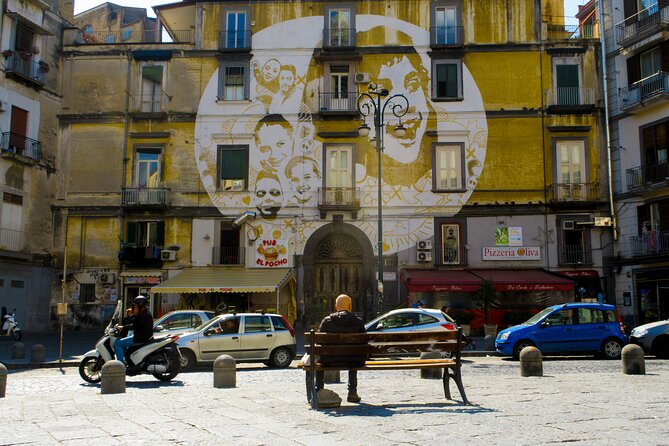
If Naples is the city of contrasts, Rione Sanità is where the contrast is most visible on the walls. Instead of rushing between famous landmarks, you walk through a district that still carries its own personality—colors on laundry lines, small squares with big artwork, and baroque architecture that looks almost theatrical from street level.
The best part is that the tour doesn’t treat the neighborhood like a background. It connects what you see—murals, churches, and palace façades—to why the district matters. That’s why this 2-hour format works. You’re not stuck all day, and you don’t feel like you skimmed the place in a hurry.
And you’ll get a local perspective. Guides such as Lina and Valentina (named in guest feedback) are repeatedly described as enthusiastic and prepared, with stories and anecdotes that help the streets make sense.
You can also read our reviews of more tours and experiences in Naples.

Starting at Porta San Gennaro (Piazza Cavour): the symbolic “front door”
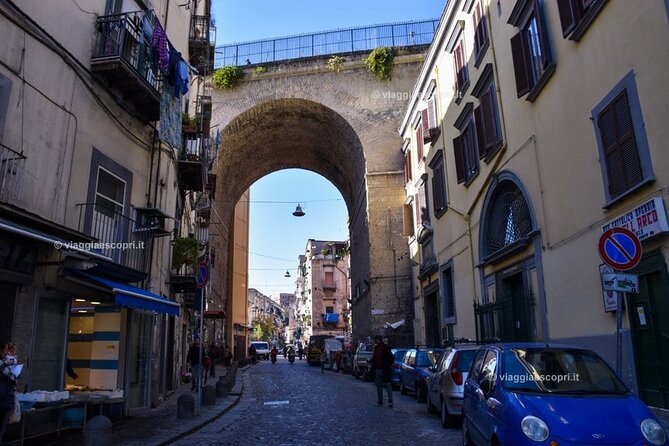
You meet at Porta San Gennaro in Piazza Cavour. This matters because it’s not a random street corner. Porta San Gennaro acts like a symbolic gateway into the Rione Sanità identity, so the tour starts with context instead of immediate marching.
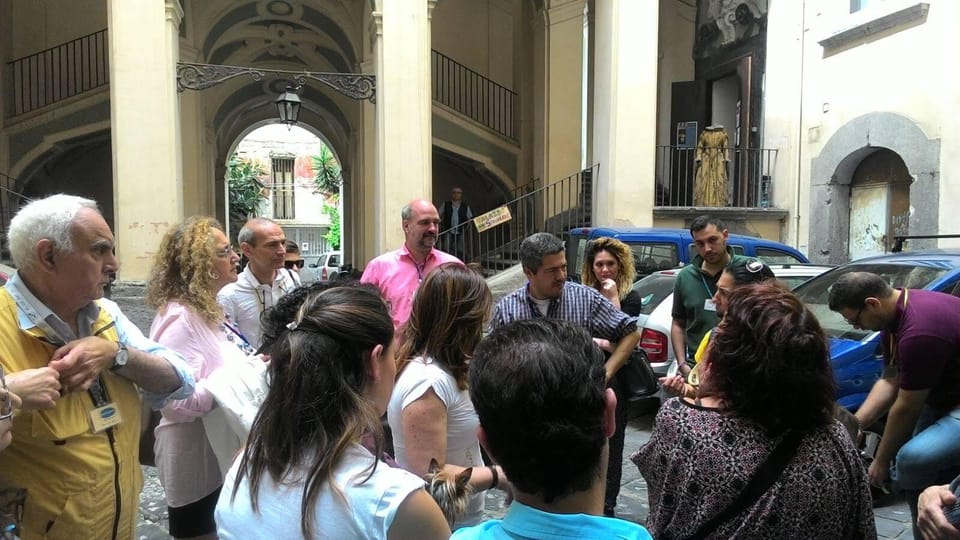
After meeting, you get a short guided orientation at the gate area, plus coffee. This early rhythm is smart: you’re fueled before the alleys narrow and the walking gets more “hands-on.” It also helps you pay attention. When you start with a clear sense of where you are, later stops land harder.
Quick practical note: arrive on time. The tour is only two hours, so the guide can’t pause endlessly while people filter in.
Coffee tasting + the neighborhood’s daily pace
Right after Porta San Gennaro, the tour includes a coffee tasting. In Naples, coffee isn’t just a drink—it’s a ritual tied to how the city moves. This stop gives you that first taste of local routine before you step into the more visual parts of the district.
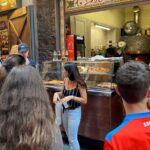
Next you head toward the food market area (including the Borgo dei Vergini segment). This is where the neighborhood feels real: stalls, chatter, and everyday Naples energy. Even if you’re not planning to buy anything, it’s a useful contrast to the baroque buildings. You see how art and religion sit next to daily life, not far away from it.
One consideration: because you’re in public spaces with real activity, street noise can sometimes swallow a few spoken details. If you’re sensitive to sound, stand close to the guide and don’t be afraid to ask for a repeat when you miss something. It’s better than trying to reconstruct the story later.
Murals and squares: Totò and Maradona on living walls
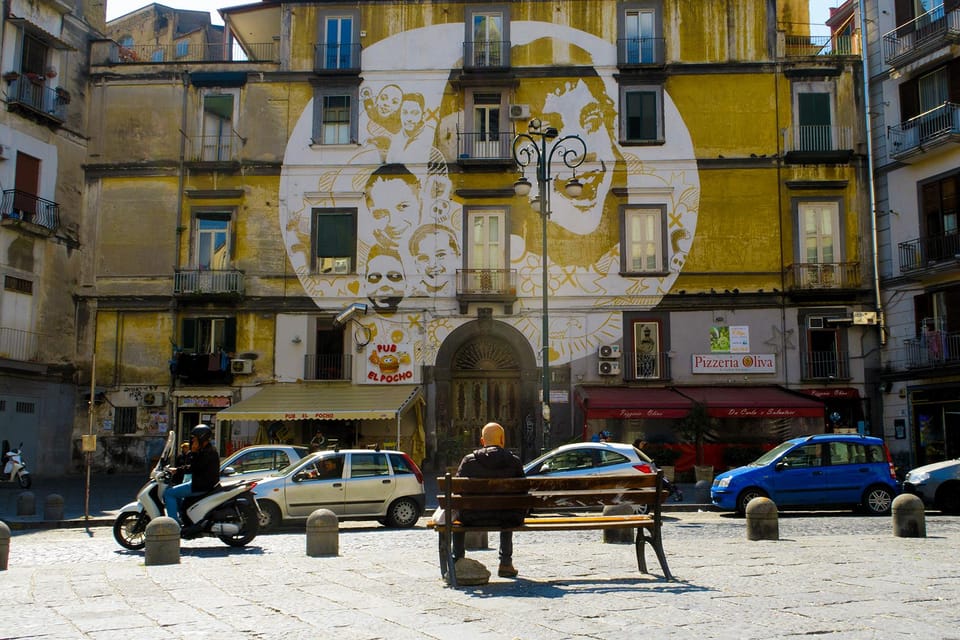
A key part of this walk is the open-air gallery effect. You’ll admire murals dedicated to Totò and Maradona as you move through squares and around baroque churches. It’s fun, yes—but it’s also practical. Street art here functions like local memory. The neighborhood points to its own icons, and the guide helps connect why those images matter beyond pop culture.
Totò, in particular, becomes a thread through the tour. You’re not just looking at a face on a wall; you’re learning how the district frames its own “prince of laughter” identity. By the time you reach the streets tied to Totò’s life, the murals feel like wayfinding, not decoration.
And Maradona shows up as part of the same story—Naples uses both sacred space and street space to define identity. Seeing that in one walk makes the whole district feel more coherent.
Palazzo dello Spagnolo: Baroque drama you can photograph (and learn)
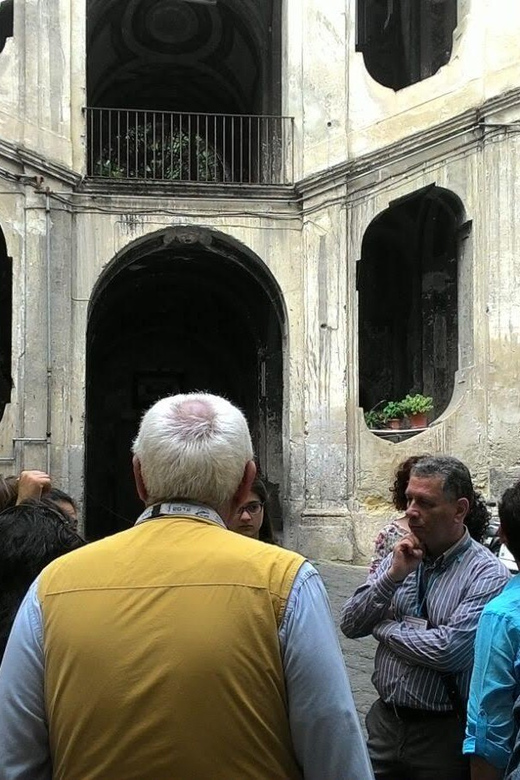
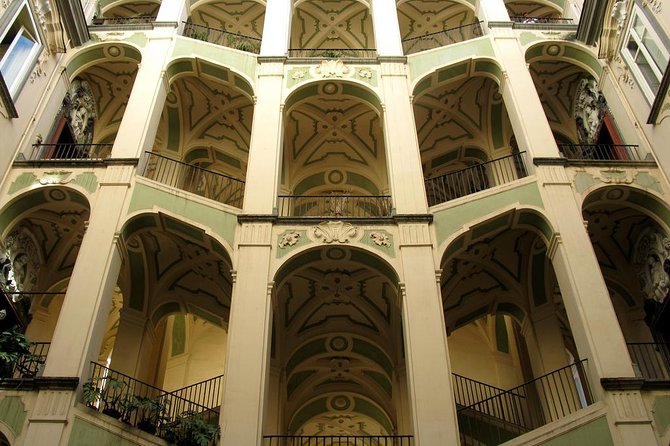
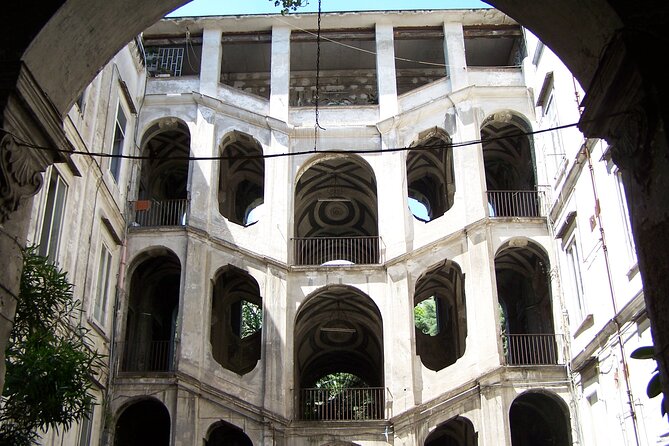
One of the tour’s big visual hits is Palazzo dello Spagnolo. You’ll get a guided look here, and the story adds extra texture. The palazzo is described as something that has often become a film set, which makes sense when you see the scale and “designed for drama” feeling of its presence.
What you’ll get from the guide is the how-and-why, not just the what. In practical terms, that means you’ll notice details you might otherwise skip: how the building reads from the street, and how Baroque style makes strong emotional impact even from a distance.
This is a good stop for photo lovers, but don’t treat it like a quick selfie mission. Take a minute to listen. The baroque effect is partly about light and angles, and the guide can help you see what you’re actually looking at.

Palazzo Sanfelice: another masterpiece of Neapolitan Baroque
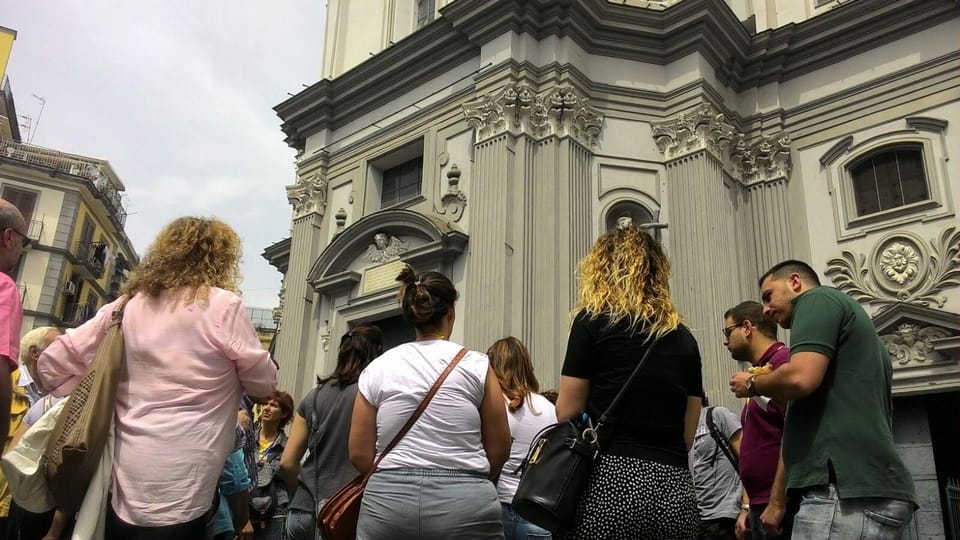
After Palazzo dello Spagnolo, you visit Palazzo Sanfelice. It’s the second main Baroque landmark on the route, and the tour keeps the pacing tight so you stay engaged without feeling rushed.
Why this matters: seeing two Baroque palaces in one short walk helps you compare the styles and understand how Naples uses Baroque not as one-off ornament, but as a whole language. Instead of one building impressing you and then disappearing, you build a clearer picture of the neighborhood’s architectural personality.
Drawback to keep in mind: if the crowd is heavy at the street level (or the wind is strong), it can be a bit harder to linger for the best viewing angles. But that’s also normal here. You’re walking through a real district, not a museum floor.
The alley of culture and Totò’s footsteps
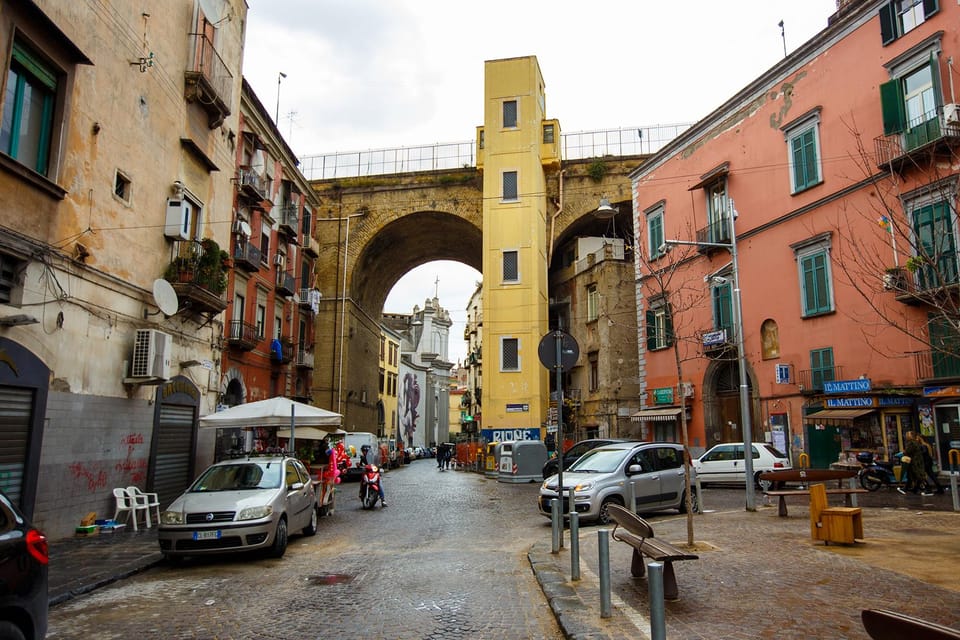
A standout part of the tour is the walk along the alley of culture. The guide frames it as a peaceful revolution starting with books. That idea changes how you see the “plain” parts of a neighborhood. It’s not just graffiti and churches; it’s also knowledge and local initiative, literally in the street layout.
Then you reach the street where Totò’s birthplace is located. You’re moving from murals into personal geography—where the prince of laughter actually connects to the district. It makes the earlier mural stops feel less like decorative sightseeing and more like story checkpoints.
If you like tours that mix art with real people, this segment is where you’ll feel it most. The walk itself is part of the storytelling. You’re not sitting still to hear facts—you’re passing the same type of spaces that would have shaped daily life.
Santa Maria Antesaecula and the final interior at Santa Maria della Sanità
Later in the tour, you make a church stop at Chiesa di Santa Maria Antesaecula (guided). Even if churches in Europe can start to feel repetitive, this is timed well. You’ve already built a base of Naples identity through murals and palaces, so the religious space lands with more meaning.
Finally, you end at the Basilica di Santa Maria della Sanità. The tour includes an internal visit—this is a big payoff because the exterior alone never explains why this building matters. After all the walking outside, going inside gives you a slower, more focused moment.
This finish is also a smart “story closure.” You start at a symbolic entrance (Porta San Gennaro), and you end inside a defining spiritual landmark of the district. It’s the kind of rhythm that helps your brain file everything together.
The snowflake pastry + best coffee: the edible break that actually counts
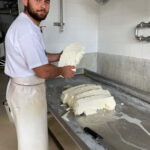
This tour isn’t just about architecture. You get both a coffee tasting and a Neapolitan sweet tasting, including the famous snowflake pastry linked to the pastry shop where it was created.
That timing helps. You’re not eating in the middle of nowhere. You get a planned break before you move deeper into the most visual blocks and church interiors. For me, that’s the ideal use of food on a short walking tour: quick, local, and tied to the route.
If you’re picky, focus on the experience, not just the sweetness. The snowflake is described as famous and associated with its origin shop, so it’s part of the district’s identity, not just a random dessert stop.
Duration and value: what you get for $25
At $25 per person for about two hours, this is a strong value if you want three things packed into one session: a local guide, major Baroque viewing, and real Naples food stops.
You’re paying for:
- a professional local guide’s route-level storytelling
- coffee and a Neapolitan sweet tasting
- guided access to key architecture and a church interior
If your Naples time is limited, this price also makes it easier to justify compared with doing the sites on your own and then paying separately for tasting stops. The guide work is what turns scattered sights into a coherent neighborhood portrait.
And it’s not a long commitment. If you’ve already seen the main center and you want something more authentic without another full half-day plan, this fits.
Who should book this, and who should skip it
This tour suits you if you like:
- street art and local icons (Totò, Maradona)
- Baroque architecture you can actually reach on foot
- a neighborhood feel rather than a checklist of famous ruins
It may not suit you if:
- you need a fully quiet experience (city noise can interfere at times)
- you have limited mobility, because you’ll be walking through alleys and squares
- you’re outside the recommended age guidance: it’s noted as not suitable for people over 70 years, and also not for people over 95 years
Good news: it’s wheelchair accessible, and private group options are available. If you’re traveling with a small group and want a calmer pace, that’s worth considering.
Tips to make the most of it
Wear shoes you trust. The route is built for walking in older city textures, with alleys and steps where you won’t want fragile footwear.
Plan your sound game. If street noise gets in the way, stand closer to the guide, and don’t hesitate to ask for clarification when something gets missed. One guest even suggested earphones could make a difference, so it’s a fair consideration if you’re easily distracted by background noise.
Bring a snack mindset. You’ll have coffee and a Neapolitan sweet tasting, but you might not eat a full meal on this tour. If you’re prone to getting hungry, schedule a proper dinner later.
Should you book Rione Sanità with Insolitaguida?
I’d book it if you want a compact, story-driven Naples experience. You’ll see murals tied to Totò and Maradona, get guided time at two major Baroque palaces, and finish with an internal visit to Santa Maria della Sanità—all with coffee and a famous pastry stop included. For $25 and around two hours, it’s a practical way to get beyond the usual Naples routine.
Skip it if you hate walking, need a very quiet atmosphere, or you fit outside the tour’s age suitability guidance. Also, if you’re the type who needs uninterrupted narration at all times, be aware that city noise can cut in.
FAQ
Where does the tour start?
The tour meets at Porta San Gennaro in Piazza Cavour.
How long is the Rione Sanità experience?
It lasts about 2 hours.
What languages are available for the guide?
The live tour guide is available in Italian, English, and Spanish.
Is it wheelchair accessible?
Yes, the tour is listed as wheelchair accessible.
What should I bring?
Wear comfortable shoes.
Is free cancellation available?
Free cancellation is available up to 24 hours in advance for a full refund.