REVIEW · POMPEI CAMPANIA
Pompeii Guided Tour with Archaeologist
Book on GetYourGuide →Operated by Max travel · Bookable on GetYourGuide
Pompeii makes more sense with a real archaeologist. This 2-hour tour hits Pompeii’s key sights, starting at Porta Marina Superiore, and it helps you bypass the main queue with an express security check. You’ll join a small group (up to 16), so the visit stays efficient and not chaotic.
Two things I like a lot: you get clear explanations about daily life in the city, and you also stop at the plaster casts that make the 79 A.D. disaster feel painfully real. The guide connects the street-level ruins to how people actually lived, shopped, worked, and moved through Pompeii’s spaces.
One consideration: this is a highlights tour, not the entire archaeological park. The walk focuses on the most important areas (and the Villa of the Mysteries isn’t included), so you’ll likely want a map and time to keep exploring after the guided portion.
In This Review
- Key things to know before you go
- Starting at Porta Marina Superiore: Getting Into Pompeii Fast
- The 2-Hour Route: Forum, Suburban Baths, and Plaster Casts
- The forum: power, business, and public life
- The suburban baths: how routine gets built into architecture
- Plaster casts: when the city stops being quiet
- What an Archaeologist Guide Actually Adds
- You’re taught to read the ruins like a scene
- The best guides handle questions without breaking the pace
- The 79 A.D. Eruption Story, Tied to the City You’re Seeing
- Skip Queues, Use Headsets, and Stay Oriented
- Price and Value at $64: What’s Included (and What Isn’t)
- After the Tour: How to Keep Exploring Without Getting Lost
- Who This Tour Suits Best
- Should You Book This Pompeii Archaeologist Tour?
- FAQ
- Where does the Pompeii tour meet?
- How long is the guided tour?
- How big is the group?
- What is included in the price?
- What is not included?
- Which languages are available?
- Can I stay in Pompeii after the tour?
Key things to know before you go
- Skip the main entrance hassle with an express security check at Porta Marina Superiore
- Small group pacing (max 16) keeps questions possible and footsteps organized
- Forum, suburban baths, plaster casts get you the core “how this city worked” story
- Archaeologist-led explanations turn ruins into everyday scenes
- You can stay inside after the tour and use the guide’s recommendations to plan your next stops
Starting at Porta Marina Superiore: Getting Into Pompeii Fast
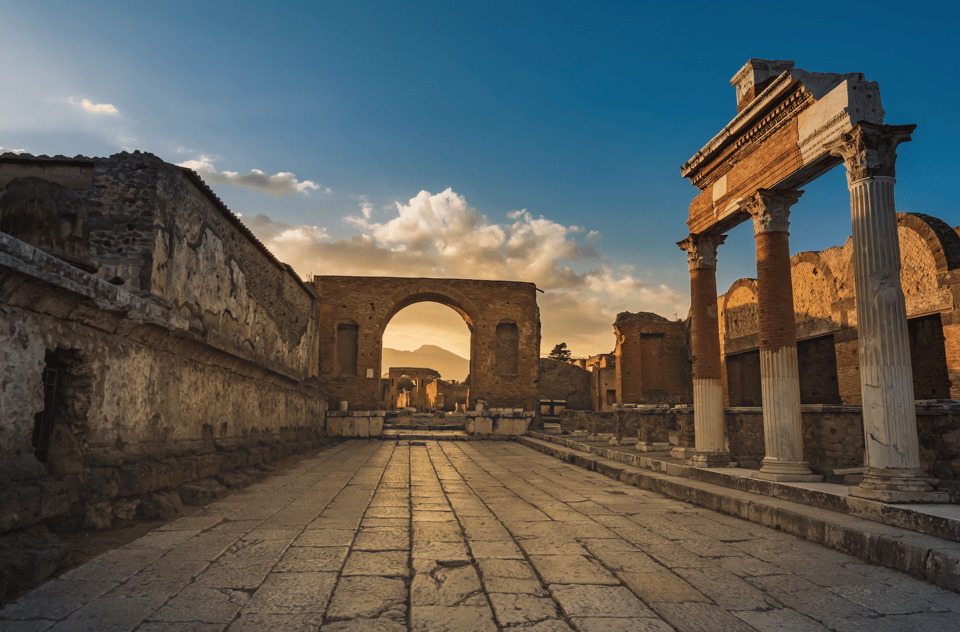
Pompeii has a way of punishing slow arrivals. So I appreciate a setup that begins at Porta Marina Superiore and focuses on getting you through quickly. You meet the guide holding the company sign at the main entrance, and the tour includes an express security check so you don’t burn your morning stuck in the most common bottleneck.
From there, the route doesn’t waste time. You’re not standing around waiting for the group to gather and talk about Pompeii’s importance in the abstract. You head straight toward the parts that best explain the city’s layout and daily rhythm—exactly what you want when you only have a couple of hours.
One small practical tip: when you arrive, look for the sign and confirm you’re with the right group before you start walking. At least one booking described arriving at the opposite end of the area where the tour actually began, so being deliberate at the meeting point can save you stress.
You can also read our reviews of more guided tours in Pompei Campania


The 2-Hour Route: Forum, Suburban Baths, and Plaster Casts
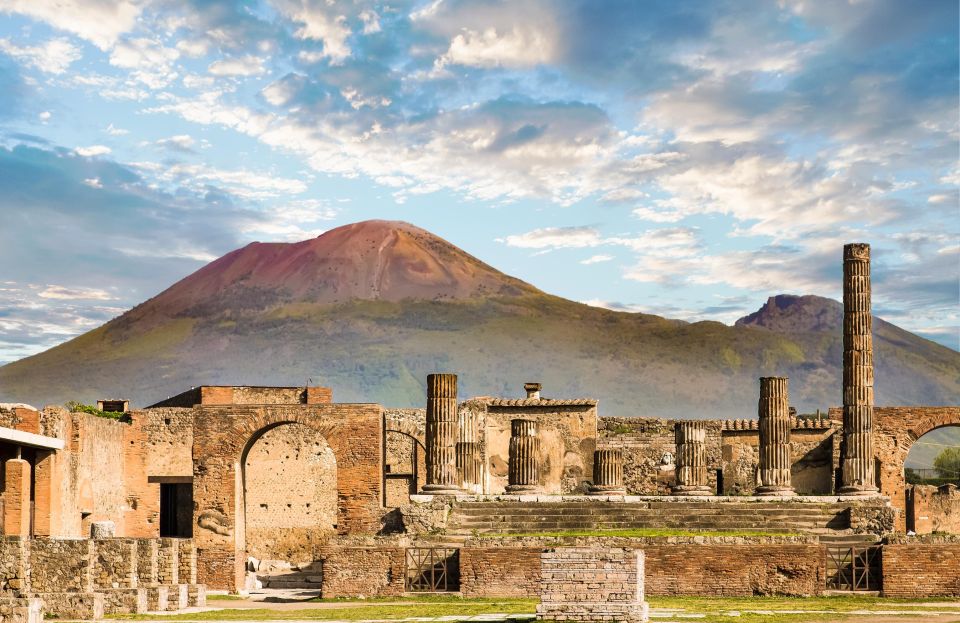
This tour is designed like a guided “starter kit” for Pompeii. You get a structured walk through the highlights, with stops that make sense in a logical order and explanations that help you read what you’re seeing.
The forum: power, business, and public life
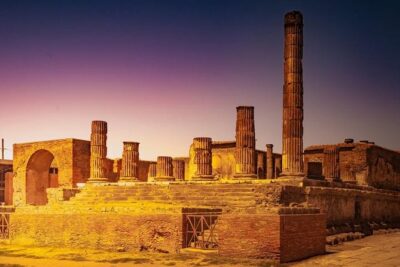
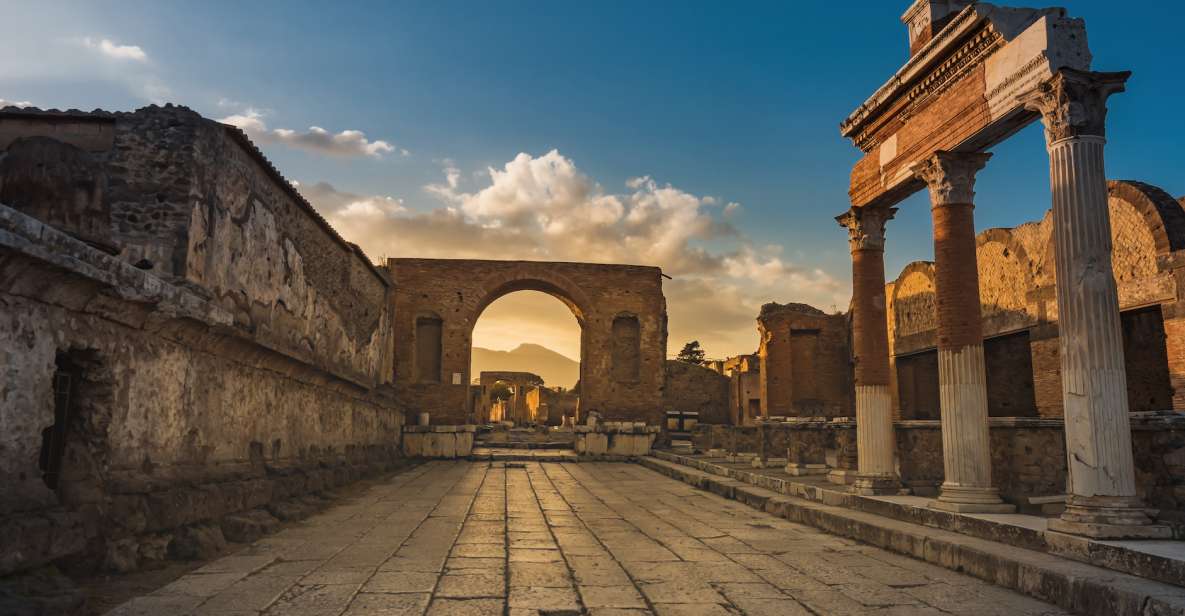
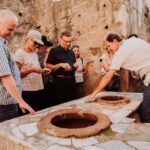
The forum is where Pompeii shows its public face: the civic and social center. On your visit, the guide’s job is to help you connect stone fragments and building footprints to human behavior. You’ll learn what the forum meant day-to-day—less like a museum floor plan and more like the place where people interacted, conducted business, and made decisions.
What I like about a forum stop on a short tour is how it gives context. Even if you never see every street and every house, you understand where the city’s “public engine” was.
The suburban baths: how routine gets built into architecture
Next, you’ll visit the suburban baths. Baths in Roman life weren’t a rare treat; they were part of the routine. A good guide uses that reality to help you look past walls and arches and start thinking in terms of movement: where people gathered, how spaces were used, and why the buildings were designed the way they were.
This stop also helps because the baths show another side of Pompeii beyond the big public squares. You begin to see how daily habits shaped the city’s layout.
Plaster casts: when the city stops being quiet
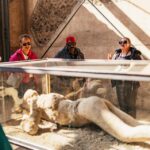
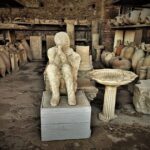
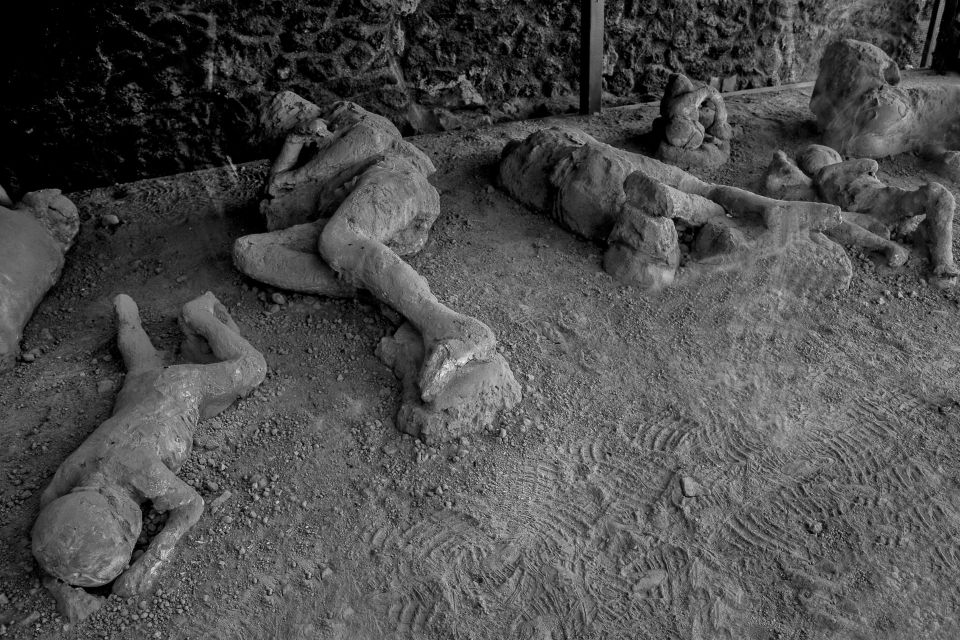
Then comes the plaster casts, one of Pompeii’s most moving elements. These casts are not just eerie objects. They give you a physical reference point—something your brain can hold onto—so the story of 79 A.D. becomes grounded.
This is the moment where your guide’s explanations matter most. Without context, you might just feel sad and move on. With context, you start understanding what the ruins are showing you: the human impact behind the architecture.



What an Archaeologist Guide Actually Adds
A guided visit is only worth it if it changes how you see. With an archaeologist-led format, you get that shift quickly.
You’re taught to read the ruins like a scene
Instead of treating Pompeii as a list of famous stops, the guide helps you “read” what you’re looking at. In a place like this, that’s the difference between seeing pretty remains and understanding a functioning city.
You’ll hear explanations that link what’s visible—street features, public buildings, and household-related spaces—to how Pompeiians would have used those features. That matters because Pompeii is vast. Even a focused tour can’t cover everything, but good interpretation gives you a way to understand new areas you visit on your own afterward.
The best guides handle questions without breaking the pace
This tour runs in English or Italian, and it’s shared with a maximum of 16 people. That smaller group size is key. You’re more likely to actually ask a question, get an answer, and then keep moving—rather than watching a lecture from the back of a crowd.
Some bookings also mention guides who balance humor and history well, and at least one guide used both Italian and English for a mixed group without making anyone feel singled out. That kind of practical flexibility is what keeps a tour from becoming awkward language theater.
The 79 A.D. Eruption Story, Tied to the City You’re Seeing
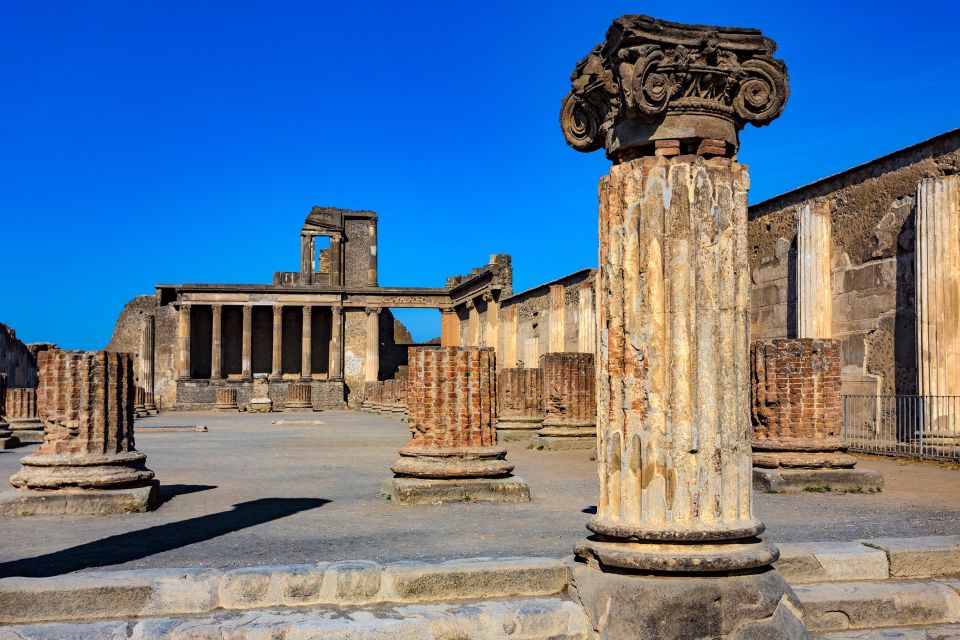
Pompeii’s ruins are famous, but the real power is how the disaster story fits inside the urban details. This is where you’ll notice the guide connecting what you’re walking past to the eruption events of 79 A.D.
You won’t be served the story as a detached timeline. You’ll learn about the highlights of the eruption while standing in places where everyday life once continued right up to the end. When that connection works, the ruins feel less like a dramatic backdrop and more like a snapshot that froze mid-moment.
And that makes your later self-guided exploring much better. After you’ve heard the explanation, you’ll recognize patterns—how certain areas connect to daily movement and what the eruption likely changed. You’ll likely look at the site with a different mental model: not just dead buildings, but a city that had rhythms you can still trace.
Skip Queues, Use Headsets, and Stay Oriented
Time matters in Pompeii. Even with a 2-hour guided window, the tour begins with you meeting at the entrance and being grouped and oriented. Some people noted that setup time (like distributing headsets/radios) can eat into the practical guided portion, so it’s smart to mentally plan for less than a full “2 hours of walking + deep explanations.”
That said, the structure is still efficient. The tour includes skip-the-line elements at entry, and the walk is routed toward the most important areas so you don’t waste time trying to figure out what to prioritize on your own.
Also, do yourself a favor and keep track of the meeting point and ending point. After the tour, you can stay in the ruins as long as you want. So you want your plan ready before you walk away—otherwise the site’s scale can swallow your energy.
Price and Value at $64: What’s Included (and What Isn’t)
At $64 per person for a 2-hour archaeologist-led visit, the value comes from what you actually get: a daily entry ticket plus guided interpretation. That’s not just “someone walking you around.” You’re paying for expert context in a limited time frame, and for many people that’s the best money spent in Pompeii.
Here’s the practical breakdown:
- Included: the daily ticket and a guided 2-hour tour with a regional archaeologist
- Not included: the Villa of the Mysteries
That last point matters more than it sounds. Pompeii is huge, and even a strong highlight tour won’t cover everything. The Villa of the Mysteries is often on visitors’ wish lists, so if that’s a priority for you, you’ll want to plan it separately.
One more value note: this tour covers only a portion of the overall archaeological park. Some bookings describe it as roughly a quarter of the site. That means you should see it as an intelligent “core coverage” experience—then build out your personal itinerary afterward.
After the Tour: How to Keep Exploring Without Getting Lost
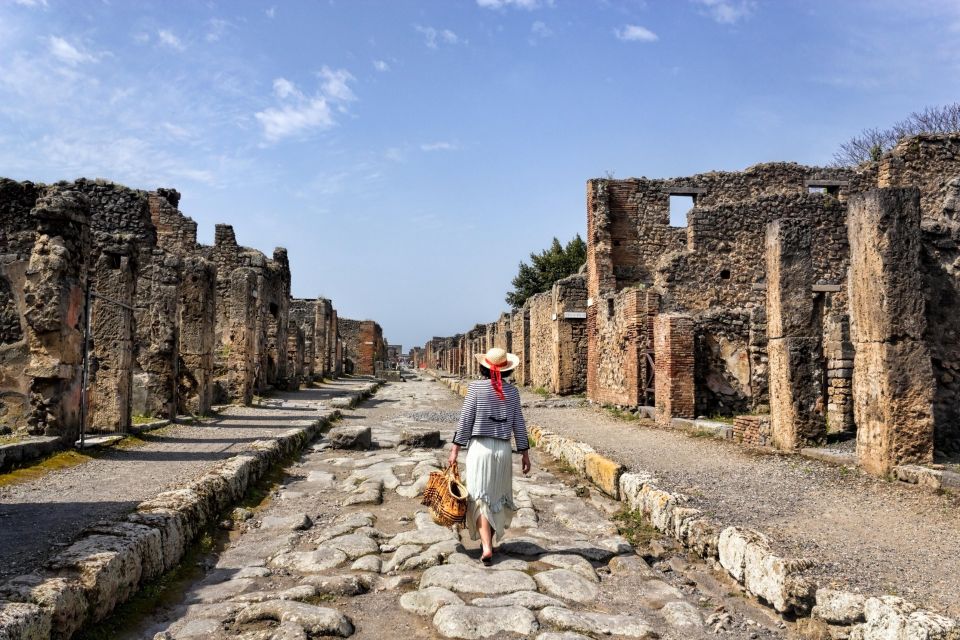
Once you finish the guided portion, the best part is that you can stay inside and continue. The guide can also offer recommendations for what to see next in the surrounding area.
To make that time pay off, bring (or buy) a site map. At least one booking emphasized that after the tour—since it focuses on about 25% of the park—you’ll want to continue with the help of a plan of the site you can purchase. When you have that map in your hands, you stop wandering and start moving with purpose.
Also, use what the guide taught you. If you understood the logic of the forum and the baths during the tour, you’ll likely spot connections as you walk elsewhere: how neighborhoods link to public spaces, how streets channel movement, and why some structures feel more “public” while others feel more private.
Who This Tour Suits Best
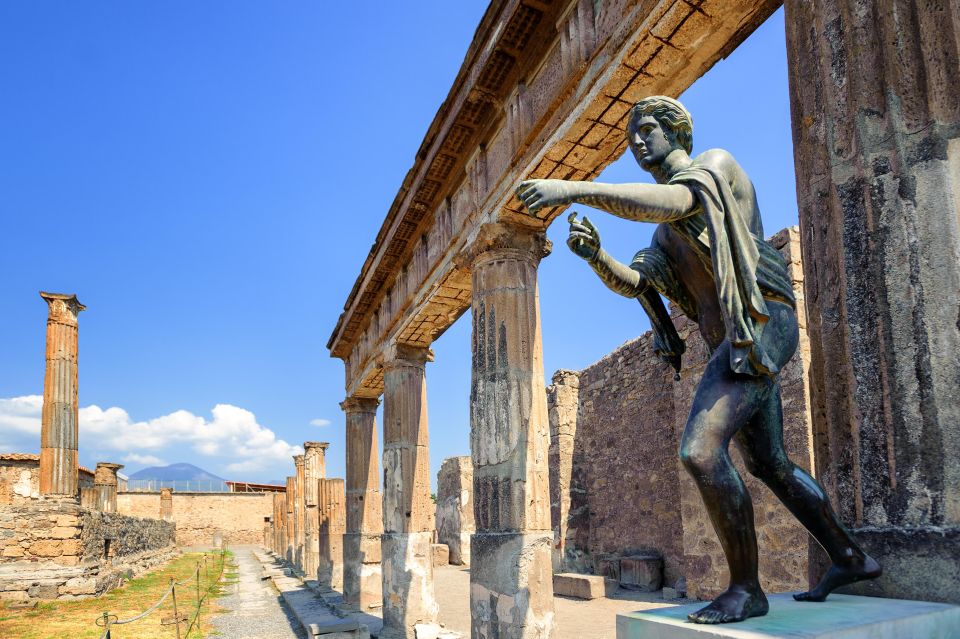
This Pompeii experience fits you best if you want structure, context, and time-savings—without trying to conquer the whole site in one day.
You’ll likely be a good match if:
- You don’t want to spend hours deciding what to see first
- You care about understanding daily life in Pompeii, not just collecting photos
- You like a small group pace (up to 16) where questions feel doable
- You want a guided foundation, then freedom to explore more afterward
If you’re the type who already knows Pompeii well and has a tight list of must-sees like the Villa of the Mysteries, you might consider pairing this tour with additional time on your own. The guide-led portion gives you context, but you still control your final itinerary.
Should You Book This Pompeii Archaeologist Tour?
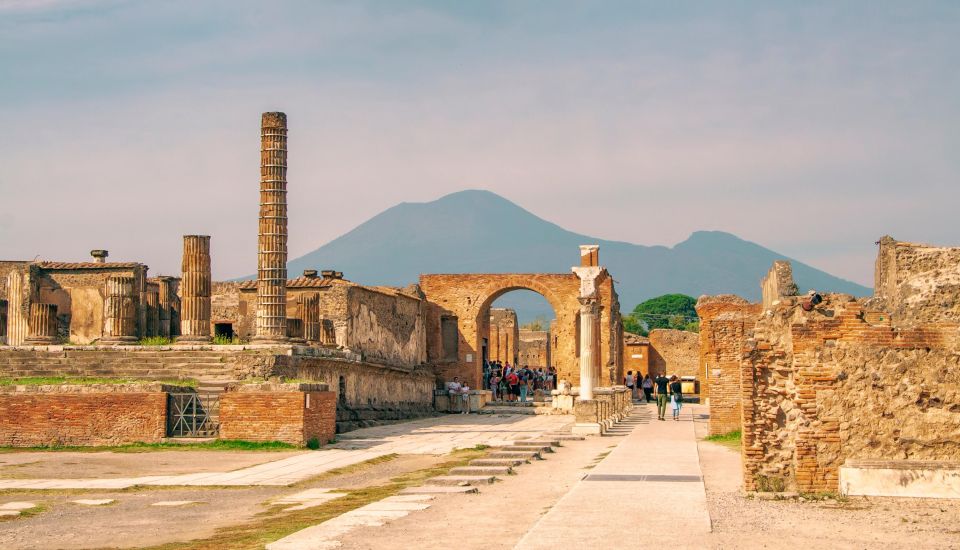
I’d book it if your top goal is to understand Pompeii quickly and leave with a clearer sense of what you saw. The combination of skip-the-line entry, a small group format, and an archaeologist explaining the major stops is exactly how to get real value out of limited time.
I would hesitate only if the Villa of the Mysteries is your number one priority and you don’t want to add extra planning. Since it isn’t included, you’ll need to time it separately or accept that this tour won’t deliver that specific highlight.
If you’re aiming for a smart first Pompeii visit, this tour is a strong choice. It gives you the bones of the story—and then lets you walk away and finish the picture at your own pace.
FAQ
Where does the Pompeii tour meet?
The meeting point is the main entrance of the Pompeii ruins called Porta Marina Superiore, where the guide holds the company sign.
How long is the guided tour?
The tour lasts 2 hours.
How big is the group?
It’s a small group tour with a maximum of 16 people.
What is included in the price?
The price includes your daily entry ticket and a 2-hour guided tour with a regional archaeologist.
What is not included?
The Villa of the Mysteries is not included.
Which languages are available?
The live guide is available in English and Italian.
Can I stay in Pompeii after the tour?
Yes. After the tour, you can stay inside the ruins as long as you want, and you can ask the guide for recommendations for nearby places to visit.