REVIEW · NAPLES
From Naples: Herculaneum, Mount Vesuvius & Pompeii Day Trip
Book on GetYourGuide →Operated by Di Sarno Car Service · Bookable on GetYourGuide
Three legends, one packed day.
This Naples day trip strings together Herculaneum’s buried villas, a hike to the Vesuvius crater rim, and Pompeii’s ruined streets—without the stress of driving, parking, or figuring out connections. You’re in transit in an air-conditioned minibus, then you get time to explore each place at your own pace.
I like that the schedule gives you free time at Ercolano (Herculaneum) and Pompeii, so you can linger where your interests hit. I also like the practical mix of transport plus real site time: Vesuvius entry is included, and you’ve got water onboard with live commentary along the way.
One consideration: Pompeii and Herculaneum entrance fees (and optional audio/guide add-ons) are not included, so your total cost can be higher than the base price once you’re there.
In This Review
- Key highlights to look for
- Why this Naples day trip works: Herculaneum, Vesuvius, Pompeii in one run
- Getting to Ercolano: what Herculaneum teaches you about 79 AD
- Mount Vesuvius crater edge: views, timing, and weather reality
- Pompeii’s ruins on your own clock: where to focus in 2 hours
- Price and value: what’s included, what you’ll pay onsite
- Tour pacing and real-world tips to enjoy the long day
- Who this trip is best for (and who should reconsider)
- Should you book this day trip from Naples?
- FAQ
- FAQ
- How long is the day trip from Naples?
- How much does the tour cost?
- Where do I get picked up in Naples?
- What stops does the tour include?
- Is entry to Mount Vesuvius included?
- Are entry tickets for Pompeii and Herculaneum included?
- Is there a certified archaeological site guide included?
- What languages are offered?
- Is the tour wheelchair accessible?
- Can infants sit on laps?
Key highlights to look for
- Herculaneum (Ercolano) first: earlier start can mean fewer crowds when you arrive.
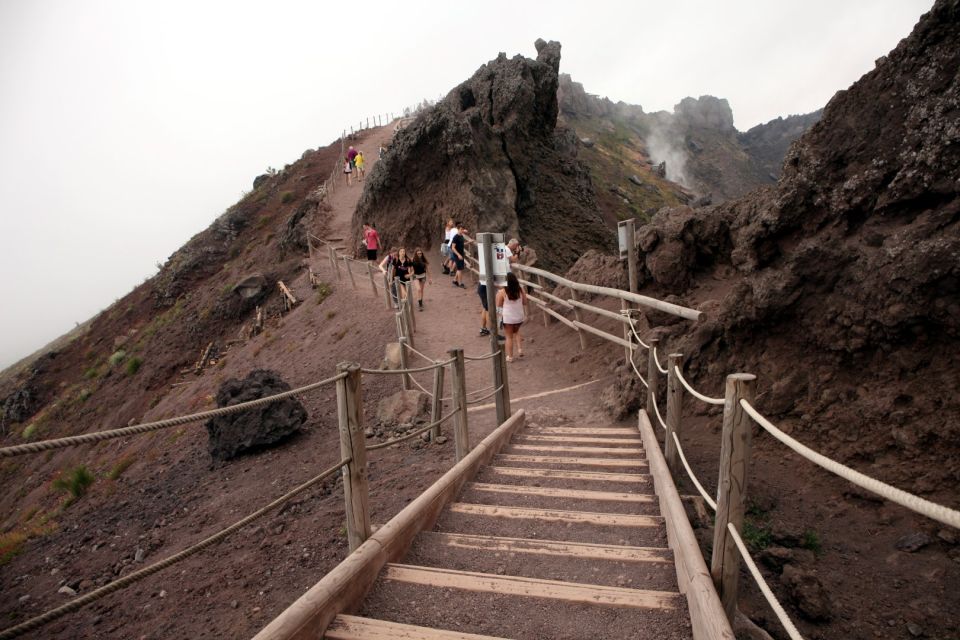
- Vesuvius crater time: entry is included, and you get about 1.5 hours for views and the climb.
- Pompeii without rushing: about 2 hours of self-guided time in the archaeological area.
- Low-stress transport: pickup from Stazione Marittima or Ramada by Wyndham Naples, with a minibus.
- Strong day-of service: many departures seem to rely on well-run staff (drivers and hosts) who keep things moving safely.
- Weather is the wild card: fog, hail, or dramatic conditions can affect what you see from Vesuvius.
Why this Naples day trip works: Herculaneum, Vesuvius, Pompeii in one run
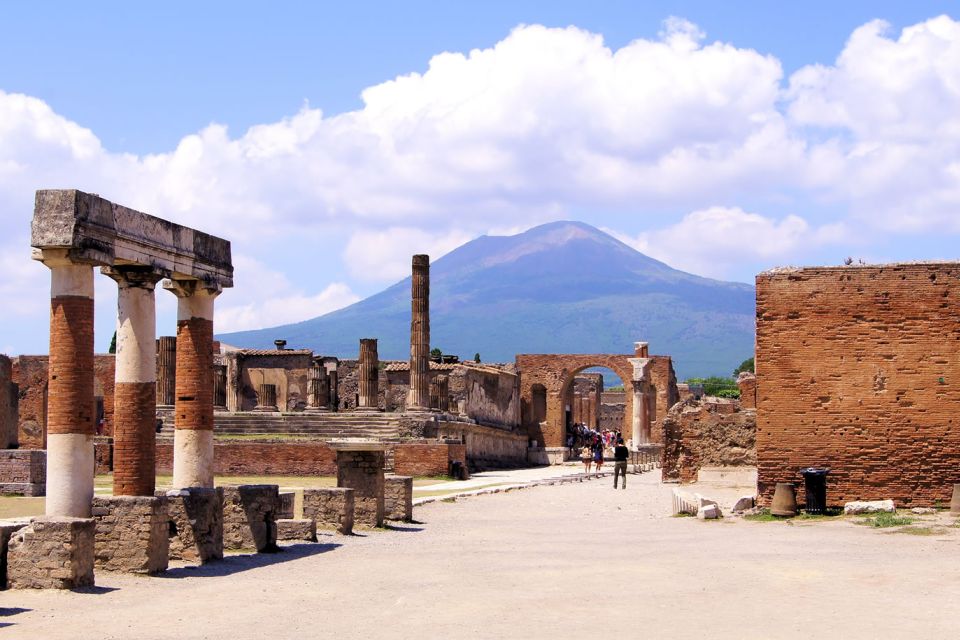
If you only have a short stay in Naples, this is the kind of day trip that saves your sanity. You’re covering three of the most famous sites tied to the 79 AD eruption of Vesuvius, in one organized sweep. The payoff is simple: you see major highlights without spending your day trapped behind a wheel or hunting for parking.
The tour’s rhythm is built around how people actually enjoy ruins. Instead of forcing you into one long guided lecture, you move between stops by vehicle, then get chunked time on the ground. That matters because Herculaneum and Pompeii both reward slow looking—details, doorways, mosaics, and street plans. In a tight itinerary, that free time is what helps the day feel like yours.
One more plus: the pickup options are practical. You can start from Stazione Marittima (great if you’re docking) or from the Ramada by Wyndham Naples. Either way, you avoid that awkward moment of wondering where your group is meeting and whether you’ll be late.
You can also read our reviews of more tours and experiences in Naples



Getting to Ercolano: what Herculaneum teaches you about 79 AD
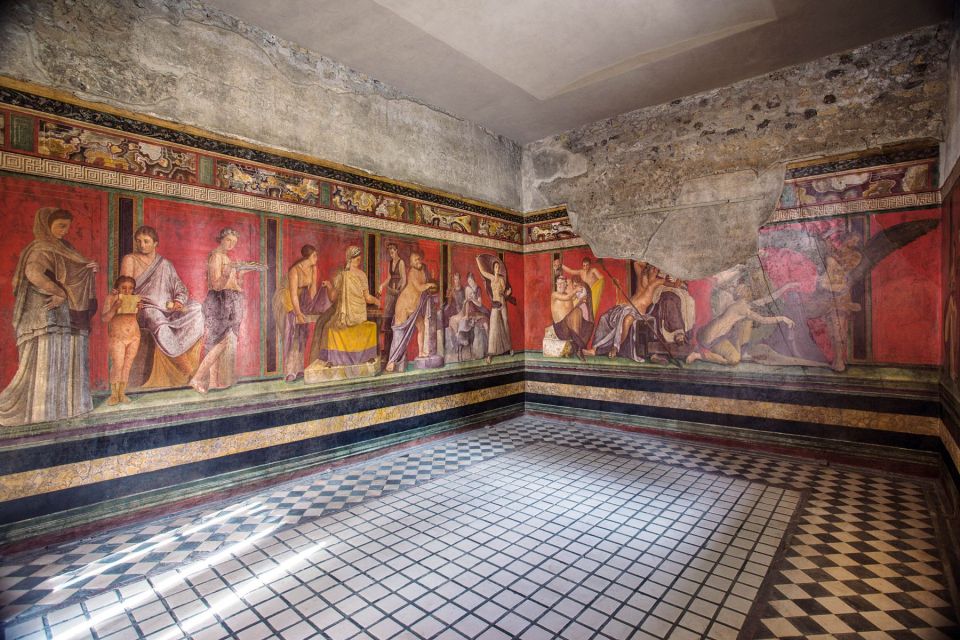
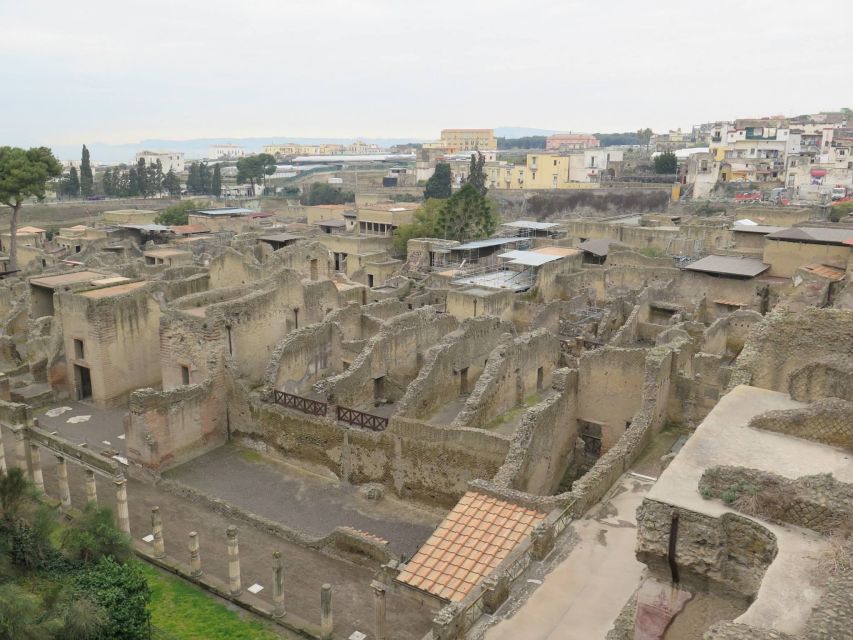
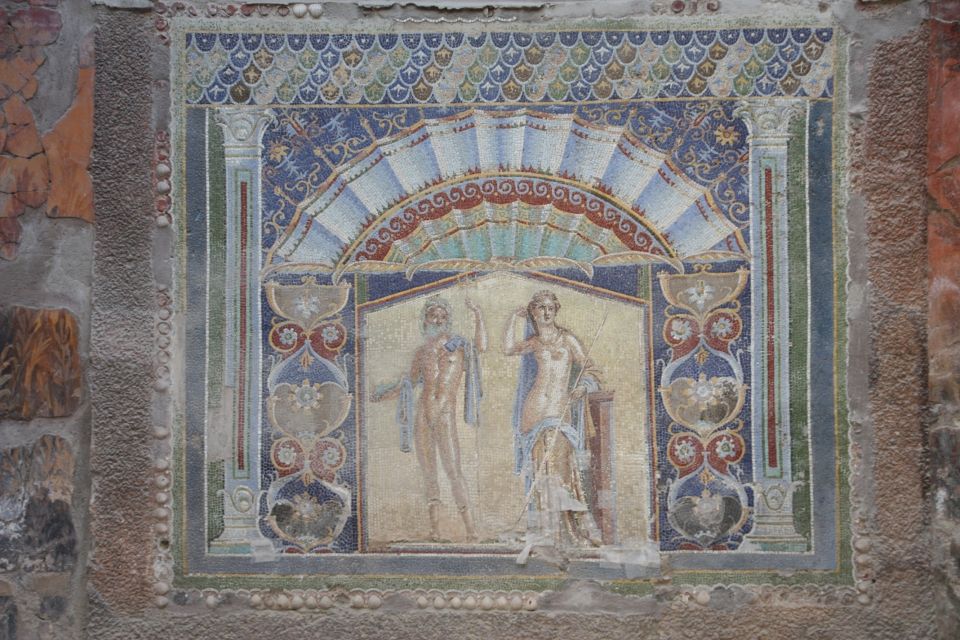
Herculaneum (Ercolano) is the quieter, more intimate companion to Pompeii, and it’s also the one that many people find more emotionally direct. The big reason is preservation. This Roman city was buried under volcanic mud from Vesuvius in 79 AD. Because of that type of burial, many elements stayed intact in ways Pompeii did not.
You’re given about 2 hours here, which is a good length for first-time visitors. You can walk the streets, look at ancient villas, and focus on mosaics and household details without feeling like you have to sprint. The experience is less about reading a single monument and more about getting a sense of daily life and how people lived indoors and outdoors.
Herculaneum also sets the tone for the rest of the day. Once you see what “eruption aftermath” looks like when it freezes neighborhoods in time, Pompeii becomes more than a list of ruins. You start noticing patterns—how homes connect, how space is used, and how dramatic the loss of life and routine must have been.
A drawback to plan for: uneven footing is common at these sites, and there are inclines around excavated areas. One review noted wheelchair challenges. Even if you’re not bringing accessibility needs, it’s worth thinking like a “good shoes” trip, not a “cute sandals” trip.
Mount Vesuvius crater edge: views, timing, and weather reality
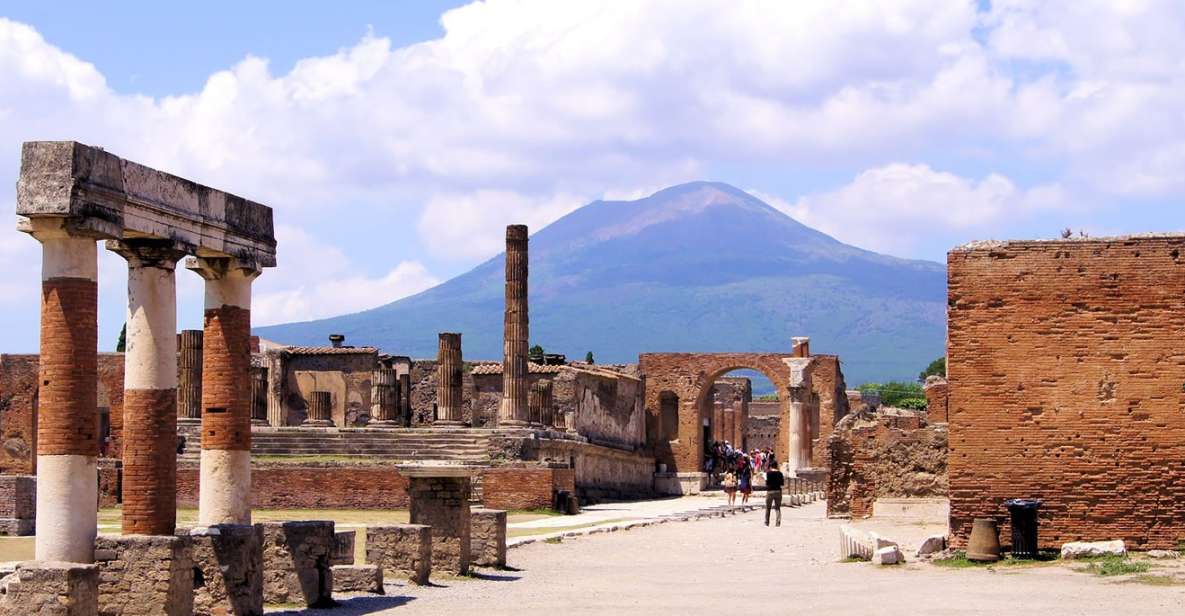
Vesuvius is the headline attraction for a reason. Standing near the crater rim gives you a perspective you can’t get from photos. From up there, you’re looking back at Naples and the Bay of Naples area, and that helps you understand why this volcano dominated local history and geography.
You get about 1.5 hours on Mount Vesuvius for sightseeing and the climb. The time is long enough to reach viewpoint areas and still have some breathing room if you move at a casual pace. But it’s not long enough to treat it like a long mountain hike. Think of it as a focused effort: climb, look, take photos, then return.
A practical tip based on how the day can go: bring a plan for changing weather. One account described hail and snow affecting visibility and making the ride back more intense. That’s not something you can control. What you can control is what you wear (layers help) and how you manage expectations. If conditions are rough, your crater views might be limited—but the experience still has meaning because the environment is the point.
Also note ticket timing. The tour includes entry access to Vesuvius in the package, but you still need to make sure you have the right Vesuvius ticket handled properly ahead of time. One traveler specifically recommended booking Vesuvius tickets in advance to avoid sold-out issues and to protect your time on site.
Pompeii’s ruins on your own clock: where to focus in 2 hours
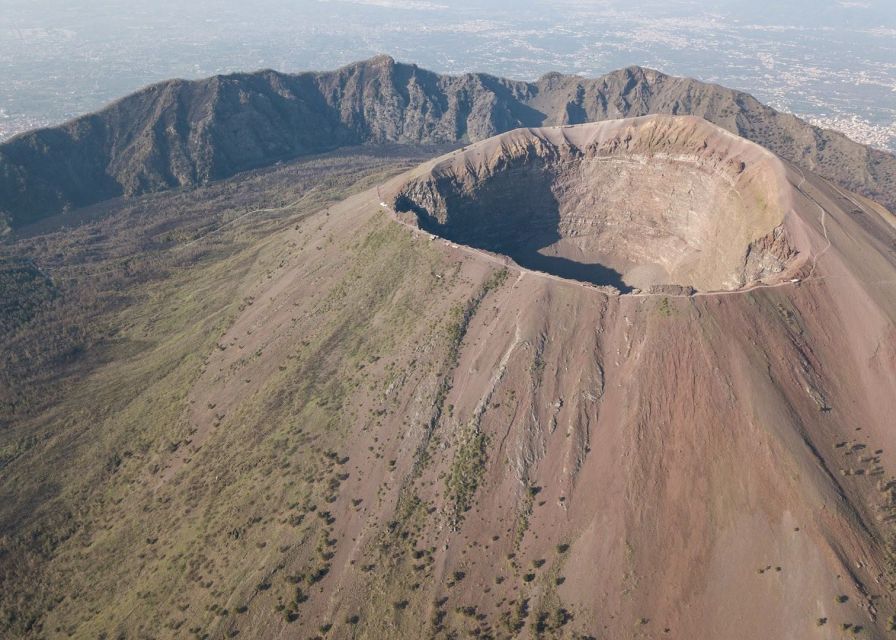
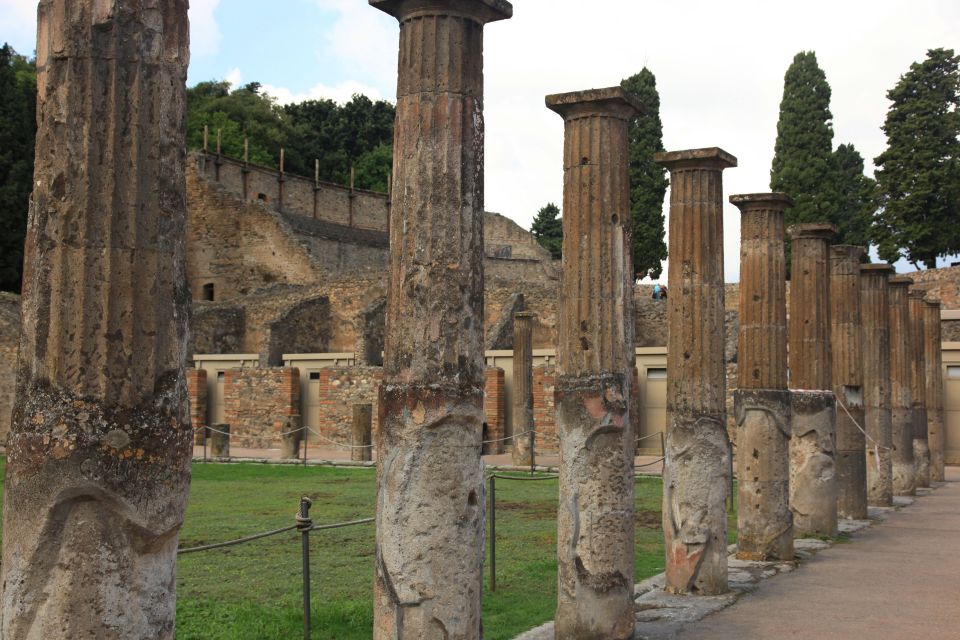
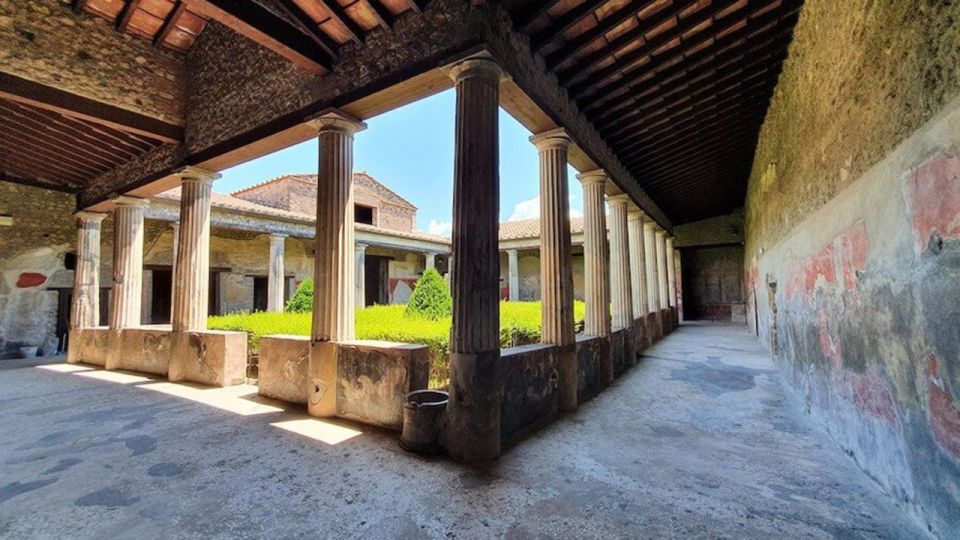
Pompeii is huge, and that’s the problem. Two hours sounds like plenty until you realize you’re dealing with an open-air city-scale museum. That’s why this tour’s approach makes sense: you get about 2 hours of free time so you can walk at your own pace and choose what you want to see instead of feeling locked into someone else’s route.
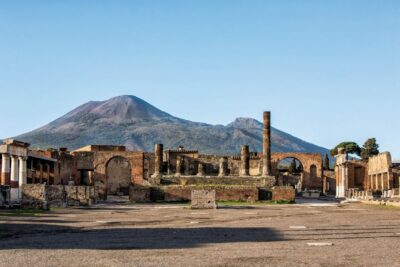
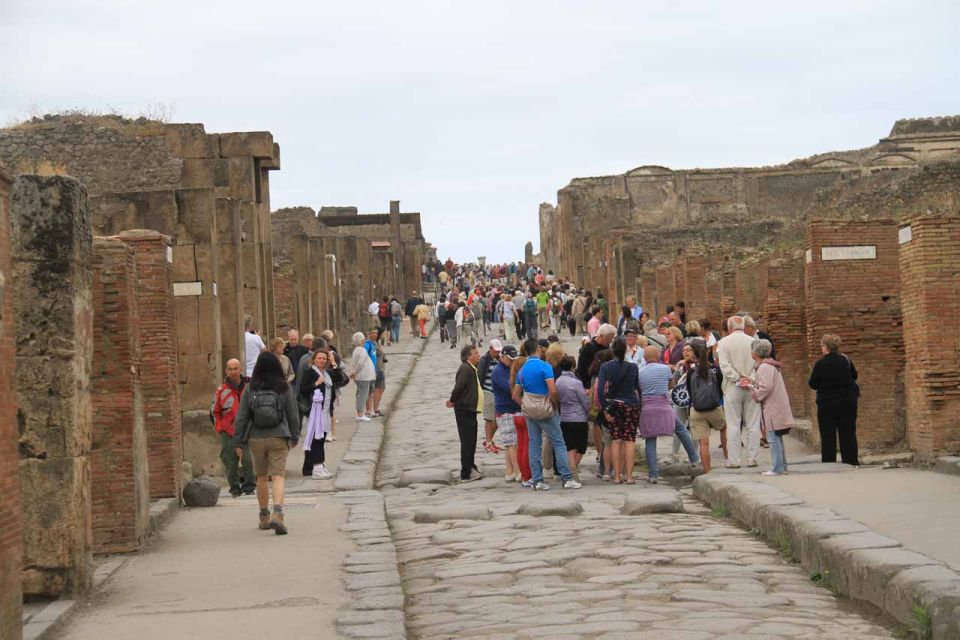
What to expect here is the “Roman city frozen in time” feeling—ancient streets, well-preserved ruins, and daily-life remnants that make it feel real rather than abstract. You’re not going to see everything in two hours. So I’d treat Pompeii like a greatest-hits visit: pick a few major areas you’re most curious about and aim to connect them with common sense walking loops.
If Pompeii is your priority, consider going in with a small list. Even knowing a handful of key sights helps you avoid wandering in circles. Pompeii rewards attention, but it also punishes aimlessness when the clock is ticking.
One more thing: Pompeii entrance is not included, and certified site guides are not included either. That doesn’t mean you’ll be lost. It just means you may want to rely on signage and optional audio guides if you want extra detail. Some travelers mentioned audio guide costs as an extra expense, so budget for it if you love context.
Crowds can be a concern at Pompeii in peak seasons. The good news is that at least some departures start with Herculaneum as the first stop, which can help you catch Pompeii and Vesuvius at a less intense moment later in the day. Still, don’t count on empty ruins—just plan to move steadily.
Price and value: what’s included, what you’ll pay onsite
At about $135.94 per person, the price feels reasonable for a full-day, multi-site Naples excursion—especially because transportation and one major entry component are handled. You’re paying for the “get me there and keep me moving” part: pickup and drop-off, minibus transport, live onboard commentary during the ride, fresh water onboard, and Vesuvius entry access.
Here’s what’s not included:
- Pompeii and Herculaneum entrance fees (extra on the day)
- Certified guides at the archaeological sites
- Optional add-ons like audio guides may cost extra
That balance is the key to understanding value. This is not a guided-only format where you pay once and everything is wrapped up. It’s more like a well-organized transportation-and-time package with self-guided exploring built in. For many people, that’s exactly what they want. You control your pace. You choose how much interpretation you want and how much time you spend reading vs walking.
How to budget smarter: decide what kind of visitor you are. If you’re happy with signage and a general sense of history, you may spend less on add-ons. If you want audio guidance, plan for it. If you also want a more structured guide-led experience inside the sites, you may find you need an additional tour add-on or a different format.




Tour pacing and real-world tips to enjoy the long day
This is an 8-hour day trip, and that’s both the magic and the limit. The magic is that you pack in three top-tier sites. The limit is fatigue. You’ll spend time on your feet at each stop, plus you’ll be in transit between them.
Here’s what I think helps most in a day like this:
- Start strong mentally. The earlier stop (Herculaneum/Ercolano) can be a momentum builder because the ruins are compact enough to digest in a couple of hours.
- Wear shoes you trust. Uneven ground is part of the Pompeii and Herculaneum experience.
- Bring sun and weather protection. Even if you’re counting on a classic Mediterranean day, conditions on Vesuvius can change quickly.
- Use the free time strategically. Two hours in Pompeii disappears fast if you don’t pick a route.
Group travel pros: you don’t have to worry about driving and parking. Several people highlighted that as a major win—especially if you’d otherwise be stressed just getting to the ruins. The transport setup also reduces decision fatigue. You show up, hop on, and get taken to the next stop.
Group travel cons: some minibuses can feel tight depending on the departure and how full it is. One review mentioned seats being small and that the bus can feel packed. It doesn’t usually ruin the trip, but it’s good to know if you’re sensitive to cramped seating.
Finally, staff quality seems to be a standout theme. Names like Sergi, Polly, Pietro, Luigi, Anita, Alfredo, Gabby, Gustavo, Rita, and others come up as drivers or guides who kept the day organized and informative. Different pairings can be different, but the overall pattern is consistent: safe driving, helpful direction, and enough context to understand what you’re seeing.
Who this trip is best for (and who should reconsider)
This tour fits best if you want:
- A one-day Naples solution for Pompeii + Herculaneum + Vesuvius
- The freedom to roam with free time rather than a strict guided script
- The convenience of pickup from central Naples (Ramada by Wyndham Naples) or Stazione Marittima
It may be less ideal if:
- You want every minute guided inside Pompeii and Herculaneum. Certified site guides are not included, and the tour’s site time is primarily self-directed.
- You need lots of time at Pompeii. Two hours is not long enough for a deep, slow archaeology-style visit of the whole complex.
- You’re expecting a fully “no walking” day. The sites involve uneven footing and climbs.
Accessibility info is mixed in the tour description you’ll see. There’s a note that it’s wheelchair accessible, but another line says it is not wheelchair accessible and that you should contact them for possible solutions. If accessibility matters, ask directly before booking so you’re not guessing.
Should you book this day trip from Naples?
Yes, book it if you’re trying to maximize your Naples time and you want the big-ticket Vesuvius-Pompeii pairing without logistics headaches. The value is strongest when you treat it as a transport-and-time package: you’re paying to skip driving, get organized pickups, and arrive with a big chunk of your day already planned.
I’d especially book it if you’re okay paying separately for Pompeii and Herculaneum entrances and you’re fine with self-guided exploring. The best part of the format is the free time. It lets you make the day feel human instead of rushing through someone else’s checklist.
I’d think twice if you want a fully guided, long-stay archaeological experience. Pompeii needs more than two hours for many people, and if you love interpretation, budget for audio guides or consider a different tour style.
FAQ
FAQ
How long is the day trip from Naples?
The tour duration is 8 hours.
How much does the tour cost?
The price is listed as $135.94 per person.
Where do I get picked up in Naples?
Pickup options include Stazione Marittima and Ramada by Wyndham Naples.
What stops does the tour include?
The day trip includes Herculaneum (Ercolano), Mount Vesuvius, and Pompeii Archaeological Site.
Is entry to Mount Vesuvius included?
Yes, entry tickets to Mount Vesuvius are included.
Are entry tickets for Pompeii and Herculaneum included?
No. Tickets for Pompeii and Herculaneum are not included in the tour price.
Is there a certified archaeological site guide included?
No. Certified guide services at the archaeological sites are not included.
What languages are offered?
The host/greeter is listed as English and Italian.
Is the tour wheelchair accessible?
The information is mixed: it is listed as wheelchair accessible, but it also says the tour is not wheelchair accessible and that you should contact in advance for possible solutions.
Can infants sit on laps?
No. Infants must have their own seat and cannot sit on laps for safety reasons.