REVIEW · NAPLES
Naples: City and Lapis Museum Tour with an Archaeologist
Book on GetYourGuide →Operated by Grand Tour Experience · Bookable on GetYourGuide
Naples has a second city under your feet. This tour pairs street-level Naples with archaeologist-led underground walks, plus small-group pacing that makes the time jumps feel easy and fun.
The main thing to consider is that you’ll go about 40 meters down and walk through tunnels, so it is not the best fit if you have mobility limits. Comfortable shoes are not optional.
In This Review
- Key Highlights You’ll Actually Feel
- Naples Underground, Without the Maze Feeling
- Piazza San Gaetano: The Perfect Start Point
- Getting Oriented With Churches, Mosaics, and Local Rhythm
- Santa Maria Maggiore: Going Down About 40 Meters
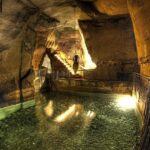
- Greek Cisterns and the Roman Water Logic
- The Lowest Point: Tunnels, Medieval Use, and WWII Cover
- LAPIS Museum Path: Where the Story Gets Organized
- WWII Shelters Museum Connection
- Pace and Group Size: Why 2 Hours Works
- Price and Value: What $53 Buys You
- Guide Energy: When Questions Actually Get Answered
- What to Bring: Shoes, Weather, and a Practical Day Plan
- Is This Tour Right for You?
- End Point at Piazza Bellini: Back to Street-Level Naples
- Should You Book This Naples Underground + Lapis Museum Tour?
- FAQ
- How long is the Naples City and Lapis Museum Tour with an Archaeologist?
- Where does the tour start?
- Where does the tour end?
- What’s included in the price?
- Is food included?
- What museums are part of the experience?
- How large is the group?
- What language is the tour offered in?
- Is this tour wheelchair accessible?
Key Highlights You’ll Actually Feel
- A guided archaeological route that connects ancient, medieval, and WWII Naples
- From piazza life to deep stone: starting above ground, ending underground in tanks and tunnels
- Greek cisterns carved in hard stone with Roman water storage steps you can visualize
- WWII shelters you can see up close, not just hear about
- A small group of up to 10, so your questions don’t get lost
Naples Underground, Without the Maze Feeling
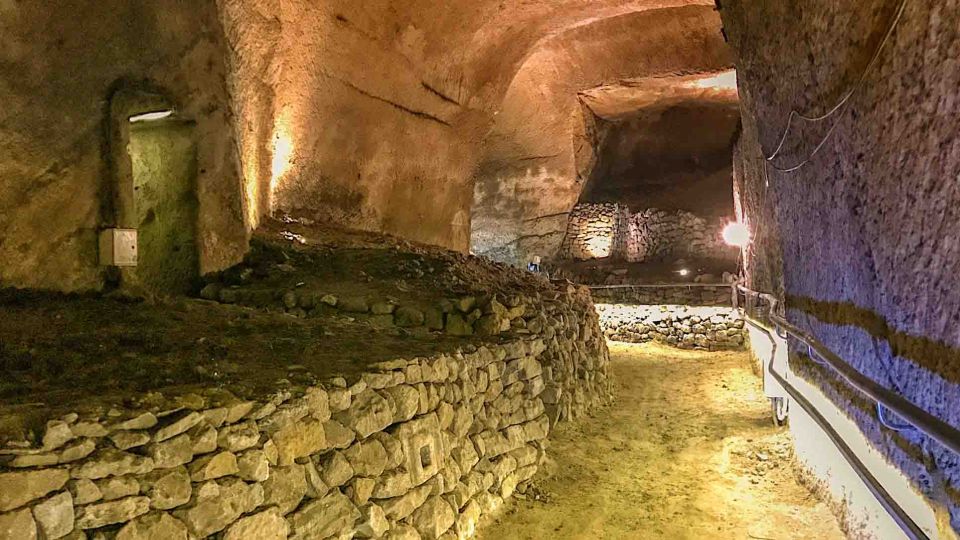
Naples is one of Italy’s oldest cities, and it still keeps major secrets under the streets. Here, the underground path is described as the world’s largest continuous route that connects Greek cisterns, Roman waterworks, and WWII air shelters.
What I like most is how the tour doesn’t treat the underground like a scary attraction. It frames it as a system—people storing water, traveling unseen, and hiding when the city needed cover—over and over through different eras.
You’ll also get a useful sense of scale. The tour’s description points out that about 45% of Naples’ underground is practically empty, which helps you understand why this kind of exploration feels special rather than constant overcrowding.
You can also read our reviews of more city tours in Naples



Piazza San Gaetano: The Perfect Start Point
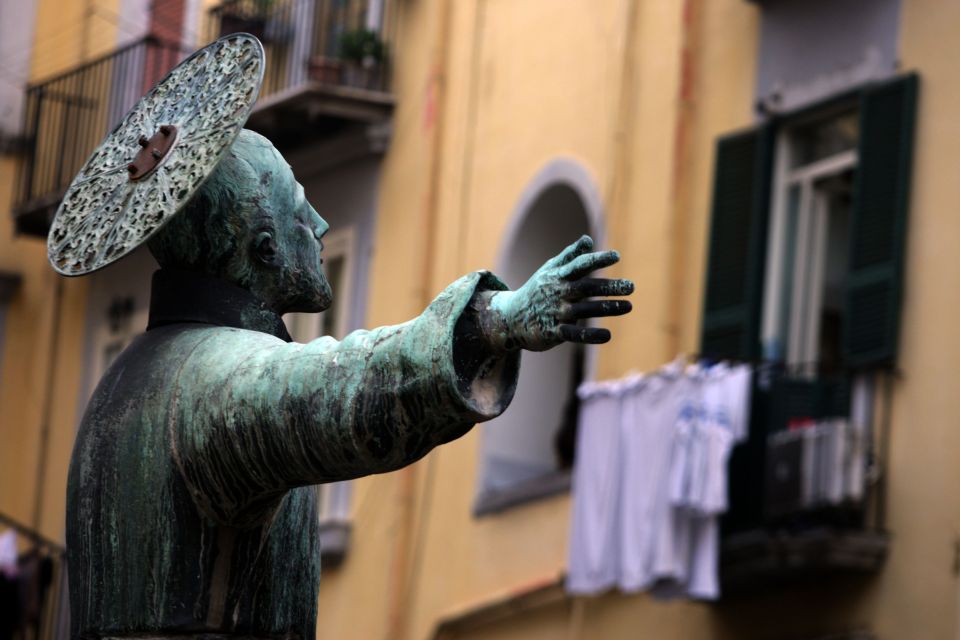
The tour begins at Piazza San Gaetano, at the foot of the statue, and you’ll meet your guide with a Grand Tour Experience sign. From there, you walk through real streets where Naples still lives at street level, not just as a museum city.
You’ll spend time on Via dei Tribunali and get guided context as you move toward key historic spaces. This matters because the underground route later makes more sense when you understand what sits above it.
One of the first wow moments comes near the Basilica di San Lorenzo Maggiore area, where you’ll also visit the Church of the Purgatory. The route includes a gothic church where you can peer down through a glass floor at remains of an earlier mosaic. It’s one of those simple effects that helps you feel how Naples stacks time top to bottom—without you having to be an expert.
Getting Oriented With Churches, Mosaics, and Local Rhythm
If you worry that an underground tour will feel like, go down, see walls, leave—this start is the fix. You get guided walking between major stops, so you learn the names and why they matter.
You’ll also notice the tour leans into the idea of Naples having underground cults and ritual layers, not just utilitarian tunnels. That framing may sound odd at first, but it changes how you read the places you pass. Suddenly, doors, floors, and stonework aren’t random. They’re part of a long pattern of use.
This is also where the guide really sets the tone. Some guides bring a high level of passion, and names that come up include Riccardo, who’s described as energetic about the subject and comfortable answering questions. Another guide name you may hear is Theresa, praised for expert focus and patience with mid-walk questions. Either way, you’re not stuck listening for two hours straight.
Santa Maria Maggiore: Going Down About 40 Meters
The tour’s first big vertical shift happens when you go down into Santa Maria Maggiore. The description highlights that you enter through a doorbell in one of the oldest churches of the city—an immediately memorable detail.
This is also where you get a strong “naples layering” story. The church is built on top of a Pagan Roman temple dedicated to Diana, and you can still see Roman structures incorporated into what stands today. That is a huge theme of Naples: older foundations don’t always disappear. Sometimes they get built into, built over, and kept working in new ways.
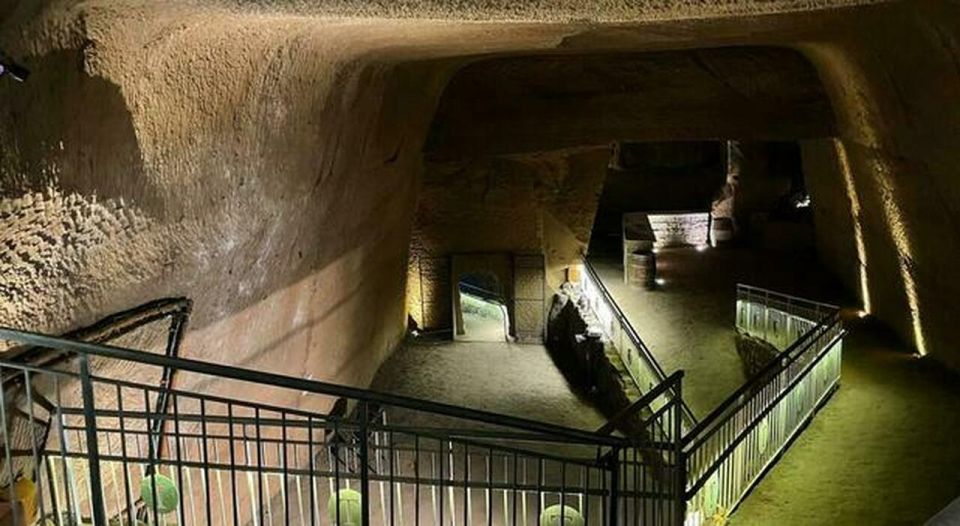
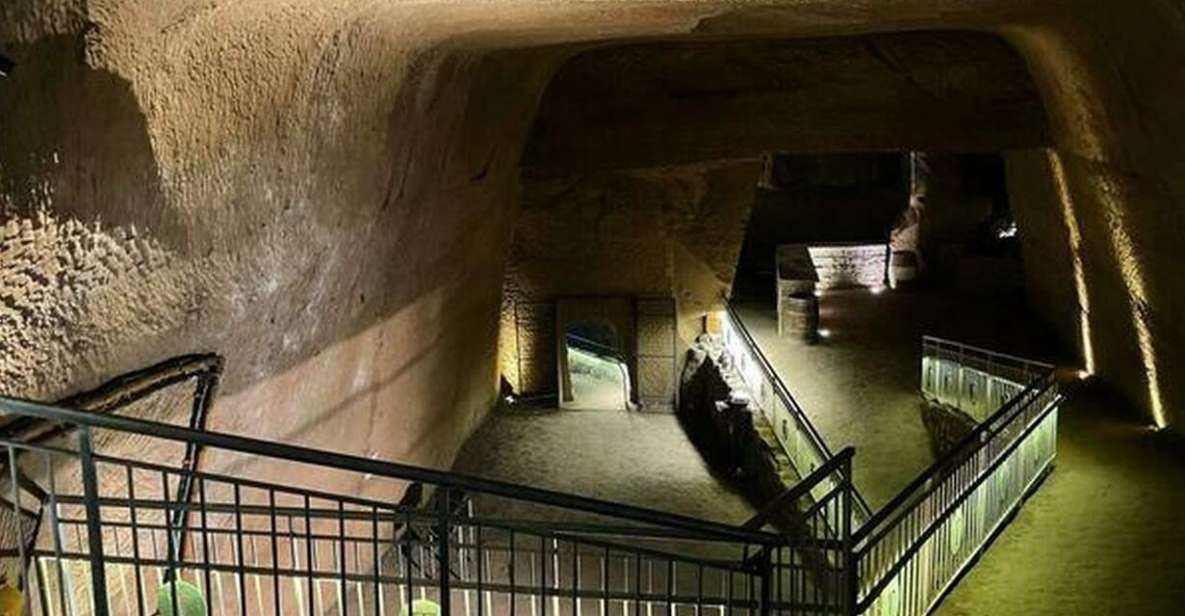
Once you’re underground, you’ll continue journeying downward until you reach the Greek cisterns carved into tough stone. The hard part about underground tours is losing track of what you’re looking at. The benefit here is that the stop-by-stop pacing helps you connect each location to a bigger timeline.
Greek Cisterns and the Roman Water Logic
At the point where you’re inside the cistern world, the tour becomes more than sight seeing. You’ll learn how the city collected and stored water, and why cistern design mattered.
The Greek cisterns are carved into tough stone, which makes them feel solid and real rather than fragile. From there, you move toward the tanks used for the collection of water in Roman times. You’ll be able to follow the water story in stages, not as one vague concept.
That matters if you like travel that actually teaches something. You’re not just collecting photos. You’re building a mental model of how Naples solved practical problems and how those solutions lasted.
And since you’re walking the path, you also get a sense of movement. Even in dim space, you can still understand flow: how people would have navigated between areas, and how later generations could reuse older routes.
You can also read our reviews of more museum experiences in Naples





The Lowest Point: Tunnels, Medieval Use, and WWII Cover
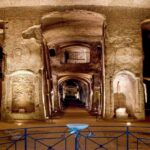
When you reach the lowest point of the route, you’ll walk through tunnels to reach the tanks and associated spaces. The tour description says this trail was also used in medieval times as a secret passage linked to the Templar Knights.
Then comes the WWII layer. In 1943, parts of these underground routes were used as an airplane retreat. That’s a wild contrast next to Roman water collection, and it’s exactly why the tour works so well: it shows how the same physical spaces can serve totally different needs.
The tour also notes that many bathrooms, kitchens, and pieces of memorabilia are still preserved to this day. Even if you’re not a history nerd, this kind of preserved everyday detail makes the WWII element feel less abstract.
It’s not a ghost story tour. It’s a human story tour—how people adapted with the underground they already had.
LAPIS Museum Path: Where the Story Gets Organized
The route includes time at the LAPIS Museum, with admission and guided visit included. This is where your underground experience gets structured into a clearer narrative.
Museums can sometimes feel like you’re walking through glass cases and reading captions. Here, the underground setting plus the guided archaeological approach tends to keep it practical. You’re seeing objects and spaces in context with what you just walked through, so it doesn’t feel disconnected.
Because you also have a professional archaeologist on the tour, you’re more likely to get solid explanations of what you’re looking at. People praised guides for being passionate and for time moving quickly, which usually means the guide kept the group engaged without turning it into a lecture marathon.
WWII Shelters Museum Connection
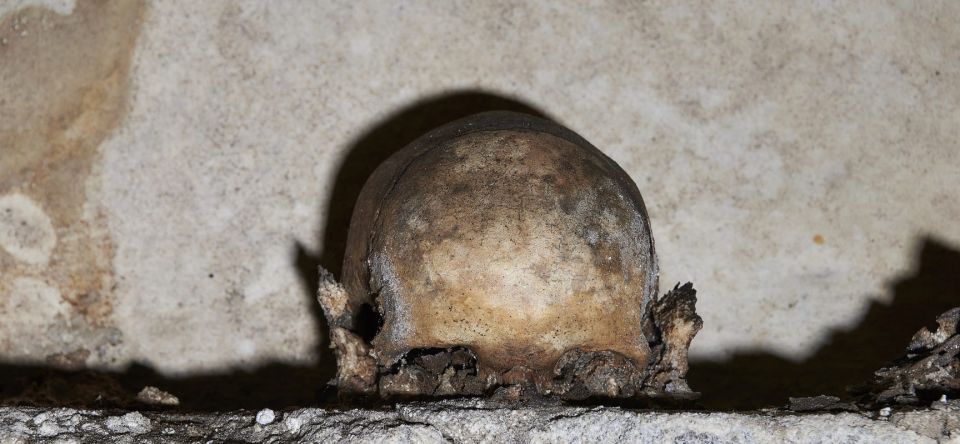
In addition to LAPIS, WWII shelters admission is included. That combination is useful because it helps you compare two underground priorities: survival infrastructure and long-term city function.
Roman water storage and WWII sheltering are both about keeping life going under pressure. The difference is intent and time scale, and your guide should help you see those contrasts as you move between spaces.
If you like history that connects to real architecture—stonework, passageways, and rooms you can still picture after you leave—this part tends to land well.
Pace and Group Size: Why 2 Hours Works
This is a 2-hour tour, small group up to 10 participants. That size matters in the underground. Space is limited, and people moving in a single line can get impatient fast on poorly paced tours.
Here, the structure of above-ground context plus planned underground transitions helps you avoid that trapped-in-a-cave feeling. You’re never stuck wandering alone, and you have enough time to ask the questions you’re thinking about.
Also, the tour skips the ticket line. That’s practical in Naples, where wasting time at entrances can turn a short tour into a stressful schedule gap.
Price and Value: What $53 Buys You
At $53 per person for a 2-hour experience, this isn’t a bargain tour. It can feel like a fair price only if you know what you’re paying for.
You’re paying for several things at once:
- a local guide
- a professional archaeologist
- admissions for Roman cisterns at LAPIS
- admissions for WWII shelters
- guided movement through multiple historic stops, ending at Piazza Bellini
When those are bundled, you’re not separately buying museum tickets and hunting for explanations. You’re also getting expert interpretation while the physical spaces are still fresh in your mind.
If your goal is photography only, you might prefer a cheaper self-guided walk. But if your goal is understanding Naples as a layered city, this price starts to look like good value.
Guide Energy: When Questions Actually Get Answered
Two guide-related details show up repeatedly in the positive feedback: guides bring strong enthusiasm, and they respond well to questions.
Riccardo is specifically named as passionate and knowledgeable, and Theresa is described as having deep expertise with patience for questions. That combination is important because underground tours can trigger practical questions like how water worked, how routes were reused, and what changes happened when eras shifted.
So if you like to learn by talking back, you’ll likely enjoy this. It’s the kind of tour where you can keep up without feeling rushed.
What to Bring: Shoes, Weather, and a Practical Day Plan
The essentials are straightforward:
- Comfortable shoes with grip
- Camera if you want to capture mosaics and preserved spaces
- Credit card and cash for personal expenses
- Weather-appropriate clothing
- A packed lunch if you need food before or after
The lunch note matters because the tour does not include food and drinks. Underground spaces can make you feel less aware of time, so plan accordingly. If you’re pairing this with other stops in Naples, think about when you’ll eat so you’re not hungry halfway through the day.
Is This Tour Right for You?
You’ll likely love this tour if:
- you want Naples history that connects multiple time periods in real space
- you’re okay walking on a guided route with stairs and tunnel sections
- you like museum-quality storytelling but in an outdoor-plus-underground format
You may want to skip or adjust your plan if:
- you need wheelchair-friendly access, since it is not suitable for wheelchair users
- you’re uncomfortable with going significantly below street level and walking through tunnels
End Point at Piazza Bellini: Back to Street-Level Naples
The tour finishes at Piazza Bellini. That’s a smart landing spot because it gets you back into open air and street life where you can recalibrate and plan your next meal or walk.
After spending time underground, it’s nice to have a lively piazza exit instead of being dumped back onto a quiet side street.
Should You Book This Naples Underground + Lapis Museum Tour?
I’d book it if you want more than a standard city tour. This one gives you a rare sequence: churches above, cisterns and tanks below, and WWII shelter rooms that still show daily traces like kitchens and bathrooms. The professional archaeologist plus the bundled museum admissions help justify the $53 price, especially in a short 2-hour window.
If you’re on a tight schedule, this is a strong use of time. Just come ready with good shoes and a calm pace, because the real star here is the route through space and time, not speed running.
FAQ
How long is the Naples City and Lapis Museum Tour with an Archaeologist?
It lasts 2 hours.
Where does the tour start?
Meet the group at Piazza San Gaetano, at the foot of the statue, and look for the guide holding a Grand Tour Experience sign.
Where does the tour end?
The tour finishes at Piazza Bellini.
What’s included in the price?
A local guide, a professional archaeologist, admission to the Roman Cistern Museum at LAPIS Museum, and admission to the WWII Shelters Museum.
Is food included?
No. Food and drinks are not included, so you may want to plan for meals outside the tour (a packed lunch is listed among what to bring).
What museums are part of the experience?
Roman Cistern Museum (LAPIS Museum) and the WWII Shelters Museum.
How large is the group?
It’s a small group limited to 10 participants.
What language is the tour offered in?
The tour is available in English and Italian.
Is this tour wheelchair accessible?
No, it is not suitable for wheelchair users.