REVIEW · POMPEII
Pompeii with an archaeologist, small group!!!
Book on Viator →Operated by Naplesprit · Bookable on Viator
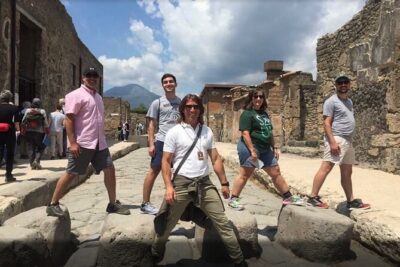
Pompeii feels close with the right archaeologist. This small-group visit takes you through a Roman city buried by Vesuvius in 79 AD, with an expert helping you see what you’re looking at instead of just snapping photos. I like the small group size (up to 12) because the pace stays human and questions don’t get lost.
My other favorite part is the archaeologist-led focus on everyday Roman life—houses, shops, bath areas, and even the theater and lupanary—so the ruins connect into one story. One drawback to consider: it’s about 2 hours, so you’ll see major highlights rather than every single corner of Pompeii.
In This Review
- Key Highlights You’ll Feel During the Tour
- Pompeii in Two Hours: What You’re Really Signing Up For
- Meet at Ristorante Suisse: A Practical Start in Pompeii
- With an Archaeologist (and Luca): Why the Guide Changes Everything
- Houses, Decorations, and the City’s Daily Rhythm
- Thermal Baths, the Theater, and the Places People Chose
- The Lupanary and the Reality Check of Roman Life
- “Moving Molds” and What You Can Learn From the Casts
- Afternoon Light, Fewer Crowds: Why the Timing Matters
- Value for $66.09: What Makes This Worth It
- Who This Tour Fits Best (and Who Might Want More Time)
- A Note on Weather and Group Size
- Should You Book Pompeii With an Archaeologist?
- FAQ
- How long is the Pompeii with an archaeologist small-group tour?
- How many people are in the group?
- Is the tour offered in English?
- Does the price include the Pompeii entrance ticket?
- Where is the meeting point?
- Is lunch included?
- Can I cancel for a full refund?
- What happens if the weather is poor?
Key Highlights You’ll Feel During the Tour
- Up to 12 people keeps the group manageable and the walk-and-talk less stressful
- An archaeologist guides in English, turning stone and layout into real context
- Pompeii Express entrance ticket included, so you start sightseeing right away
- Afternoon timing is designed to reduce heat and crowd pressure
- You’ll target the big sites like houses with decorations, shops, thermal baths, theater, and lupanary
- Mobile ticket makes check-in simpler on your phone
Pompeii in Two Hours: What You’re Really Signing Up For
This is a fast, smart way to see Pompeii’s main highlights without getting buried in information. The setting is massive—Pompeii covers about 66 hectares—but your visit is intentionally tight and focused. Expect a guided route that helps you understand what you’re seeing, not just where things are.
The whole premise is that Pompeii is a rare snapshot of Roman life. It was buried by the eruption of Vesuvius in 79 AD, and what survived gives you clues about daily habits, social life, and city design. With an archaeologist leading the way, you spend more time noticing details that make the place click.
Also, you’re not stuck in the hottest or most chaotic time of day. This is designed as an afternoon tour to avoid both heat and crowds, and the “end-of-day light” is part of the experience. That matters because Pompeii is outdoors, and lighting can change how much you can read from walls, floor patterns, and building layouts.
You can also read our reviews of more tours and experiences in Pompeii.


Meet at Ristorante Suisse: A Practical Start in Pompeii
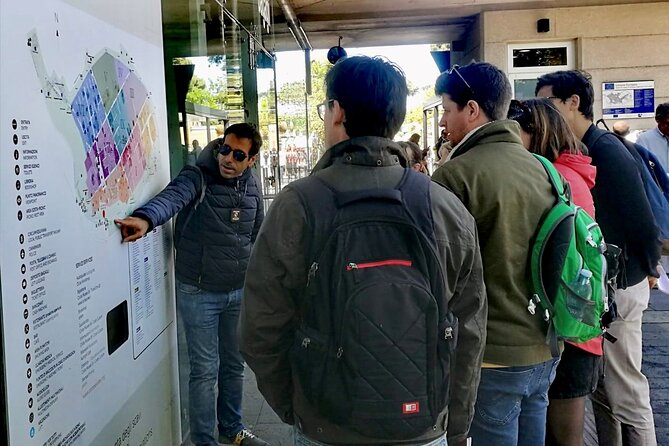
You’ll meet at Ristorante Suisse, Piazza Esedra 10/13, 80045 Pompei NA, Italy. Then the tour returns you back to the same meeting point at the end. That matters for planning your afternoon, because you don’t have to figure out a complicated end location after the ruins.
The group runs in English, and you’ll have a mobile ticket to use for entry. If you’re the type who hates printing paperwork or searching for confirmations, the mobile ticket is a small but real stress reducer.
The good news is that the start point is near public transportation, which helps if you’re mixing this with other parts of your day in the area. If you’re traveling from Naples or the Amalfi coast by train or bus, you’ll likely find it easier to connect to Pompeii from a central spot like this.
With an Archaeologist (and Luca): Why the Guide Changes Everything
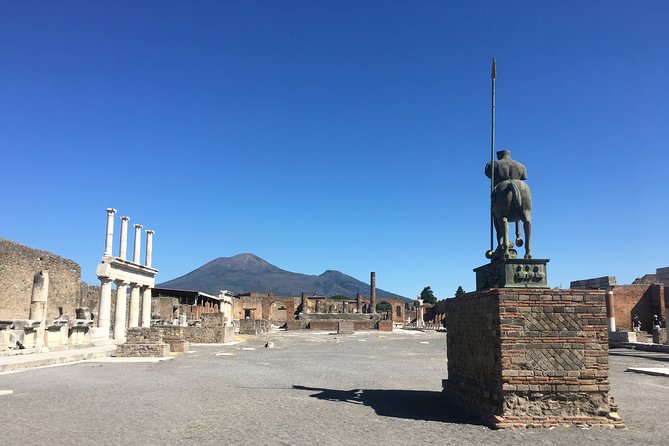
A regular self-guided walk can turn into “cool, interesting, next.” With an archaeologist, it becomes “wait, look at that.” This tour is designed around a specialist who helps you read the city the way it was meant to be read.
I especially appreciate the mention of Luca. The feedback highlights that Luca was very competent and friendly, and the tour felt perfect. That combination is important here. Pompeii can feel overwhelming fast, but a good guide helps you focus on what you should notice—decorations, layout, and how people actually moved through daily routines.
Here’s what you should expect from that archaeologist approach: you’ll see major buildings, yes, but the explanation is tied to daily life and habits. The city isn’t treated like a pile of ruins. It’s treated like a functioning place, frozen in time.
And the small group size helps this land. When there are fewer people, you get a better chance to ask basic questions, or at least catch the answers the guide gives when something doesn’t make sense at first glance.
Houses, Decorations, and the City’s Daily Rhythm
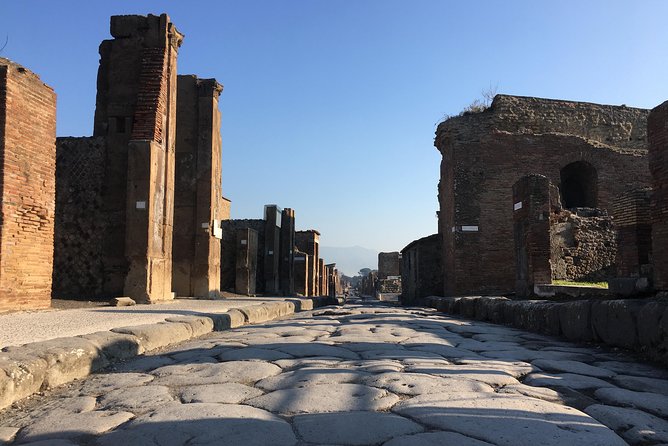
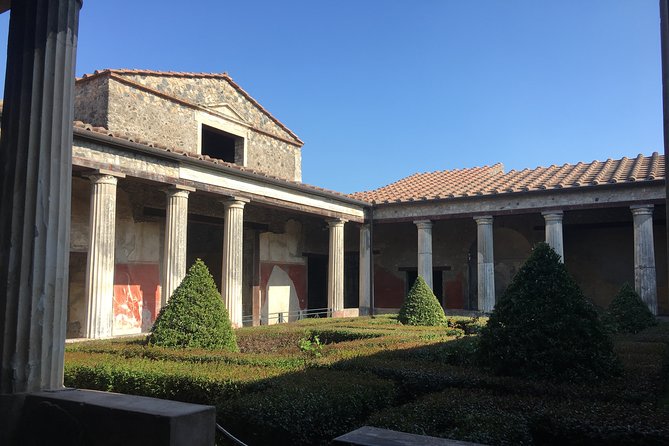
Pompeii works best when you connect “big sites” to “ordinary life.” This tour does that by taking you through a blend of locations: the typical home with decorations, the commercial spaces, and the public areas where people gathered.
You’ll get to see the kind of house that tells you about Roman taste and status. The ruins can look like walls at first, but that changes when someone points out what decorations meant and how rooms were used. The idea is not to memorize terms. It’s to understand why these homes looked the way they did.
Then you shift gears into the shops. This is where Pompeii stops being a museum of architecture and starts reading like a street-level community. Shopfronts and small business spaces help you picture the flow of everyday activity—people coming and going, buying goods, talking, and living their routines.
If you’re a photography enthusiast, these are the types of spots where images become more than pretty angles. You’re more likely to frame details you would otherwise miss. And if you’re traveling with kids, family groups often like this structure because it feels like a story with scenes, not a checklist of ruins.
Thermal Baths, the Theater, and the Places People Chose
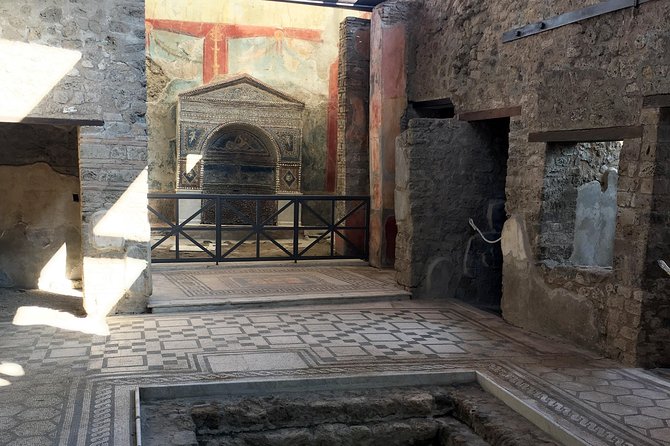
Roman cities weren’t only for work and home. They were designed for public life, and Pompeii makes that easy to see. This tour includes the thermal baths and the theater, plus other key community spaces.
The thermal baths are valuable because they reflect how Romans handled leisure, hygiene, and social time. Even if you don’t know the technical terminology, a guided explanation helps you interpret the layout and purpose. You start noticing how the space would have been used during a typical day.
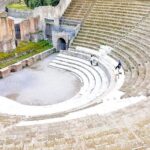
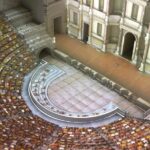
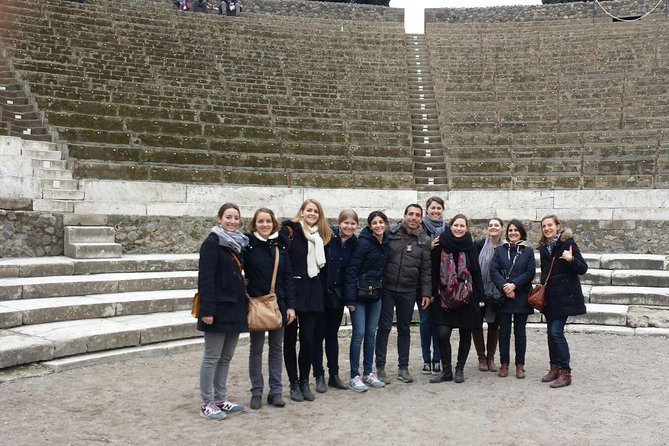
The theater adds another layer: public entertainment and communal energy. Pompeii’s ruins can feel still, but the theater context makes it easier to imagine the sound and movement of crowds. It’s a different kind of Roman life than the home or shop.
This balance is a big part of the tour value. Instead of only showing you grand buildings or only domestic spaces, you get a blend of private and public. That makes the city feel more complete.


The Lupanary and the Reality Check of Roman Life
Some sites in Pompeii are uncomfortable, and the lupanary is one of them. That’s exactly why having an archaeologist matters. This isn’t a tour that treats everything like entertainment without context.
In a good guided format, you understand that this was part of Roman city life—how people organized certain services and how the city’s culture worked in practice. You still get to see the physical remains, but the framing helps you connect the site to daily habits and the real world.
If you’re sensitive to adult themes, be aware this stop is part of the plan. It’s not presented as something to sensationalize; it’s treated as an archaeological feature that helps explain what life looked like in that era.
“Moving Molds” and What You Can Learn From the Casts
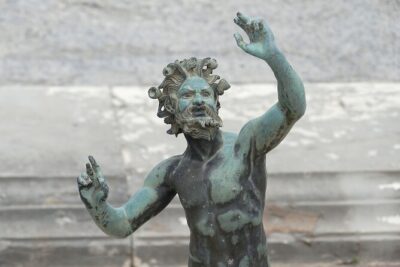
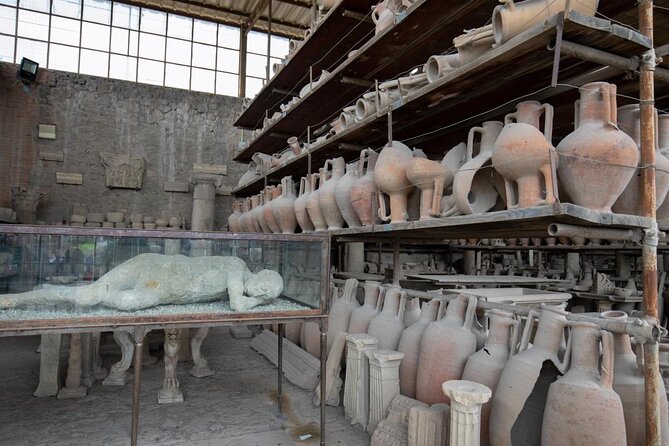
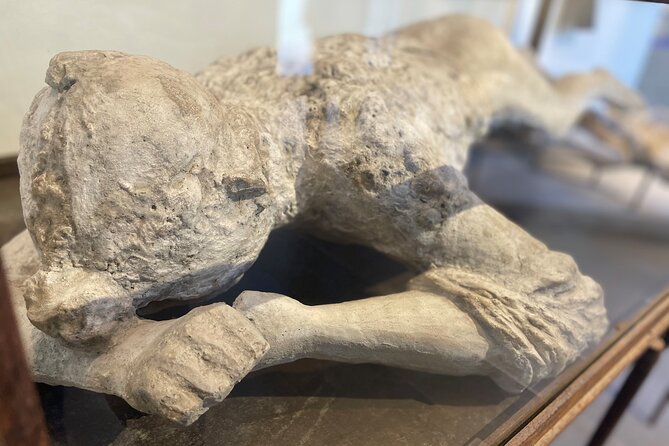
The tour also mentions moving molds, which signals the plaster casts and reconstructions people associate with Pompeii’s tragedy. These are the parts that tend to feel the most immediate—because they turn an event into visible human forms.
I like that the tour includes this element, even though it’s emotionally heavy compared to shops or baths. It’s one of the ways Pompeii becomes more than architecture. The guide’s job here is to keep it grounded: you’re not just looking at spectacle, you’re learning what the site can tell us.
If you’re curious about how archaeologists interpret evidence, this type of stop usually sparks questions. It connects the big “Vesuvius in 79 AD” story to the physical remnants and what they can suggest about how people were affected.
Afternoon Light, Fewer Crowds: Why the Timing Matters
The tour is designed to avoid the heat and the crowds, and that’s not a minor perk. Pompeii can be tiring, and sightseeing quality drops when you’re rushing or sweating through explanations.
By choosing an afternoon slot, you also get a better chance at that end-of-day light the tour highlights. In practice, that means the ruins are often easier to read and photograph, with shadows that help define surfaces and edges.
The crowd part is also real. A large site can slow down a group, and Pompeii is one place where “more time” doesn’t always feel like “more enjoyment.” The tour approach tries to make your limited window (about 2 hours) more productive.
That’s why this experience often works well for families. Kids and teens don’t always want to slog through long ruins days, especially when the sun is beating down. A paced afternoon route helps keep the energy up.
Value for $66.09: What Makes This Worth It
At $66.09 per person for around 2 hours, this isn’t the cheapest way to enter Pompeii. But it includes two big value drivers: a small group and an archaeologist, plus the entrance ticket via the Pompeii Express option.
If you compare solo entry tickets plus hiring a guide separately, this format is often easier on your budget math. You also save time because you’re not building your own plan on the fly. The tour structure means you spend your energy on the highlights and the explanations that make them meaningful.
Is it a deal? For the right traveler, yes—especially if you want understanding as much as photos. If you’re the kind of person who likes wandering independently and staying as long as you want in every room, the “about 2 hours” design could feel limiting.
My advice: treat this as your smart first pass. If you later want to come back and go slower in one area, you’ll know what to prioritize.
Who This Tour Fits Best (and Who Might Want More Time)
This experience is recommended for families and also for photography fans and archaeology lovers. The mix of sites—homes, shops, baths, theater, lupanary, and casts—gives you variety, which is usually how you keep different ages and interests engaged.
It also suits you if you like a structured walk with context. Pompeii is easy to misunderstand when you’re alone. A guide helps you connect the layout to life: where people would gather, what spaces were for leisure, and what the decorative details meant.
On the other hand, if you’re expecting a deep, long-form exploration of every building, this tour may feel brief. Two hours goes fast, even with a small group. It’s ideal for seeing the key pieces and understanding the overall picture, not for exhaustive coverage.
A Note on Weather and Group Size
This tour requires good weather. If it’s canceled due to poor conditions, you’ll be offered a different date or a full refund. That’s important because Pompeii is outdoors, and your comfort matters for getting full value from an explanation-heavy guide experience.
Also, the group caps at 12 people maximum. That’s a big part of why the tour experience can feel organized instead of chaotic.
Should You Book Pompeii With an Archaeologist?
Book it if you want Pompeii to make sense quickly—especially if you’re curious about Roman daily life and you value context over wandering. The small group size, English archaeologist guidance, and included entrance ticket are strong building blocks for good value at $66.09.
Skip or consider another option if you want to spend half a day (or more) moving at your own pace through every corner. With only about 2 hours, you’re here for highlights and interpretation, not total coverage.
If you like the idea of an afternoon visit designed to reduce heat and crowd stress, this is a very practical way to start your Pompeii day on solid footing.
FAQ
How long is the Pompeii with an archaeologist small-group tour?
It lasts about 2 hours.
How many people are in the group?
The maximum group size is 12 people.
Is the tour offered in English?
Yes, it’s offered in English.
Does the price include the Pompeii entrance ticket?
Yes. The tour includes a Pompeii Express entrance ticket.
Where is the meeting point?
The meeting point is Ristorante Suisse, Piazza Esedra, 10/13, 80045 Pompei NA, Italy.
Is lunch included?
No, lunch is not included.
Can I cancel for a full refund?
Yes. You can cancel up to 24 hours in advance for a full refund.
What happens if the weather is poor?
The experience requires good weather. If it’s canceled due to poor weather, you’ll be offered a different date or a full refund.