REVIEW · NAPLES
Campania: Royal Palace of Caserta Guided Private Tour
Book on GetYourGuide →Operated by Askos Tours · Bookable on GetYourGuide
Caserta Palace hits you fast: it feels bigger than it should. A 2-hour private guided visit lets you make sense of a building famous for 1,200 rooms, linked by 34 staircases and lit by 1,970 windows.
I love how the tour spotlights the palace’s dramatic “how did they build this?” moments, especially the 116-step grand staircase leading toward the upper areas and the Palatine Chapel. You also get a real sense of the taste of the Bourbon court, with rooms decorated in a Rococo and Neoclassic mix that’s easy to appreciate once someone explains what you’re looking at.
One consideration: with only 2 hours, you’ll see highlights rather than a full walk-through of every room in the place. That’s not a deal-breaker, but if you’re hoping for an everything-in-one-go visit, you’ll want to plan extra time on your own.
In This Review
- Key Things You’ll Notice on This Caserta Tour
- Getting In at Piazza Carlo di Borbone and Finding Your Guide
- Why the Palace Works So Well With a Short, Guided Visit
- Vanvitelli’s Blueprint: Design Built for Power (and for Guests)
- The Atrium and the 116-Step Staircase That Sets the Tone
- Palatine Chapel: Gilded Details and Vaulted Volume
- Royal Apartments: Rococo Meets Neoclassic in Real Life
- Murat’s Apartment and the Court Theater: A Sense of Court Life
- Pace, Group Style, and Why Private Guidance Can Be Better Value
- Practical Tips Before You Go
- Should You Book This Caserta Private Tour?
- FAQ
- Where does the tour start?
- How long is the Royal Palace of Caserta guided private tour?
- Is skip-the-line admission included?
- What languages are offered for the live guide?
- What is included in the price?
- Is this tour suitable for wheelchair users?
Key Things You’ll Notice on This Caserta Tour
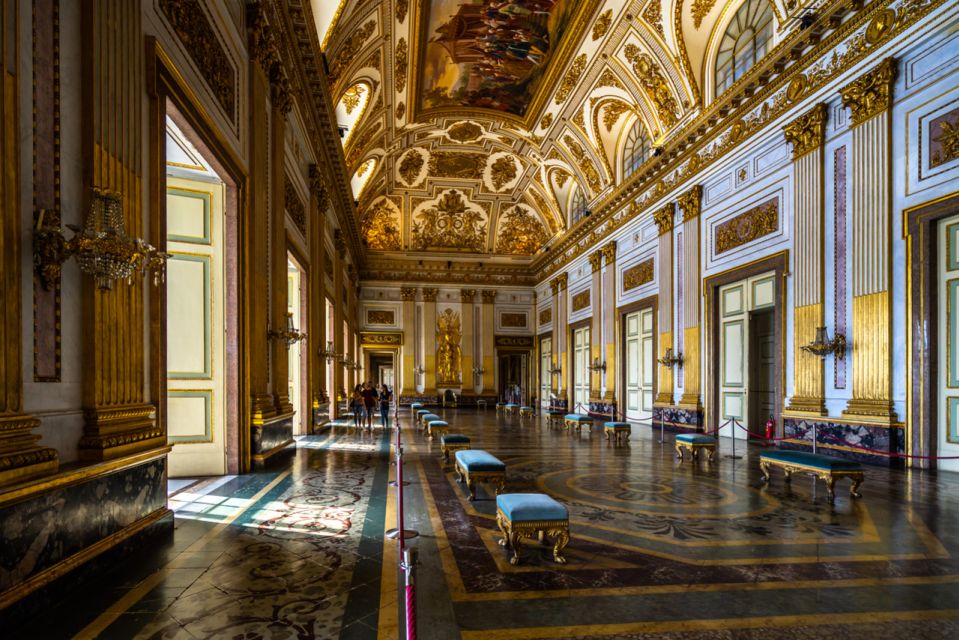
- Scale math that lands quickly: 1,200 rooms, 34 staircases, and 1,970 windows, explained so it doesn’t feel like trivia overload
- Luigi Vanvitelli’s design purpose: commissioned in 1751 by King Charles of Bourbon, built to compete with Europe’s grandest residences
- The atrium grand staircase: a 116-step centerpiece that acts like your visual roadmap
- Palatine Chapel details: vaulted ceilings and gilded rosettes that read as you move through the upper spaces
- Royal apartments with contrasting styles: the blend of Rococo and Neoclassic across the King’s rooms, Murat’s apartment, and more
- Guides who keep it human: I like that the experience often runs at a comfortable pace, and guides such as Anna and Serena are praised for being attentive and easy with families
Getting In at Piazza Carlo di Borbone and Finding Your Guide
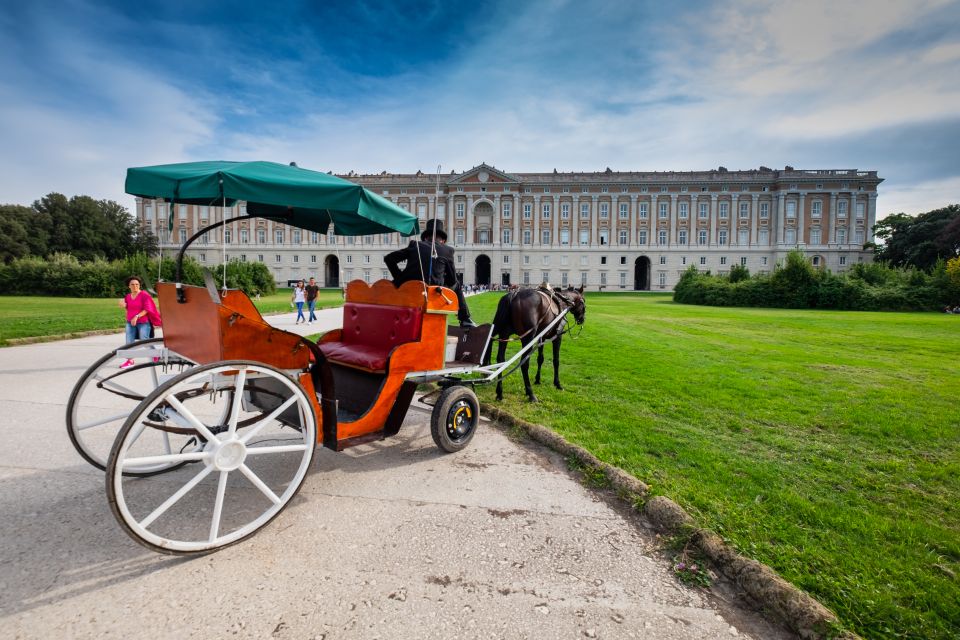
The tour starts at Piazza Carlo di Borbone, then you head to the Royal Palace entrance. Your guide meets you at the main entrance portal (under the flags) holding an ASKOS TOURS sign, so you can start without wandering around looking for the right person.
This kind of meet-up matters in a huge palace. When you’re early and organized, the visit feels like a guided story instead of a stampede of wandering. And because this is skip-the-line admission, you lose less time to basic logistics and more time to looking carefully at what’s in front of you.
If you’re traveling with kids, it’s especially helpful to go this way. One of the strongest pieces of feedback is that guides like Serena know how to handle younger visitors and keep explanations understandable without rushing.
You can also read our reviews of more guided tours in Naples


Why the Palace Works So Well With a Short, Guided Visit
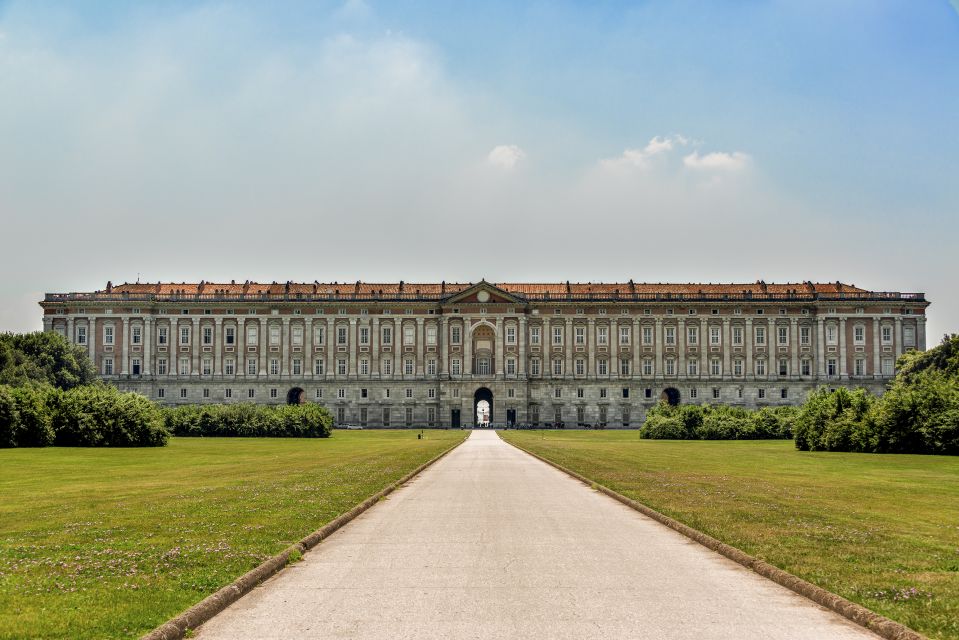
Caserta is one of those places where the scale can overwhelm you. You can stand in one room and feel small, then step into another corridor and feel like you’re walking through a whole different world. A guided format helps because it turns “big” into “clear.”
In 2 hours, you’ll focus on the palace’s most meaningful zones: the architectural statement parts, the chapel area, and the royal-decorated rooms that show how court taste changed over time. Instead of trying to remember a list of rooms, you’ll understand the palace’s logic: where you are in the story of the Bourbon court and how design choices reinforce power.
You also get context for the building’s numbers. The palace’s 1,200 rooms can sound like a gimmick until you know what those spaces were for and how visitors would move through them. Then it starts to feel intentional, not just excessive.
Vanvitelli’s Blueprint: Design Built for Power (and for Guests)
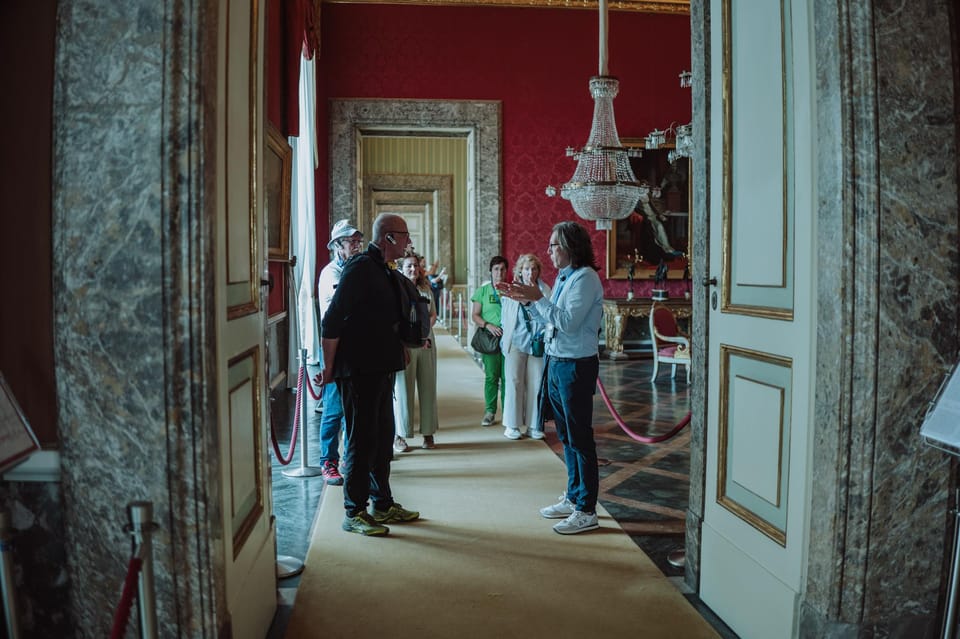
The Royal Palace of Caserta was commissioned by King Charles of Bourbon in 1751. The architect was Luigi Vanvitelli, and the goal wasn’t modest. This wasn’t meant to be a comfortable home; it was meant to stand shoulder to shoulder with the grand residences of European monarchs.
On a guided walk, you’ll get a sense of how the palace’s architecture does the persuading. The number of windows matters because light is part of how formal interiors feel alive. The palace’s 1,970 windows aren’t just a count; they shape what rooms feel like and how decoration shows up throughout the day.
Even the staircase idea connects to that. The palace links spaces through 34 staircases, meaning movement is part of the experience. If you’ve ever visited a palace where everything feels flat or one-note, this one feels different because the building keeps changing your perspective.
The Atrium and the 116-Step Staircase That Sets the Tone
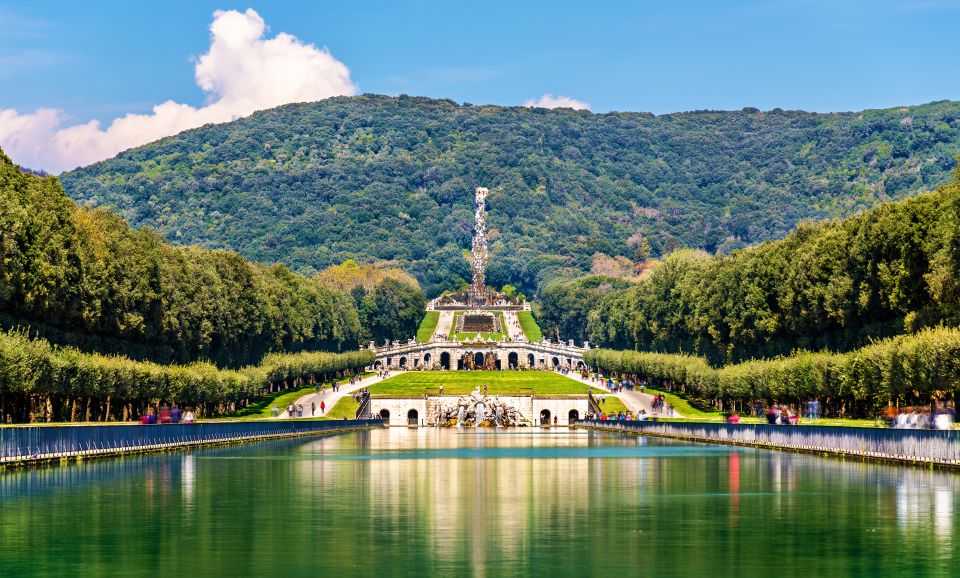
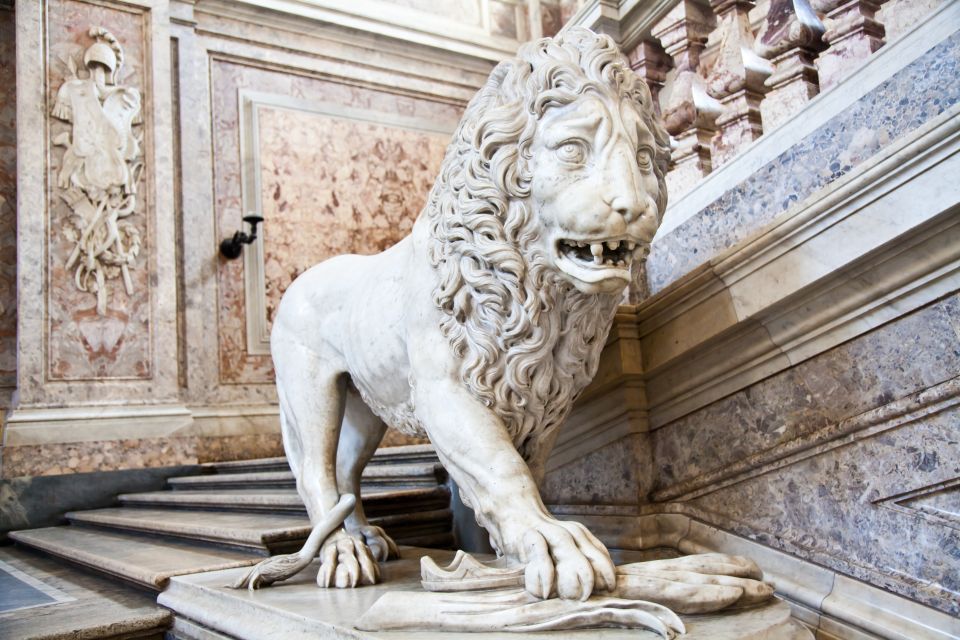
This is where the tour starts to click into place. In the atrium of the main building, you’ll see a majestic staircase with 116 steps. It’s not just a stairway. It functions like a visual announcement: pay attention, because the palace is built to impress.
As you move toward the upper vestibule and the Palatine Chapel area, the space starts acting like a stage. The architectural rhythm helps you understand why the chapel and upper rooms feel like a step upward in status and ceremony.
Marble statues are part of what you’ll notice here. When a guide points out why they’re placed where they are, it changes how you look. Instead of staring at decoration, you start reading it as part of an arranged experience for important guests.
Palatine Chapel: Gilded Details and Vaulted Volume
The Palatine Chapel is one of those stops where the guide’s explanation can make or break the moment. You’ll see vaulted ceilings and gilded rosettes—details that are easy to recognize and also easy to miss if you’re just snapping photos.
A good private guide helps you slow down just enough to let the architecture register. Vaulted ceilings can feel dramatic in any building, but in a chapel like this, the height and ornament work together so your eye moves naturally through the space.
This is also a good location to listen for the “why it looks like this” part. You’re not just absorbing pretty decoration. You’re learning how religious and royal power were visually linked in 18th-century Italy.
You can also read our reviews of more private tours in Naples






Royal Apartments: Rococo Meets Neoclassic in Real Life
One of the best reasons to go on a guided tour is that style changes can feel confusing when you’re left on your own. Here, you’ll see the palace’s signature blend of Rococo and Neoclassic design, and you’ll get help recognizing what those labels mean in the rooms themselves.
Rococo often shows up as a kind of decorative lightness—curves, ornament, and a sense of delicate craft. Neoclassic brings more order and a more formal, structured feeling. When your guide explains what to look for, the contrast becomes clear without requiring you to be an art historian.
You’ll also learn how top painters and cabinet makers contributed to the high decoration level in the King’s apartment and across other key spaces. The point isn’t just that famous artists worked here. It’s that the palace is a system: craftsmanship, architecture, and design taste were coordinated to send one message.
Murat’s Apartment and the Court Theater: A Sense of Court Life
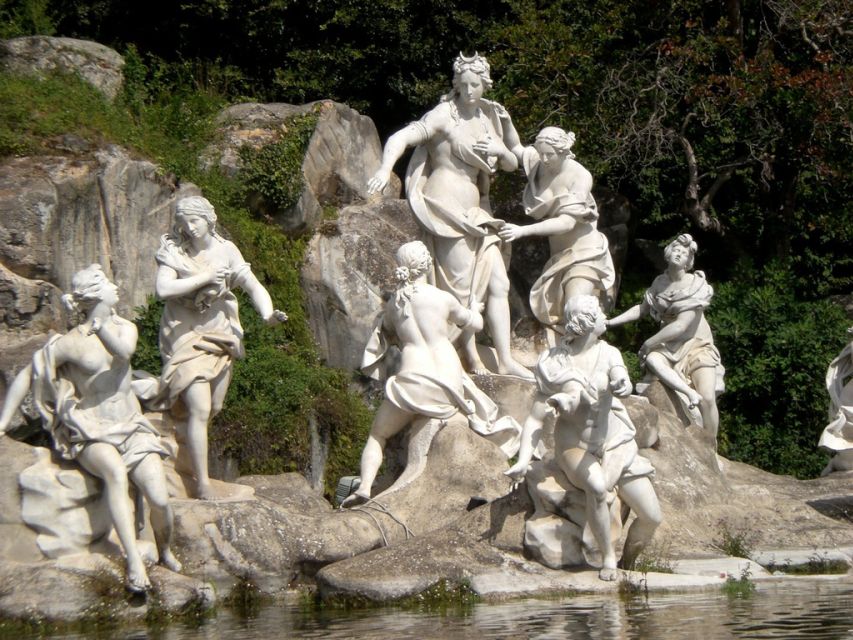
Not every palace stop is about pure beauty. Some are about what daily court culture looked like. That’s why rooms connected to broader court life matter on this route.
You’ll see highlights including Murat’s apartment and the court theater. Murat’s name connects the palace to a later chapter of history, so it’s not only frozen in the Bourbon era. The court theater helps you picture how entertainment and ceremony were part of power.
Even if you don’t care about theater history specifically, it helps to place it in context: a royal palace wasn’t only about private living. It was about hosting, performing, and maintaining an image.
Your guide’s job here is crucial. If someone gives you a quick map of what those rooms were used for, the palace stops feeling like a gallery of furniture and turns into a place with rhythm.
Pace, Group Style, and Why Private Guidance Can Be Better Value
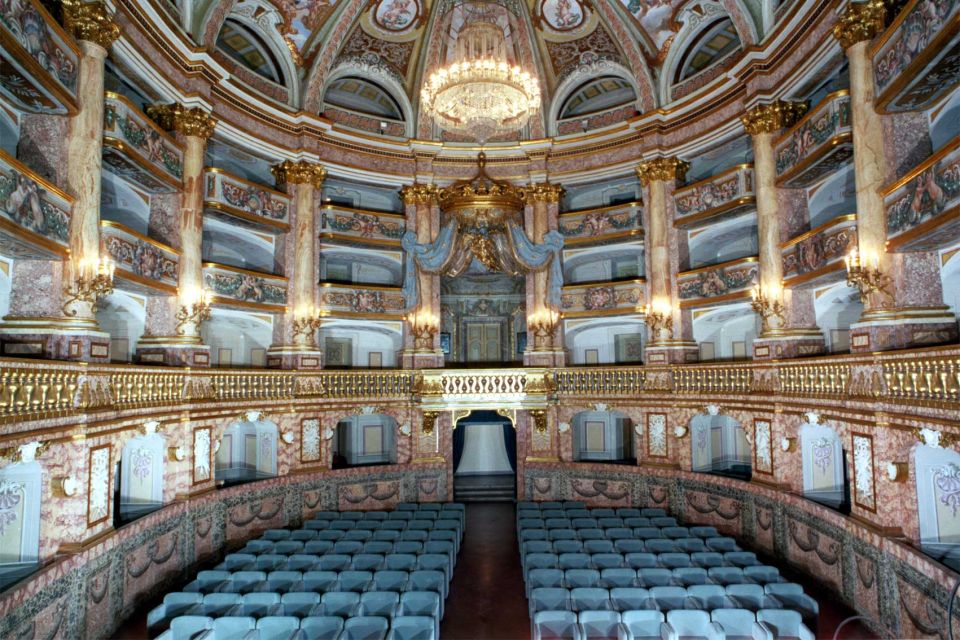
This tour is private, which changes the feel right away. In a big palace, group size can matter more than people think. In a private setup, you can ask practical questions and get answers tied to the rooms you’re standing in.
I also like that the tour is structured around a tight 2-hour window. That’s not a compromise; it’s smart planning. You get a focused route through the palace’s biggest visual moments, without spending your whole day in lines or wandering aimlessly.
Price is $47 per person for a 2-hour experience that includes private guidance and skip-the-line admission fees. If you’re comparing it to buying tickets plus hoping you’ll have an informative plan, this is a straightforward value deal. It’s also easier to justify when you’re traveling as a family or small group that benefits from someone explaining what you’re looking at.
Two reminders if you want to get the most for the money:
- Wear comfortable shoes. The palace route involves walking and moving between major stops.
- Treat the guide’s notes as part of the visit. If you listen actively, the same rooms can feel twice as meaningful.
And yes, after the tour you may have time to continue on your own, including the gardens if your schedule allows. The big advantage of a 2-hour format is that it leaves room to shape the rest of your day.
Practical Tips Before You Go
Caserta is famous, which means you’ll want a calm plan. Here are the things that make the biggest difference:
- Show up at the main entrance portal under the flags so you can meet your guide quickly holding the ASKOS TOURS sign.
- Bring a small bottle of water if it’s warm. The tour doesn’t include food or drinks, and you’ll want to avoid feeling sluggish.
- Plan to take breaks by changing what you focus on. One minute you’re listening; the next you’re looking closely at ceiling shapes, marble, and decorative patterns.
If you care about photos, this is a palace where the best shots often happen when you pause for a second rather than rushing. Let your guide point out what matters, then frame your photos around those details.
Should You Book This Caserta Private Tour?
I think you should book if you want Caserta to feel understandable, not just impressive. This private 2-hour format is built for people who want the big highlights—atrium staircase, Palatine Chapel, and key decorated rooms—without turning the visit into a full-day marathon.
You might skip it or add extra time if you’re the type who wants to wander every room slowly and read everything at your own pace. In that case, a tour is still useful, but you’d want longer than 2 hours to cover the palace more fully.
One more reason to lean yes: guides such as Anna and Serena are praised for balancing expertise with a comfortable pace, including for families with children. If you want a guided experience that stays practical and doesn’t feel heavy, this is a good fit.
FAQ
Where does the tour start?
The meeting point is Piazza Carlo di Borbone, at the main entrance portal of the Royal Palace (under the flags). The guide will be holding an ASKOS TOURS sign.
How long is the Royal Palace of Caserta guided private tour?
The tour lasts 2 hours.
Is skip-the-line admission included?
Yes. Skip-the-line admission fees are included.
What languages are offered for the live guide?
The live tour guide is available in English, Spanish, Italian, French, German, and Portuguese.
What is included in the price?
The price includes private guidance and skip-the-line admission fees.
Is this tour suitable for wheelchair users?
No. It is not suitable for wheelchair users.
If you tell me your travel month and whether you’re going with kids or mainly for photography, I can suggest a smart way to pair this 2-hour tour with the rest of your Caserta day.