REVIEW · NAPLES
Naples: Capodimonte Museum 2-Hour Guided Private Tour
Book on GetYourGuide →Operated by Askos Tours · Bookable on GetYourGuide
Capodimonte is where Naples turns art into a whole experience. In just two hours, you get a private guided route through the grand Bourbon palace and its top Italian paintings, including major names like Botticelli and Titian. I especially like the way the guide connects artworks to the broader story of Naples and the Two Sicilies court, and I also like the added bonus of decorative art—porcelain, majolica, and the feel of royal rooms. One drawback: the tour is short, so you’ll see key highlights rather than every room in the museum.
You’ll start at the museum’s Porta Grande, meet your guide with a name sign, and head straight to the main sections. You’ll focus on the museum’s two biggest collection centers—Farnese and Borbone—then finish with older palace spaces and royal objects. If you’re visiting on a Wednesday, plan around the museum closure.
In This Review
- Key points at a glance
- Capodimonte Palace: Naples’ royal art box
- In 2 hours: how the route stays focused (and what you miss)
- The Farnese and Borbone collections: the heart of the tour
- Renaissance-to-Baroque moments: Botticelli, Michelangelo, and the big names
- Sacred paintings that actually feel specific: Masaccio and Carracci
- Beyond painting: how the guide links art to the Two Sicilies story
- Royal apartments and decorative arts: porcelain and majolica
- The 3rd-floor contemporary collection: a short modern look
- Meeting at Porta Grande: making your start painless
- Price and value: is $195.42 per person “worth it”?
- Who should book this Capodimonte private tour?
- Should you book? My straight answer
- FAQ
- How long is the Capodimonte Museum private tour?
- Where do I meet the guide?
- Is skip-the-line admission included?
- Is this tour private?
- What languages are available for the live guide?
- Is the museum open every day?
- How much does it cost?
- What if I need to cancel?
- Can I pay later?
- Is it wheelchair friendly?
Key points at a glance
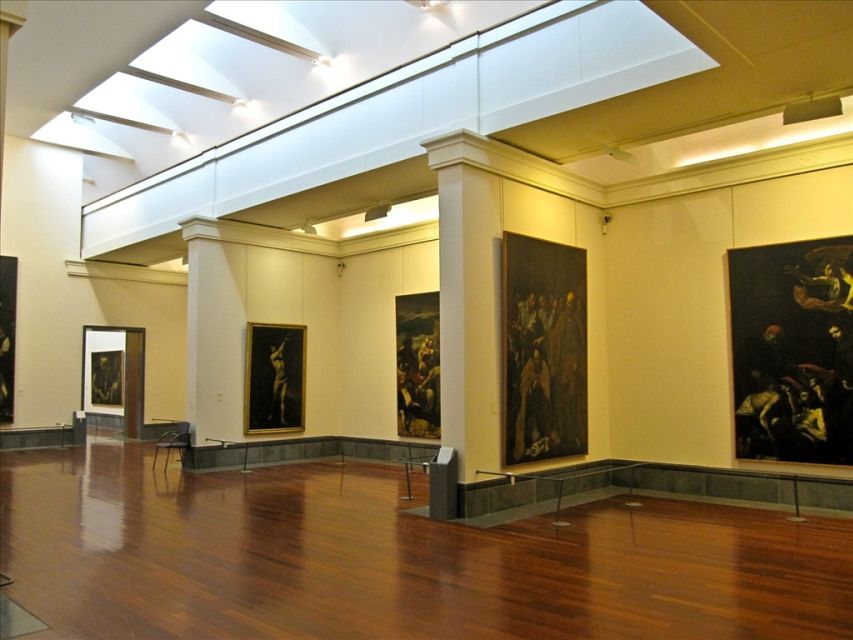
- Farnese + Borbone collections: the core of Neapolitan painting and Southern Italy’s most important art holdings
- Big-name Italian masters: Botticelli, Bellini, Brueghel, Parmigianino, Correggio, Titian, and more
- Sacred works with context: Masaccio’s Crucifixion and Carracci’s Mystic Marriage of St. Catherine
- Bourbon palace rooms: 18th-century furniture plus royal porcelain and majolica
- 3rd-floor contemporary collection: a quick hit of modern additions before you leave
Capodimonte Palace: Naples’ royal art box
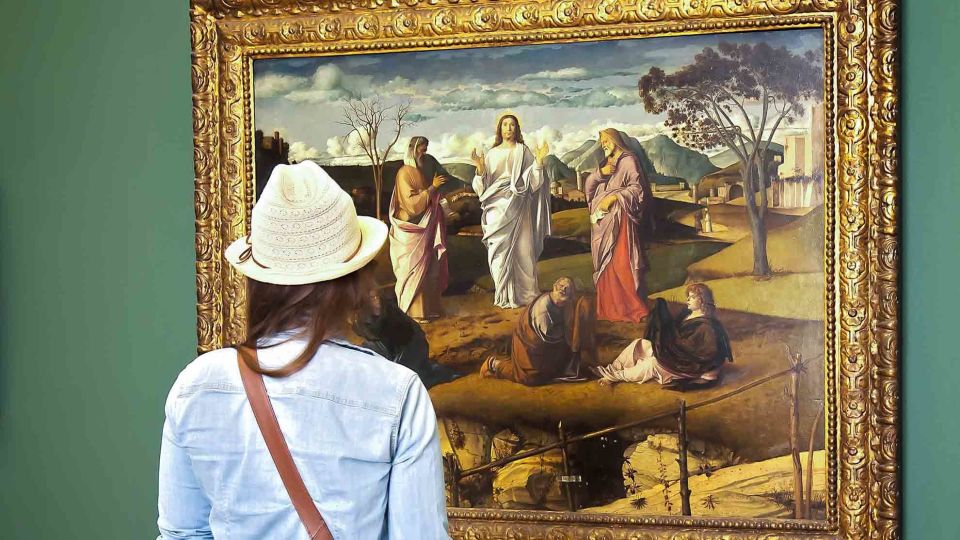
Museums are often “just” collections. Capodimonte is different because you’re touring inside a royal setting. The Bourbon Palace of Capodimonte was used by the kings of the Two Sicilies as a summer residence and hunting lodge, and the museum still carries that atmosphere.
That matters for you, because it changes how you look at the art. Paintings and decorative objects feel like part of court life, not items dropped into a gallery. And since this is a private tour, your guide can steer you through the palace layout so the time feels organized instead of scattered.
You can also read our reviews of more guided tours in Naples


In 2 hours: how the route stays focused (and what you miss)

This is designed to work in a tight window. You won’t wander randomly; you’ll be taken to the main sections—especially where the Farnese and Borbone collections sit.
That focus is the advantage if you’re time-limited or you want the “greatest hits” first. The tradeoff is obvious: Capodimonte is big, so you’ll likely leave with a list of rooms you didn’t get to see. If you’re the kind of person who wants to read every label and linger for an hour per room, you may prefer a longer private visit.
The Farnese and Borbone collections: the heart of the tour

The tour centers on what the museum is famous for: the Farnese and Borbone collections. These are described as the largest and most important collections of art in Southern Italy, and that reputation isn’t just marketing—it’s reflected in how much attention these sections get during a well-paced guide route.
Here’s what you can expect your guide to do in these rooms. You’ll move through the major works, and you’ll get help spotting connections between artists, styles, and historical moments. That approach is especially valuable at Capodimonte, because the museum blends painting with decorative arts and court culture in one location.
Renaissance-to-Baroque moments: Botticelli, Michelangelo, and the big names
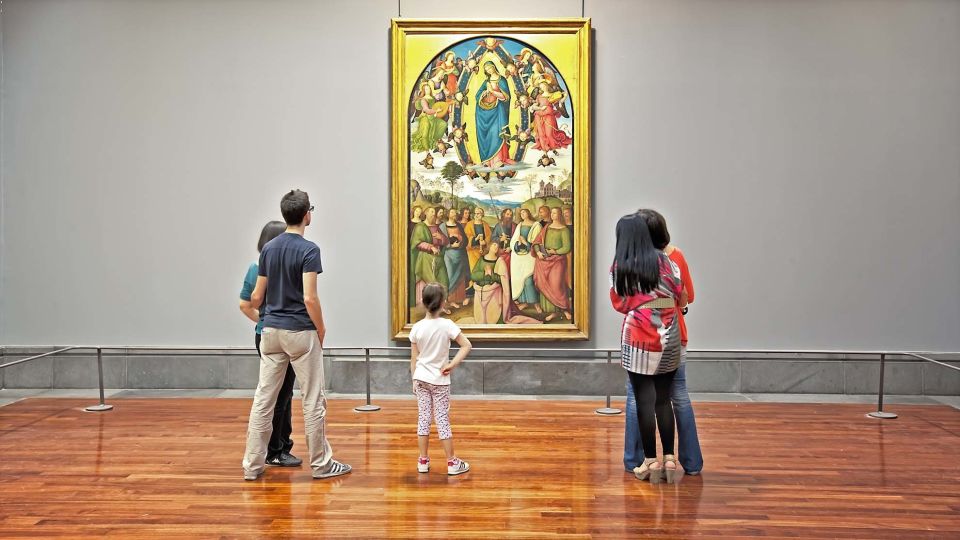
Capodimonte’s strength is the sheer span of Italian art. In the main highlights you’ll see works associated with artists such as Botticelli, Bellini, and Michelangelo (including drawings). You’ll also run into painters tied to the later wave of dramatic style—think Parmigianino and Correggio—plus broader European reach with artists like El Greco and Brueghel.
For you, the value isn’t just that the names are famous. It’s that a guide can point out what to look for fast: composition choices, how color and light behave, and why certain works mattered to patrons. One of the most praised elements of the experience is how guides select key works and explain their meaning and significance without getting stuck in jargon.
Sacred paintings that actually feel specific: Masaccio and Carracci
Some museums toss religious paintings together like they’re all the same genre. At Capodimonte, the sacred works feel more grounded when someone guides you through them.
You’ll have time to see standout religious art such as Masaccio’s Crucifixion and Carracci’s The Mystic Marriage of St. Catherine. You’ll also encounter sacred paintings attributed to artists including Titian, Carracci, and others featured in the museum’s major Italian holdings.
This is a smart stop for you if you want to understand what makes these works different from each other. Instead of just admiring, you’ll be guided toward context—what the scene is, how symbolism works, and what the painting communicates.
You can also read our reviews of more private tours in Naples






Beyond painting: how the guide links art to the Two Sicilies story
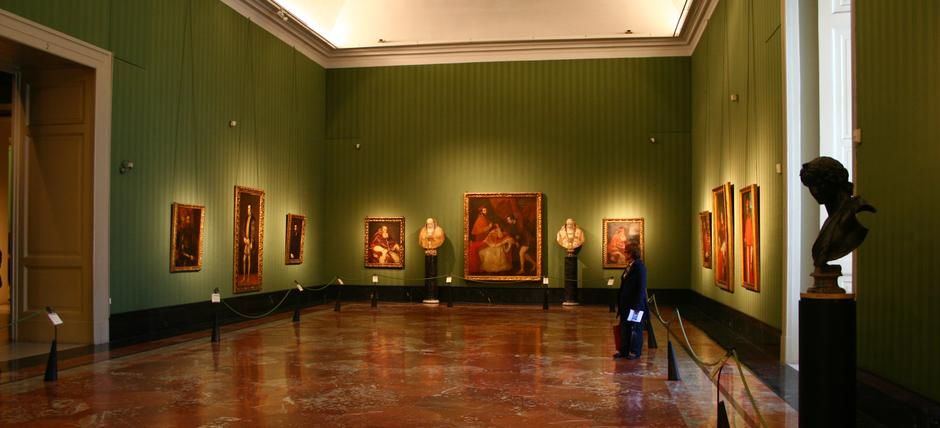
What makes this kind of private tour worth paying for is the interpretive layer. In this experience, the guide’s job is not just to point. It’s to build a mental map so you can understand why Naples was such a serious art center.
The Bourbon Palace connection helps. The kings of the Two Sicilies used Capodimonte as a summer residence and hunting lodge, so the museum’s art and objects grew out of a real court environment. When your guide ties that setting to what you’re seeing, the museum clicks into place.
If you’re lucky enough to have a guide like Lorenzo (a name that comes up with strong praise), you’ll get an art-and-ancient-history style explanation focused on meaning, significance, and the ability to answer questions in detail.
Royal apartments and decorative arts: porcelain and majolica
One reason Capodimonte isn’t like other Italian art stops is the decorative side. After the major collections, you’ll wander into older palace spaces, including apartment rooms that reflect an 18th-century setting.
This is where you’ll see royal porcelain and majolica alongside period furnishings. Even if you’re mostly here for paintings, this part gives your eyes a breather and shows how taste worked at the court—how status moved through objects, not just canvas.
The practical win: decorative arts are less exhausting than constant visual intensity. In a two-hour tour, that pacing matters. You get variation without losing momentum.
The 3rd-floor contemporary collection: a short modern look

Capodimonte doesn’t stop at old masters. On the 3rd floor, the museum has a growing collection of more contemporary art by international artists.
In a tour like this, the contemporary section is likely a quick, targeted look rather than a deep seminar. That’s fine. You’re using it like a palate cleanser and a marker that the museum is still alive, not just a time capsule.
Meeting at Porta Grande: making your start painless
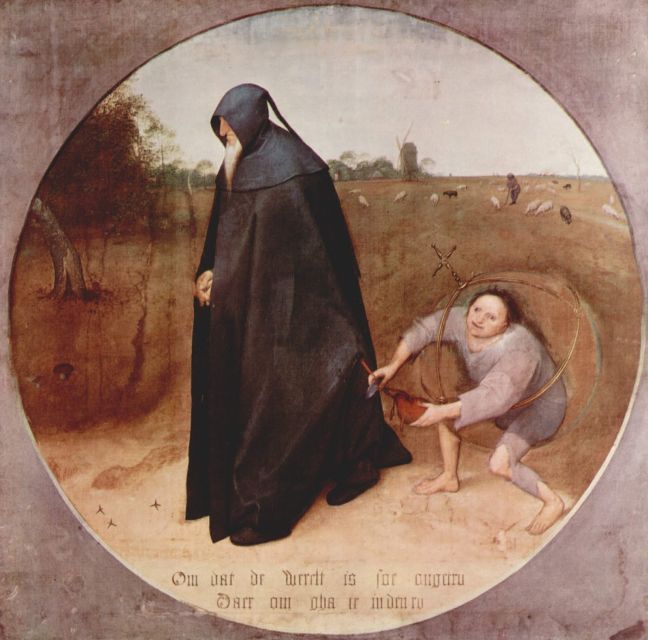
You’ll meet your guide at the museum entrance called PORTA GRANDE. Your guide will hold a sign with your name so you can find the group quickly, which is exactly what you want when you’re in a large complex.
Skip-the-line admission is included. That doesn’t remove all waiting everywhere in Naples, but it does help you protect those two hours. If you want the tour to feel like a focused highlight reel, skipping the ticket line is one of those small logistics wins that actually matters.
Price and value: is $195.42 per person “worth it”?
For $195.42 per person, you’re paying for a private guided route plus skip-the-line admission. In plain terms: you’re buying time efficiency and interpretation, not just access to rooms.
This price makes the most sense if:
- you want to hit the Farnese and Borbone highlights without sorting through everything yourself
- you care about explanations that connect artworks to the Bourbon / Two Sicilies setting
- you like asking questions and getting direct answers in a private format
- you have limited time in Naples and want a museum experience that feels organized
If your travel style is more DIY and you love reading slowly at your own pace, you might decide to visit Capodimonte independently instead. Also remember: it’s a 2-hour tour, so you’re not paying to see every single gallery.
Who should book this Capodimonte private tour?
Book it if you’re the type of visitor who wants art with context. This tour is especially strong for people interested in:
- Italian masters like Botticelli, Titian, and works tied to Michelangelo
- sacred painting (Masaccio and Carracci are included in the main flow)
- decorative arts, including porcelain and majolica
- a guide who helps you interpret rather than just check boxes
It also fits travelers who like multilingual service, since the live guide can work in English, Italian, French, Spanish, and German. One more practical note: the materials say the tour is wheelchair accessible, but it also states it’s not suitable for wheelchair users. If mobility is part of your planning, you should confirm details directly with the provider before you go.
Should you book? My straight answer
I’d book this tour if you want the best parts of Capodimonte in a short time—especially the Farnese and Borbone collections and the Bourbon palace rooms with porcelain and majolica. It’s the kind of visit where the guide’s selection and explanations can turn a big museum into something you remember clearly.
I’d skip it (or switch to a longer format) if you want to roam freely, spend long stretches in one gallery, or you’re visiting on Wednesday, since the museum is closed that day.
FAQ
How long is the Capodimonte Museum private tour?
It lasts 2 hours.
Where do I meet the guide?
You meet your guide at the Capodimonte Museum entrance called PORTA GRANDE. The guide will hold a sign with your name.
Is skip-the-line admission included?
Yes. Skip-the-line admission fees are included.
Is this tour private?
Yes, it’s a private group experience.
What languages are available for the live guide?
The guide can provide the tour in English, Italian, French, Spanish, and German.
Is the museum open every day?
No. The museum is closed on Wednesdays.
How much does it cost?
The price is listed as $195.42 per person.
What if I need to cancel?
You can cancel up to 24 hours in advance for a full refund.
Can I pay later?
Yes. The offer is Reserve now & pay later, meaning you can book without paying today.
Is it wheelchair friendly?
The details include both that it is wheelchair accessible and that it is not suitable for wheelchair users. If you need wheelchair support, it’s best to confirm with the provider before booking.