REVIEW · POMPEII
Pompeii Tour and Cooking Class with Mamma
Book on Viator →Operated by TASTETHEXPERIENCE · Bookable on Viator
Pompeii turns into pasta homework. I love the small-group Pompeii walk and the hands-on fresh pasta skills you learn in a real local home setting. It is the kind of day that connects ancient streets to what people actually ate every day in southern Italy.
The day also runs smoother than you’d expect because hotel pickup is offered, and you are not stuck figuring out transport on your own. One watch-out: Pompeii can be hot and tiring, so wear good shoes and plan for a lot of walking.
In This Review
- Key reasons this tour works (and who it’s for)
- Pompeii with a small group: how the guide keeps you oriented
- Getting to Scafati after Pompeii: the easy win of a countryside reset
- Cooking class with Mamma: garden produce, pasta dough, and real technique
- Why the garden-to-table sequence is more than decoration
- The wine and meal setup
- Lunch that feels like a lesson, not a break
- Price and value: what $213.85 covers for a half day
- Practicalities that keep your day from going sideways
- Who should book this Pompeii + cooking combo?
- Should you book Pompeii Tour and Cooking Class with Mamma?
- FAQ
- What is the duration of the Pompeii Tour and Cooking Class with Mamma?
- Where is the tour meeting point?
- Is pickup offered, and will the tour end back at the meeting point?
- Is the tour in English?
- How big is the group?
- What happens during the Pompeii part of the experience?
- What’s included with the cooking class?
Key reasons this tour works (and who it’s for)
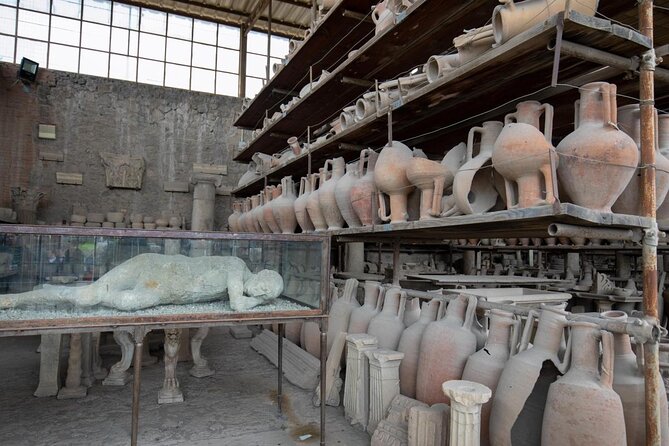
- Small group max 16 keeps the Pompeii walk from feeling like a cattle line.
- Pompeii tour + Scafati cooking in one ticket saves time versus booking everything separately.
- A local home setting means you learn in a real kitchen, not a demo room.
- Garden produce and patio vibes come through in the cooking experience, with views of Mount Vesuvius mentioned in past sessions.
- Homemade wine with lunch makes the meal feel like part of the lesson, not just a bonus.
- Multiple family-led cooking moments (with hosts like Sabrina, Sofia, and helpers such as Rose or Pasquale) often make the class feel warm and personal.
Pompeii with a small group: how the guide keeps you oriented
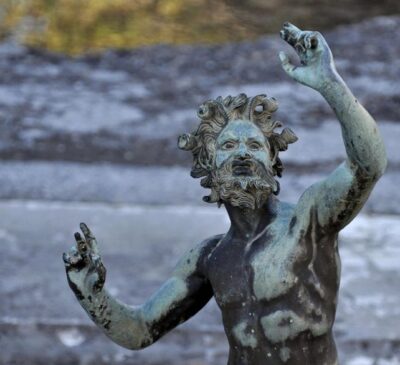
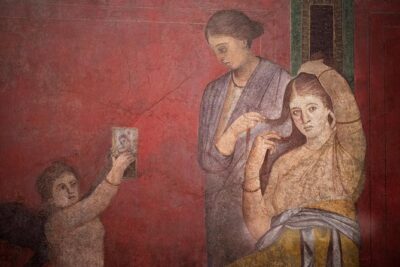
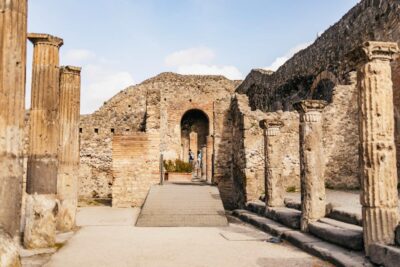
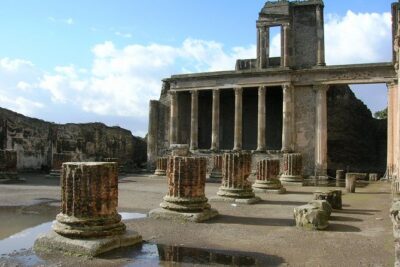
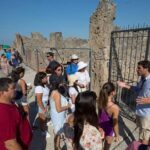
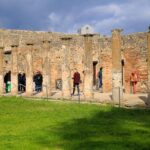
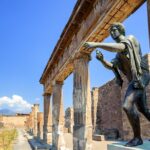
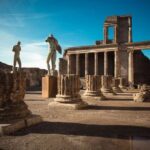
This is not just a walk through big monuments. The focus is on a guided route that helps you understand what life looked like before the eruption—streets, houses, and everyday spaces, not only the headline stops. With a group capped around 16 people, you tend to move as a unit instead of constantly losing the guide in the crowd. That matters at Pompeii, where people often overplan and then spend more time waiting than seeing.
You’ll spend about 2 hours 10 minutes in the Archaeological Park of Pompeii, which is long enough to get your bearings and short enough to avoid turning into a slog. A good guide will also help you read what you’re looking at. For example, past groups have specifically praised guides for explaining different types of houses and the layout of roads and buildings. In practice, that means you’re not just taking photos—you’re learning the logic of the city as you walk.
A practical note: Pompeii is uneven, with cobblestones and worn stone. Bring walking shoes you can trust. Even if you’re not a serious hiker, this part of the day is real walking time. If it’s summer, you’ll want a sun layer strategy: hat, sunglasses, sunscreen, and a refillable bottle.
You can also read our reviews of more cooking classes in Pompeii
Getting to Scafati after Pompeii: the easy win of a countryside reset
Once you finish the ruins, you’ll head toward Scafati for the cooking portion. This is one of the sneaky-smart parts of the plan: you get out of the Pompeii zone and into a more relaxed rhythm. The cooking is scheduled for around 3 hours, which gives you time not only to cook but also to settle in and enjoy the setting.
The experience includes pickup offered and then ends back at the starting point, so the day is designed to feel connected. Reviews have also mentioned drivers who add commentary along the way—names like Roberto and Lorenzo come up—so you’re not just being transported. You’re often getting extra context while you ride.
For you, the value here is mental. After looking at ruins for hours, you need a break that’s sensory and social. A home-based cooking experience does that better than another museum stop.
Cooking class with Mamma: garden produce, pasta dough, and real technique
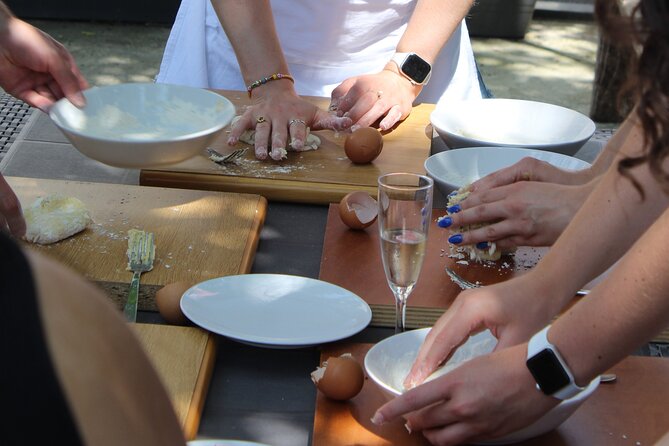
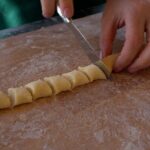
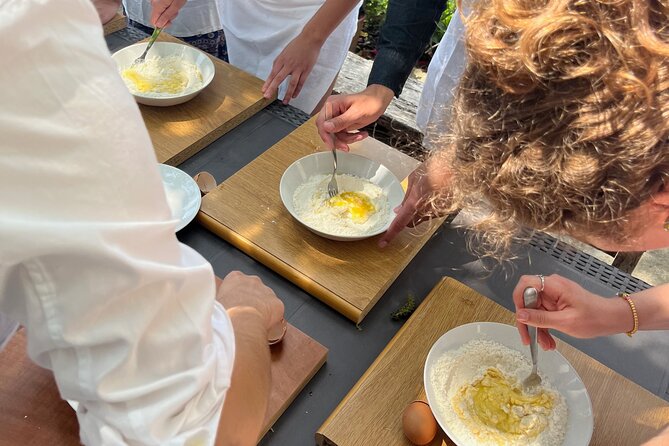
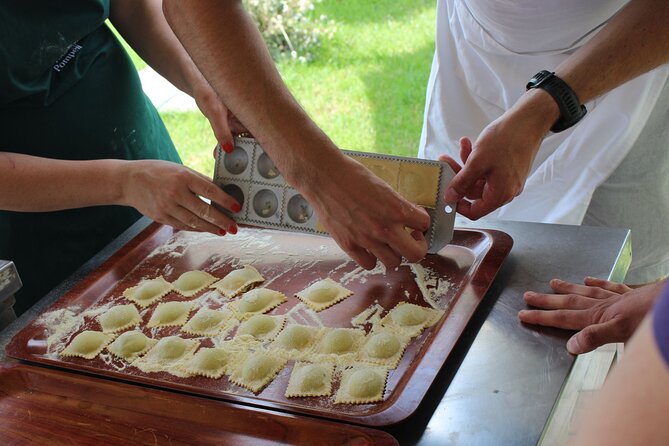
This is the heart of the day, and it’s what turns a history trip into something you can carry home. The highlights promise pasta dough skills, and the hands-on focus shows up clearly in the way people describe the class: you learn, you make, and you sit down to eat what you made.
In past sessions, the hosts have guided groups through a garden tour first, including the fresh produce used during the meal. There’s a clear theme in the feedback: guests felt like they were welcomed into a family space rather than processed in and out of a cooking room. Sabrina is a name that comes up often as the main instructor, and additional family members appear in the story too—Rose and Pasquale are both mentioned in different accounts.
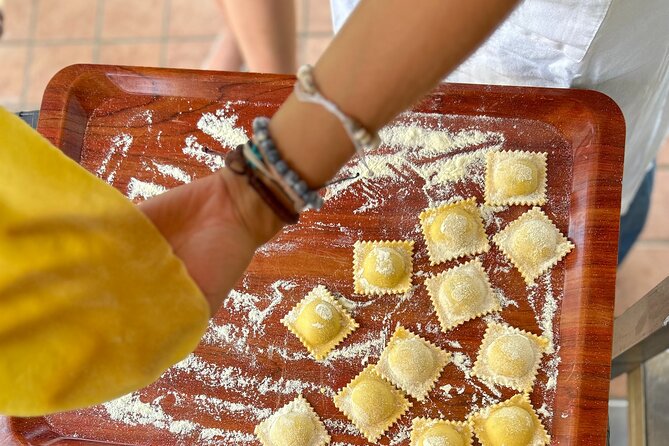
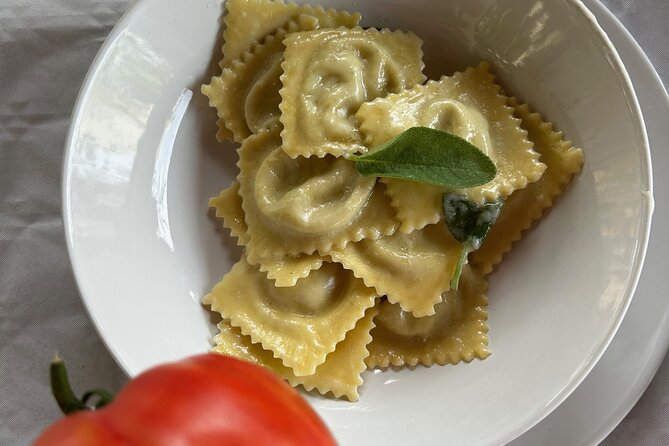
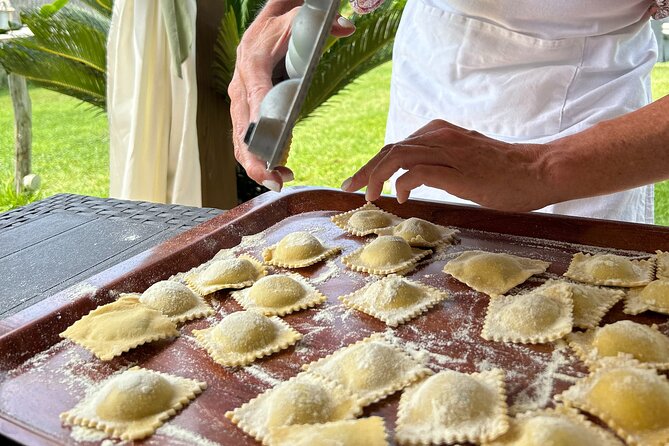
What you can expect to make varies a bit by group and day, but you should plan on fresh pasta work. Several descriptions specifically mention ravioli, plus a dessert like cake or tiramisu. Limoncello also shows up in one account, which hints at the kind of southern-Italy finish you might be treated to. The key point for your planning: you are not just watching someone else cook. You’re doing the dough and learning the practical steps you can repeat later.
Why the garden-to-table sequence is more than decoration
This part matters because it teaches you how ingredients shape flavor. When the class uses produce from a garden setting, you understand what freshness means and why certain local ingredients work together. Even if you do not recreate the exact same herbs or tomatoes back home, you’ll have a mental map for how to build a similar dish.
The wine and meal setup
Water and wine are included, and the meal is built around what you cook. Multiple descriptions mention homemade chilled wine at the start and wine again during the sit-down. That changes the vibe from school-like to communal. You cook, you eat, and the host family’s pace sets the mood.
Also, the setting is not just indoor. One account highlights eating outdoors on a patio with a Mount Vesuvius view. Even if weather changes details, the lesson is consistent: you’re eating like you’re part of the household routine.
You can also read our reviews of more tours and experiences in Pompeii
Lunch that feels like a lesson, not a break
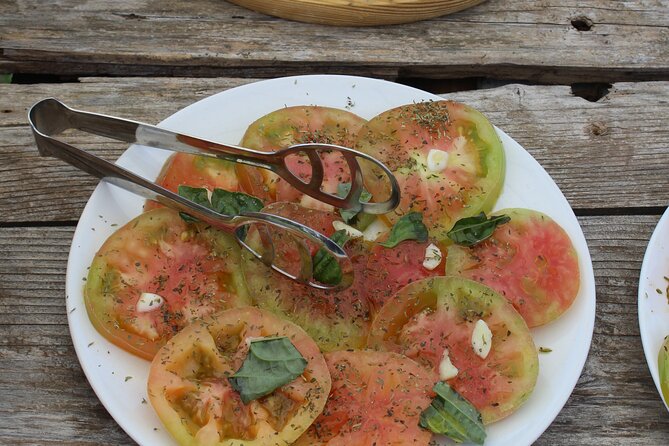
The lunch is included, and it’s designed to tie directly back to the cooking steps you just practiced. You’ll usually start with something light—bruschetta comes up in past experiences—before you move into pasta shaping. Then you sit down and eat the results.
This matters for you if you’re choosing between a rushed tour lunch and a slower, more personal meal. Here, the timing is set so the meal feels earned. You’re tasting what you made, and you’re more likely to remember the texture, salt level, dough feel, and sauce balance.
And because wine is included, the meal can feel celebratory in a low-key way. Not party vibes—more like people relaxing together after a day of shared work.
Price and value: what $213.85 covers for a half day
At $213.85 per person, you’re paying for a bundle: Pompeii guidance, admission, a small-group experience, and a cooking class with lunch plus water and wine. You also get pickup offered, which reduces friction.
Here’s the value logic I’d use to decide:
- If you tried to book a Pompeii guide and then add a countryside cooking class separately, you’d likely spend more time coordinating.
- The small group cap (around 16) is not a trivial upgrade at Pompeii, where audio and spacing matter.
- The cooking class is not a single tasting. You’re making pasta dough and likely ravioli, and you’re eating lunch you prepared, with wine included.
There is one detail to watch: the information presented suggests some ambiguity about Pompeii admission. One part of the tour description notes an admission ticket not included for the park, while the package details list a Pompei entry ticket as included. Before you go, check your confirmation message carefully. If your booking shows the ticket is included, great. If it’s unclear, ask so you’re not scrambling on the day.
Practicalities that keep your day from going sideways
This is a 6-hour (approx.) outing, split into Pompeii time and Scafati time. That means:
- You should expect a chunk of walking at Pompeii (about 2+ hours).
- You should eat a solid breakfast if you can, since you’ll be cooking and then having lunch later.
- Bring layers. Morning may feel cooler, then you can hit warmer conditions at the ruins.
A few other practical points you’ll appreciate:
- You’ll use a mobile ticket.
- The tour language is English.
- The meeting point is at Hortus Pompei, Restaurant & Garden Bar (Via Villa dei Misteri – Piazza Porta Marina Superiore 1, Piazza Esedra, 1, 80045 Pompei NA, Italy).
- It ends back at the meeting point, which simplifies your evening plans.
Also, the group size stays intimate, and reviews specifically mention it as a major strength. If you’re someone who hates feeling swallowed by a large tour bus crowd, this structure helps.
Who should book this Pompeii + cooking combo?
This fits especially well if you’re the type who wants more than photos.
Book it if:
- You want Pompeii context, including how Roman daily life worked in real spaces.
- You like food experiences that teach actual technique, like making dough and shaping pasta.
- You want a break from ruins into a home-style meal with wine.
- You’re traveling with kids or teens who enjoy doing things with their hands. Multiple accounts say it was a highlight for families.
Consider another option if:
- You want a very long, slow Pompeii experience with zero time pressure. This is half-day style, paired with cooking.
- You’re sensitive to heat and long walks. You can still go—just plan properly with shoes, water, and sun protection.
Should you book Pompeii Tour and Cooking Class with Mamma?
I’d book it if your ideal day is part ancient city, part kitchen work, and part conversation. The best reason is the pairing: Pompeii teaches you how people lived, and then the cooking class teaches you what they made and how food shows up in everyday culture. When a host family includes garden produce, homemade wine, and a meal you eat at the end of your work, it stops feeling like a standard add-on.
One final check before you click confirm: verify what your booking includes for the Pompeii park admission and show up ready for walking. If you do that, you’re set up for a day that feels personal rather than rushed.
FAQ
What is the duration of the Pompeii Tour and Cooking Class with Mamma?
The experience runs about 6 hours.
Where is the tour meeting point?
You start at Hortus Pompei, Restaurant & Garden Bar, Via Villa dei Misteri – Piazza Porta Marina Superiore 1, Piazza Esedra, 1, 80045 Pompei NA, Italy.
Is pickup offered, and will the tour end back at the meeting point?
Pickup is offered, and the activity ends back at the meeting point.
Is the tour in English?
Yes, it’s offered in English.
How big is the group?
It’s limited to a maximum of 16 travelers.
What happens during the Pompeii part of the experience?
You’ll join a guided walking tour of the Archaeological Park of Pompeii for about 2 hours 10 minutes.
What’s included with the cooking class?
The cooking class includes lunch, and water and wine are included as well.