REVIEW · POMPEII
Pompeii: guided tour of the ruins and cooking class fresh pasta
Book on Viator →Operated by Giardini Balestrieri · Bookable on Viator
Pompeii never tastes the same. This private day pairs a focused Pompeii guided walk with a real hands-on cooking lesson, so you’re not just looking at ancient life—you’re eating like it’s Campania. I like the way the route hits big-picture sights in a smart order, with guides such as Clelia, Carla, and Lucy helping you connect the buildings to everyday Roman routines. Then Sabrina (and her kitchen setup) turns that history into something you can actually make: fresh pasta with produce from the garden, served with local wine.
The one drawback to plan around is the logistics of the ruins ticket. The Pompeii entrance ticket is not included and, once you use it, it’s typically a one entry situation—so if you want extra time wandering after the guided portion, you’ll want to think ahead.
In This Review
- Key Things You’ll Notice On This Tour
- Why This Pompeii + Fresh Pasta Combo Works So Well
- Pompeii’s Main Sights: What the Guided Walk Really Covers
- The One-Entry Ticket Trap and How to Time Your Free Wandering
- Garden Lunch With Vesuvius Views: Where the Day Becomes Personal
- The Fresh Pasta Class: Learn a Skill, Not Just a Meal
- Guides, Pace, and Why Private Means You Actually Get Answers
- Price: Is $300.40 Worth It Here?
- Who Should Book This Tour?
- Should You Book This Pompeii Tour and Pasta Class?
- FAQ
- Do I need to buy Pompeii entrance tickets separately?
- How long is the whole experience?
- Is transportation included?
- What’s included with the meal?
- What language is the tour in?
- How big is the group?
- Where does the tour start and end?
- Are service animals allowed?
- What’s the cancellation window?
- Is it possible to go back into Pompeii after the guided visit?
Key Things You’ll Notice On This Tour
- Private group size (max 10) keeps the pace human and the questions actually get answered
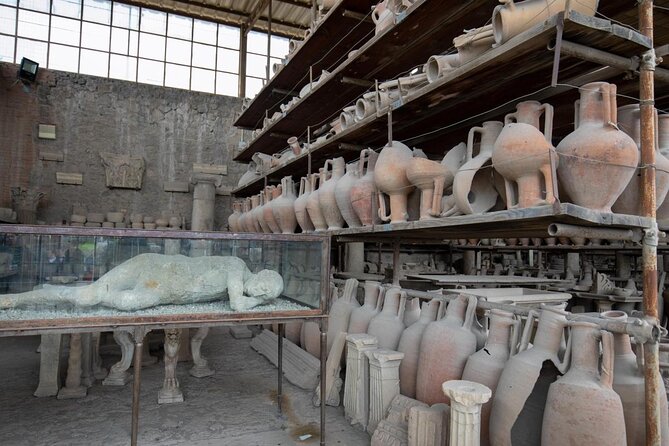
- A guide who works the whole ruins route, including the forum, baths, and the temples of Apollo and Jupiter
- Garden-to-table lunch in Pompeian countryside with views toward Vesuvius and the Lattari Mountains
- Fresh pasta cooking from scratch, using ingredients you pick and prepare yourself
- Gragnano DOC wine included with lunch, plus soda and water throughout
- Cultural stop plus real food skills, not just a cooking demo
Why This Pompeii + Fresh Pasta Combo Works So Well
Most Pompeii tours fall into two camps: history-only marathons, or food-only afternoons that barely leave the kitchen. This one does both, and it does it in a way that feels less chaotic than you’d expect.
First, you get a guided Pompeii route that covers the headline sites without turning it into a scavenger hunt. The timing is built around walking and interpretation: about two hours at the archaeological park with a guide (sometimes with an archaeologist). That’s long enough to understand what you’re seeing, and short enough that you still have energy left afterward.
Then the day shifts gears to a quiet garden setting outside the ruins. This is where the experience earns its keep. Instead of another rushed stop for lunch, you cook from scratch using produce picked from the garden, eat what you make, and sip wine from the Gragnano area. It turns your Pompeii day into something you can repeat at home: the taste of Campania, plus the muscle memory of making fresh pasta.
You can also read our reviews of more guided tours in Pompeii

Pompeii’s Main Sights: What the Guided Walk Really Covers
You’ll start at Scavi di Pompei (Viale delle Ginestre) and move into the Archaeological Park of Pompeii with a guide leading the route. The entrance fee is separate, listed at €20 per person, so budget for that upfront.
Here’s what you can expect to cover during the guided portion (about two hours):
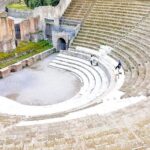
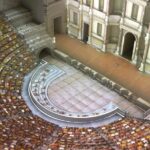
- The theaters: a good anchor point for understanding Roman public life
- Major houses with frescoes and decorations: these are where the city starts to feel lived-in
- Via dell’abbondanza: shops and workshops along the main street make the city feel like a place that still had momentum
- Thermal baths: the spaces are striking, and a guide helps you spot what made bathing a social routine
- The brothel (House of Pleasure): uncomfortable, but historically significant
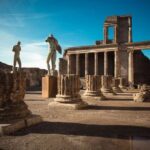
- The forum and key civic monuments
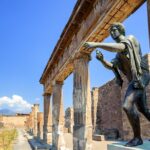
- Temples of Apollo and Jupiter: you get a sense of religious importance without needing a textbook
- The Basilica: another central civic stop that helps connect the dots
A private group (max 10) matters here. Pompeii can feel like information overload, especially if you’re in a large crowd. When you move as a smaller unit, you get stops that actually stick in your mind instead of being photo-blur background noise.
Practical reality check: Pompeii involves walking on uneven surfaces. If you have any mobility issues or need a slower pace, it helps that this format is private and can be adjusted—just keep in mind that your overall schedule still has limits.
The One-Entry Ticket Trap and How to Time Your Free Wandering
This is the part people wish they planned earlier.
The Pompeii ruins admission ticket you buy is not included, and it’s also typically a one-entry ticket. That means you can’t count on popping back in later for extra self-guided time without paying again.
So if you like to wander—take photos slowly, read inscriptions, or want an extra hour beyond the guided route—talk about it early with your host. The experience is timed as two parts: ruins first, then the countryside garden meal and cooking. You can sometimes get a bit of flexibility, but you shouldn’t assume you’ll be able to stretch the ruins portion freely without affecting the cooking schedule.
If you’re the type who wants to do Pompeii in layers—guided understanding first, then independent exploration later—consider aiming for the earliest possible start time so you still have breathing room.
Garden Lunch With Vesuvius Views: Where the Day Becomes Personal
After the ruins visit, you’re taken to a garden in the Pompeian countryside. This is set up as a sit-down, hands-on food experience, and it’s one reason the tour feels different from a standard history day.
The setting is described as surrounded by olive and citrus trees, with spectacular views of Vesuvius and the Lattari Mountains. That matters more than it sounds. You’re not just “going to lunch.” You’re leaving the stone city behind and resetting your brain in a real outdoor space.
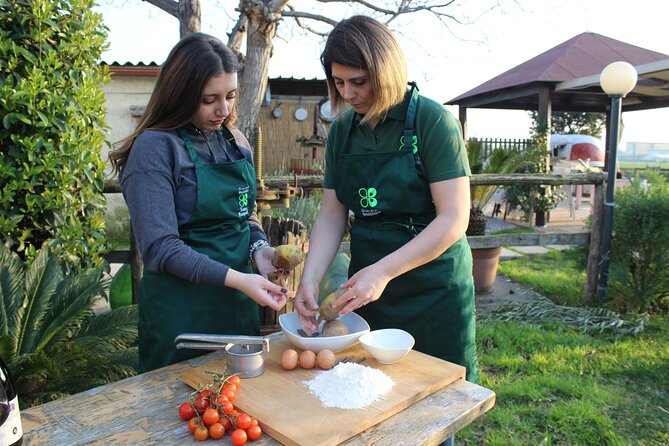
You’ll prepare your own lunch during this second part (about three hours). The produce is from the garden—picked by your hands—so you taste what you touched and trimmed. That garden-to-plate detail is a big part of why the experience feels authentic rather than packaged.
Meals and drinks included here:
- Lunch/dinner style meal (served with what you prepare)
- Dessert
- Soda/still/sparkling water
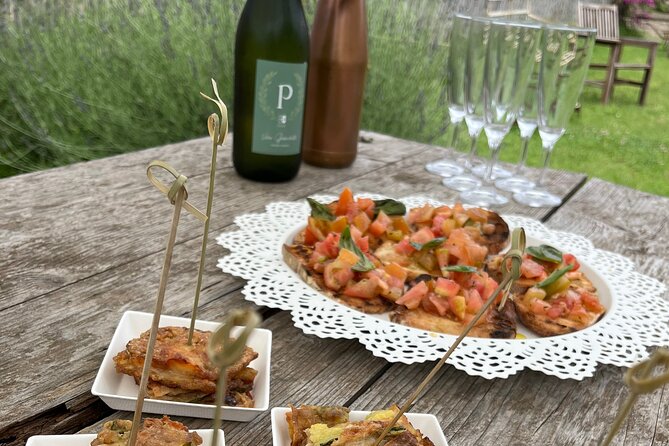
- Alcoholic beverages: 1 glass of Gragnano DOC wine
Even if you’re not a wine person, Gragnano is a useful tie-in to the region. It’s a small included touch that signals you’re eating with local culture, not tourist menu logic.
The Fresh Pasta Class: Learn a Skill, Not Just a Meal
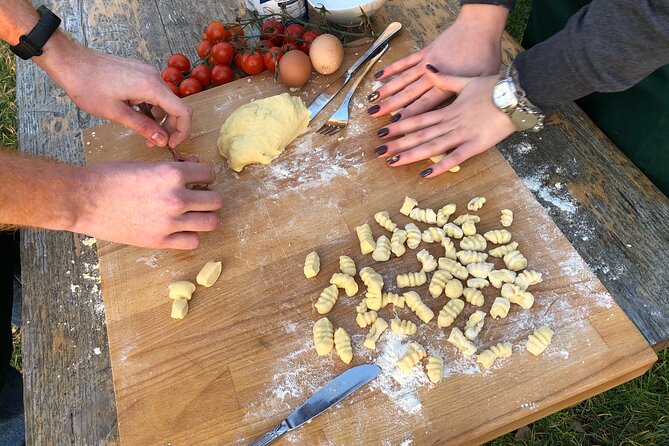
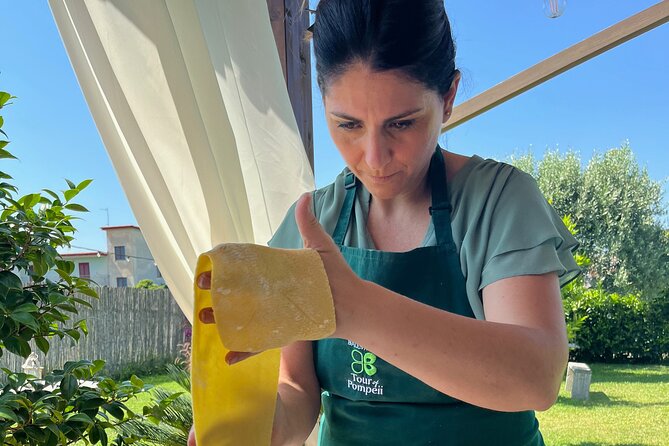
The cooking portion is built as a true lesson. You won’t just watch someone else make pasta while you take notes.
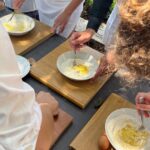
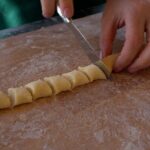
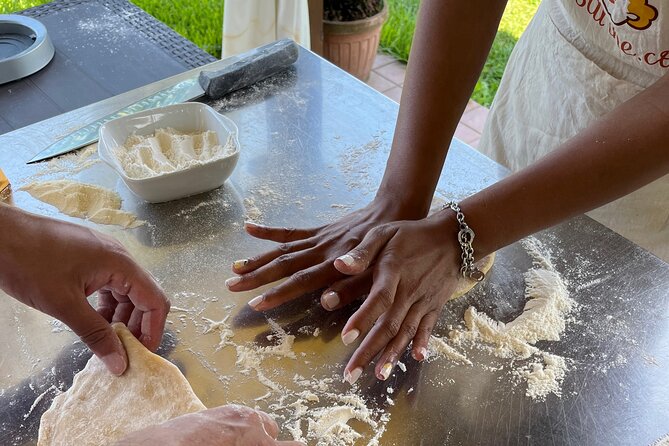
Expect a hands-on fresh pasta experience from scratch, using a typical Campania-region recipe and ingredients gathered from the garden. Tools and instruction are part of the package, and you’ll work through the steps yourself.
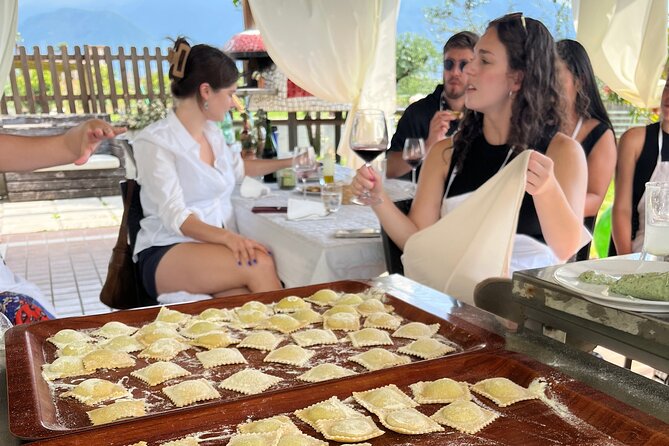
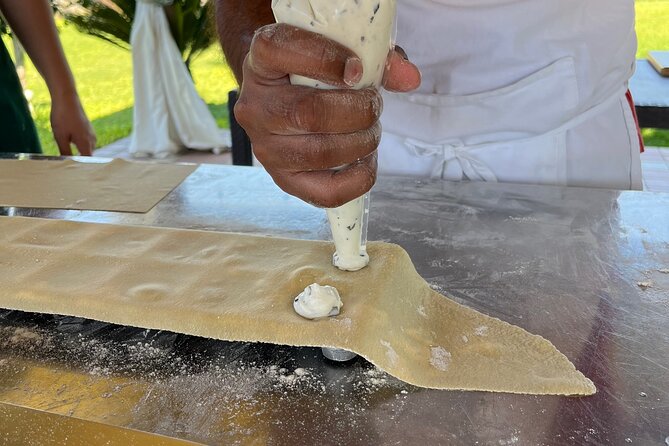
In past versions of this kind of lesson, the pasta has included things like ravioli with ricotta and spinach, and gnocchi with simple sauce. The exact dish can vary by schedule, season, and what’s on hand in the garden. The consistent thread is that you learn the process and end up eating your own work.
The format often starts with small bites so you’re not hungry while the dough is teaching you patience. In one example, the day included garden-based veggies and bruschetta to get you going, followed by pasta shaping and cooking. Desserts have also included items like lemon cake and other Italian sweets.
What I like most is that it’s not overly complicated. You’re not trying to recreate a restaurant menu. You’re learning enough technique to feel confident doing something similar later, at home, with ingredients you can find.
Also, you’ll be in a home setting, which changes the vibe. It’s less staged. You get real conversation, plus the kind of informal pacing where you can ask questions while you work.
You can also read our reviews of more cooking classes in Pompeii
Guides, Pace, and Why Private Means You Actually Get Answers
Pompeii is hard to experience well if your tour group is too big. People block each other, guides rush to keep everyone together, and questions get swallowed by the noise.
This one stays limited to 10 travelers max. That’s the sweet spot for a place like Pompeii. It also helps with pacing at the ruins. In one case, a foot injury in the group led to a slower tempo, and the guide adjusted to keep the experience comfortable. That’s not guaranteed for every situation, but it’s a real advantage of the private format.
In addition to the ruins guide, you’ll also be hosted for the cooking class by people connected with the Giardini Balestrieri operation. Names mentioned include Sabrina and Rosalba, and other hosts such as Paolo have been involved depending on the schedule. On the cooking side, English support has included family members who speak English (like Pasquale in one example), which helps when you want clearer explanations while you’re actually doing the work.
If your group has mixed interests—someone who wants architecture, someone who cares about food, someone who just wants a fun day—this format keeps everyone engaged instead of forcing a compromise.
Price: Is $300.40 Worth It Here?
Let’s talk value without pretending price doesn’t matter.
The stated price is $300.40 per person for a 5 to 6 hour private experience that includes:
- Private transportation
- Water and soda
- Dessert
- Lunch/dinner
- 1 glass of Gragnano DOC wine
The Pompeii entrance ticket is not included and costs €20 per person.
So you’re paying for three things that are hard to replicate cheaply:
1) A guided Pompeii route that covers key sights in a way that helps you understand what you’re looking at
2) The countryside garden setting and the time to cook together
3) A full meal experience with wine and dessert, not just a quick snack
Can you do Pompeii cheaper with a public-bus plan and a restaurant lunch? Yes. But then you lose the guided interpretation, and you lose the hands-on cooking part—where you actually end the day with a skill.
If you value learning, not just sightseeing, and you want a day that feels more like a shared experience than a checklist, this price starts to make sense.
Who Should Book This Tour?
This is a great fit if you:
- Want a private Pompeii guided experience without feeling swallowed by a huge group
- Love food and want a real fresh pasta class, using local garden ingredients
- Are traveling with people who split their interests between history and gastronomy
- Prefer a schedule that feels like one continuous experience, not separate tours stitched together
It may be less ideal if you:
- Want to spend most of the day wandering Pompeii independently (the guided timing is set, and the entry ticket is a one-entry situation)
- Have very limited mobility and need a mostly flat, slow-paced route throughout the ruins (Pompeii terrain is uneven)
Should You Book This Pompeii Tour and Pasta Class?
Yes—if your goal is a day that connects the ancient city to modern life through food and technique. The biggest reason to book is that you’re getting two expert-led experiences in one: a focused ruins walk, then a hands-on cooking day in a garden setting with real local flavors.
Before you confirm, do two quick checks:
- Add the €20 Pompeii ticket to your budget so you’re not surprised at the gate
- If you love free time, plan for the one-entry nature of the ruins ticket and consider asking about the best timing for any extra self-exploration
If that matches how you like to travel, this is the kind of Pompeii day you’ll remember for more than photos.
FAQ
Do I need to buy Pompeii entrance tickets separately?
Yes. The entrance fee for the Pompeii ruins is €20 per person and is not included in the tour price.
How long is the whole experience?
It runs about 5 to 6 hours, with roughly two hours at the archaeological park and three hours for the garden lunch and cooking class.
Is transportation included?
Yes. The experience includes private transportation.
What’s included with the meal?
You’ll have lunch or dinner, dessert, and soda/still and sparkling water. You also get 1 glass of Gragnano DOC wine.
What language is the tour in?
The experience is offered in English.
How big is the group?
There’s a maximum of 10 travelers.
Where does the tour start and end?
The meeting point is Scavi di Pompei, Viale delle Ginestre, 80045 Pompei NA, Italy, and the activity ends back at the meeting point.
Are service animals allowed?
Yes. Service animals are allowed.
What’s the cancellation window?
You can cancel for a full refund up to 24 hours before the experience’s start time (local time).
Is it possible to go back into Pompeii after the guided visit?
The ruins ticket is described as one entry, so you generally can’t return later without buying another ticket.