REVIEW · NAPLES
THE WONDERS OF ANTIQUES: The Archaeological Museum of Naples
Book on Viator →Bookable on Viator
Greek, Roman, and Pompeii in one hour. The Archaeological Museum of Naples turns those worlds into one guided route, so you see not just objects, but the ideas behind them. I love that the tour is built to follow a clear theme from ancient Greek beginnings to the big Pompeian haul.
Second, I like the way the guide can make the museum feel like a conversation, not a checklist. If your guide is Fabio, expect clear explanations, humor, and even question-style prompts that work surprisingly well for kids too.
One thing to plan for: museum admission tickets are not included in the tour price, so you’ll want to budget for entry separately.
In This Review
- Key highlights you’ll actually use
- Why Naples’ Archaeological Museum beats a random museum stroll
- Your guided route: what you’ll see (and what it means)
- Roman-Greek rooms: learning to spot the change in style
- Pompeii collection: where mosaics and everyday life become readable
- Farnese masterpieces: why this section feels like a highlight reel
- Price and tickets: getting the value right before you go
- Meeting point and timing: how to avoid the common Naples scramble
- Private tour up to 15: what that means for your experience
- When this tour is a perfect match in your itinerary
- What to do before you arrive (so the guide can do their best work)
- Who should book this tour?
- Should you book the Wonders of Antiquity: The Archaeological Museum of Naples?
- FAQ
- Where does the tour start and end?
- What time does the tour start?
- How long is the guided tour?
- Is museum admission included in the price?
- What language is the tour offered in?
- Is this a private tour?
- How many people is the group limited to?
- When will I receive confirmation after booking?
- Can I cancel for a full refund?
Key highlights you’ll actually use

- A smart storyline from Greek to Roman to Pompeii instead of getting lost in rooms
- Farnese collection focus on major masterpieces, not random browsing
- Pompeii material given priority, especially mosaics, if you ask
- Private tour format up to 15 people, so questions and pacing are easier
- English-guided experience with clear, organized explanations
Why Naples’ Archaeological Museum beats a random museum stroll
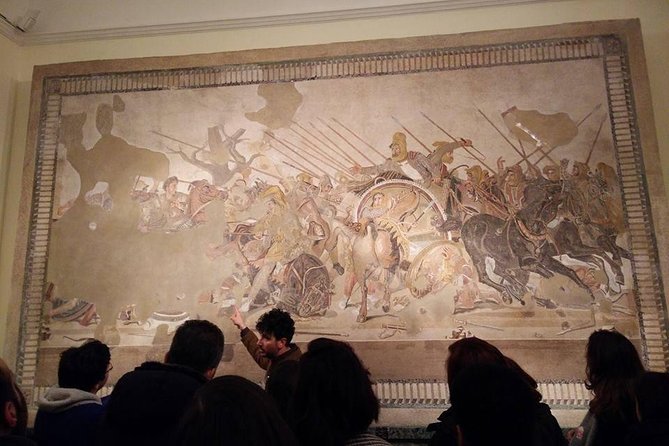
Naples can feel like two cities at once: modern energy outside, ancient weight inside. This museum is one of the places where that weight becomes understandable fast. In about 1 hour 45 minutes, you get guided context for three major lanes: ancient Greek art, Roman art, and the objects recovered from Pompeii.
I also like the realism of the approach. You are not trying to see everything. You’re learning how to see what matters most, and how the styles and symbols change over time.
And yes, Pompeii is the magnet. But the payoff is bigger than ruins. When you connect the Pompeii finds to earlier Greek and Roman traditions, the collection makes more sense than it would on its own.
You can also read our reviews of more museum experiences in Naples


Your guided route: what you’ll see (and what it means)
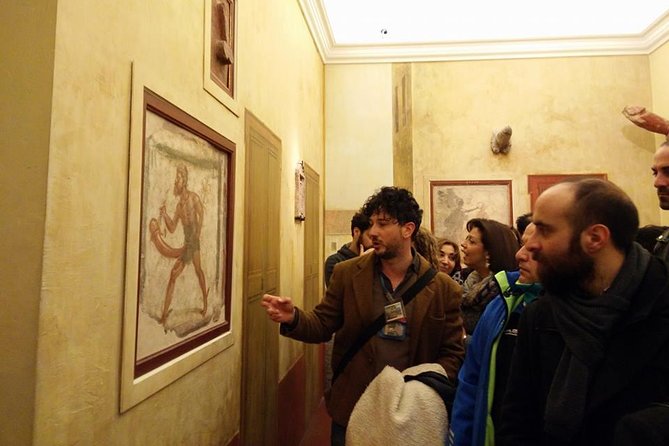
This tour stays centered on one core stop: the Museo Archeologico Nazionale di Napoli. The focus is a guided walk through major sections that build on each other.
You start with the arc that runs from the Roman Greek collection through the Pompeian collection, then lands on the famous Farnese masterpieces. The structure matters because it prevents the usual museum problem: you jump from item to item and forget what you were supposed to learn.
A well-timed guide keeps you oriented. You don’t need to be an art expert, and you don’t need to memorize dates. You just need a thread. This tour gives you that thread.
Roman-Greek rooms: learning to spot the change in style
The opening stretch moves you through the Roman Greek collection. This is where you learn how Greek artistic language influenced Roman taste and representation.
What I like here is the emphasis on comparisons. Even when objects are beautiful, they can stay vague if nobody explains why. A good guide helps you see the differences in how bodies are posed, how scenes are composed, and how messages are delivered through visual style.
If you have any interest in Pompeii, this part is your groundwork. Pompeii wasn’t isolated. It was part of the Roman world, and Roman culture drew from earlier Greek models. Seeing that connection first makes the later Pompeii section hit harder.
Pompeii collection: where mosaics and everyday life become readable
The Pompeian collection is the reason most people care. Pompeii isn’t just tragedy; it’s a snapshot of daily life frozen in time, plus the artistic choices people made in their homes.
In this tour format, the guide can steer attention toward the details that make Pompeii feel close. One of the most appreciated moments is the chance to focus on mosaics first, then branch out to other recovered objects. If mosaics are your priority, it’s worth telling your guide early, because that small request can change the order of what you see.
Even if you think you already know what Pompeii looks like, museum objects add a different layer. A ruin gives you scale. Art recovered from sites gives you materials, technique, and design choices you can study calmly. That calm matters.
Farnese masterpieces: why this section feels like a highlight reel
The tour then moves into the Farnese collection, where the museum’s best-known masterpieces take center stage. This is where the vibe shifts from background learning to full-on wow factor.
The Farnese works carry a sense of grandeur that’s hard to replicate in a quick outdoor stop. In a guided visit, you get the key context that makes the sculptures and artworks feel intentional, not just impressive.
If you’re trying to measure the value of this experience, this is a big part of it. You’re not paying for a generic walk through the building. You’re paying for a guided route that lands you on major masterpieces after the connective tissue is explained.




Price and tickets: getting the value right before you go
The tour price is $193.24 per group for up to 15 people, lasting about 1 hour 45 minutes. That per-group setup matters if you’re traveling with friends or family, because you’re sharing one guided experience rather than paying per person.
Two practical notes help you judge value:
- Entrance tickets aren’t included. So your total cost depends on admission at the time you go.
- The tour is offered in English, which can reduce the risk of paying for “something in a language you can barely follow.”
If you’re the type who likes to know what you’re looking at, a guide is often the difference between seeing pretty objects and actually understanding what you’re seeing. And since this museum has major highlights across multiple collections, a guided route saves time and reduces guesswork.
Meeting point and timing: how to avoid the common Naples scramble
You meet at Piazza Museo, 19, 80135 Napoli. The tour starts at 9:00 am, and it ends back at the meeting point.
That 9:00 start is useful. Morning visits tend to feel calmer, and you’re less likely to be rushing after arriving on tired feet. It also pairs nicely with a day plan, because you finish early enough to keep exploring Naples without feeling museum-locked.
The location is near public transportation, which is a relief in a city where timing can slip if you rely on just one plan.
Private tour up to 15: what that means for your experience
This is a private tour/activity, and only your group participates. Group size is up to 15, which keeps the experience from turning into a mass lecture.
In practice, that matters for two things:
- You can ask questions without having to shout across a crowd.
- The guide can adjust pacing when someone wants to linger on something visual, like mosaics.
If you’re traveling with kids, this private setup is also a plus. In similar guided museum experiences led by Fabio, kids have been pulled in with humor and quiz-style prompts, so the time doesn’t feel like a long wait for adults to finish.
When this tour is a perfect match in your itinerary
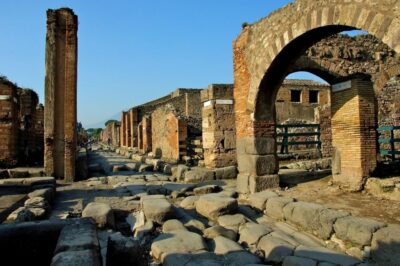
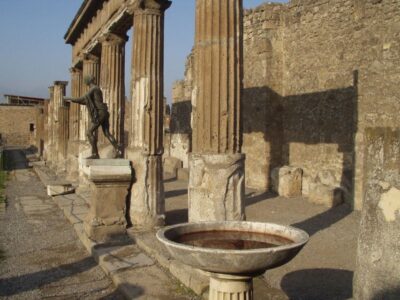
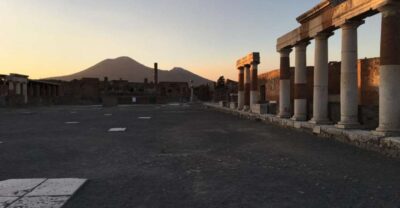
This museum works great as a companion to Pompeii. If you’re visiting Pompeii soon (or already did it), the museum becomes a translator. It helps you connect what you saw outdoors to the art and recovered objects you might have missed in the rush of walking ruins.
It’s also a smart choice if you want Naples on the cultural side without committing to a full-day museum marathon. The structure gives you a focused slice: Greek roots, Roman frameworks, Pompeii specifics, and then Farnese masterpieces.
And if you’re the person in your group who tends to ask why things were made, you’ll love having a guide in the mix. This is exactly the kind of museum where “why” turns into an experience.
What to do before you arrive (so the guide can do their best work)
You don’t need homework, but a tiny bit of preparation improves the whole visit.
Here are a few helpful moves:
- Decide if mosaics are your top priority, and mention it at the start.
- Note whether you’re most curious about Greek art, Roman influence, Pompeii life, or major sculpture.
- Wear comfortable shoes. Even with a guided route, museums involve walking and standing.
If you want the experience to land emotionally, arrive with one simple mindset: you’re learning how the collection tells a story.
Who should book this tour?
This is a strong fit for:
- People who want context without reading a museum guidebook cover to cover
- Anyone visiting Pompeii and wanting the museum to make sense of it
- Small groups that prefer a private format
- Families who appreciate explanations that can be made fun, not strict
It may be less ideal if you only want to browse slowly at your own pace. A timed guided route does require you to follow the plan.
But if you’re trying to get real value out of limited vacation time, this tour’s focused structure is a win.
Should you book the Wonders of Antiquity: The Archaeological Museum of Naples?
I’d book it if you want the museum to feel like a story you can follow, not a list of rooms. The best advantage is the guided path through Greek-Roman context, Pompeii finds, and then the Farnese masterpieces. That flow saves you from the most common museum frustration: looking at beautiful things without understanding why they matter.
Skip it only if you plan to spend most of your time self-directed, or if you already know you’ll spend your Naples days elsewhere and just want a quick glance. For everyone else, this is a practical way to turn one museum visit into a bigger understanding of the ancient world.
FAQ
Where does the tour start and end?
It starts at Museo Archeologico Nazionale di Napoli, at Piazza Museo, 19, 80135 Napoli NA, Italy, and it ends back at the same meeting point.
What time does the tour start?
The tour starts at 9:00 am.
How long is the guided tour?
It lasts about 1 hour 45 minutes.
Is museum admission included in the price?
No. Admission tickets are not included, and you’ll need to buy entry separately.
What language is the tour offered in?
The tour is offered in English.
Is this a private tour?
Yes. It’s a private tour/activity, and only your group participates.
How many people is the group limited to?
The tour is priced per group for up to 15 people.
When will I receive confirmation after booking?
You’ll receive confirmation within 48 hours of booking, subject to availability.
Can I cancel for a full refund?
Yes. You can cancel up to 24 hours before the experience starts for a full refund. Cancellation within 24 hours of the start time is not refunded.