REVIEW · NAPLES
Tiramisù Making Class with Limoncello or Meloncello Tasting
Book on GetYourGuide →Operated by Naples bay tour · Bookable on GetYourGuide
Tiramisu night in Naples, with liqueur included. This is a hands-on tiramisù lesson in the historic center, and I like that you get limoncello or meloncello as part of the experience, not as an afterthought. The one catch to consider: it’s not wheelchair accessible.
In practice, this class is built for real comfort in the kitchen. You follow a chef’s step-by-step guidance while you mix mascarpone, eggs, sugar, coffee, and cocoa, and you leave with both your tiramisù and the full recipe to repeat at home.
It also helps that the meeting point is easy: the Tiramisù Naplesbay Cooking Lab is a short walk from Duomo Cathedral and well connected by public transport. Even if you’re not a confident cook, the flow is relaxed and social, with plenty of room for questions in your preferred language (Italian, Spanish, English, or French).
In This Review
- Quick hits before you book
- Tiramisù Naplesbay Cooking Lab: how this fits Naples in 1.5 hours
- The tiramisù method: what you learn (and what you actually control)
- The step-by-step flow: mixing, layering, then the chilling wait
- Limoncello or Meloncello tasting: what to notice in each sip
- Naples at the table: the stories that make it feel local
- What you bring home: your tiramisù, plus the recipe and diploma
- Price and value: is $36 per person worth it?
- Best for couples, families, and anyone who wants a confidence boost
- Languages and instruction style: you won’t be left guessing
- Getting there near Duomo: practical tips that save time
- Mini decision guide: should you book this tiramisù class?
- FAQ
- FAQ
- Where is the meeting point for the tiramisù class?
- How long is the experience?
- What does the price include?
- Do you taste limoncello or meloncello, and can you choose?
- Is it suitable for beginners?
- What languages are available for the instructor?
- Can children participate?
- Is the class wheelchair accessible?
- What’s the cancellation policy?
- Is there a pay-later option?
Quick hits before you book
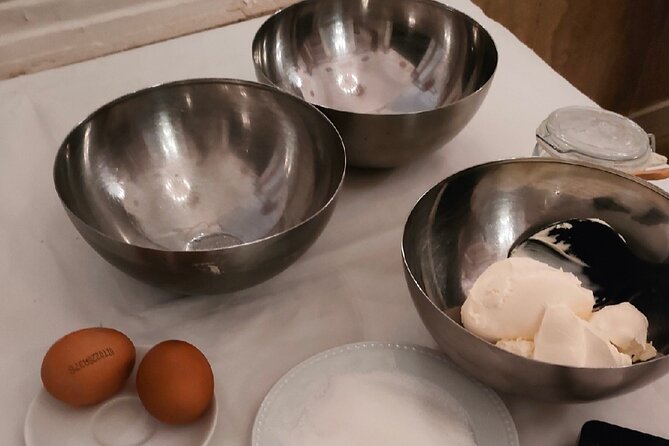
- Hands-on tiramisù from scratch with a traditional, family-style recipe.
- Coffee-and-cocoa layering lessons while you’re actively mixing, not just watching.
- Limoncello or meloncello tasting built into the session while your dessert chills.
- Named chefs and real Q&A energy, with instructors like Daniele and Amos leading the way.
- Take-home payoff: you’ll enjoy your tiramisù and also get it (plus the recipe) to bring back.
- A personalized cooking diploma to mark the win.
Tiramisù Naplesbay Cooking Lab: how this fits Naples in 1.5 hours

This class is designed for a practical visit to Naples: you get a full cooking win without losing your whole day. It runs listed as 1.5 hours, which means you can slot it into a lunch-to-dinner rhythm or put it near the end of your trip.
The setting is right where you want to be if you’re sightseeing—near the historical center and Duomo. That matters because you’re not spending your energy hunting for the place. It’s also easier to plan meals around it, since it’s hosted in a restaurant-type space (and some people like to eat beforehand there).
Your chef leads in Italian, Spanish, English, or French, so the experience doesn’t rely on kitchen jargon. You’ll be able to ask why something matters—like what to watch for when mixing eggs into mascarpone—without guessing.
You can also read our reviews of more food & drink experiences in Naples



The tiramisù method: what you learn (and what you actually control)
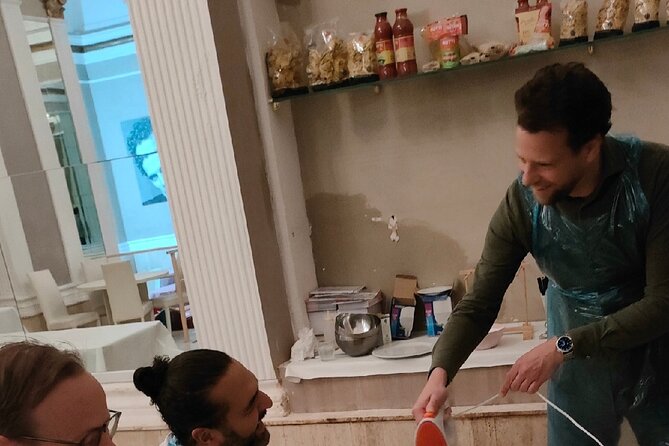
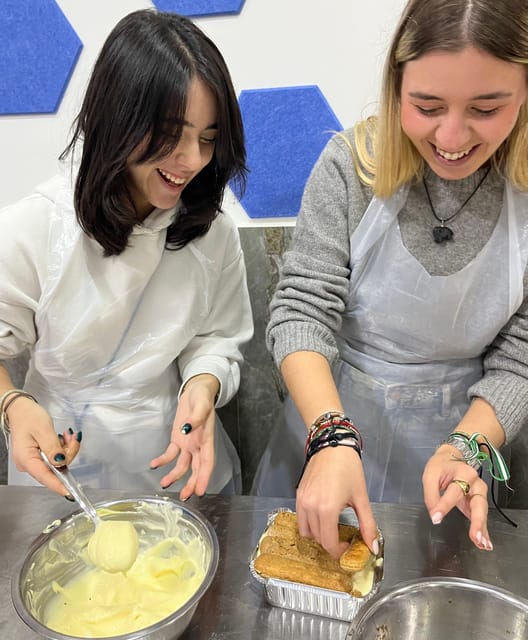
The core of this experience is making tiramisù from scratch using a traditional family recipe. You don’t just assemble a few items; you actively mix components and learn the “hands” part that makes tiramisù taste right.
Here’s what you can expect to work with:
- mascarpone (the creamy base)
- eggs and sugar
- coffee (for flavor and structure)
- cocoa (for finishing)
Why this matters: most tiramisù at home fails because people either rush the mixing or don’t get the balance between creamy and coffee flavor. When you’re doing the steps with a local chef guiding you, you get a sense for the texture and consistency you’re aiming for.
Chefs such as Daniele and Amos show up in the experience with lots of questions answered. People consistently praise the way these instructors explain what they’re doing and keep the session friendly, which is a big deal if you’re nervous about cooking in a new country.
The step-by-step flow: mixing, layering, then the chilling wait
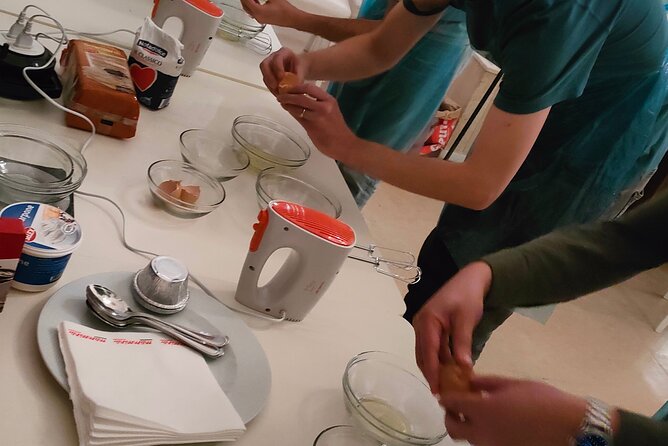
Even though the workshop is focused, it follows a sensible rhythm. You’ll make the tiramisù as you go, then let it rest while you shift from cooking mode to tasting mode.
During the making part, you’ll be guided through the process while you handle ingredients and equipment provided on-site. You also get an apron, so you can focus on technique instead of worrying about a ruined shirt.
Then comes the smart part: while your tiramisù chills, you don’t sit around. You get a liqueur tasting and time to relax and chat. That pacing keeps the whole class feeling like a Naples evening rather than a rushed factory line.
One practical tip: treat the chilling time as part of the experience. If you’re used to “make it, eat it immediately,” tiramisù asks for patience. You’ll see why that wait improves the final texture.
Limoncello or Meloncello tasting: what to notice in each sip
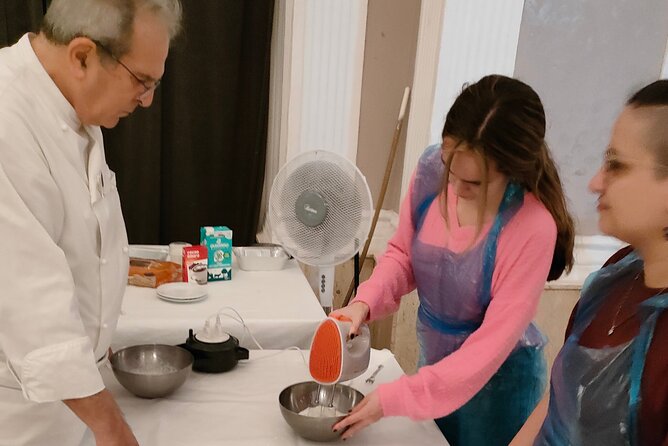
The class includes a tasting of limoncello or meloncello—Campania’s iconic liqueurs. You get that during the downtime while the tiramisù rests, so you’re not trying to taste alcohol while your hands are still covered in ingredients.
What I like about this choice: both liqueurs tie the dessert lesson to the regional palate. Naples isn’t just espresso and pastries; it’s also about the sweet, citrus-forward culture of the south.
What you should pay attention to:
- How bright the citrus notes feel in limoncello
- How different and lighter the melon profile can be with meloncello
- How the sweetness interacts with coffee flavors once you finally taste your tiramisù
It’s also a fun, low-pressure way to learn something “extra” without turning the class into a drinks-only experience. If you’re doing this as a couple or with friends, it naturally creates conversation.
Naples at the table: the stories that make it feel local
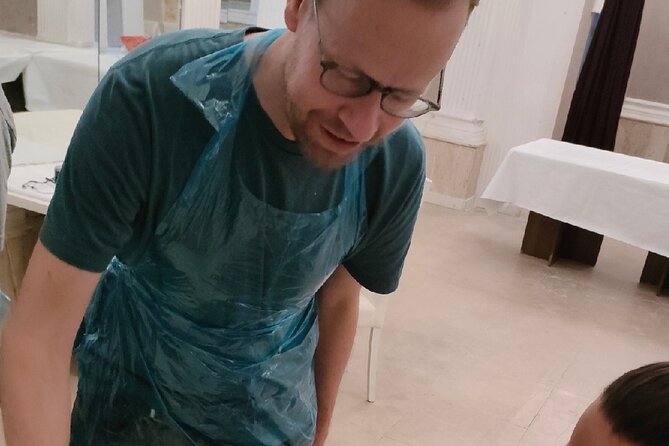
A big reason this class lands well is the human side. Chefs bring in Naples food and dessert context while you cook, so the lesson feels rooted in place rather than generic.
In particular, instructors like Amos are described as engaging and encouraging, and there’s often a clear pattern: you’re taught, you’re asked questions back, and you get little nuggets about Naples cuisine as you mix.
For you, that means the class doesn’t end when the tiramisù goes into the fridge. You’re leaving with a better sense of why tiramisù is such a beloved dessert in this part of Italy—especially when the chef connects ingredients and technique to local habits and flavors.
If you like food history that’s tied to the fork (not just a lecture), this format works.
You can also read our reviews of more tours and experiences in Naples




What you bring home: your tiramisù, plus the recipe and diploma
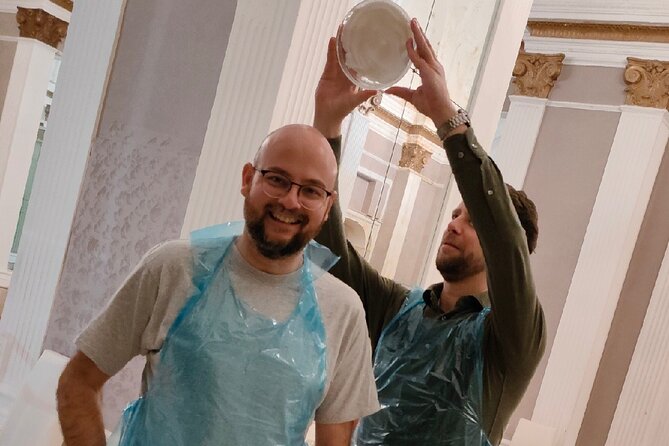
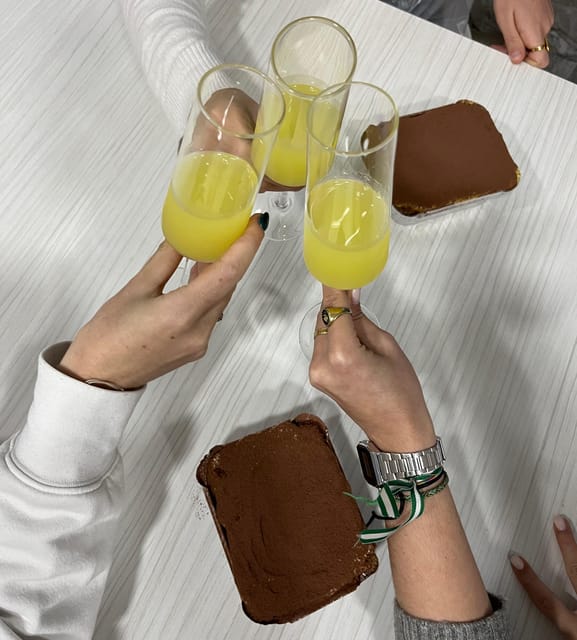
The payoff isn’t only the taste on-site. You’ll get a personal tiramisù to enjoy and/or take away, and you’ll also receive the full recipe so you can make it again.
That take-home part is one of the most practical values of this activity. In many cooking classes, you learn steps but still can’t recreate them at home because you don’t get enough detail. Here, the recipe is part of the deal, which makes the experience useful long after your trip ends.
You’ll also get a personalized cooking diploma. It’s not necessary for flavor, but it’s a nice souvenir that reinforces the feeling of accomplishment—especially if you’re traveling with kids, a partner, or a group.
Price and value: is $36 per person worth it?
At $36 per person for a listed 1.5 hours, this is a pretty clear value proposition—assuming you want more than just a quick bite of dessert.
You’re not paying for a lecture. The included items matter:
- utensils and equipment
- ingredients (mascarpone, eggs, sugar, coffee, etc.)
- an apron
- step-by-step guidance from a local chef
- a liqueur tasting
- your tiramisù and the recipe to recreate it
- a personalized diploma
- luggage deposit
That’s a lot included for the time. And it’s especially worth it if you’re the type who wants to do one “learn something” experience instead of another museum stop.
If your goal is only to sample Naples sweets with minimal effort, you might not need a cooking class. But if you want a hands-on souvenir you can actually use later, this is the kind of ticket that pays off.
Best for couples, families, and anyone who wants a confidence boost
This class works for a lot of traveler types:
- Couples: you cook together, taste together, and leave with something edible to share back home.
- Solo travelers: the format is interactive and social, and you get lots of opportunity to ask questions.
- Families: there’s a parent requirement for minors, but the experience is described as fun and engaging.
- Foodies who are not experts: the steps are explained, and the goal is confidence, not perfection.
One important note from the rules you’ll want to respect: participants under 18 must be accompanied by a parent or legal guardian.
Also note the physical setup: it’s not wheelchair accessible. If mobility is a concern, you’ll want to plan accordingly.
Languages and instruction style: you won’t be left guessing
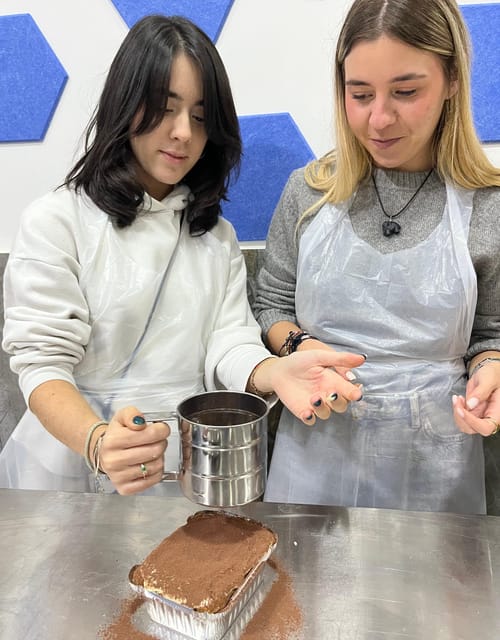
You can book this with instruction in Italian, Spanish, English, or French, which is a big deal. Food technique gets complicated fast when you can’t clearly ask questions.
The guides are described as polite, engaging, and informative—especially Daniele and Amos. What that usually means for you in a class like this: explanations stay practical, questions are welcomed, and you won’t be forced to “figure it out” while your ingredients are on the clock.
If you’re worried about language barriers or feeling awkward in a cooking space, this is one of the reasons the class consistently scores high.
Getting there near Duomo: practical tips that save time
You’ll meet at the Tiramisù Naplesbay Cooking Lab in Naples’ historical center, just a short walk from Duomo Cathedral. It’s described as easily recognizable and connected by public transport, which is exactly what you want in Naples—where getting lost is easy.
A couple of ways to make your arrival smoother:
- Give yourself a little buffer time before the start so you can settle in.
- Bring comfortable shoes. Even “short walk from the Duomo” can add up on cobblestones.
- Use the included luggage deposit if you’re juggling bags between stops.
If you like to eat first, plan it. Some people have enjoyed having a meal in the same restaurant setting before class, which makes the timing work well on a sightseeing day.
Mini decision guide: should you book this tiramisù class?
Book it if:
- you want a hands-on Naples experience (not just tasting)
- you like the idea of making a dessert you already love
- you want a recipe and a real take-home outcome
- you enjoy citrus liqueurs and want them tied to a food lesson
Skip it if:
- you’re only looking for a quick dessert stop
- you need full wheelchair accessibility (this one isn’t set up for that)
- you’re not interested in cooking or taking notes for a home version
If you’re the kind of traveler who likes to bring back something useful—like a method you can repeat—this is a fun, focused way to spend your time in Naples.
FAQ
FAQ
Where is the meeting point for the tiramisù class?
The class meets at the Tiramisù Naplesbay Cooking Lab in Naples’ historical center, just a short walk from Duomo Cathedral.
How long is the experience?
It’s listed as 1.5 hours. Check availability for starting times.
What does the price include?
The price includes all utensils and equipment, the tiramisù ingredients, an apron, a step-by-step guide from a local chef, a limoncello or meloncello tasting, a personal tiramisù, a cooking diploma, and a luggage deposit.
Do you taste limoncello or meloncello, and can you choose?
The experience includes a tasting of limoncello or meloncello as part of the class. Your booking will specify which one is included.
Is it suitable for beginners?
Yes. The class is designed to be easy to follow with step-by-step instruction, and it’s suitable for all cooking levels.
What languages are available for the instructor?
The instructor speaks Italian, Spanish, English, and French.
Can children participate?
Participants under 18 must be accompanied by a parent or legal guardian.
Is the class wheelchair accessible?
No, it is not wheelchair accessible.
What’s the cancellation policy?
You can cancel up to 24 hours in advance for a full refund.
Is there a pay-later option?
Yes. You can reserve now and pay later to keep plans flexible.