REVIEW · POMPEII
Pompeii private tour with expert guide in archaeology
Book on Viator →Operated by POMPEIGRANDTOUR · Bookable on Viator
Skip the guesswork at Pompeii. This private, archaeology-led walk turns scattered ruins into a clear story of daily Roman life, with an expert archaeologist guiding you through the key sights. I especially like how the tour targets real-world places like taverns, markets, baths, and the Forum, not just big-ticket walls.
You get a tight focus on the city’s habits and contradictions: training gladiators, public entertainment at the theater, and the famous erotic frescoes in the red light district. One drawback to plan for: the entrance ticket is not included, so you’ll pay the Archaeological Park of Pompeii fee separately, on top of the tour price.
In This Review
- Key points at a glance
- Why Pompeii feels different with a private archaeologist guide
- Price and value: what you’re really paying for
- Where you meet: Coffee Shop Vittoria on Via Mare
- The 2-hour structure and how the route ends at the Forum
- Gladiators, schools, and the theater: entertainment with a backstory
- Main streets, ancient taverns, and shopfront life
- Baths and the red light district: public wellness and scandal
- The patrician house: domus mosaics and frescoes as status
- The Forum finish: social center, worship spaces, market energy
- Logistics you should plan before you go
- Who should book this private Pompeii archaeology tour
- Should you book this Pompeii private tour?
- FAQ
- How long is the Pompeii private tour?
- Is the tour private?
- How many people are included per group?
- Is the Archaeological Park of Pompeii entrance ticket included?
- What language is the guide?
- Where does the tour start?
- Does the tour include pickup and drop-off by minivan?
- What stops are included during the 2 hours?
- What fitness level do I need?
- Can I cancel for a full refund?
Key points at a glance
- Archaeologist-led explanations for everyday life in Pompeii, not just sightseeing
- Up to 8 people for a true private-group experience
- 2 hours that end at the Forum, letting you keep exploring on your own
- Major stops packed in: gladiator school, theater, baths, red light district frescoes, patrician home, Forum
- Plaster casts related to Vesuvius included in the route
Why Pompeii feels different with a private archaeologist guide

Pompeii can look like a movie set until someone puts the pieces together. With this tour, you’re not left trying to interpret stone, graffiti, and faded color on your own. The guide is an archaeologist focused on Pompeii, so you spend your time learning what you’re actually looking at.
I like that the tour is designed around daily life. You’ll move through places tied to routines—education and training, eating and shopping, washing at the baths, religion, and public social space at the Forum. That’s the kind of context that makes the ruins feel like a town you could almost bump into.
The “private” part matters too. For a site this busy and this big, being in a small group gives you room for questions and slower attention where you care most. It’s also a good match if you want photos without the constant shuffle of a larger group.
You can also read our reviews of more guided tours in Pompeii

Price and value: what you’re really paying for

The cost is $302.34 per group (up to 8), and the visit runs about 2 hours. That can sound steep if you only think in per-person terms, but private Pompeii tours usually mean you’re paying for expertise and a guided route that saves time and confusion inside the park.
Two value points make the price easier to justify. First, you’re getting a trained archaeology guide, not a casual walkthrough. Second, you’re concentrating on high-impact parts of the city—so you’re not spending your short visit drifting from one random corner to another.
One cost consideration: admission is separate. The Archaeological Park of Pompeii ticket is €19.00 per booking, so check the total before you commit. This tour also doesn’t include minivan pickup and drop-off, so if you need transport, you’ll want to arrange it separately through Pompeigrandtour.
Where you meet: Coffee Shop Vittoria on Via Mare
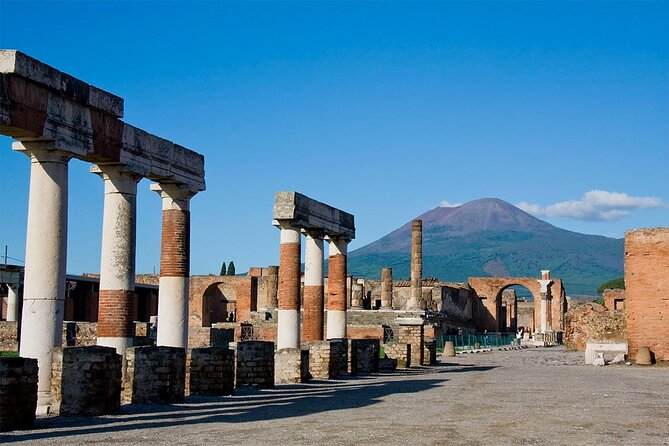
This tour starts at Coffee Shop Vittoria, Via Mare, 80045 Pompei NA, Italy. That’s practical for getting everyone together in one clear spot before you enter the park.
The tour ends back at the meeting point. So you’re not left thinking about logistics at the finish. It also means the experience is shaped as a guided outing with a defined start and stop, rather than a free-form wander.
If you’re using public transportation, this option is described as being near it. That’s useful because it reduces the stress of finding the closest access point and figuring out the last steps.
The 2-hour structure and how the route ends at the Forum
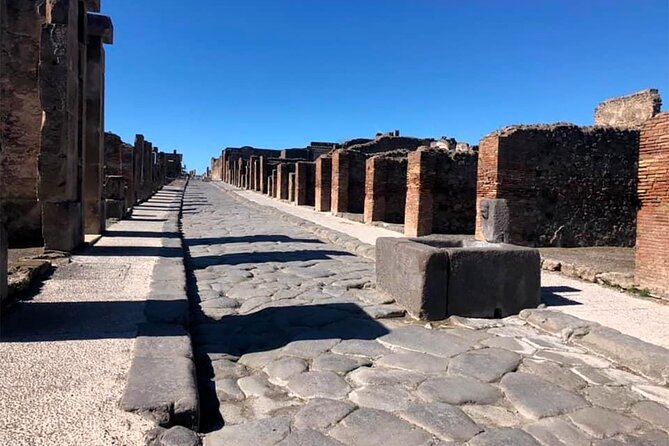
Plan around a moderate physical fitness level. Pompeii involves walking over uneven ground and navigating ruins, so come ready for steady movement.
The route finishes at the Forum. After that, you can decide what you want to do next: continue visiting on your own, or return to the exits with the guide. This is a smart setup because it gives you a guided foundation, then flexibility for the remaining time you have.
Also note the tour is private—only your group participates. That small detail can matter more than you think at Pompeii, where pacing and attention are everything. You’re less likely to feel rushed past the places you’re most curious about.
Gladiators, schools, and the theater: entertainment with a backstory

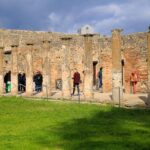
Your first big anchors are the school and the training place of gladiators. Instead of seeing gladiator references as generic pop culture, the guide frames what training meant in Roman culture and how public spectacle connected to everyday life. It’s the kind of context that makes a space feel functional, not just dramatic.
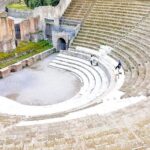
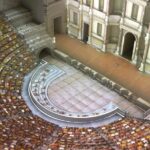
Next comes the theater. A theater at Pompeii isn’t only about seats and stone walls. With an archaeology guide leading the way, you can read the space as part of how people gathered for events and social visibility.
What I like about this early sequence is momentum. You’re learning how people were educated and entertained before you move into the more intimate and commercial side of the city.
A consideration: because the tour is about 2 hours, you won’t get unlimited time at every stop. If you’re the type who wants to linger for a long photo session, treat this as a focused orientation tour and plan extra time for deeper self-guided wandering afterward.
You can also read our reviews of more private tours in Pompeii



Main streets, ancient taverns, and shopfront life

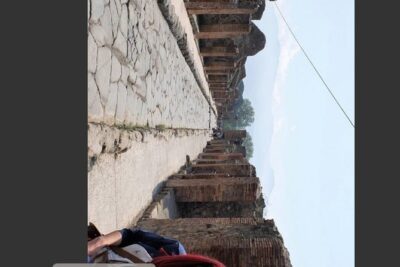
As you move through the main streets with ancient taverns and shops, you start seeing how the city worked day to day. These stops matter because they’re closer to what you’d recognize in modern streets: places where people bought, ate, and passed time.
This is where a guide changes everything. Without context, the ruins can feel random. With the archaeology explanation, you’re more likely to notice what kind of activity happened where, and why certain spaces mattered to the flow of daily life.
If you’re traveling with someone who prefers practical details over big speeches, this part often lands well. It’s not just drama. It’s routine—trade, food, street culture, and movement.
Baths and the red light district: public wellness and scandal
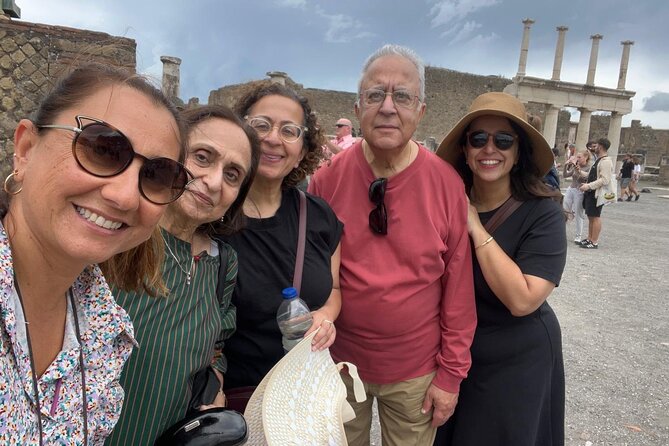
Two stops that often make Pompeii feel human are the Baths and the red light district with famous erotic frescoes. The baths add a dimension many people don’t expect: the spa side of city life, right here in ancient Pompeii.
Then the red light district introduces the other side of human nature. The erotic frescoes aren’t meant to be shocking for modern eyes; they’re evidence of how people talked, showed humor, and expressed desire through art in public spaces.
For me, the value of pairing these two stops is contrast. You see how Rome could handle comfort, social mixing, and boundary-pushing all in the same city grid. That contrast is hard to grasp if you only look at one type of building.
If you’d rather avoid the more explicit imagery, you can still enjoy the archaeology context and framing. But keep in mind this stop is part of the planned route, since the route explicitly includes the red light district.
The patrician house: domus mosaics and frescoes as status
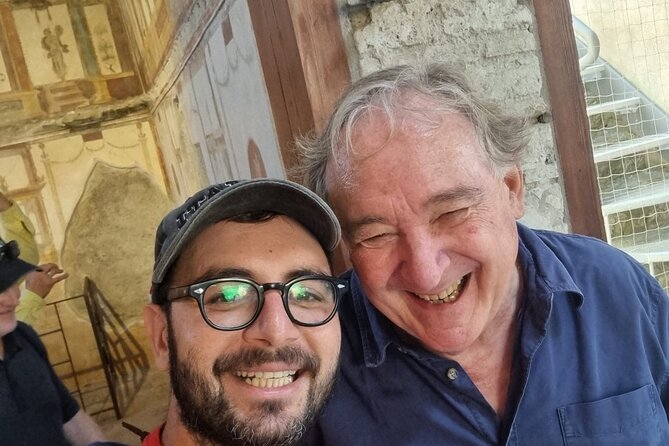
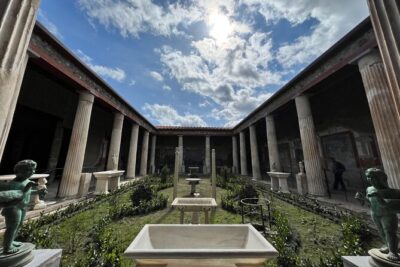
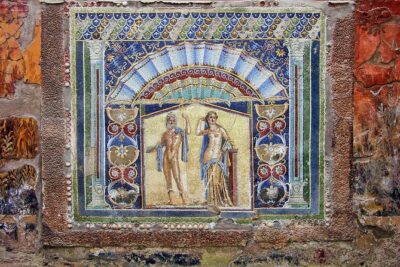
You’ll also visit a house of rich Roman patricians (Domus), with frescoes and mosaics. This is the “who had what, and how they displayed it” part of Pompeii. The guide helps you understand the difference between spaces built for everyday convenience and spaces meant to show social rank.
A patrician domus is often more than rooms and walls. It’s about design choices—how decorative programs worked as signals of taste and power. When you see it with an archaeology-focused guide, you’re more likely to spot the practical reasons behind the layout and the artistic choices behind the decoration.
One practical note: in just two hours, you’re not touring the entire domus at a slow museum pace. You’ll get the key highlights, which is great if you want an informed overview.
The Forum finish: social center, worship spaces, market energy
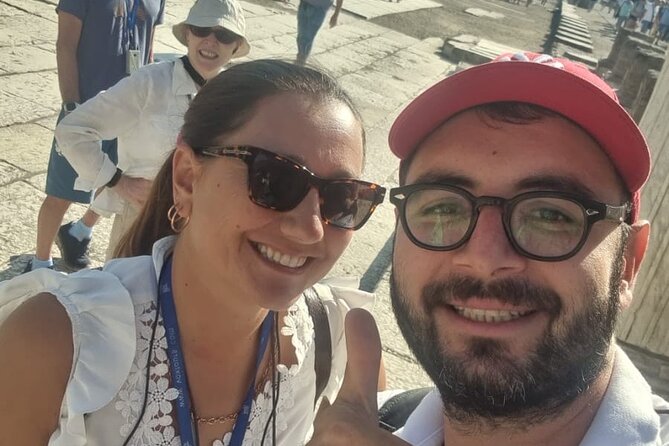
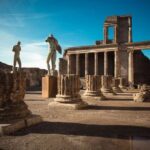
The tour closes at the Forum, which was the center of social life. That’s a strong ending point because the Forum ties together a lot of what you’ve seen: public gathering, civic identity, and daily commerce.
Along the way you’ll also cover temples places of worship and the main market of the city. These stops give you a sense that Pompeii wasn’t only homes and entertainment. It was a functional city where religion and trade shaped routines.
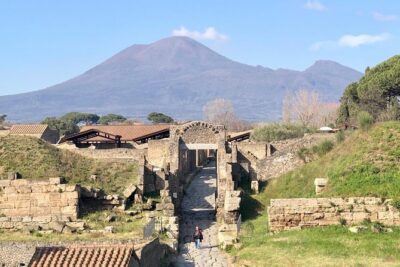
A key emotional stop comes with the plaster casts of the victims preserved at the time of the Vesuvius eruption. This part can hit hard because it turns a tragedy into a physical presence you can see and understand. The archaeology framing helps keep it respectful and meaningful, instead of turning it into a quick photo stop.
Logistics you should plan before you go
This tour runs about 2 hours and is offered in English. It’s typically booked around 32 days in advance, so if your dates are fixed, you’ll want to reserve early rather than gambling on last-minute availability.
Admission isn’t included, and the ticket you need is the Archaeological Park of Pompeii (€19.00 per booking). Budget for that up front so the tour price doesn’t surprise you at checkout.
Pickup and drop-off by minivan aren’t included in the standard offer. The information notes you may be able to book that separately with Pompeigrandtour, which could help if you’re traveling from farther out or prefer door-to-door help.
Finally, this is a private group experience for up to 8 people. That group limit is a good sign: you should still feel like you’re getting real attention from the guide, not just a headset experience.
Who should book this private Pompeii archaeology tour
This tour is a great fit if you want a guided interpretation of Pompeii’s streets and spaces. If you like places that connect to everyday life—schools, entertainment, baths, markets, religion—this route makes sense.
It also works well if you’re a small group traveling together and you value questions. A private format gives you flexibility to spend a little more time on what interests you most, without feeling like you’re sprinting to satisfy a long checklist.
Where you might choose something else: if you already know Pompeii well and just need time in the park, you might skip the guide. Or if you only have a short window and want maximum coverage across the whole site, you may need more than a 2-hour overview.
Should you book this Pompeii private tour?
I’d book it if you want Pompeii to click: a clear, archaeology-led route that explains what you’re seeing at key everyday-life locations, then ends at the Forum so you can keep going on your own. The guide focus on Pompeii makes a real difference, and the rating backing is strong: the experience is consistently described as much better with explanation than without.
If you’re price-sensitive, add the €19 entry ticket to your budget and keep in mind you won’t cover the entire park in two hours. But if you’re choosing one guided experience, this one is a smart way to get meaning fast without losing the freedom to explore afterward.
FAQ
How long is the Pompeii private tour?
It lasts about 2 hours.
Is the tour private?
Yes. Only your group participates.
How many people are included per group?
The tour is for up to 8 people per group.
Is the Archaeological Park of Pompeii entrance ticket included?
No. The entrance fee is €19.00 per booking.
What language is the guide?
The tour is offered in English.
Where does the tour start?
It starts at Coffee Shop Vittoria, Via Mare, 80045 Pompei NA, Italy.
Does the tour include pickup and drop-off by minivan?
No. Pickup and drop-off by minivan is not included, though you may be able to book it separately with Pompeigrandtour.
What stops are included during the 2 hours?
You’ll visit Pompeii Archaeological Park highlights including the gladiator training school, the theater, main streets with taverns and shops, the baths, the red light district with erotic frescoes, a rich patrician house (Domus) with frescoes and mosaics, the Forum, temples places of worship, the main market, and plaster casts of victims related to the Vesuvius eruption.
What fitness level do I need?
The tour asks for a moderate physical fitness level.
Can I cancel for a full refund?
Yes. You can cancel up to 24 hours in advance for a full refund.