REVIEW · POMPEI CAMPANIA
Pompeii: Entry Ticket with Book
Book on GetYourGuide →Operated by Tempio Travel Pompei Tickets · Bookable on GetYourGuide
Pompeii feels shockingly alive. With skip-the-line entry and a guide book, you can get into the ruins quickly and then explore at your own speed instead of being dragged along. The included map helps you stitch together what you’re seeing as you walk Roman streets and peek into spaces like houses, temples, shops, cafes, and the amphitheatre.
The catch is that self-paced means you’re the one planning your route. Pompeii is spread out, and not every building you’ll want to see may be open, so it helps to choose your priorities before you arrive.
In This Review
- Key things to know before you go
- What’s included with your Pompeii entry ticket (and what isn’t)
- Getting into Pompeii faster: skip-the-line logistics that actually help
- How to use the guide book and map so you don’t zigzag all day
- Walking Pompeii’s Roman streets: houses, temples, shops, cafes, amphitheatre
- The amphitheatre moment: when the scale finally clicks
- The Shrine of Our Lady of Pompei and bell tower stop
- Planning your one-day Pompeii route without getting stuck
- Price and value: is $39.86 worth it for Pompeii?
- Who this Pompeii experience suits (and who might want a guided tour)
- One small planning headache to be ready for
- Should you book this Pompeii entry ticket with book?
- FAQ
- What’s included with this Pompeii ticket?
- Is this a guided tour?
- Do I get an audioguide?
- How long is the ticket valid?
- How does skip-the-line entry work?
- What time should I arrive?
Key things to know before you go
- Skip-the-line entry via a separate entrance so your day starts sooner
- A guide book plus a map to help you understand what you’re walking past
- Explore houses, temples, shops, cafes, and the amphitheatre without set timing
- Plan for the Shrine of Our Lady of Pompei and the bell tower using the included map
- Come early enough to check in at the meeting point listed on your voucher
What’s included with your Pompeii entry ticket (and what isn’t)
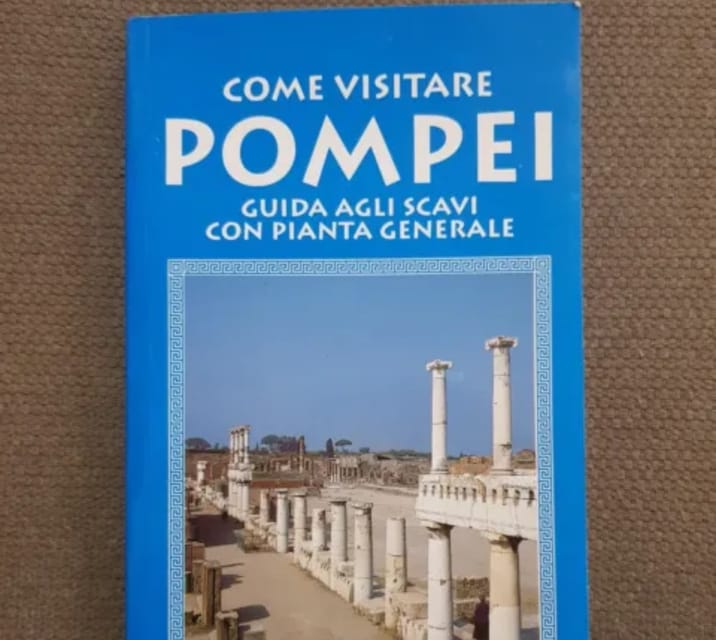
This ticket packages three practical items for your visit: a Pompeii entry ticket, a guide book, and a map of the ruins. The goal is simple: get you into Pompeii without the hassle of long lines, then give you the tools to make sense of the place as you wander.
What you don’t get is a live guided tour. You also won’t have an included audioguide. That matters because Pompeii can go from wow to overwhelming fast. If you like reading as you go and you enjoy figuring things out in your own order, this works really well. If you’d rather have someone steer you to the highlights and explain every detail out loud, you may feel the lack of a guide.
You can also read our reviews of more tours and experiences in Pompei Campania



Getting into Pompeii faster: skip-the-line logistics that actually help

The biggest “time win” here is the skip-the-line access through a separate entrance. In practice, that means less standing around and more walking while your energy is high. Pompeii is a place you want to enter when you’re fresh, because you’re going to cover a lot of ground.
There’s also one very specific timing note that can make your day smoother: come to the meeting point 10 minutes before the time indicated on your voucher. I treat that as a hard rule, not a suggestion. It gives you breathing room if you’re trying to match your voucher to the right office or counter.
Also keep in mind that you’re not signing up for a guided group itinerary. The host or greeter is there, and support is offered in multiple languages (Italian, English, Spanish, German, French, Russian, Polish, Dutch), but the walking is still yours to manage.
How to use the guide book and map so you don’t zigzag all day
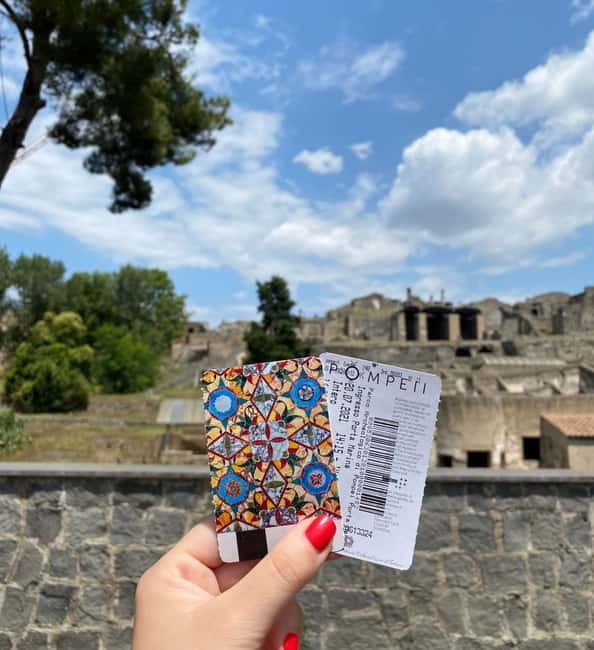
The included guide book is one of the main reasons this ticket feels like more than just entry. It helps you understand what you’re looking at while you walk, which turns a list of ruins into something readable. The map is also useful, but it’s worth going into it with the right mindset: you’re using it to get your bearings, not to do a perfect street-by-street GPS.
One practical nit to know: the map has been described as reasonably good, but the street names don’t always match the labels you’ll see on buildings. If you run into that, don’t panic. Instead, anchor yourself using the big obvious landmarks and then cross-check the guide book descriptions as you move.
My approach for one-day Pompeii is to pick a loose path in advance:
- Start with the area that concentrates the most famous streets and public spaces
- Choose a couple of houses you most want to see (not all of them)
- Save the amphitheatre for when you’re ready for a bigger visual payoff
- Use the guide book to decide what to pause for
That way, you use the guide book as a tool, not as homework.
Walking Pompeii’s Roman streets: houses, temples, shops, cafes, amphitheatre
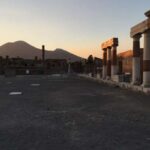
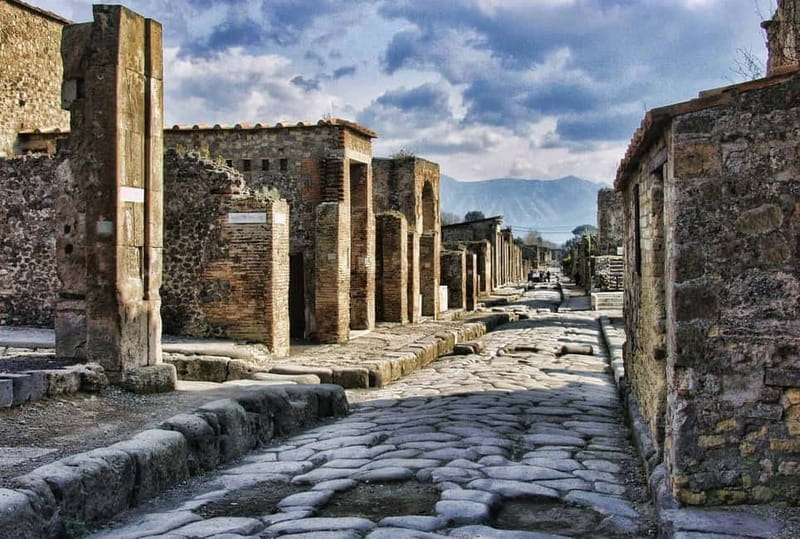
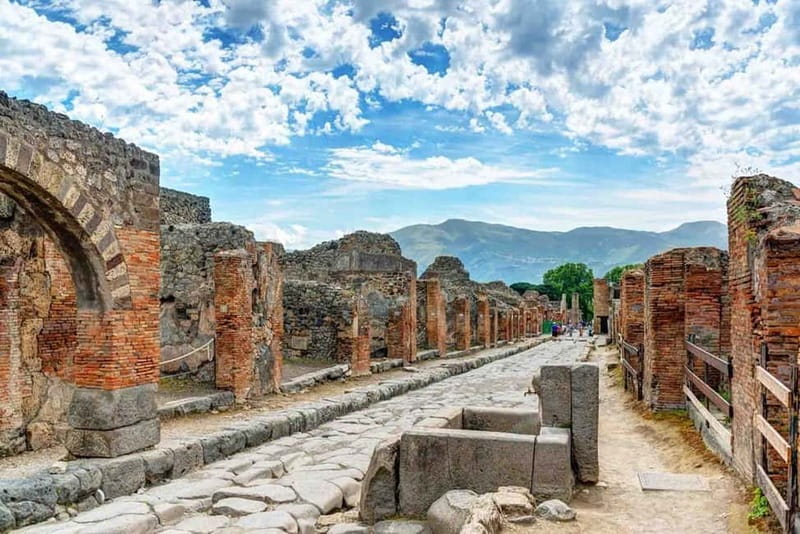
Once you’re in, you’ll spend your day doing the best kind of sightseeing: slow-looking. Pompeii isn’t just monuments. It’s the feeling of moving through a real city—Roman streets, everyday storefront life, and homes that show you how people lived.
Here’s what you can plan around, in the order you’re likely to encounter it:
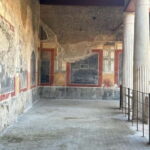
- Millennia-old houses and courtyards: These are the spaces where the city feels most personal. You’re not just viewing stone walls; you’re seeing room layouts and the sense of daily routines.
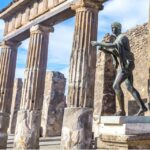
- Temples: Look for how religious space sits among the rest of the city. It helps you understand Pompeii as a full functioning place, not a museum display.
- Shops and cafes: This is where Pompeii can feel almost modern in mood. Even if you can’t read every mark, you get a strong sense of streets built for commerce and community.
- The amphitheatre: Save energy for this. It’s one of the places where the scale hits you quickly, and it’s easier to appreciate if you’re not rushing.
Because you’re self-paced, you can linger in the scenes that grab you and skip the ones that don’t. That’s a real perk if you want to spend more time on domestic spaces or street-level details rather than marching through everything like a checklist.
The amphitheatre moment: when the scale finally clicks
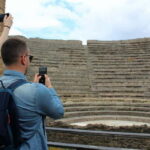
One of the strongest themes from visitor feedback is sheer scale—and that usually becomes obvious when you reach the big public spaces. The amphitheatre is the classic “scale click” because it’s built for crowds. Even without a live guide, you can feel how Pompeii operated as a social city.
What helps is letting your eyes travel. Don’t just look at the arena floor. Take a beat to scan how seating and structure sit in relation to the rest of the ruins. If you’ve been walking narrow streets for hours, this kind of open, grand space changes your perspective.
Also, amphitheatre time is a good moment to check your pace. If you’re running behind, you can adjust—this ticket isn’t forcing you into a strict route, so you can decide what feels most worth your remaining time.




The Shrine of Our Lady of Pompei and bell tower stop
This ticket includes more than just the ancient city core. Thanks to the map, you can also visit the Shrine of Our Lady of Pompei and the bell tower. This part is valuable for a simple reason: it connects the ancient site to later layers of meaning.
Even if you’re mainly there for the Roman ruins, the shrine and tower can add variety to your day. It breaks up the stone-and-streets rhythm and gives you a different kind of atmosphere—still tied to the area, just in a later context.
Plan for this stop as a deliberate add-on, not an afterthought. If you treat it like a quick walk-by, you’ll miss the chance to slow down and enjoy the contrast.
Planning your one-day Pompeii route without getting stuck
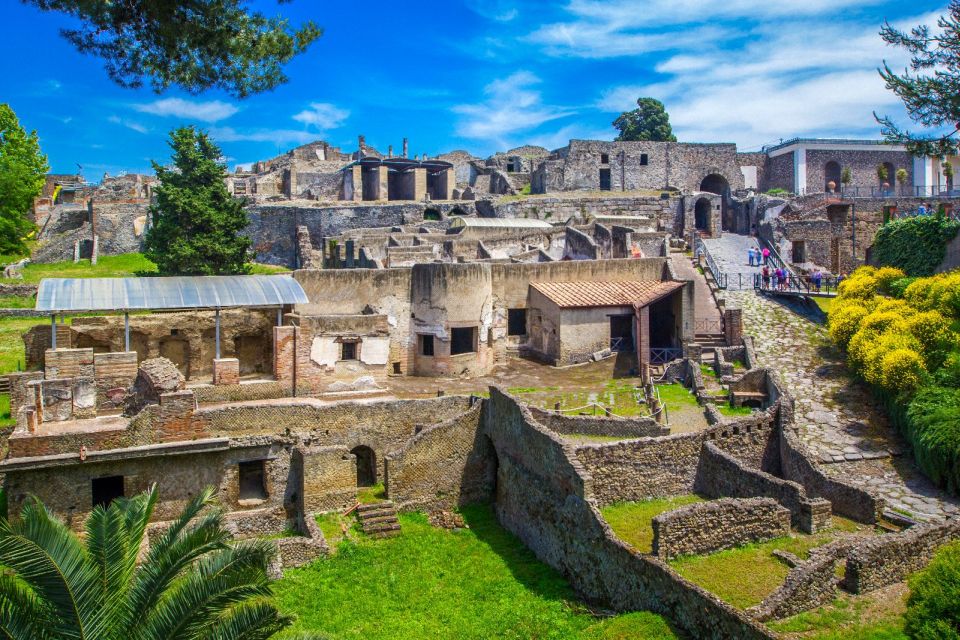
This ticket is valid for one day, so your challenge is choosing where to spend your limited time. Pompeii is famously hard to do thoroughly in a single outing. That’s not a deal-breaker—it just means you should come with priorities.
The best strategy is to aim for a balanced mix:
- Public spaces that show city life
- A couple of houses so you understand home layout and daily living
- One major visual payoff like the amphitheatre
- Time buffer for lingering
There’s also a reality check: not all houses may be open. So if your must-see list includes specific building interiors, don’t be shocked if you can’t access everything. Your guide book can help you redirect your attention on the spot—swap one interior for another nearby space or focus on what’s accessible.
If you’re a planner type, do a quick scan of the guide book before you start walking. It’ll save you from the most common mistake: spending your first hour wandering without a target, then feeling rushed later.
Price and value: is $39.86 worth it for Pompeii?
At $39.86 per person, you’re paying for three main things: entry to Pompeii, plus a guide book and map, plus skip-the-line entry. When the ticket includes both the pass and the self-guided learning tools, it usually feels like better value than paying for entry alone and trying to piece together information on your phone.
Here’s how I’d think about value for this specific setup:
- Skip-the-line matters because time in Pompeii is walking time. Less waiting means more ruins.
- The guide book matters because Pompeii is easier to enjoy when you can label what you’re seeing.
- The map matters because you’re choosing your own route, so you need help navigating without getting lost.
The ticket rating sits at 4.2 out of 5 from 45 reviews, which supports the idea that the system works for most people. Still, you’ll get the best value if you’re the kind of visitor who likes independence and doesn’t need a live narration to enjoy the site.
Who this Pompeii experience suits (and who might want a guided tour)
I’d point you toward this ticket if you like:
- Exploring at your own pace
- Using a guide book while you walk
- Spending time in the ruins rather than standing in lines
- Visiting Pompeii with a plan, but not a strict schedule
It may be less ideal if you strongly prefer:
- A fully guided experience with explanations for every stop
- A built-in route where you never have to decide what matters most
- An audio guide (since one isn’t included)
It’s also a good match if you travel with a mix of interests—someone who wants street-level details can linger, while you can choose when to focus on the bigger sites like the amphitheatre.
One small planning headache to be ready for
Not everything is perfectly smooth, and it’s better to know where the friction can be. Some people found the ticket process confusing at first, then easier once they located the ticket office. That’s why I recommend arriving early and treating the meeting point instructions seriously.
Also, remember you’re using a mix of physical signage and the map in your guide book. If you run into mismatch issues—like street names that don’t perfectly correspond—you can still manage it. Your anchor points are the major monuments and the guide book descriptions, not the exact wording of every label.
Should you book this Pompeii entry ticket with book?
If you want skip-the-line entry and you’re happy to explore on your own, this is a solid buy. The guide book and map do real work here: they help you get meaning from the ruins instead of just taking photos and hoping it all clicks later.
I’d book it if:
- You’re going for a one-day Pompeii visit and want to maximize your walking time
- You like self-guided experiences with learning materials in hand
- You want to visit major ruins plus the Shrine of Our Lady of Pompei area using the included map
I’d think twice if:
- You want a live guide to steer you and explain everything
- You need an audioguide as part of your experience
- You’re uncomfortable making route choices in a large site
FAQ
What’s included with this Pompeii ticket?
Your ticket includes Pompeii entry, a guide book with information about the site, and a map of the ruins.
Is this a guided tour?
No. This is a self-paced entry option with a guide book, not a guided tour.
Do I get an audioguide?
No audioguide is included with this ticket.
How long is the ticket valid?
It’s valid for 1 day. You’ll want to check availability to see starting times.
How does skip-the-line entry work?
You enter through a separate entrance designed to help you bypass long lines.
What time should I arrive?
Come to the meeting point 10 minutes before the time shown on your voucher.