REVIEW · NAPLES
Pietrarsa Railway Museum Guided Tour & Transfer
Book on GetYourGuide →Operated by inStazione · Bookable on GetYourGuide
Steam engines and sea views in one day. The Pietrarsa Railway Museum is a former locomotive workshop outside Naples, and this guided tour turns it into a focused day trip with train transfers built in. I love seeing original Italian trains in such an authentic setting, and I like that you get skip-the-line entry so your guide time starts fast. One watch-out: the live tour is listed in English and Italian, so if you need another language you’ll want to plan ahead.
This is a good pick when you want rail history without the city hassle. You’ll also get a chance to look around the Pietrarsa area with views toward the Gulf of Naples before you head back by train.
In This Review
- Key things to know before you go
- Why Pietrarsa Railway Museum Feels Different Than Most Museums
- Getting There by Train: Transfers That Keep the Day on Track
- The Guided Tour at the Museum: How the Layout Helps You Learn
- Original Trains and the Story of Italian Locomotive Development
- Pietrarsa’s Surroundings: Gulf of Naples Views and a Calmer Pace
- Price and Value: What $27 Buys You for a Full Day
- Who This Tour Fits Best
- Practical Tips for a Smooth Day (and Better Understanding)
- Should You Book the Pietrarsa Railway Museum Guided Tour & Transfer?
Key things to know before you go
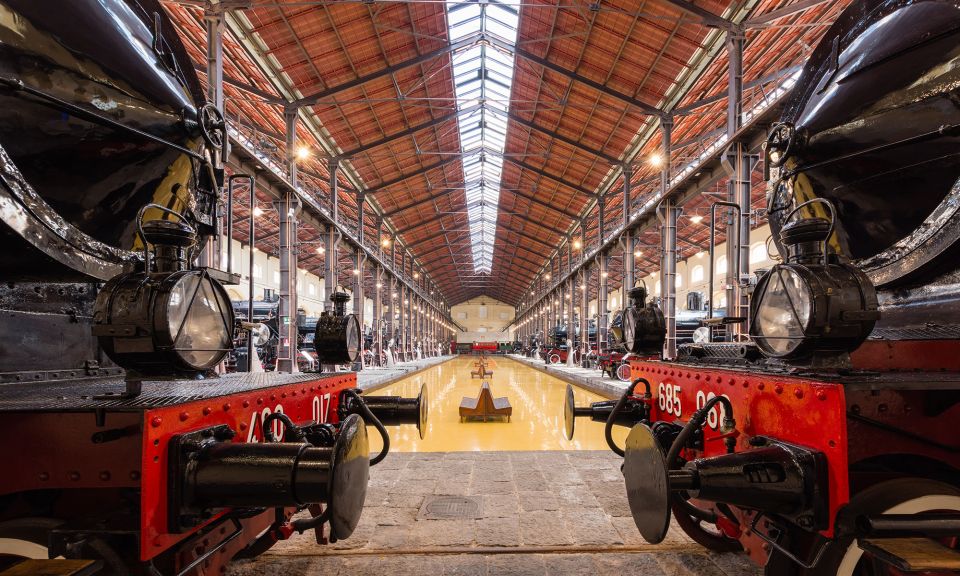
- Former locomotive workshop setting: the building helps you understand how trains were actually maintained and built
- Train transfers included: you ride in and out from Naples or Pompeii options, instead of figuring everything out
- Skip-the-line entry: less waiting, more museum time with the guide
- English/Italian guided storytelling: best if you’re comfortable with one of those languages
- Views and a little free time: Pietrarsa’s coastal setting adds a calmer rhythm to the day
Why Pietrarsa Railway Museum Feels Different Than Most Museums
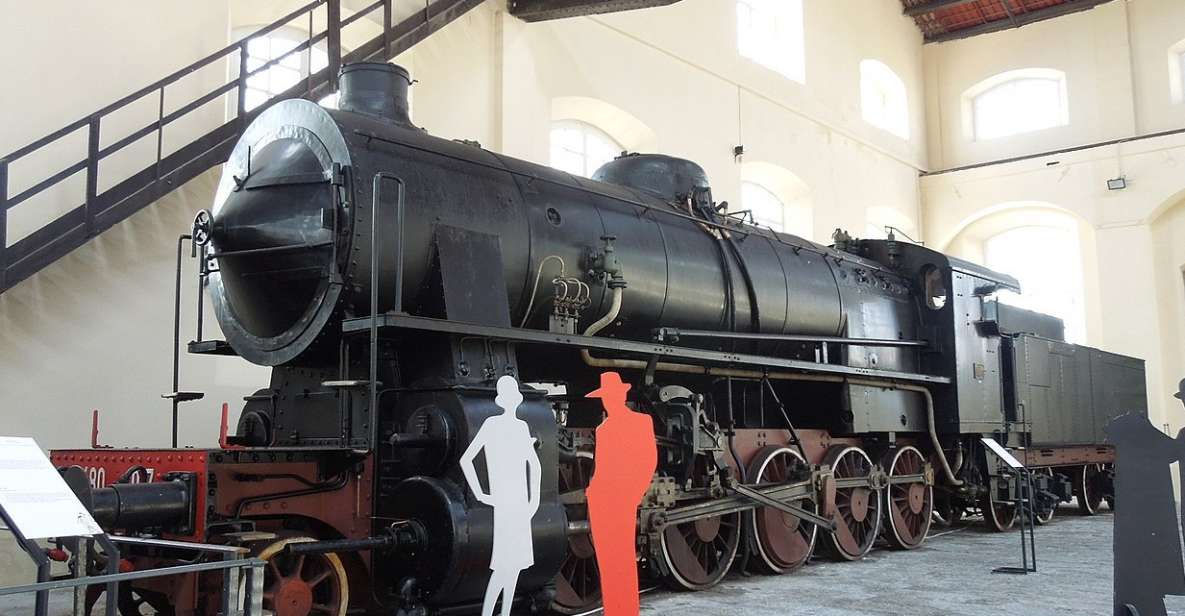
Most rail museums are about models, photos, or behind-glass displays. Pietrarsa is different because the whole place is tied to the work that happened there—maintenance, engineering, and the everyday reality of running trains. That means when you walk through the exhibitions, you’re not just reading about technology. You’re standing where it was handled.
I also like that the tour is designed as a real outing, not a quick “see a few engines and go.” You get guided context for what you’re looking at, so the details on historic trains make more sense. And since it’s outside the city center, the museum has room to breathe. You feel the coastal air of Campania as part of the experience, not just the background view.
You can also read our reviews of more guided tours in Naples


Getting There by Train: Transfers That Keep the Day on Track

This is built for people who don’t want to fight traffic or puzzle out schedules. You’ll travel by train to Pietrarsa from your chosen starting point (Naples or Pompeii options are part of the experience, and the transfer is included in the package you book). The big value is that the ticketing and transit are handled for you, so you arrive ready for the museum tour rather than stressed about timing.
Because the day runs on train departures, you’ll do best if you show up early and keep your documents handy. One more reason to be punctual: the meeting point can vary depending on which option you choose, and the provider contacts you the day before with the needed information via WhatsApp or email. That extra heads-up matters. It helps you find the right place without last-minute guesswork.
If you’re coming from Rome, the same structure applies: you choose the option that includes the right train tickets to Pietrarsa. The format is consistent: transport in, guided museum time, transport back.
The Guided Tour at the Museum: How the Layout Helps You Learn
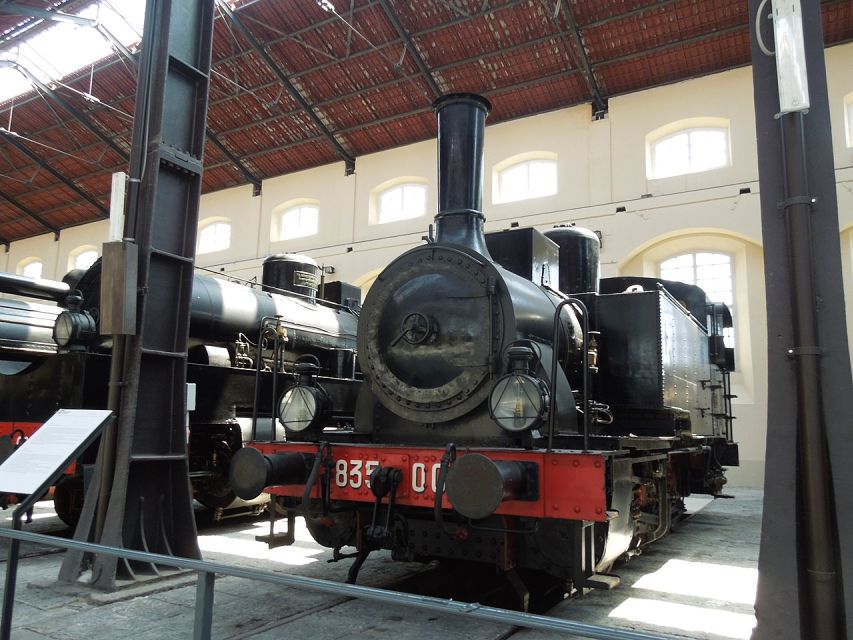
Once you meet your guide at the Pietrarsa Railway Museum, you skip the ticket line and start learning right away. This matters because the best parts of a guided museum visit are often the first explanations. You want the “what you’re looking at” context before you wander.
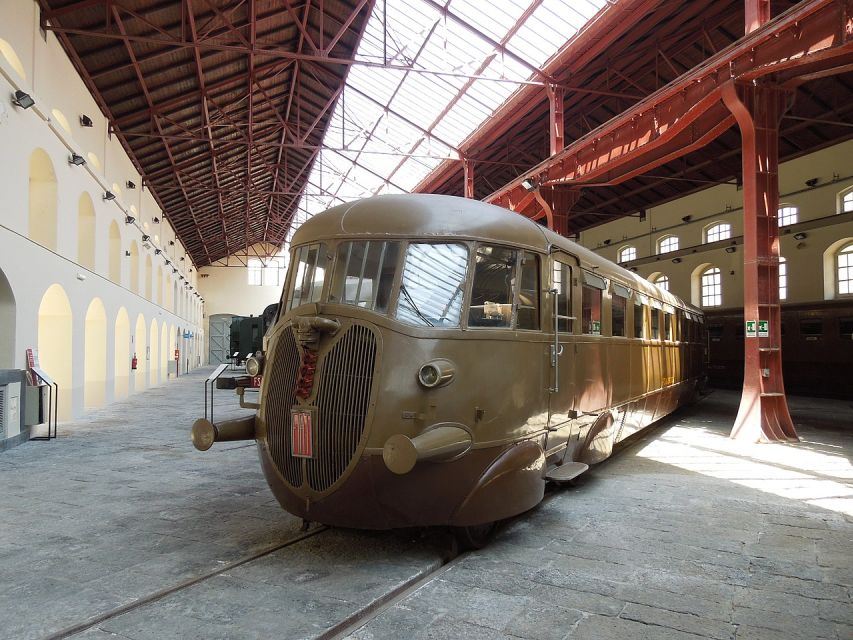
The museum is in a former locomotive workshop, so the building itself shapes the tour. You can usually connect what you see—tracks, machinery details, and locomotive components—with the idea of an industrial facility. Instead of treating locomotives like distant artifacts, the tour frames them as engineered tools that evolved over time.
Language is clearly marked as English and Italian for the live guide. If you’re traveling with mixed language needs, that’s something to consider when you book. For the tour to feel truly smooth, you’ll want your group to understand the guide’s language well enough to follow the explanation.
There’s also a practical sound factor in large industrial rooms. Some spaces echo, and a guide’s mic may not carry the same way in every corner. I’d suggest you position yourself closer to your guide when important points are being explained, especially if you’re sensitive to background echo.
Original Trains and the Story of Italian Locomotive Development
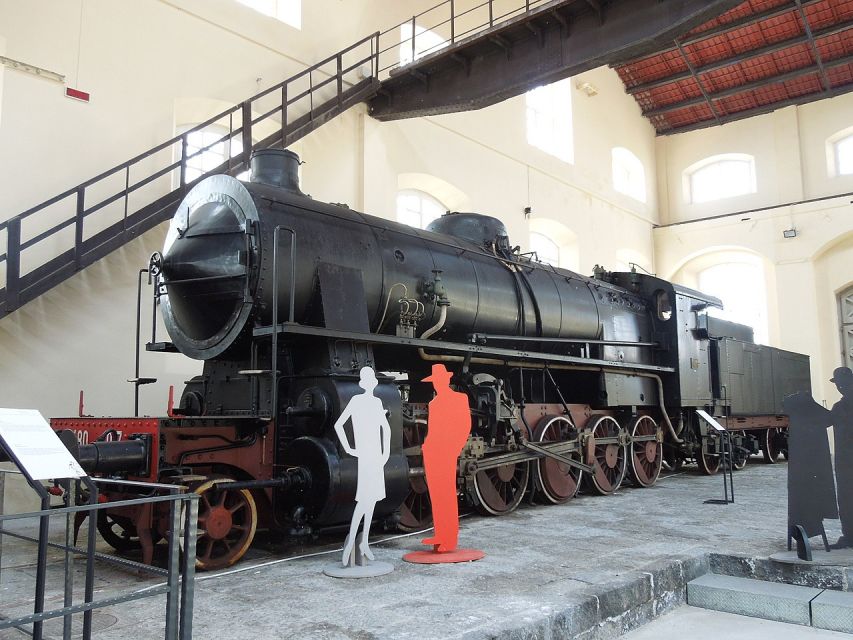
Here’s what makes the Pietrarsa museum experience special: you’re not only looking at displays, you’re tracking the development of trains through history. The guided tour helps you see connections—how the Italian train industry grew in its early home, and how locomotive design and rail work changed along the way.
You’ll get to see original trains on display and understand how those engines fit into the broader story of Italian rail. The museum focuses on its place in origin, and that context is key. When a museum explains technology through geography and industry, it’s easier to remember the details. It’s not just steam engines. It’s why those engines existed in the first place, and how the industry shaped engineering choices.
This is the kind of museum that works well for families too. Even if kids don’t care about every technical term, they usually respond to physical details—colors, metalwork, locomotive scale, and the sheer presence of historic machines. The guide’s job is to translate the story so it’s readable, not overwhelming.
Pietrarsa’s Surroundings: Gulf of Naples Views and a Calmer Pace
One of the underrated parts of this day trip is the setting. Pietrarsa is just outside Naples, but it doesn’t feel like you’re trapped in city noise. The tour includes time to explore the Pietrarsa area, and it’s a nice rhythm change between workshop halls.
You’ll get views toward the Gulf of Naples, which can be a welcome payoff after time indoors. It’s the kind of scenery that turns the visit from purely educational into genuinely enjoyable. When you can look out and reset your brain between exhibits, the day feels lighter.
Then you head back by train to your city. That rail return closes the loop nicely. You see the history inside, then you return to modern travel with a stronger sense of where it started.
You can also read our reviews of more museum experiences in Naples




Price and Value: What $27 Buys You for a Full Day
At around $27 per person, this isn’t just a museum ticket. It’s a guided visit plus train transportation and skip-the-line entry. For Naples area visitors, that combo is where the value really shows.
If you’ve ever planned a day trip on your own, you know the hidden costs: time figuring out transit, potential ticket-line delays, and the uncertainty of meeting points. This package trims those friction points. You pay for the structure.
Is it a luxury experience? No. The value is in practical logistics and meaningful guide-led time in a museum that has real industrial authenticity. If your goal is history, trains, and a stress-lowered day in Campania, the price matches the payoff.
Your best bang-for-buck is when your group can use the guide in English or Italian. When the language fits, the museum story lands better and you spend less time “translating” in your head.
Who This Tour Fits Best
This is ideal if you fall into one of these categories:
- Rail and industrial-history fans who want an explanation while looking at original equipment
- Families who prefer a guided structure and a place with enough visual energy to hold attention
- First-time visitors to Naples who want a different side trip than just another city block
- Anyone who wants less planning and more “show up, get guided, ride trains, done”
If you’re the kind of traveler who loves to linger without a schedule, you might find the day has too much rail timing. The experience is built around transport in and out, plus a guided tour. You’ll likely enjoy it most if you’re happy following a set flow.
Practical Tips for a Smooth Day (and Better Understanding)
A few small things can make your visit more comfortable and more enjoyable:
Bring the right ID
You’ll need a passport or ID card.
Watch your language needs
The live guide is in English and Italian. If your group needs another language, decide before booking so you aren’t stuck trying to piece things together quietly.
Plan for meeting point variation
The meeting point may vary depending on the option you booked. The provider contacts you a day before via WhatsApp or email with the information you need. Keep an eye on messages.
Keep your expectations realistic about sound
Industrial rooms can echo. If you’re positioned farther from the guide, the microphone may not carry as clearly. If audio clarity matters to you, pick a spot closer to where the guide speaks.
Food and drink are on you
Food and drinks aren’t included. If you want a relaxed day, bring a snack plan and water so you’re not forced into rushed decisions later.
Wear comfortable shoes
Even though the tour is only a day, you’ll be moving through museum spaces and walking the Pietrarsa area. Comfortable footwear is just smart.
Should You Book the Pietrarsa Railway Museum Guided Tour & Transfer?
I’d book it if you want a day trip that’s more than sightseeing. This is rail history with an authentic setting, plus the practical benefit of train transfers and skip-the-line entry. The price makes sense for families and first-time visitors because it removes planning hassles and replaces them with guided context.
I’d think twice if your group relies on a language other than English or Italian, or if you prefer fully self-paced museum wandering. This experience is structured. It works best when you can comfortably follow the guide and when you’re okay with the day being organized around train timing.
If you want an easy way to add locomotive history and a taste of Campania’s coast to your Naples-area visit, this one is a solid choice.