REVIEW · NAPLES
Naples: LAPIS Museum Guided Visit in Italian
Book on GetYourGuide →Operated by Campania Overland · Bookable on GetYourGuide
Naples is not supposed to go underground. Then you find the aqueduct world under the Basilica of Pietrasanta, lit up like a secret you can actually see. This 75-minute guided visit takes you through the underwater path of the LAPIS Museum, centered on the Water Museum and the Museo dell’Acqua di Napoli.
What I like most is the way the tour turns engineering into something you can feel: ancient Greco-Roman cisterns and hydraulic systems, brought back into action. I also love the practical scale of the experience, with a small group capped at 10, so the guide can keep the flow moving and help you make sense of what you’re seeing.
One thing to consider: this experience is not suitable for people with mobility impairments or wheelchair users, and it involves going down into an underground circuit (including an elevator ride).
In This Review
- Key things I’d plan around
- LAPIS Museum in Naples: seeing aqueduct engineering you can walk through
- Starting at the Basilica of Pietrasanta and the Water Museum
- Greco-Roman cisterns and Cosimo Fanzago’s 17th-century water plan
- The Submerged Decumanus path and the lighting that makes it legible
- The archaeological elevator to 35 meters: fast descent, big perspective shift
- Language, pace, and group size: how the 75 minutes actually plays
- Price and value: is $15 worth 75 minutes underground?
- Who should book the LAPIS Museum guided visit
- Should you book the LAPIS Museum guided visit?
- FAQ
- FAQ
- How long is the LAPIS Museum guided visit?
- What does the $15 price include?
- Is the tour guided in English?
- What’s the group size for this tour?
- Is this experience suitable for wheelchair users or mobility impairments?
- Can I cancel or change my plans?
Key things I’d plan around
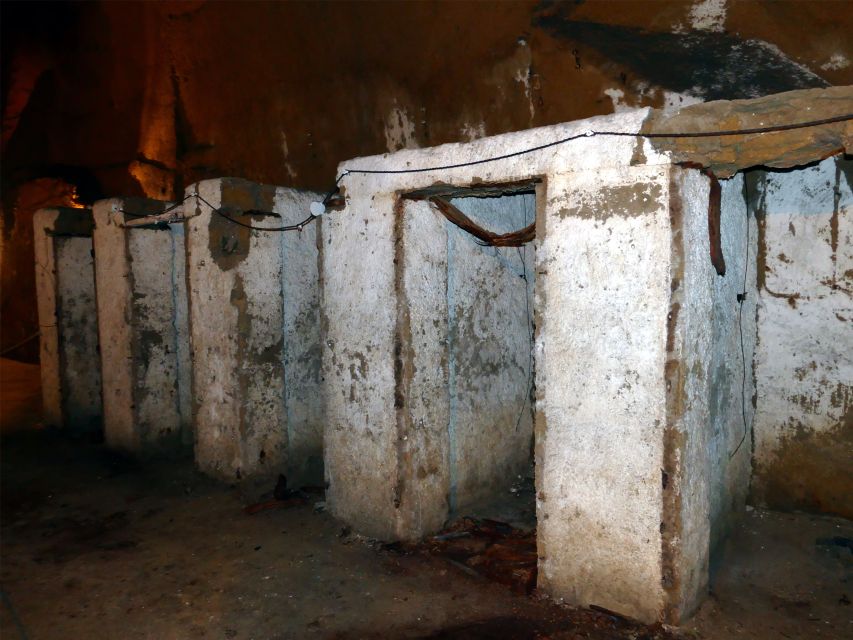
- Underground aqueducts at the Basilica of Pietrasanta: Naples view and ruins in the same stop, but underground.
- Water Museum as the starting hub: this is where the route and context come together.
- Greco-Roman cisterns + 17th-century redesign: ancient water storage meets later architectural work by Cosimo Fanzago.
- Submerged Decumanus path with technical lighting: vaults and volumes are highlighted with lights and color.
- Archaeological elevator to 35 meters deep: a fast ride down that connects you with the subsoil.
- Italian-only, small-group pacing: you’ll get more out of it if you’re comfortable with Italian.
LAPIS Museum in Naples: seeing aqueduct engineering you can walk through
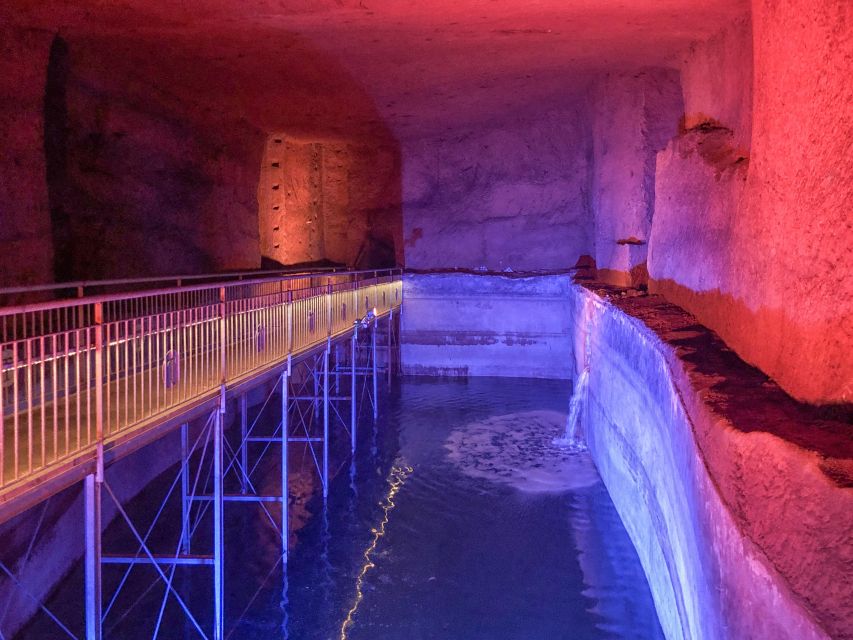
If you think Naples is all above-ground chaos, this tour is your reality check in the best way. LAPIS Museum (in the Basilica of Pietrasanta) reframes the city around one basic need: water. You’re not just looking at old stones. You’re moving through a functioning-style underground path where runoff and water still matter.
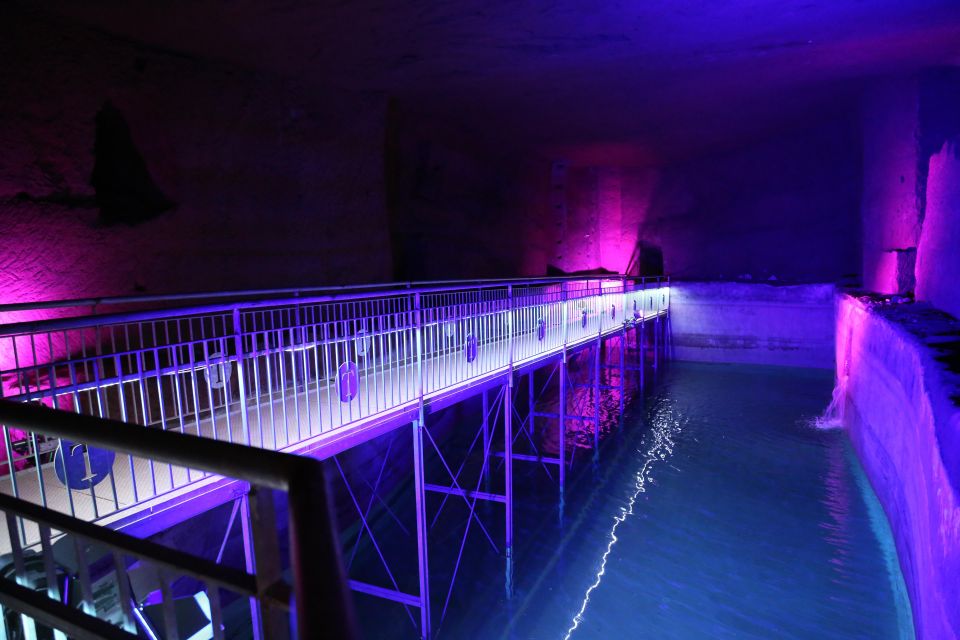
The setting is dramatic on purpose. The underground route has a “Submerged Decumanus” feel, meaning you’re walking through a buried corridor-like space linked to the water system. Then the whole experience is shaped by lighting that emphasizes vaults, curves, and the sense of depth. It’s rare to see technical history turned into something visually clear without turning it into a theme park.
The value here is that the tour compresses a lot of time-travel into a short visit. You’re going from the historic center’s street-level context down into the crypt spaces tied to ancient structures, and you do it with a real guided explanation in Italian.
You can also read our reviews of more guided tours in Naples


Starting at the Basilica of Pietrasanta and the Water Museum
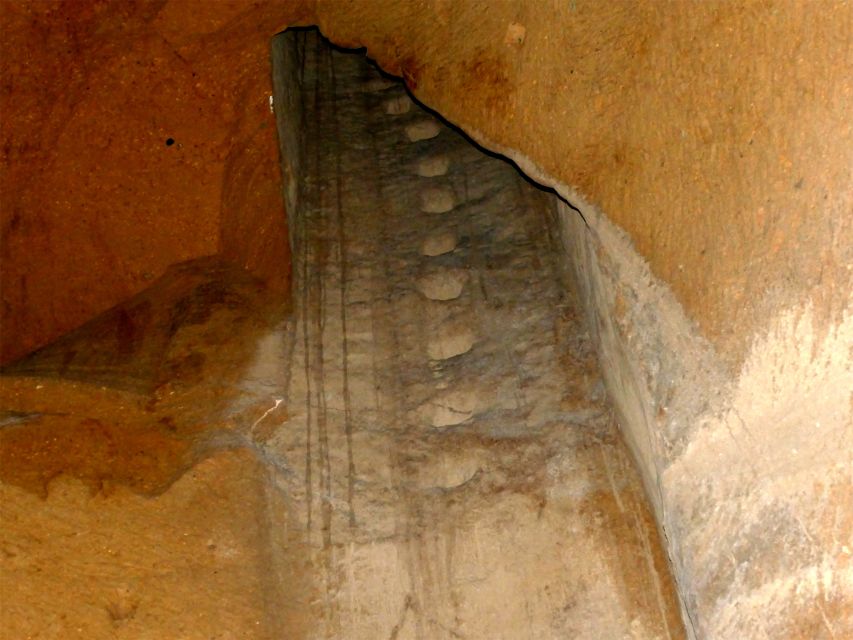
The visit centers on the Water Museum, which acts like the hub for the underground path inside the Basilica of Pietrasanta. This matters because it’s not random wandering. You start with the place that connects the story of the cisterns to what you’re about to walk through.
From there, you follow your guide through the spaces where the hydraulic engineering is the star. The Water Museum is specifically tied to the route through ancient Greco-Roman cisterns. Even if your Italian is only okay, the physical cues do a lot of the work: you’ll see how the system is laid out, then you’ll understand it in context.
You’ll also be visiting the Museo dell’Acqua di Napoli during the guided experience. That’s the part that helps you connect Naples’ underground water systems to the broader historic layers of the city, instead of treating the crypt like a one-off attraction.
Practical note: because this is an underground circuit, wear shoes you trust. You’ll be moving through a site that is built for archaeology and preservation, not for fast foot traffic. If you’re the type who hates slow lines, you’ll still like the pacing, but plan for a measured walk.
Greco-Roman cisterns and Cosimo Fanzago’s 17th-century water plan
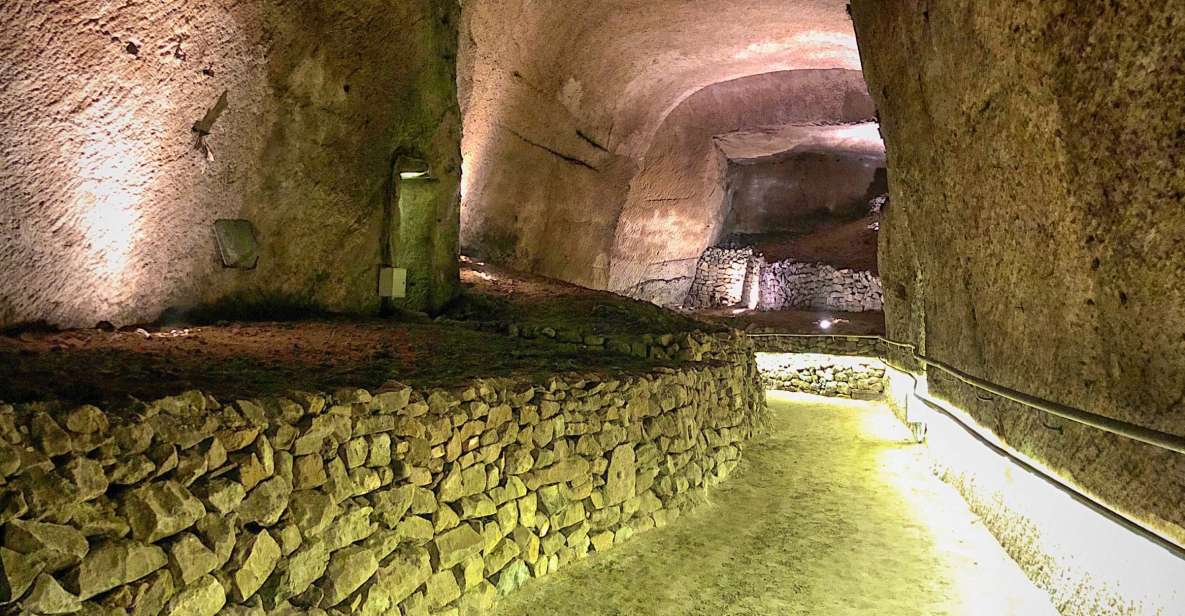
One reason this tour feels more meaningful than a typical museum walkthrough is that it explains how different eras overlap. The underground spaces were built and reshaped through time.
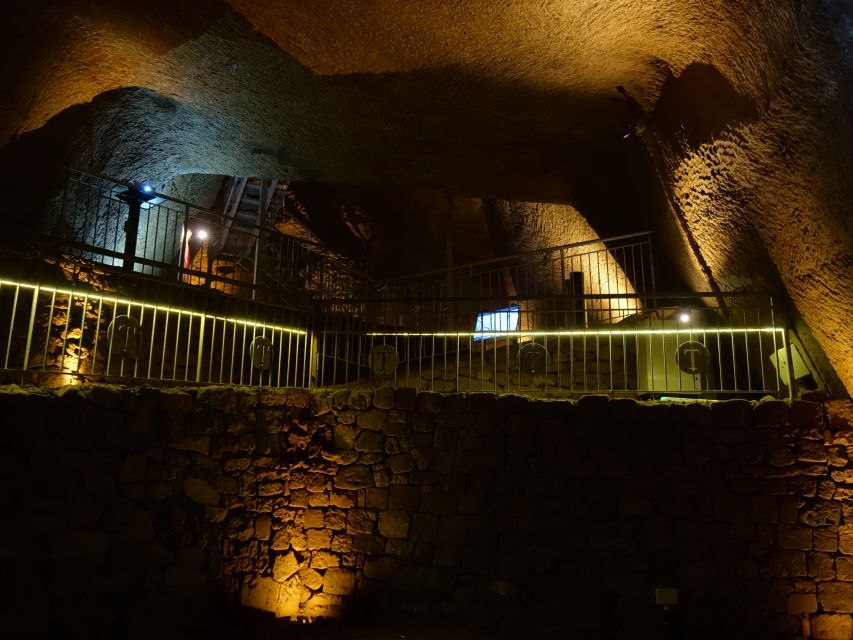
Here’s the key thread: the project was built in the mid-seventeenth century by architect Cosimo Fanzago, using the remains of an earlier Ancient Temple of the goddess Diana. That temple connection isn’t just trivia. It explains why you’re dealing with layers: sacred space, then water storage, then a modern museum path.
On top of that, the cisterns aren’t shown as dead ruins. The way the site is described centers on them finding water and runoffs and being brought back into operation. So you’re standing in spaces that were designed to hold water long-term, and now they’re presented again in a way that makes the system understandable.
I like that this approach keeps your expectations grounded. You’re not asked to pretend you’re in a complete replica of the ancient world. Instead, you see what remains, then you learn how engineers and architects adapted it. That makes the “history” feel concrete.
If you’re a photo person, this is also a good spot for angles. Underground vaults and channels can look flat when you rush. With a guide and a set route, you get the chance to look longer than you would on your own.
The Submerged Decumanus path and the lighting that makes it legible
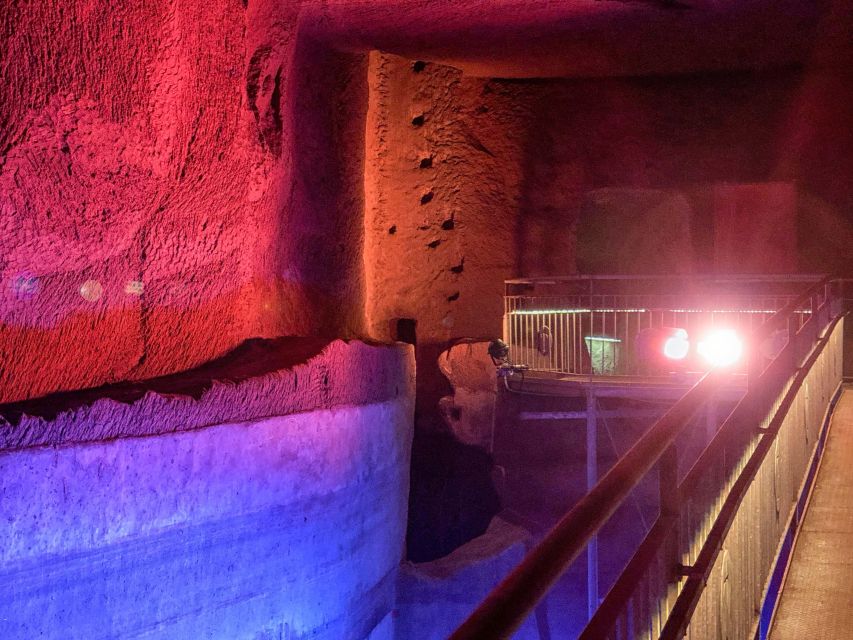
The underground route inside the Basilica of Pietrasanta is described as a “Submerged Decumanus.” Even if you’ve never heard that term before, the idea is easy to grasp when you’re there: you’re following a buried path that’s tied to the way the site was laid out historically.
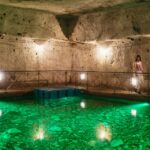
What makes the walk feel special is the lighting design. A technical lighting system emphasizes volumes and vaults using lights and color. In plain terms, it helps you see the geometry of the space instead of only seeing darkness and shadows. That matters because cisterns are all about form. If you can’t read the shape, the explanation can feel abstract.
This is one of the most praised parts of the experience for a reason. People don’t just like it as a novelty. They find it emotional and fascinating because the light pulls attention to what the human builders created—curves, thickness, and the way water storage spaces work.
A small caution: because the lighting is part of the experience, you’ll want to keep your phone ready but not constantly in the way. Give the guide a chance to point out where to look, then take photos after you understand the space.
The archaeological elevator to 35 meters: fast descent, big perspective shift
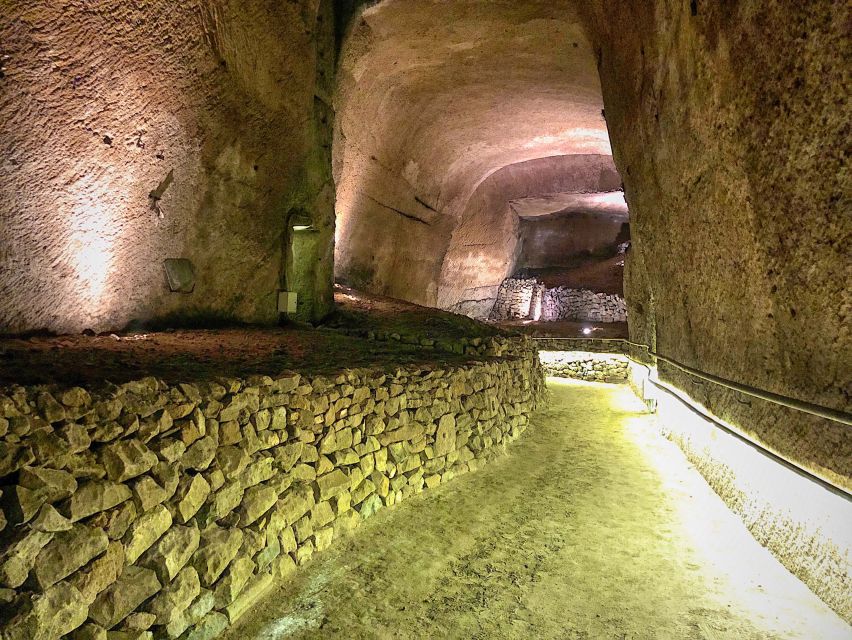
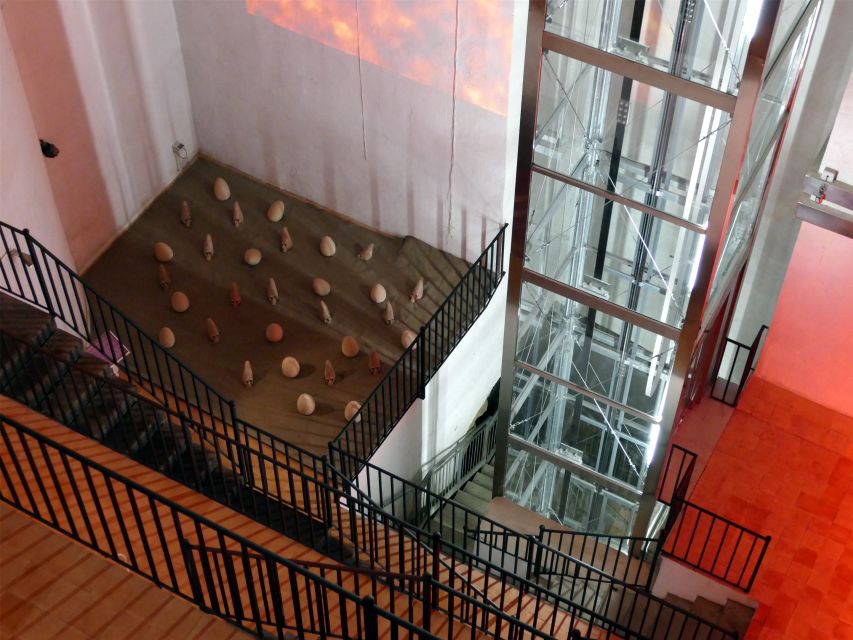
The standout physical moment is the ride in an archaeological lift down to 35 meters deep. The key detail is that it connects the crypt environment with the subsoil in about 20 seconds. That’s a short time window, which makes it less tiring and easier to fit into a 75-minute tour.
Why this matters: depth changes your sense of scale. Naples can feel like it’s always near the water and always layered with buildings. Going down 35 meters makes the city’s underground footprint feel real, not just theoretical.
The elevator also adds a useful contrast to the walking parts. You get a clear moment where the guide’s explanation can snap into place. One second you’re in the museum-like spaces. The next, you’re down with the underground environment emphasized as a physical layer of the city’s story.
If you’re the kind of person who hates enclosed spaces, you might still find this manageable because the ride is quick (about 20 seconds). But I can’t promise comfort level beyond that, since the tour design details beyond depth and speed aren’t listed. If you’re sensitive, think about how you handle elevators in general before you book.
You can also read our reviews of more museum experiences in Naples





Language, pace, and group size: how the 75 minutes actually plays
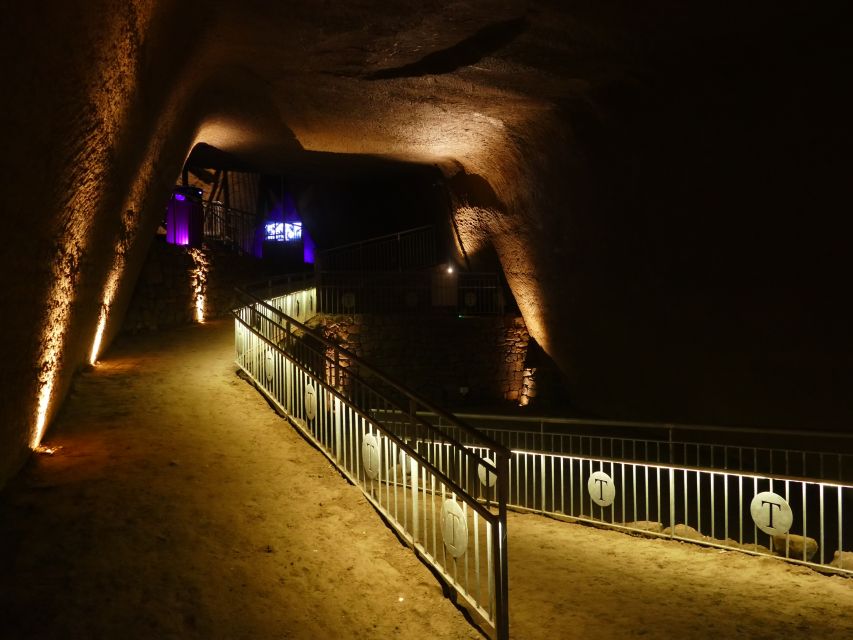
This is an Italian-speaking guided tour, and group size is limited to 10 participants. That combination is the reason the visit can feel organized and focused.
When a group is small, the guide can keep you from drifting. You’re less likely to lose the thread of the story, and you can ask short questions if you want clarification. In a site like this, where terms like cisterns, runoffs, and ancient temple remains show up, clarity is everything.
The pace is also built into the duration: 75 minutes. You’re not stuck for hours underground, and you still get enough time to walk through multiple zones of the underwater path experience.
Who this suits best:
- You want something different from standard Naples sightseeing.
- You like history that’s tied to real-world engineering.
- You can follow explanations in Italian, or at least you’re comfortable using your eyes and body language alongside the guide.
Who might find it less ideal:
- Anyone needing step-free, wheelchair-accessible routes (the tour is not suitable for wheelchair users).
- Anyone who doesn’t enjoy guided structure and prefers wandering without time limits. This is a set route.
Price and value: is $15 worth 75 minutes underground?
At $15 per person for a 75-minute guided visit with an Italian-speaking guide, you’re paying for three things: a ticket into a specialized underground site, guided interpretation, and access to the elevator component.
That’s a strong value mix. Many tours in major cities charge far more for museum entry plus a guide, and many don’t include a signature experience like an archaeological lift down to 35 meters. Here, the price feels designed for access, not just exclusivity.
Also, the experience is compact. You get a lot of concentrated content in under two hours, which can matter if you’re trying to fit Naples into a tight schedule. And because the site is underground and route-based, you’re not spending time hunting for what to see next.
So yes, I’d call the $15 price fair for what’s included. Just match it to your comfort with the underground environment and the Italian language.
Who should book the LAPIS Museum guided visit
Book it if you want Naples from a different angle, literally. This is one of those experiences where the city feels layered in a way you can’t get from street-level views.
You’ll likely enjoy it most if you:
- Like guided tours that explain how things work, not just when they were built.
- Want a shorter, high-impact activity in the historic center.
- Are curious about ancient hydraulic engineering and how later architects used and adapted earlier structures.
You may want to skip or look for another option if:
- You rely on wheelchair access or need step-free routes. This visit isn’t suitable for wheelchair users and mobility impairments.
- You dislike going underground in general.
- You only want activities fully in English.
Should you book the LAPIS Museum guided visit?
In my view, this is the kind of Naples activity that earns its place on your schedule quickly. The price is modest, the group size is small, and the experience has a clear signature moment with the elevator down to 35 meters. Add in the lighting that makes vaults and volumes readable, and you get more than just a basement stroll.
If you can handle Italian-language guidance and you’re comfortable with an underground route, this is an easy yes. If accessibility is a concern, don’t push it. Find an alternative that fits your needs.
FAQ
FAQ
How long is the LAPIS Museum guided visit?
The tour lasts 75 minutes.
What does the $15 price include?
The price includes the admission ticket and an Italian-speaking tour guide.
Is the tour guided in English?
No. The tour guide speaks Italian.
What’s the group size for this tour?
It’s a small group limited to 10 participants.
Is this experience suitable for wheelchair users or mobility impairments?
No. It is not suitable for people with mobility impairments or wheelchair users.
Can I cancel or change my plans?
There is free cancellation up to 24 hours in advance for a full refund, and you can reserve now and pay later. The experience can be booked no later than 24 hours before the desired visit.