REVIEW · POMPEII
Pompeii walking tour (2hrs)
Book on Viator →Operated by Bites of History with Margherita · Bookable on Viator
Pompeii feels bigger than it should. A 2-hour private walking tour with Margherita turns the site into something you can actually follow, not just a wall of ruins. I like that you’re not stuck doing random photo stops. You get Pompeii’s everyday life framed in a way that makes the place click fast.
Two things I especially like: Margherita’s way of keeping the walk engaging, and the attention to the stuff you’d miss alone—theatres, shops, houses, baths, and the gladiator gym area, plus how people had fun. The one real consideration is time. Pompeii is enormous, so in two hours you’ll see highlights and strong context, but you won’t cover the whole city.
In This Review
- Key tour highlights to know
- Why a 2-hour private walk works in Pompeii
- Entering the Archaeological Park from Piazza Esedra
- What you’ll see: theatres, shops, homes, baths, and gladiator life
- A quick reality check on the “best preserved” claim
- Margherita’s style: why the tour feels alive
- Price and logistics: what $60.08 covers (and what doesn’t)
- Timing, pace, and comfort inside the site
- Who this Pompeii tour suits best
- Should you book this Pompeii walking tour?
- FAQ
- Is the Pompeii entrance ticket included in the tour price?
- How long is the Pompeii walking tour?
- Is the tour private or shared?
- What language is the tour offered in?
- Where do we meet for the tour?
- When will I receive confirmation after booking?
- What happens if the tour is canceled due to weather or minimum numbers?
- Can service animals join the tour?
Key tour highlights to know
- Private, licensed 2-hour walk means your group stays together and you can ask questions.
- Meet at Piazza Esedra ticket office inside the Pompeii park area for a clean start.
- Entrance admission is extra; your guide time is included in the $60.08 price.
- English tour with a guide who uses stories, not just dates.
- Mobile ticket for the tour itself, so you’re not hunting paper.
- You focus on daily life: homes with decoration, public spaces, baths, and gladiator-related areas.
Why a 2-hour private walk works in Pompeii
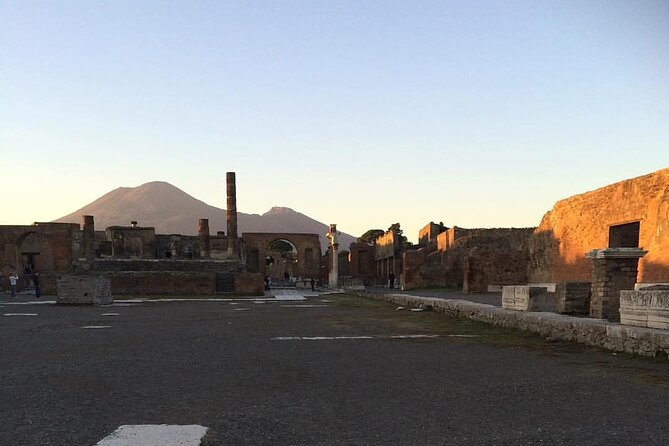
Pompeii can overwhelm you in minutes. The ground is packed with streets and rooms, and it’s easy to wander without a sense of what matters. A guided route helps you keep your mental map together—where you are, what you’re looking at, and why it mattered to real people living there.
In two hours, the goal isn’t to “see everything.” It’s to see the right pieces with enough explanation that you don’t forget them. You get a fast introduction to the city’s structure, its public life, and how daily routines fit around buildings like theatres, shops, and bathing spaces.
This format also helps if your group is mixed—maybe one person wants history, another wants human stories, and another just wants the best photo moments. A private guide can steer the pace and choose what to stress.
You can also read our reviews of more walking tours in Pompeii



Entering the Archaeological Park from Piazza Esedra
Your meeting point is in front of the ticket office in Piazza Esedra, at the entrance area for the archaeological park (80045 Pompei). The tour starts inside the site and ends back at the meeting point.
That matters more than it sounds. Pompeii is easy to reach, but once you’re inside, distances add up quickly. Starting at a clear entrance keeps the first minutes from getting wasted. It also helps if you’re planning around trains or buses, since the tour is timed for an efficient loop.
If you like structure, this is the kind of tour that gives it. You’re not left to figure out where the “main” highlights are; your guide brings you into a logical walk where each stop supports the next one.
What you’ll see: theatres, shops, homes, baths, and gladiator life
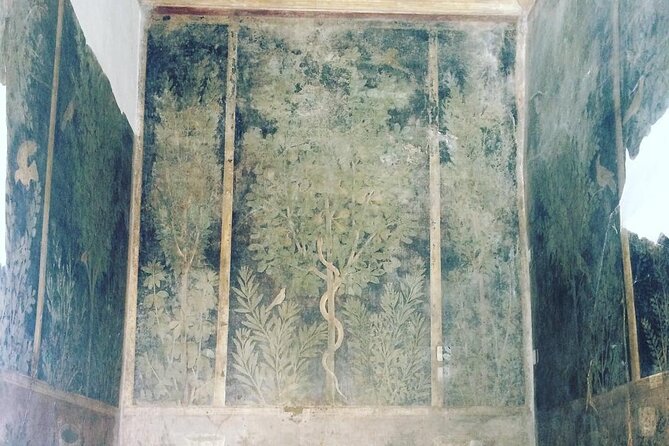
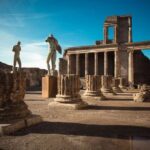
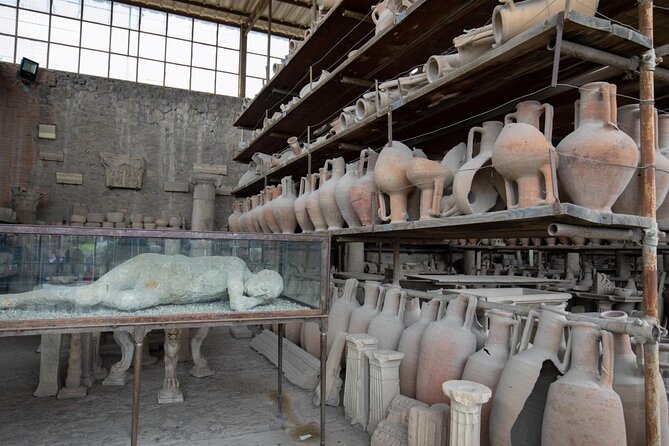
The heart of this walking tour is the way it moves through Pompeii as a lived-in city, not just a stone museum. The setting is the Archaeological Park of Pompeii, a Roman city destroyed after Mount Vesuvius erupted in 79 A.D. What’s striking is how the city survived underground and later resurfaced—streets, buildings, and decorative details that let you picture ordinary routines.
Here’s what you can expect the guide to bring into focus during the walk:
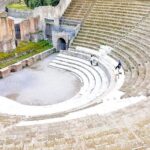
Theatres and public gathering spaces
You’ll see Pompeii’s theatre world and how entertainment fit into Roman life. Even if you’ve read about Roman shows, you’ll likely get a clearer sense of who used these spaces and why they were socially important.
Shops and street-level commerce
Pompeii’s shopfronts and commercial areas help you understand the city as an economy. Instead of thinking of ruins as background, you start noticing the practical logic—what people likely bought, how streets functioned, and how public space worked.
Houses with preserved decoration
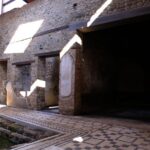
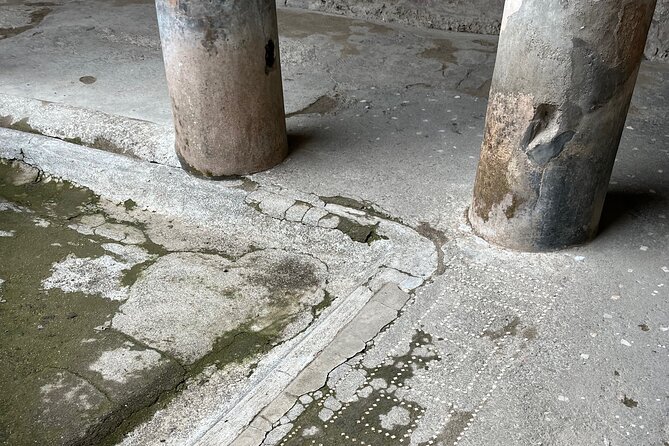
The tour highlights houses with frescoes and marble details still visible. This is one of the fastest ways to grasp the human side of Pompeii. You’re not only looking at architecture; you’re looking at what people chose to decorate their everyday rooms with.
Thermal baths: how the bathing system worked
The thermal baths are a big deal because they show a social routine. You’ll get an explanation that makes the layout feel purposeful, so you don’t just admire stone walls—you understand how people moved through a bathing process.
The gladiators’ gym and training angle
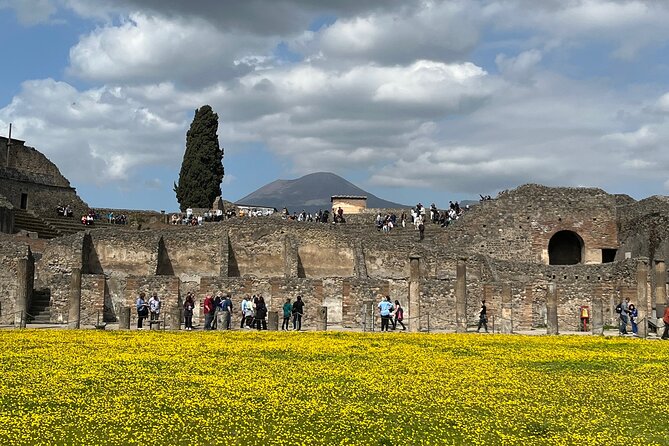
You’ll also focus on gladiator-related spaces, including the gym/training context. The guide’s job here is key: without guidance, it’s easy to see “an arena or a workout space” and move on. With a guide, you understand how training and performance culture sat inside the city.
Fun and everyday leisure
The itinerary also calls out the ways people had fun. That’s where Pompeii becomes memorable. You start linking public places with entertainment habits and social life, so the city feels less like a snapshot and more like a routine that had rhythm.
A quick reality check on the “best preserved” claim
Pompeii is often called one of the best-preserved Roman cities. On a walk like this, you’ll understand why. But remember: “best preserved” doesn’t mean intact. Some areas will feel broken, partial, or worn. The guide helps you read what remains, so the missing pieces don’t turn into confusion.
Margherita’s style: why the tour feels alive

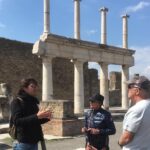
This tour is run by Bites of History with Margherita, and the most consistent theme in the experience is her delivery. People describe her as engaging and professional, with humor and real enthusiasm for the place.
What that means for you on the ground:
- You get more than a list of ruins. The guide connects buildings to daily life, so you’re not memorizing trivia.
- You’re likely to hear stories and small details that help the city feel human—how food, routines, and entertainment fit together.
- The walk stays active and interesting. A theatre stop, for example, won’t just be a “look over there” moment. You’ll get context to make it click.
One thing that stands out is her knack for making the site feel approachable even if you’ve been to Pompeii before. I like that idea, because it’s common to think you’ll need a beginner-level tour. With a strong guide, even repeat visits can feel fresh.
Also, Margherita has been described as helpful around the practical ticket moment—getting people into the right place and making the start smoother once you’re at the entrance. That matters because Pompeii is busiest when you least want delays.




Price and logistics: what $60.08 covers (and what doesn’t)
The price is $60.08 per person for a 2-hour walking tour in English. The included item is a licensed tour guide for those two hours.
What’s not included is the entrance admission ticket to the Archaeological Park of Pompeii. So you should treat the $60.08 as paying for the guide and the tour experience, not the park entry itself.
Is it good value? Usually, yes—if you care about understanding what you’re seeing. For a place as large as Pompeii, paying for someone to translate the site into a coherent story is often worth it. You’ll likely spend less time guessing and more time noticing the parts that give the ruins meaning.
Two more practical notes from the tour info:
- The tour uses a mobile ticket.
- You’ll receive confirmation within 48 hours, as long as there’s availability.
Timing, pace, and comfort inside the site
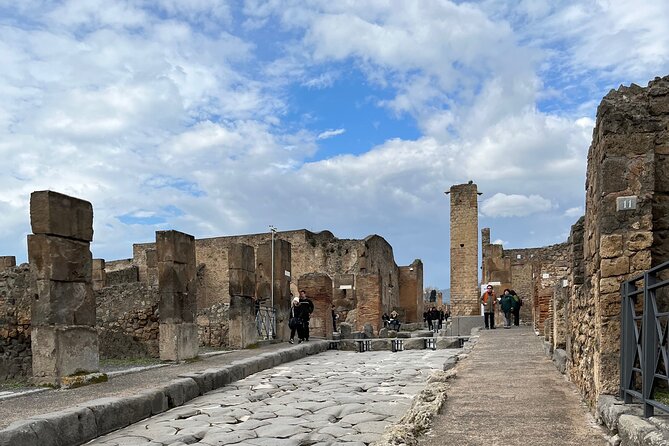
Two hours at Pompeii is a sprint with plenty of rewards. It’s long enough to see the main categories of what made the city function—public life, housing, baths, and entertainment—but short enough that you won’t feel like you’ve spent an entire day indoors.
Because you’ll be walking inside the park, the usual Pompeii advice still applies: wear shoes you trust and plan for uneven ground and lots of steps. The tour itself is described as most travelers can participate, and service animals are allowed.
The tour is also private, meaning only your group participates. That’s a real plus if you don’t want to compete with other people for guide attention, especially at crowded stops.
Who this Pompeii tour suits best

I’d point this tour to a few types of visitors:
- First-timers who want the site explained in a way that feels organized and not overwhelming.
- Repeat visitors who already know the basics but want better framing and more human details.
- Small groups or couples who prefer a private pace and the ability to ask questions without waiting.
- People who want practical context: how places worked day to day, not just what they are called.
If you’re the type who enjoys reading guidebook blurbs and wandering solo, you could do Pompeii independently. But if you want the best chance to leave with a real understanding of what you saw—especially in a limited time window—this style of guided walk is a smart choice.
Should you book this Pompeii walking tour?
If your main goal is to turn Pompeii from a pile of ruins into a place that makes sense, I’d book it. The combination of a licensed guide, private group format, and a route built around the city’s core experiences—public life, homes, baths, and gladiator-related spaces—sets you up to enjoy the time you have.
Skip the tour only if you’re planning to spend the entire day in Pompeii and want maximum coverage without relying on a structured route. With two hours, you’ll get highlights and strong context, not a full-city sweep.
FAQ
Is the Pompeii entrance ticket included in the tour price?
No. The tour includes the licensed 2-hour walking guide, but biglietti d’ingresso al parco archeologico are not included.
How long is the Pompeii walking tour?
It lasts about 2 hours.
Is the tour private or shared?
It’s private, so only your group participates.
What language is the tour offered in?
The tour is offered in English.
Where do we meet for the tour?
Meet in front of the ticket office in Piazza Esedra in Pompeii. The tour ends back at the meeting point.
When will I receive confirmation after booking?
You’ll receive confirmation within 48 hours, depending on availability.
What happens if the tour is canceled due to weather or minimum numbers?
The experience requires good weather. If it’s canceled for poor weather, you’ll be offered a different date or a full refund. It also requires a minimum number of travelers; if that isn’t met, you’ll get a different date/experience or a full refund.
Can service animals join the tour?
Yes. Service animals are allowed.