REVIEW · POMPEI CAMPANIA
From Naples: Pompeii Wheelchair-accessible with a Guide
Book on GetYourGuide →Operated by WORLDTOURS S.r.l. · Bookable on GetYourGuide
Pompeii is hard enough; this tour makes it workable. I like the wheelchair-accessible route that stays inside the excavations, and I like that you get skip-the-line tickets plus a real guide who explains what you’re seeing. It’s one of those rare setups where the visit feels designed for accessibility, not just adjusted after the fact.
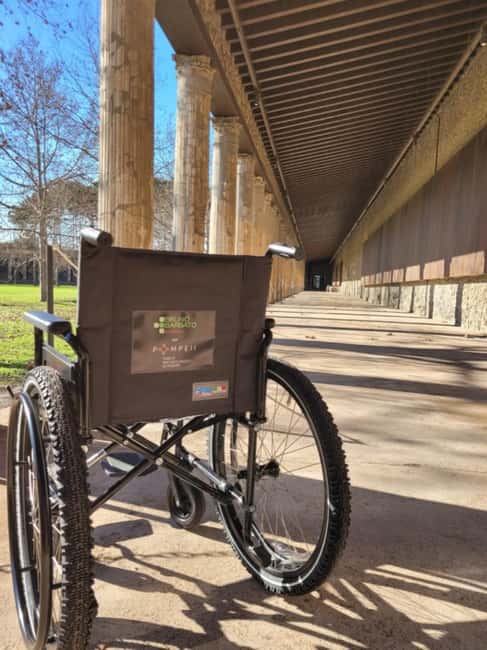
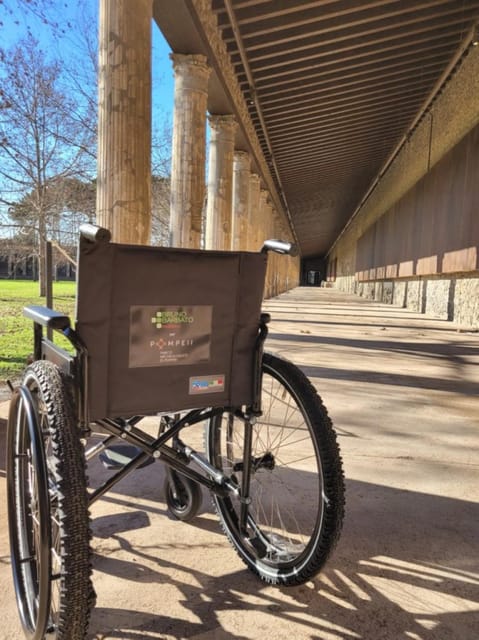
The one thing to plan for is Pompeii’s physical reality: uneven terrain and some slopes are unavoidable, even on an adapted path. The operator recommends all-terrain wheels with rugged tread, and you may still face moments where careful positioning (and sometimes short standing) could be needed depending on your chair and where the accessible route takes you.
In This Review
- Key highlights worth knowing
- Naples to Pompeii: the wheelchair-friendly ride and timing
- Meeting at the Anfiteatro gate: tickets, separate entrance, and expectations
- The guided route inside Pompeii: what the ramps are really for
- What you’ll see in the ruins: Roman daily life in order
- The vehicle setup: comfort, assistance, and the small rules that matter
- Price and value: what $88 per person buys you
- Who this Pompeii tour fits best
- Should you book? My decision checklist
- FAQ
- FAQ
- Where do I meet the guide and get tickets?
- How long is the Pompeii wheelchair-accessible tour?
- Is pickup from Naples included?
- Is the tour actually wheelchair accessible?
- Is Pompeii admission included in the price?
- Can a wheelchair user enter without standing in line?
- What kind of vehicle is used for transfers?
- What should I bring for the visit?
- What do I need to provide for the entrance tickets?
- Which languages are available for the live guide?
Key highlights worth knowing
- Ramp-equipped van from Naples: a vehicle built to carry a wheelchair user plus companions.
- Tickets and guide at the Pompeii Anfiteatro entrance: you don’t waste time figuring things out on arrival.
- An adapted path inside the ruins: ramps help reduce barriers while you tour.
- Free admission for wheelchair users and a personal assistant: with proof of identification.
- Professional live guide: explanations come in several languages for better understanding.
- Terrain tip for wheels: all-terrain, rugged tires can make the day easier.
Naples to Pompeii: the wheelchair-friendly ride and timing

This is a Naples-to-Pompeii plan that focuses on getting you there with less stress. If you choose the transfer option, a ramp-equipped van picks you up from your selected Naples location (hotel, cruise terminal, train station, or airport). The driver assists with getting you in and out, which matters more than people think when you’re dealing with tight schedules and a heavy chair.
The total experience runs about 3 to 4 hours, which is a sweet spot for Pompeii. You get a guided visit with enough structure to stay on the accessible route, plus some time to breathe before heading back to Naples. That pacing helps if you’re managing fatigue, because the day isn’t stretched into a long slog of heat, crowds, and decision-making.
One practical detail: the special vehicle is set up for 4 passengers plus 1 wheelchair slot, so this isn’t meant for multiple wheelchairs in one group. If you’re traveling with more than one wheelchair user, you’ll want to check how your exact needs fit the vehicle setup.
You can also read our reviews of more guided tours in Pompei Campania



Meeting at the Anfiteatro gate: tickets, separate entrance, and expectations
The meeting point is straightforward: Pompeii Entrance, specifically the Pompeii Anfiteatro entrance, where your guide meets you and hands over tickets. This is a big deal for accessibility, because it removes the scatter-and-wait phase that can happen when you arrive on your own. You also get skip-the-line access through a separate entrance, so your day starts moving while others are still waiting.
You’ll want your paperwork ready. Bring your passport or ID card, since entrance tickets require the names and dates of birth of all travelers. The good news is that the ticket process is set up to accommodate the visit, including the accessibility component.
Language support is also covered. The live guide can work in English, Spanish, Italian, French, or German, which means you’re more likely to understand the details—street layout, building purpose, household life—rather than just reading stones.
The guided route inside Pompeii: what the ramps are really for
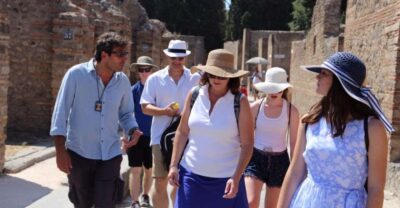
Once you’re inside, the tour’s main promise becomes real: you’ll travel along a wheelchair-accessible itinerary within the excavations. The adapted route includes ramps designed to get around architectural barriers, and your guide leads you along it rather than leaving you to figure out the best way between uneven ruins.
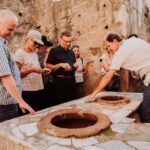
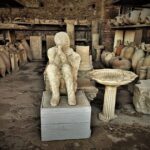
Pompeii is UNESCO-listed for a reason: it gives archaeologists a well-preserved look at everyday Roman life. The city was buried under ash from Vesuvius after the eruption in 79 A.D., so you’re walking through preserved streets, buildings, and spaces that were frozen in time. On this tour, the guide helps you connect those preserved spaces to how people actually lived—how homes worked, how public areas functioned, and why certain buildings mattered.
Here’s what I’d pay attention to as you move: the guide’s focus tends to be on practical meaning. Instead of treating Pompeii like a list of famous spots, you’ll get explanations tied to use—what you’d do in a room, how a street would feel to walk it, why certain architectural features are significant. That turns a static visit into a clearer story.
What you’ll see in the ruins: Roman daily life in order
Your guided tour lasts about 3 hours on the ground, built around seeing highlights without forcing you to bounce between areas that don’t work well for mobility needs. You start at the Piazza Anfiteatro area, then move along the accessible circuit through Pompeii.
While the exact order can shift a bit based on your route and conditions, the core experience is consistent: you’ll see the structure of the city and learn how residents navigated it. Pompeii’s excavations are famous because the layout is readable—streets, building clusters, and public spaces make it possible to understand daily rhythm. With a guide, it’s easier to spot the difference between what looks important and what actually functioned as important.
A bonus element on the tour is the chance to see areas where excavation is actively happening. That matters because it turns Pompeii from a finished museum scene into an ongoing research site. You get to witness the process behind preservation and what archaeologists are still working to uncover.
After the main guided segment, there’s time for free time inside Pompeii. That gives you flexibility for photos, slower moments, or extra viewing at a spot that grabbed your attention during the talk.
The vehicle setup: comfort, assistance, and the small rules that matter
This tour is private, and the vehicle is designed for accessibility. The ramp-equipped van can fit one wheelchair user plus four passengers, and the driver will help with boarding and exiting. That level of support is especially valuable at Pompeii, where moving from one section of the site to another can take time even when the route is accessible.
Inside the vehicle, there are a few rules to keep things safe and calm:
- No smoking
- No alcohol or drugs
- No bags
- No food or drinks in the vehicle
I’d plan your day around those restrictions. If you need water or snacks for medication timing, keep it simple and follow what the operator allows inside the vehicle and at the site.
For what to bring, keep it basic:
- Passport or ID
- Sunglasses
- Hat
And for your wheelchair setup, don’t treat “wheelchair-accessible” as “zero effort.” The operator specifically recommends all-terrain wheelchairs with rugged wheels because the site involves steep and uneven terrain. If you can, choose tires that handle rough surfaces. If you’ve used an add-on like a freewheel before, that kind of tool can help with moderate bumps, too—especially when you’d rather avoid getting stuck at awkward angles.

Price and value: what $88 per person buys you

At $88 per person for a 3 to 4 hour Pompeii experience, the value comes from what’s bundled together.
You’re paying for:
- Private transfer in an accessibility-ready vehicle (if you pick that option)
- A professional guide for the excavations
- Pompeii entrance fees
- Accessibility support elements, including free admission for wheelchair users and their personal assistant with proof of identification
That’s a lot to get for one price, especially because Pompeii can be logistically tricky if you’re managing mobility needs. The guide isn’t just there for company; they help you stay on the adapted route, and that can save you time and frustration that you’d otherwise spend finding your way around.
Also, the private group format matters. You’re not stuck waiting for everyone to catch up or negotiating group pace. Your day is built around your mobility needs and the accessible path.
What’s not included is simple: lunch and any extra fees that may come up. Plan your meals around the timing so you’re not searching for food under pressure.
Who this Pompeii tour fits best
This tour is a strong match if you:
- Want a guided Pompeii visit without the stress of navigating independently
- Need a wheelchair-accessible route through the excavations
- Appreciate having someone handle the ticket meeting and site entry details
- Can handle some uneven ground and hills with the right wheelchair setup
It’s also a good fit for people who can do some mobility on their own for short stretches if needed, since even adapted routes can involve moments that aren’t perfectly flat. One more nuance: the van and accessible circuit are designed for wheelchair users, but the day still depends on your specific chair, your stamina, and how you manage transfers.
If your goal is purely maximum independence with zero guidance, you might choose a different style of visit. But if your goal is to see Pompeii with clarity and fewer barriers, the combination of accessible route + guide is the main reason this works.
Should you book? My decision checklist
I’d book this wheelchair-accessible Pompeii tour from Naples if your priorities are guided highlights, a ramp-equipped transfer, and an adapted route where you don’t have to brute-force the site on your own. It also earns points for meeting you at the Pompeii Anfiteatro entrance with tickets ready, plus the skip-the-line setup.
I’d pause before booking if:
- You have a wheelchair that can’t handle rough, uneven surfaces and you don’t have a way to make it work (the operator’s rugged-wheel recommendation is there for a reason).
- Your group has multiple wheelchair users, since the vehicle setup is limited to one wheelchair slot.
- You’re hoping for an entirely flat experience. Pompeii’s terrain is real, and the accessible route helps, not erases the environment.
If you want Pompeii with structure and accessibility support that actually gets you inside the excavations, this is the kind of tour that makes the day feel possible.
FAQ
FAQ
Where do I meet the guide and get tickets?
You meet your guide at the Pompeii Entrance, at the Pompeii Anfiteatro entrance, where you also receive the tickets.
How long is the Pompeii wheelchair-accessible tour?
The experience lasts about 3 to 4 hours total.
Is pickup from Naples included?
Pickup is optional. If you select the transfer option, you can be picked up from your hotel, Naples cruise terminal, train station, or airport.
Is the tour actually wheelchair accessible?
Yes. The tour includes a wheelchair-accessible itinerary with ramps inside the excavations, plus a wheelchair-suitable vehicle with a ramp.
Is Pompeii admission included in the price?
Yes. Pompeii fees are included, and wheelchair users get free admission, including a personal assistant with proof of identification.
Can a wheelchair user enter without standing in line?
Yes. The tour offers skip-the-line access through a separate entrance.
What kind of vehicle is used for transfers?
The wheelchair-accessible vehicle can accommodate 4 passengers plus 1 person in a wheelchair and includes a ramp. The driver assists with getting in and out.
What should I bring for the visit?
Bring passport or ID, plus sunglasses and a hat.
What do I need to provide for the entrance tickets?
You’ll need to provide the names of all travelers and their dates of birth for the entrance tickets.
Which languages are available for the live guide?
The guide can provide the tour in English, Spanish, Italian, French, and German.