Pompeii feels unreal without context. With skip-the-line entry and an English guide like Linda, you can get your bearings fast and spend your time where it counts. I love how she steers you through the main sights of the ruins without turning it into a scavenger hunt, and I love the stop for the victims’ plaster casts. One possible drawback: the Pompeii Archaeological Park admission is separate, and since Nov 2024 the ticket is nominative, so you’ll need ID/passport.
This is a guided, private-group style visit, so you’re not stuck behind a wall of people or relying on an audio headset. Expect a relaxed but efficient pace designed for a tight time window, roughly two hours on site. If you want Pompeii to feel like a lived-in city rather than just broken walls, this kind of guided structure helps a lot.
In This Review
- Quick hits before you go
- Skip-the-Line Pompeii: why it saves more than time
- Meet Linda and the two-hour mindset
- Pompeii Archaeological Park: the route that keeps you from wandering
- Roman streets and shops: the city’s everyday rhythm
- Public baths and ancient houses: social life on display
- Main square, temples, and community spaces
- Temples and the brothel area: religion and scandal, side by side
- Plaster casts stop: the moment Pompeii becomes human
- Two-hour pacing: what you’ll see, what you’ll miss
- Tickets and nominative entry: the one rule that can ruin your day
- Price and value: $120.68 is really about time and clarity
- Practical timing tip if you’re connecting by transit
- Who this Pompeii tour suits best
- Should you book this guided Pompeii tour?
- FAQ
- How long is the guided Pompeii tour?
- What does the tour price include?
- Do I need to buy the Pompeii Archaeological Park ticket separately?
- Do I need to bring ID or a passport?
- Is the tour offered in English?
- What is the cancellation policy?
Quick hits before you go
- Skip-the-line entry helps you avoid the slow entrance crush and start seeing ruins sooner
- Linda’s guiding style is friendly, funny, and built around clear explanations you can remember
- You’ll hit the highlights (streets, baths, houses, square, temples, and the brothel area) without wasting time
- Plaster casts stop gives the disaster a human scale, not just a history lesson
- You get a real route through a sprawling site, so you don’t lose the plot halfway through
- Nominative admission rules mean you should pack ID/passport before you think about anything else
Skip-the-Line Pompeii: why it saves more than time
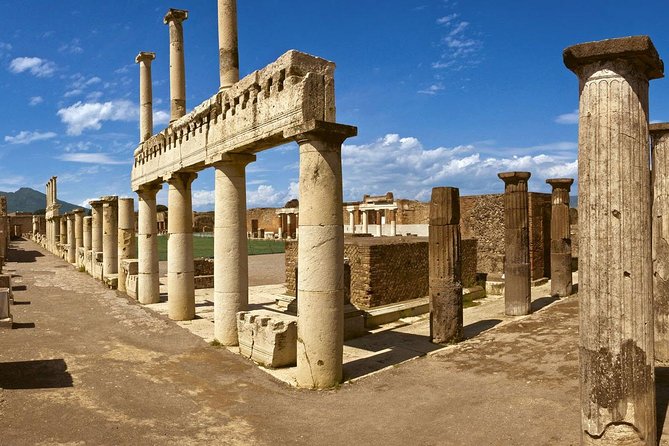
Pompeii can be overwhelming fast. The site is huge, and the entrance can be the slowest part of your day. A skip-the-line ticket is valuable because it protects the part of your trip you can’t get back: daylight and energy.
With a guided visit, that early momentum matters. You don’t want to spend the first hour standing around figuring out where to go next. Getting past the entrance quickly lets the guide start shaping your understanding—what you’re looking at, how it functioned, and why it matters—right from the start.
There’s also a practical side. Even when you arrive prepared, you might hit queues or ticket confusion. Having a plan (and a guide who knows the flow) reduces the “wait-and-hope” factor.
You can also read our reviews of more guided tours in Pompeii

Meet Linda and the two-hour mindset
Your two-hour window is the whole game here. Pompeii isn’t a “see everything” place in one go; it’s a “see the right things and understand them” place. A guide turns a random walk into a storyline.
Linda’s approach shows up in the details you’ll notice on the ground:
- She keeps people engaged by asking questions and steering attention to what would otherwise blend together.
- She explains daily life and the city’s destruction in plain language, then points out what that means when you’re standing in front of a doorway, a street corner, or a public building.
- She works at a pace that feels relaxed, even when the clock is moving.
This matters for you because Pompeii is not naturally “obvious.” Roman streets look like streets, sure. But once someone explains how shops lined the lanes, how baths structured the day, and how neighborhoods functioned, the whole place starts making sense.
One more thing: this is offered as an English tour, so you’re not doing mental translation while trying to read carving-level details. That’s a big quality-of-life upgrade.
Pompeii Archaeological Park: the route that keeps you from wandering
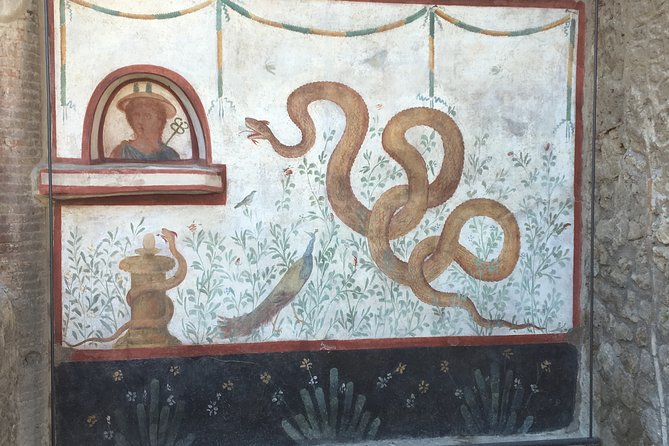
Once inside, you’ll move through the Roman city like you’re walking through chapters. The guided format is designed to cover major areas without forcing you to sprint.
Roman streets and shops: the city’s everyday rhythm
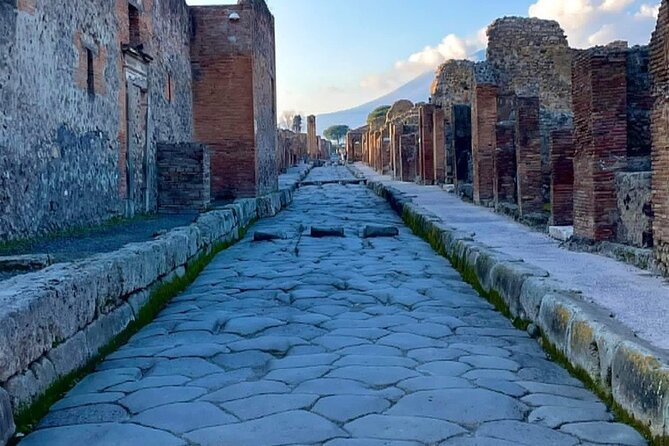
Early on, you’ll walk along ancient lanes that once carried people on errands, trades, and daily errands. The guide points out how shops worked and how the built environment shaped street life. It’s not just “look at old stones”—it’s how a city behaved at human scale.
If you try to do Pompeii alone, you can miss the connections between buildings. A guide helps you connect the dots: what people did, where they did it, and how space was organized for real routines.
Potential drawback: highlights tours mean you won’t linger at every single corner. If you’re the type who wants to stop for 20 minutes of close-up sketching, you may feel slightly rushed. But if you want the strongest story with limited time, this structure fits.
Public baths and ancient houses: social life on display
Public baths are one of Pompeii’s most revealing areas because they show how ordinary people spent time and built community. You’ll also see ancient houses—different layouts that hint at status, privacy, and daily organization.
In a guided visit, the value is interpretation. The buildings don’t come with a printed label saying what mattered to locals. Your guide turns architectural features into real-life meaning: where people moved, who had access, and how the city’s social map worked.



Main square, temples, and community spaces
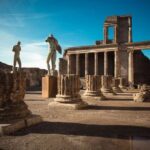
Next comes the heart of public life. The main square and surrounding religious spaces help you understand Pompeii as more than private homes and commerce. This is where civic identity showed up.
The guide’s commentary helps you notice patterns. When you can connect what you’re seeing to how society organized itself—religion, gatherings, and authority—the ruins stop feeling random.
Temples and the brothel area: religion and scandal, side by side
Pompeii has contrasts, and your guided route intentionally includes some of them. You’ll see temples and also the brothel area, which is famously part of the city’s historical record.
Why include both? Because Pompeii wasn’t a museum town. It was a real Roman city with worship, public ceremony, commerce, and yes, more than a little human messiness.
A good guide keeps this from turning into gimmicks. Linda’s style, based on her approach with the group, focuses on context: what these places were, what they meant for daily life, and why they became historically significant after the eruption.
If this topic makes you uncomfortable: you can still find value here by focusing on social history rather than shock value. The guide’s job is to frame it—and you can let the explanation steer the tone.
Plaster casts stop: the moment Pompeii becomes human
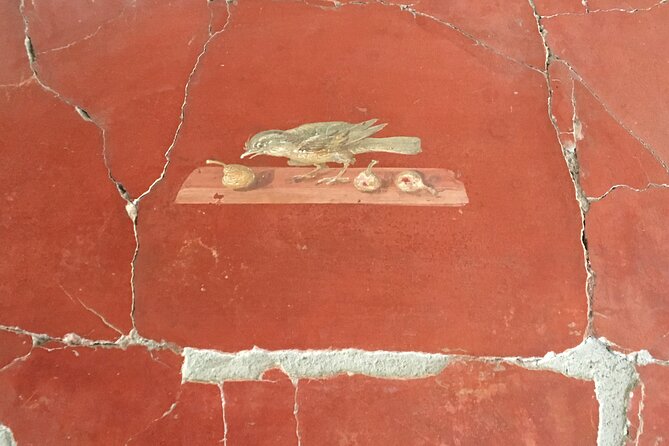
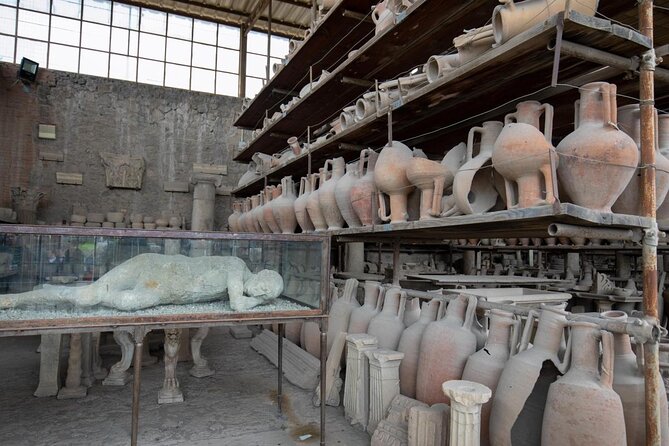
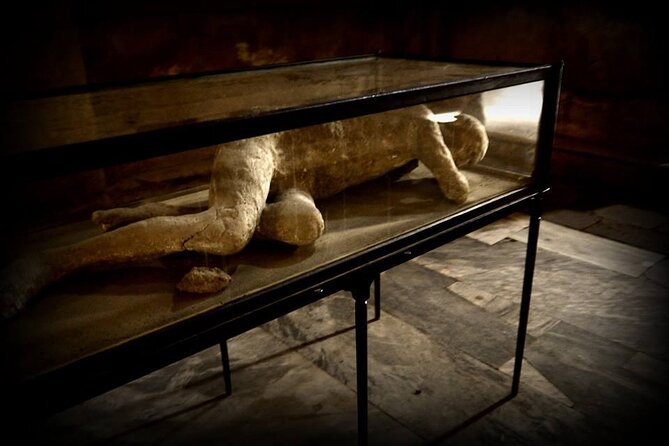
The plaster casts are one of Pompeii’s most famous sights for a reason. They turn the disaster from a big historical event into something you can feel. Your tour includes a stop to see them, and that’s a highlight for most people because it hits an emotional truth no “ruins only” visit can match.
Here’s what I’d watch for when you get there:
- How the forms show posture and motion, not just “shapes”
- How the scale makes victims feel less like history text and more like people
- How the guide’s narration connects the eruption with the city’s sudden end
This is often the part where the group goes quieter. That’s not sadness for show—it’s because the site finally stops being architecture and becomes lived reality.
If you want your Pompeii visit to stick in your mind, plan to be present here. Give yourself a few minutes of calm before you rush onward.
Two-hour pacing: what you’ll see, what you’ll miss
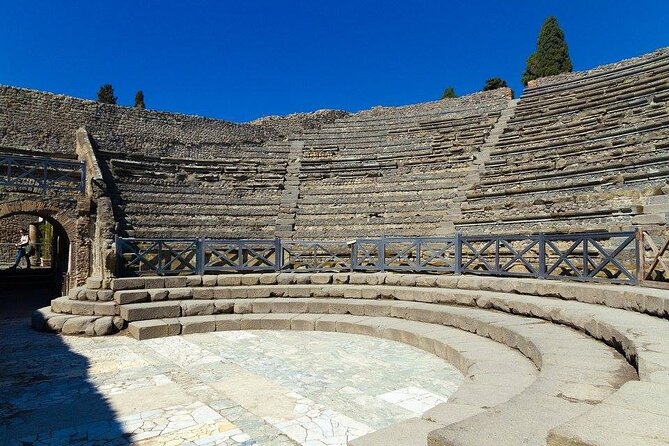
This tour is designed to cover Pompeii highlights in about two hours. That’s the trade: you get a strong overview, but you won’t see everything.
The upside is focus. A route that hits Roman streets, shops, baths, houses, main square, temples, the brothel area, and the plaster casts gives you a full “day in Pompeii” feel. You see public and private space. You see belief and daily routine. You see the human story.
You may also be taken to buildings that are not always open to the public, depending on what’s available during your visit. That kind of access is hard to replicate on your own, so it adds value if it lines up for your date.
The downside is simple: if you’re the type who wants to do Pompeii at slow tempo, this may feel short. But for first-time visitors, and for anyone fitting Pompeii into a broader Naples/Amalfi schedule, two hours is a sensible sweet spot.
Tickets and nominative entry: the one rule that can ruin your day
Let’s talk about the ticket system, because it’s the part most people underestimate.
The Pompeii Archaeological Park admission is not included in the guided tour price. And since November 2024, the ticket is nominative, tied to personal data. There’s also a daily limit of 20,000 admissions.
What that means for you in real life:
- When you buy the Pompeii entrance ticket online, you should enter your personal details.
- You should bring your ID or passport to show before entering.
- If you’re going as a party, you may need to show ID/passport for everyone in the group.
If you arrive without a pre-purchased ticket, you can buy at the ticket counter, but the ID/passport requirement still applies. This is why I’d treat ID as your first “souvenir”—not something you toss into a bag at the last second.
If you like to travel light, build in a quick moment for document checks before you head to the entrance. It’s the best prevention against stress.
Price and value: $120.68 is really about time and clarity
At $120.68 per person, this tour isn’t the cheapest way into Pompeii. But you’re paying for three things that change the experience:
1) A guide who controls the route
Pompeii is big, and the right sequence makes it easier to understand what you’re looking at. A good guide also keeps you from doubling back.
2) Time saved at the entrance
Skip-the-line access can protect your schedule and help the tour start smoothly.
3) Interpretation, not just movement
The commentary on daily life, destruction, and key sites turns the ruins into a story you can follow. Without that, you’ll still enjoy Pompeii, but you’ll enjoy it more casually.
What’s not included matters too. The park admission ticket (not included) is €19 per person, and private transportation is also not included. You’ll still need to sort your own getting-to-Pompeii plan, though the meeting area is near public transportation.
For the money, this tour tends to work best when:
- You have limited time in the area
- You want the strongest first visit without doing research for hours
- You like clear explanations and a human guide more than headsets
Practical timing tip if you’re connecting by transit
Pompeii logistics can get messy, especially if you’re tying the visit to trains. One helpful tip that’s worth knowing: if you’re near the train station entrance area, there’s an access point at the bottom of the road that tends to feel quieter. Using the calmer entrance can shave off time and reduce the hassle of ticket lines.
If your travel schedule is fragile, choose your day carefully. If you do end up running late, a friendly, patient guide can make a difference in how smoothly the experience still works.
Who this Pompeii tour suits best
This guided tour is a strong fit if you:
- Want a first-time orientation to Pompeii’s big highlights
- Prefer an English-speaking guide and direct explanations
- Appreciate seeing the plaster casts without it turning into a rushed stop
- Like private-group energy, where questions and attention can actually happen
It may not fit perfectly if you:
- Want to spend most of your time alone and at your own pace
- Plan a long, photo-heavy day with no interest in structured context
- Need more than two hours to absorb each section slowly
Should you book this guided Pompeii tour?
I’d book it if you want Pompeii to feel coherent. The skip-the-line start helps, but the real win is having a guide like Linda who turns stones into daily life and tragedy into something human-sized.
Book it if you’re visiting as part of a larger Naples/Amalfi plan and you need an efficient, meaningful visit. Just do one thing first: get your nominative admission rules right, bring ID/passport, and treat the separate €19 park ticket as a must-plan item.
If you want Pompeii without the guesswork, this is the kind of guide-led structure that makes the ruins land.
FAQ
How long is the guided Pompeii tour?
The tour lasts about 2 hours in the ruins of Pompeii.
What does the tour price include?
It includes a two-hour guided tour in the ruins of Pompeii.
Do I need to buy the Pompeii Archaeological Park ticket separately?
Yes. The Pompeii Archaeological Park admission ticket is not included. The listed entrance ticket fee is €19 per person, and since November 2024 it is nominative.
Do I need to bring ID or a passport?
Yes. Because the ticket is nominative, you should bring your ID or passport to show before entering. This applies for all members of the party.
Is the tour offered in English?
Yes, the tour is offered in English.
What is the cancellation policy?
You can cancel for free up to 24 hours in advance for a full refund. If you cancel less than 24 hours before the start time, the amount you paid is not refunded.