REVIEW · POMPEII
Semi – Private Tour of Pompeii with an Archaeologist
Book on Viator →Operated by Around Amalfi coast · Bookable on Viator
Pompeii hits different when someone explains daily life. This semi-private, English-speaking walk through the Archaeological Park is built around Roman-era neighborhoods, not just stone trivia, and guides often bring the site to life with clear stories. Two things I especially like: the small-group feel (max 15) and the way the route usually focuses on the big highlights like theatres, shops, and houses so you do not wander for hours.
One consideration: admission is not included (you pay the site entry separately, listed at €18 per person), and in a few cases group size or guide expectations have not matched what people thought they booked. Still, the overall rating is extremely high, with many guides praised for making the ruins feel personal and understandable.
In This Review
- Key Things That Make This Pompeii Tour Work
- Pompeii With a Guide: What You’re Actually Buying
- Meeting at Coffee Shop Vittoria: Timing and Logistics That Matter
- Archaeological Park of Pompeii: The Route and What It Teaches
- Theatres: Where Community Life Played Out
- Shops and Streets: Business, Daily Routines, and Signs of Service
- Houses: What Families Owned, Shared, and Showed
- Monuments and “City Logic”: Why Some Areas Look the Way They Do
- Don’t Ignore the Practical Reality: Sun, Crowds, and Walking
- Guides: The Real Difference Between Seeing and Understanding
- Price and What Adds Up: Your Real Budget
- How Long It Really Feels: Two Hours vs. Three Hours
- Best Use Cases: Who Should Book This Tour
- When Things Don’t Go Perfectly: A Practical Caution
- Quick FAQ
- FAQ
- Is the Pompeii admission ticket included?
- How long is the tour?
- What language is the tour offered in?
- Is this a private tour?
- Where does the tour start?
- What time does it start?
- Does it use a mobile ticket?
- Is there a guide included?
- Is the tour near public transportation?
- What’s the cancellation policy?
- Should You Book This Pompeii Semi-Private Archaeologist Tour?
Key Things That Make This Pompeii Tour Work
- Semi-private group size (up to 15) keeps Pompeii from turning into a mob.
- Roman-life storytelling: theatres, shops, houses, and “how people lived” themes.
- Skip-the-queue help is a common theme in guide performance notes.
- Shade and pacing matter here, since you will be walking under real sun.
- Guides with strong English and energy are often the difference between seeing ruins and understanding them.
- Entrance ticket is separate so you can budget the real total.
Pompeii With a Guide: What You’re Actually Buying
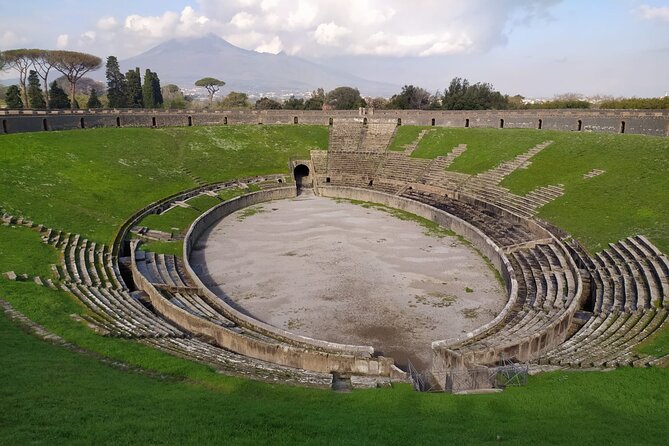
This tour is about compression. Pompeii is huge, and if you go in with only a map, you can end up “checking boxes” without grasping what you’re looking at. With a guide leading you through theatres, shopping areas, homes, and key monuments, you get a framework for the whole city: where people gathered, what daily routines looked like, and why certain spaces mattered.
The “archaeologist” angle is part of that promise. In practice, what you’ll feel on the ground is a guide who explains more than dates and names. The best-guided versions turn the site into something you can picture: everyday commerce, household spaces, and the social rhythms of Roman life.
It is also designed for time. At about 2 hours, you should be able to hit core highlights without burning your entire day (Pompeii can easily swallow half or more of your trip).
You can also read our reviews of more private tours in Pompeii



Meeting at Coffee Shop Vittoria: Timing and Logistics That Matter
The start is 10:00 am at Coffee Shop Vittoria, Via Mare, 80045 Pompei NA. The tour ends back at the same meeting point.
That matters more than it sounds. Pompeii is easiest when you arrive with momentum. A fixed meeting spot helps you avoid the common first-day scramble, and the early start can mean fewer crowds moving through the same entry points at the same time.
You also get a mobile ticket, which is convenient if you travel light or do not want to hunt for printed documents. And since the meeting area is near public transportation, it is fairly easy to build this into a wider Amalfi Coast or Naples-based itinerary.
Archaeological Park of Pompeii: The Route and What It Teaches
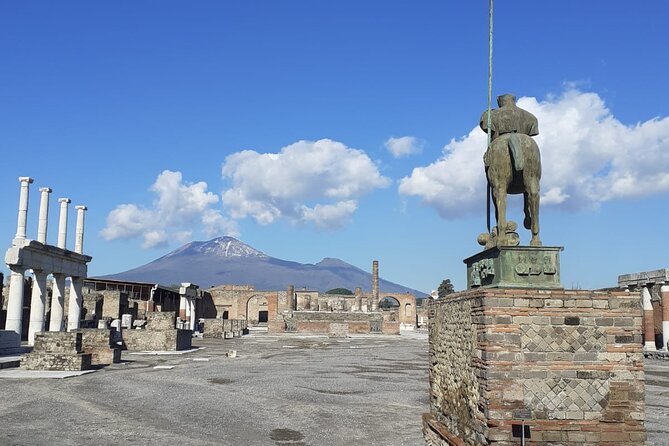
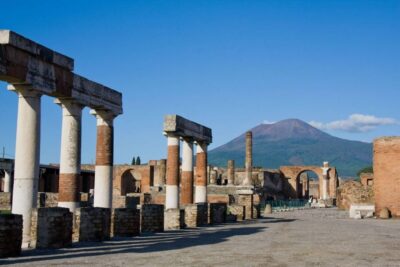
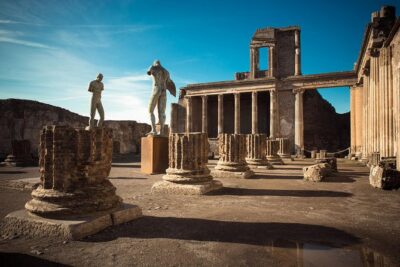
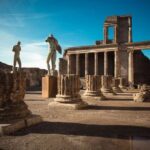
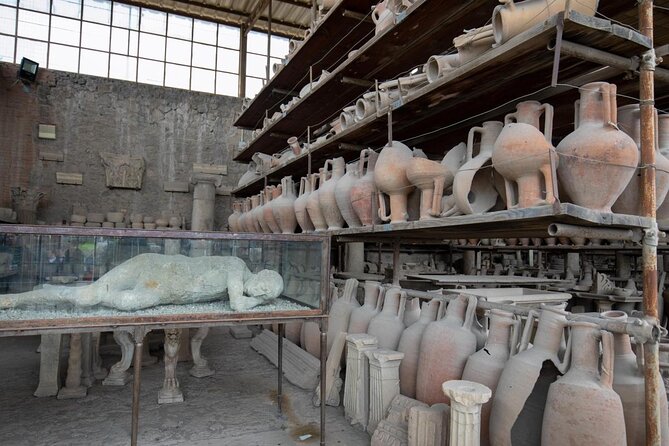
The main event is the Archaeological Park visit. The tour focus is straightforward: the theatres, the shops, the houses, and the other monuments. You are not just walking past pretty ruins. You’re building a mental model of how Pompeii functioned before the eruption.
Here’s how the tour style usually pays off:
Theatres: Where Community Life Played Out
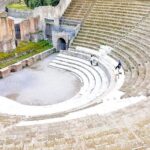
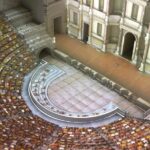
A Roman theatre is not only entertainment. It is civic life. With a guide, you’ll get context for who used these spaces, how performances fit into public routines, and why Pompeii’s urban design supported social gathering.
This is a great “orientation” stop. Once you understand where crowds would gather, the rest of the city starts making sense. Even if you only spend part of your time here, a good explanation changes everything.
Shops and Streets: Business, Daily Routines, and Signs of Service
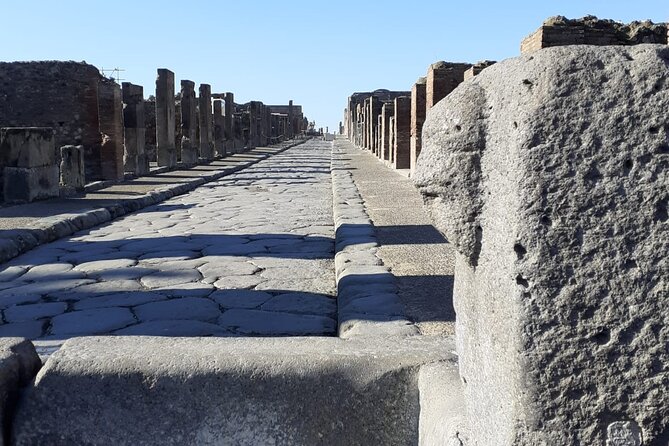
Shopping areas and storefront-like spaces are where Pompeii starts feeling modern. You can picture customers, workers, and repeat activity because the layout is built for movement and visibility.
You may also spot details a guide calls out, like day-to-day services or smaller “this is what people used” clues. A few guide styles are especially good at pointing out smaller features, not just the obvious big monuments.



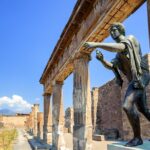
Houses: What Families Owned, Shared, and Showed
Homes are where you learn the Roman version of privacy and public status. A house in Pompeii is not just a building. It’s a statement about how people organized space for work, visitors, and private family life.
Guides who lean into daily living often make this section the emotional center of the tour. You end up thinking about ordinary people, not only emperors and wars.
Monuments and “City Logic”: Why Some Areas Look the Way They Do
The remaining monuments and highlights tie the city together. Once you see enough of the big pieces, the layout starts to feel intentional: how people moved, where they paused, and what parts of the city mattered most.
Your guide’s job here is to connect dots quickly. That is why the best guides are the ones who keep explanations short, clear, and tied to what you can see at that moment.
Don’t Ignore the Practical Reality: Sun, Crowds, and Walking
Expect walking. One helpful detail from guide performance notes is that good guides manage sun and pacing with stops for shade and a bit of breeze when possible. Another practical point: Pompeii is busy, and you’ll be passing other groups. If you’re the type who needs quiet, you might find the middle of the day overwhelming.
Guides: The Real Difference Between Seeing and Understanding
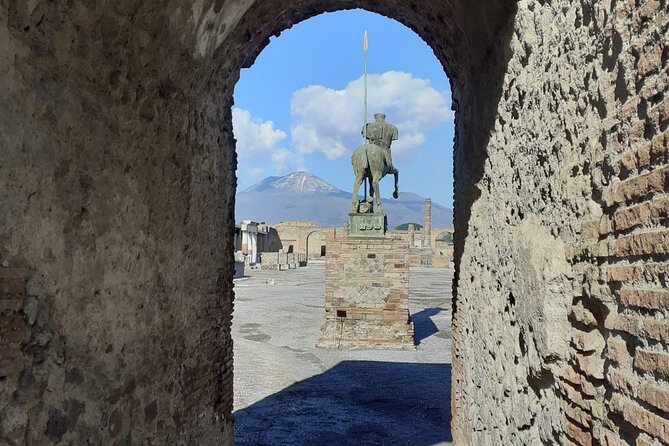
This tour is only as good as your guide, and the names mentioned often come with a common thread: clear English, confident storytelling, and a focus on daily life.
You might see guides such as:
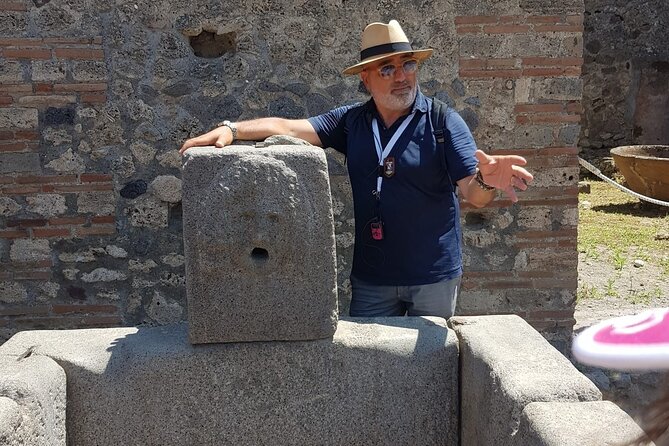
- Lello, sometimes described as highly energetic and able to connect Pompeii to what life felt like day to day.
- Camilla, praised for engaging explanations and keeping families interested.
- Esther, noted for covering main areas thoroughly and staying funny while professional.
- Rafaello and Leonardo, mentioned for enthusiasm, strong English, and making the ruins feel alive.
What you should watch for when you join up is how your guide handles three things:
- Focus: do they keep you moving through the right highlights?
- Clarity: can you follow the story without getting lost in jargon?
- Details: do they point out smaller items, like frescos or water-system remnants, that you’d miss alone?
If your guide nails those, the tour becomes more than a checklist. It becomes a way to read Pompeii like a city, not a museum.
Price and What Adds Up: Your Real Budget
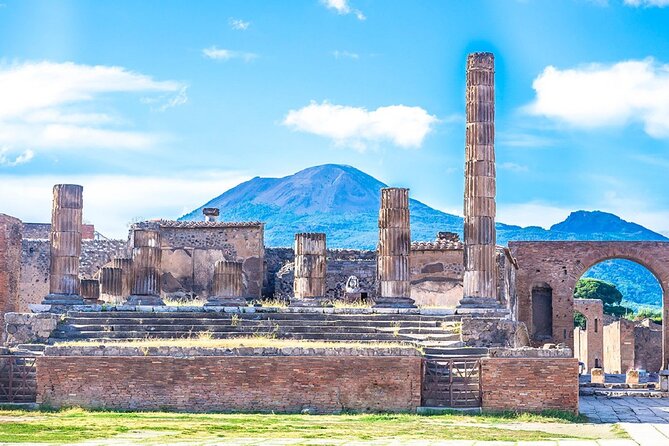
The price is $36.28 per person. That sounds straightforward until you remember the site entry.
The admission fee is €18 per person, listed separately. So your all-in cost is closer to the combined total of tour price plus the ticket.
That separate ticket detail is important for value. A guided route makes sense when it helps you see what you came for: theatres, shops, houses, and the main monuments, with explanations that fit the time you have. If you are short on time, a guide can save you from spending your paid time stuck in confusion or missing key areas.
Also, because this is semi-private with a maximum group size of 15, you get better odds for interaction and questions than you would on a huge group bus tour.
How Long It Really Feels: Two Hours vs. Three Hours
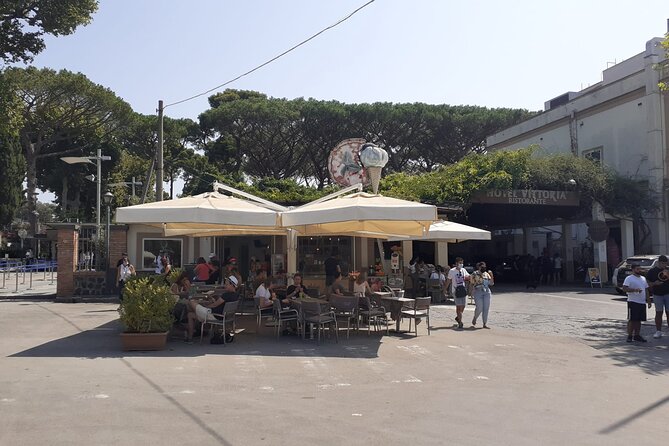
The tour duration is listed as about 2 hours. In real life, some guided experiences run longer, often depending on the group’s pace and how many stops your guide wants to make clear.
So what should you do?
- Plan for the listed length, but keep a little buffer in your day.
- Wear comfortable shoes and bring water.
- If you’re sensitive to heat, plan to slow down your own pace and let the guide know early.
This is one of those tours where “I’ll just see a few things” turns into “okay, I need context for every street corner.”
Best Use Cases: Who Should Book This Tour

This is a strong pick if you want:
- A first visit and need the highlights explained clearly
- Less time spent planning your route and more time understanding what you see
- A smaller group setting where your guide can keep track of you
- A Roman-life focus rather than only a monument-by-monument history lesson
It can be less ideal if:
- You hate crowds and cannot handle other tour groups moving through the same areas
- You expect a tiny group every time, like single-digit numbers, and you get anxious when reality is imperfect
When Things Don’t Go Perfectly: A Practical Caution
Most of the feedback is excellent, but there are a couple of real-world snags to keep in mind based on the experiences shared with this format.
Two considerations show up:
- Meeting point confusion can happen if the location is not clear in your confirmation details. If you arrive and the vibe seems off, double-check immediately rather than waiting.
- Expectation mismatch on group size or guide role can occur. The tour is described as semi-private with a max group size listed, but there have been cases where groups felt bigger than expected, and some people questioned whether the guide matched the archaeologist expectation.
This is fixable. The best move is to confirm the meeting point in writing once you book, and ask what to do if your guide changes. That way you protect your time.
Quick FAQ
FAQ
Is the Pompeii admission ticket included?
No. The entry ticket for the archaeological site is not included and is listed at €18 per person.
How long is the tour?
The duration is listed as about 2 hours.
What language is the tour offered in?
It is offered in English.
Is this a private tour?
It’s described as semi-private, with a maximum group size of 15 travelers.
Where does the tour start?
It starts at Coffee Shop Vittoria, Via Mare, 80045 Pompei NA, Italy.
What time does it start?
The start time is listed as 10:00 am.
Does it use a mobile ticket?
Yes, the tour includes a mobile ticket.
Is there a guide included?
Yes. A private guide is included.
Is the tour near public transportation?
Yes, it is near public transportation.
What’s the cancellation policy?
Free cancellation is available up to 24 hours before the experience start time for a full refund.
Should You Book This Pompeii Semi-Private Archaeologist Tour?
I’d book it if you want maximum understanding per hour. Pompeii is one of those places where a guide changes the experience fast: theatres stop being just ruins, shops stop being just storefront outlines, and houses stop being just rooms. With the small-group format and strong English storytelling (names like Lello, Camilla, Esther, Rafaello, and Leonardo often show up in the most enthusiastic write-ups), you’re likely to get a route that hits the right parts without wasting your day wandering.
Book with extra care only if you’re extremely sensitive about group size or you’re expecting a very specific professional title. If you confirm the meeting point and budget for the separate entrance ticket, this is an efficient way to see Pompeii with real context.