REVIEW · POMPEI CAMPANIA
Pompei tickets and Audioguide in the office
Book on GetYourGuide →Operated by QUO VADIS TOUR · Bookable on GetYourGuide
Pompeii is loud, even when it’s silent. With skip-the-line entry, an included audioguide, and a map to help you set a route, this 2.5-hour self-guided visit is a practical way to see key corners of the ancient city without wasting time. I like that it focuses on real places you can walk to, like the Forum and everyday businesses such as food stands and brothels. One thing to keep in mind: the start is based at the office, so the first minutes matter and the audioguide handoff can be a little tricky.
The experience is straightforward: exchange your voucher at the QUO VADIS TOUR office, grab your materials, then wander at your own pace through Roman streets and buildings. You’ll get audio in multiple languages, plus simple guidance for how to move through a large site. Still, plan for logistics, because a couple of common hiccups involve finding the office and getting the audioguide correctly at the right moment.
In This Review
- Key highlights to watch for
- Skip-the-line entry: the real value in the first 30 minutes
- Meeting at the QUO VADIS TOUR office and getting your audioguide
- What your 2.5-hour self-guided visit feels like
- The Forum: where commerce and public life happened
- Roman residences: learning from how people actually lived
- Food stands and brothels: a side of Pompeii most people remember
- How to use the map and audioguide without losing time
- What’s included (and what’s not)
- Price and value: is $58 a smart spend?
- Practical rules and what to bring
- Who should book this Pompeii audioguide tour?
- Should you book this Pompeii audioguide tour?
- FAQ
- How long is the Pompeii audioguide tour?
- Does this experience include skip-the-line entry?
- Where do I need to start?
- Is there a live guide?
- What languages are available for the audioguide?
- What should I bring with me?
- What isn’t allowed during the experience?
- Is the tour outdoors?
- Is the tour suitable for wheelchair users?
- What’s the cancellation and payment flexibility?
Key highlights to watch for

- Skip-the-line access that helps you spend more time inside Pompeii
- Audioguide in many languages, so you can learn as you walk
- A map to build your route across a sprawling archaeological area
- The Forum, the hub of commerce and public life
- Everyday Pompeii stops like food stands, brothels, and Roman residences
- A self-guided pace that lets you pause where your curiosity takes you
Skip-the-line entry: the real value in the first 30 minutes
Pompeii is big, uneven underfoot, and popular. The skip-the-line part matters because the line-wait time is what usually turns a fun half-day into a rushed one. With this setup, you’re trying to get you moving faster so you can actually enjoy the site, not just queue for it.
Your time budget here is 2.5 hours, self-guided. That’s enough to hit major highlights if you keep your pace sensible and don’t spend too long spinning in one area. If you’re the type who stops at every doorway detail, you can still do it, but you’ll want to commit to a route early rather than wandering “until inspiration strikes.”
You can also read our reviews of more tours and experiences in Pompei Campania



Meeting at the QUO VADIS TOUR office and getting your audioguide

This tour lives or dies by the start. You must exchange your voucher at the office before entry. The site itself is confusing at first glance, and the office is not the same thing as the ticket/entrance area.
Here’s the practical advice I’d give you: arrive with enough buffer time to find the office calmly, not five minutes before your ideal entry. One person noted it was difficult to locate the office to pick up tickets, which can set a stressed tone for the visit. If you’re traveling in a group, keep everyone together during this early step.
Audioguide experience can also vary based on how it’s handed over. In one case, the audio devices weren’t used because the return process was inconvenient. The staff offered a QR code for the audio instead, which solved the problem. So if you prefer not to deal with device returns later, ask what your options are when you pick up materials.
Another note to take seriously: one experience involved audio guidance not sending people to the right place at the start, and another described arriving at the indicated entrance without an audioguide until staff were contacted. My takeaway: don’t assume the audioguide will be waiting at every obvious point. Trust the office exchange first, and lean on the map you’re given rather than trying to solve directions on the fly.
What your 2.5-hour self-guided visit feels like

Once you’re in, the vibe is simple: walk, read, listen, repeat. You’re not stuck in a group with one pace. You can slow down for a doorway, move quicker through open spaces, or backtrack if something catches your eye.
You’ll be using a mix of:
- The audioguide to explain what you’re looking at
- A printed map to help you plan a route through the ruins
- Your own choices on what to prioritize within the time window
That self-guided freedom is exactly why this kind of tour can be a good value. A live guide can be amazing, but it also locks your time to someone else’s schedule. Here, your schedule is the highlight. Just remember that Pompeii doesn’t shrink itself for your convenience, so a little planning helps.
The tour is rain or shine, so expect slippery patches and dusty stone. Comfortable shoes are not a suggestion here—they’re the difference between enjoying the day and getting mad at your feet.
The Forum: where commerce and public life happened
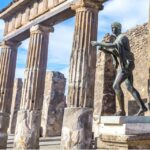
Start your attention at the Forum, the center of commerce and public life. Even if you don’t know Roman politics or street layout, this is where the city’s rhythm becomes easier to understand. The Forum is the type of place where you can connect buildings, movement, and daily routine into a single picture.
When the audio kicks in, it tends to clarify what different structures were used for. The payoff is that you start seeing the city as people did: a place where transactions happened, news circulated, and public activity shaped everyday life.
In a self-guided setting, the Forum also works as a “stabilizer” stop. It’s a natural place to reset your route choices because it’s central. If you arrive with a plan, you can follow it. If you arrive without one, you can still use the Forum area to orient yourself before moving into more specialized corners like homes and businesses.
Roman residences: learning from how people actually lived
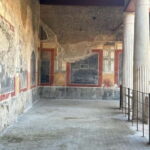
One of the best parts of a Pompeii visit is stepping into the logic of home life. This experience includes time for an ancient Roman house, which is where the city stops feeling like a collection of ruins and starts feeling like lived-in space.
Even without technical details, you can usually grasp the basics: rooms, entrances, how people moved through the space, and how daily routines were shaped by architecture. The audioguide is what turns “I see walls” into “I understand function.” It helps you connect what you see with how Roman families organized their homes.
A Roman residence visit also gives you a contrast to public areas. The Forum is about people gathering and doing business; a home is about privacy, comfort, and routine. That mix is what makes the 2.5-hour format feel complete instead of shallow.



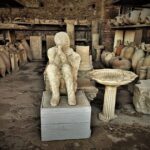
Food stands and brothels: a side of Pompeii most people remember

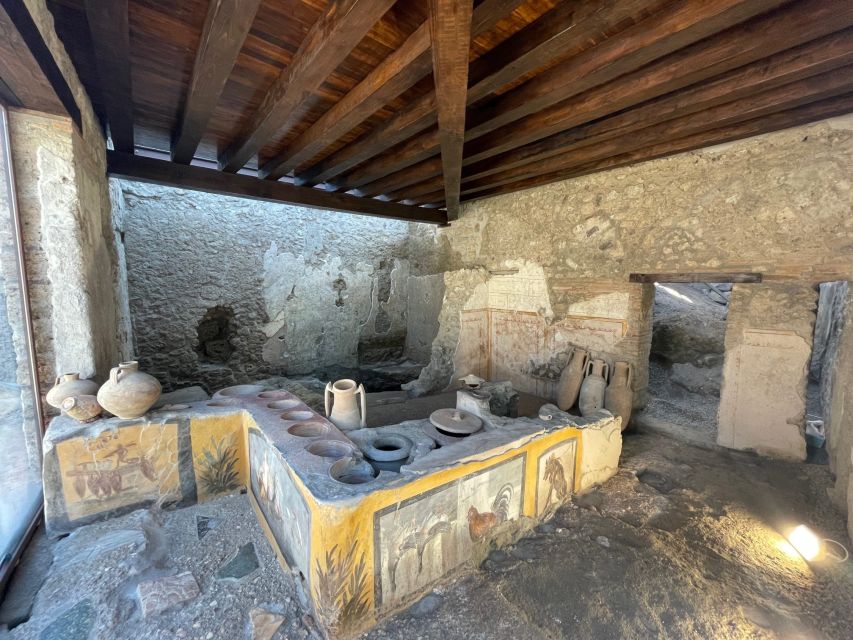
This is the Pompeii people talk about after they go home: the reminders of everyday—and not-so-everyday—life. This tour includes walking through ruins of food stands and brothels, plus other businesses.
These places are powerful because they’re not about elite buildings only. They show that the city had a service economy: people sold food, drank, socialized, and found entertainment. The audioguide helps with context so you’re not just looking at odd room shapes and guessing what happened there.
A practical consideration: if you’re visiting with teens or you prefer to keep things light, you should know that brothel-related areas are part of the standard Pompeii story here. The good news is that the visit stays self-paced. You can spend as much or as little time in any one spot as you like.
How to use the map and audioguide without losing time
Pompeii can be deceptively confusing. It looks like straight paths on some planning photos, but in real life you’re navigating stone, open spaces, and frequent junctions. The included map is there for a reason: it helps you commit to a route before you start drifting.
Here’s my approach for a self-guided visit like this:
- Choose your priority stops first (Forum, a Roman house, and one of the business areas)
- Use the map to connect those points with realistic walking time
- Let the audioguide deepen the visit, not replace your navigation
Because there can be moments where guidance in an app doesn’t land you where you expect, don’t bet your whole visit on one method of directions. If you have to choose between listening and planning, plan first. Then listen while you walk the route you already decided.
What’s included (and what’s not)
Included:
- Skip-the-line entry
- Audioguide
- Map
Not included:
- A live guide
That’s important for setting expectations. A live guide can answer questions on the spot and adjust the itinerary based on your interests. With an audioguide, the content is fixed, but the walking pace is yours. If you want flexibility and don’t need live Q&A, this format can work really well.
The audioguide language list is broad: French, Dutch, English, Italian, Portuguese, Russian, Spanish, German, and Chinese. So even if you’re traveling in a mixed-language group, you have more options than many basic audio rentals.
Price and value: is $58 a smart spend?
At $58 per person for skip-the-line access plus an audioguide and map, the value comes down to one question: will you use the audioguide and will you appreciate saving time at entry?
If you normally show up at Pompeii and end up in line, skip-the-line can feel like the whole point. If you love historical context, the audioguide makes the ruins easier to understand, and that upgrades the experience from walking through stones to learning what those stones meant.
If you’re the type who visits Pompeii once and plans to wander only briefly, you might decide you’d rather pay less and use a free phone guide. But if you want a clear plan for 2.5 hours and you want to avoid the ticket chaos, this package is a tidy fit.
Also worth noting: the tour runs rain or shine. That steadiness can matter when you’re trying to build a Campania itinerary around weather.
Practical rules and what to bring
This is one of those tours where being prepared saves energy. Bring:
- Comfortable shoes (Pompeii is not a sneakers-only museum floor)
- FFP2 mask, as required
Not allowed:
- Alcohol and drugs
- Firework
- Explosive substances
That list is mostly common-sense for archaeological sites, but it’s still good to remember if you planned to snack with something you shouldn’t bring. And since the tour is rain or shine, bring whatever helps you handle wet weather without slowing you down too much.
Who should book this Pompeii audioguide tour?
I’d steer you toward this if you want:
- A self-guided walk with structure from a map
- Audio context in your preferred language
- Skip-the-line entry so your time stays focused on the ruins
- A realistic plan for a 2.5-hour visit without overcommitting
It’s probably not your best match if:
- You need a live guide to adapt to your interests minute by minute
- You hate administrative steps like finding the office and exchanging vouchers
- You rely on wheelchair access, since it’s not suitable for wheelchair users
Should you book this Pompeii audioguide tour?
Book it if you want a smart, time-respecting Pompeii visit where you can control your pace and still get solid explanations through the audioguide. The best reason to choose it is simple: skip-the-line plus audio plus a map is a practical combo for a 2.5-hour outing.
Hold off or go in with extra patience if you’re worried about finding the office or handling audioguide pickup smoothly. The experience seems to work well when the exchange step goes cleanly, and that start step is exactly where small problems can happen. If you’re willing to arrive early enough to sort things out on-site, you’ll likely enjoy a lot of Pompeii in a short window.
If you decide to go, do this: show up with buffer time to find the QUO VADIS TOUR office, keep your voucher ready for exchange, and use the map as your main navigation tool once you’re inside.
FAQ
How long is the Pompeii audioguide tour?
The duration is 2.5 hours.
Does this experience include skip-the-line entry?
Yes, it includes skip-the-line entry.
Where do I need to start?
You must exchange your voucher at the provider’s office before the tour begins.
Is there a live guide?
No, it is self-guided and includes an audioguide rather than a live guide.
What languages are available for the audioguide?
The audioguide is available in French, Dutch, English, Italian, Portuguese, Russian, Spanish, German, and Chinese.
What should I bring with me?
Wear comfortable shoes and bring an FFP2 mask.
What isn’t allowed during the experience?
Alcohol and drugs are not allowed. Firework and explosive substances are also not allowed.
Is the tour outdoors?
Yes. The tour takes place rain or shine.
Is the tour suitable for wheelchair users?
No, it is not suitable for wheelchair users.
What’s the cancellation and payment flexibility?
You can cancel up to 24 hours in advance for a full refund. You can also reserve now and pay later.