REVIEW · POMPEI CAMPANIA
Pompeii: 2 Hours Skip the Line Visit with a Licensed Guide
Book on GetYourGuide →Operated by HP TRAVEL · Bookable on GetYourGuide
Pompeii makes history feel painfully close. The real win here is skip-the-line access plus a licensed guide who turns scattered ruins into a clear picture of everyday Roman life. You’ll see key areas like the Roman Forum and well-preserved houses, and you’ll also get specific, story-driven stops such as the Thermopolium and Lupanare.
My favorite part is how the guide connects sites to daily routines—food, public life, work, and even the eruption story that left the city frozen in time. The one drawback to keep in mind: the tour is sold as 2 hours, but a few departures have run shorter or started late due to group timing mix-ups, so plan your day with some breathing room.
In This Review
- Key things to know before you go
- Pompeii’s ticket line is the worst part—so skip it
- 2 hours with a licensed guide: what you’ll actually cover
- The Roman Forum and the city’s everyday engine
- Thermopolium: the ancient fast-food stop that makes daily life click
- Lupanare: society, taboos, and why this stop is part of the story
- Terme Stabiane: the social side of Roman life
- The eruption story: how Pompeii stayed readable for us
- Price and logistics: is $58 good value
- Duration can shift: when your 2 hours might feel shorter
- Getting the most from Terme Stabiane, Forum, and the house stop
- Who should book this Pompeii tour
- Booking advice: quick checklist before you commit
- Should you book Pompeii: 2 Hours Skip the Line with a Licensed Guide?
- FAQ
- Where do we meet for the Pompeii tour?
- What does skip-the-line mean for this tour?
- How long is the guided portion?
- What language is the live guide offered in?
- What is included in the price besides the guide?
- What should I bring with me?
Key things to know before you go
- Skip-the-line entry to Pompeii helps you start exploring faster
- Licensed guide with live interpretation in English or Spanish
- Headsets included, so you can hear clearly even in busy areas
- Targeted stops beyond the main streets: Thermopolium, Lupanare, and Terme Stabiane
- Focused “frozen in time” framing around the eruption and what survived
- Central meeting point at Piazza Esedra (near Hotel Vittoria ticket office)
Pompeii’s ticket line is the worst part—so skip it
Pompeii is one of those places where logistics can shape your mood fast. This tour is designed to reduce the most annoying hurdle: the ticket line. You get skip-the-line entry, and that matters because Pompeii isn’t a quick in-and-out site. Starting promptly means more time with your guide while their route is still fresh in your head.
Meeting is straightforward: you’ll link up at the ticket office near Hotel Vittoria in Piazza Esedra. That’s helpful because you’re not guessing your way across a confusing travel maze. The tour also includes a helpdesk, which is a nice safety net if anything goes sideways when you’re trying to find the group.
One more practical note: the tour includes entry tickets to Pompeii in the price. Still, I’d recommend you double-check your voucher wording when you book, because one visitor complained about ticket inclusion being unclear. It’s usually the kind of thing that gets fixed by showing the same confirmation the operator provides.
You can also read our reviews of more guided tours in Pompei Campania


2 hours with a licensed guide: what you’ll actually cover
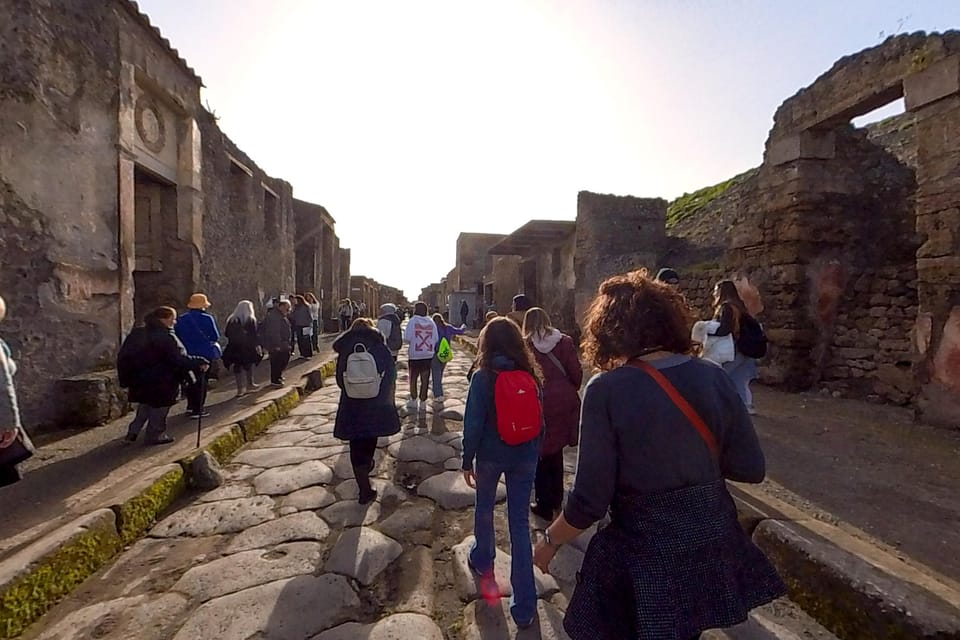
This is a 2-hour guided circuit, not a “wander until you get it” situation. The format is built around giving you a guided understanding of how people lived and worked, using the visible evidence that survived the eruption.
You can expect the tour to hit the essentials, with interpretation tied to real spaces:
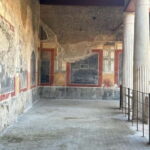
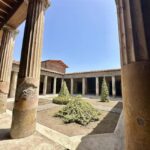
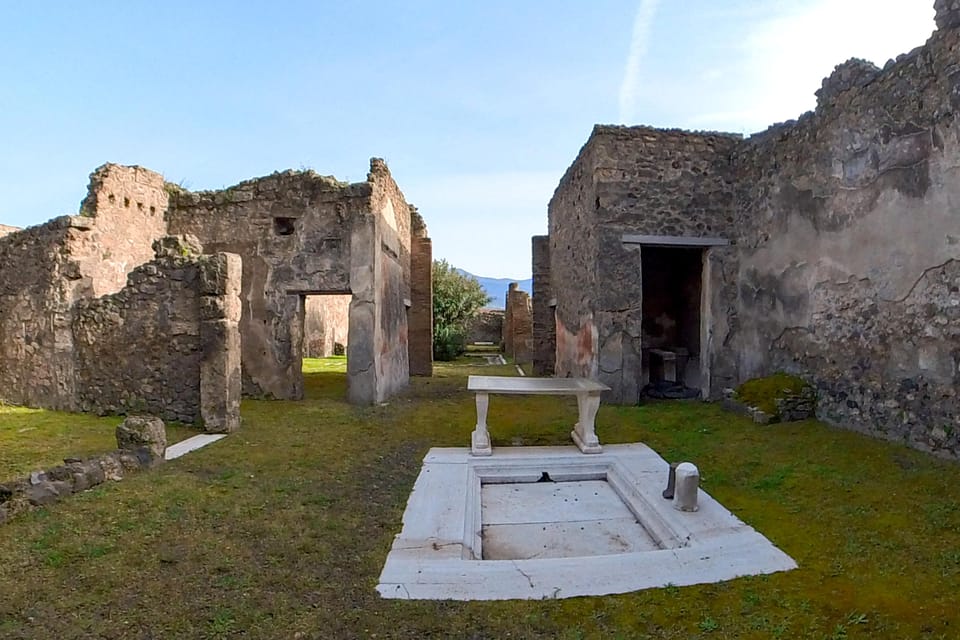
- Roman houses (the tour specifically points out exploring a house), where you can understand layout and daily life rather than just looking at walls.
- Markets and artisan workshops, plus frescoes showing stories from everyday routines.
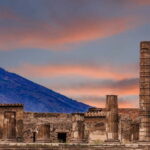
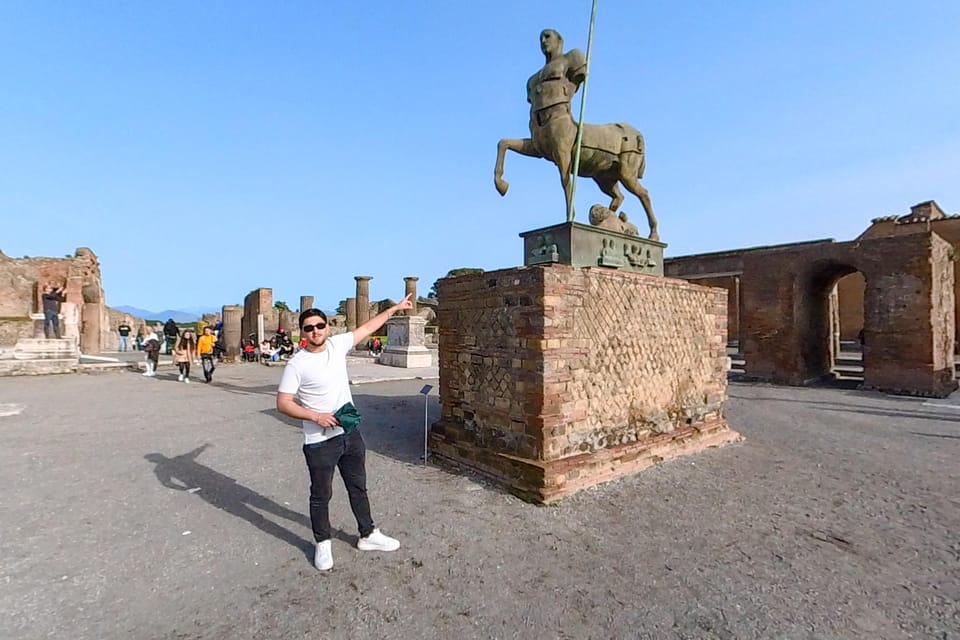
- The Roman Forum, described as the hub where politics and commerce thrived.
- Stabian baths (Terme Stabiane), framed as a social and relaxation space.
- Two “you can’t unsee it” stops: the Thermopolium (an ancient fast-food spot) and the Lupanare (Pompeii’s brothel).
To make it work in a crowded setting, the tour provides headsets. That’s not a tiny detail. In ruins, you’re often at angles—behind other groups, near walls, or in open areas where voices bounce. Headsets keep the guide’s explanations understandable, which helps you connect what you’re seeing to what you’re hearing.
About group size: one visitor noted the group can be large. For me, that’s the only reason I’d hesitate if you hate big crowds or need a lot of back-and-forth. If you’re okay going with the flow and want a clear overview, this format usually fits.
The Roman Forum and the city’s everyday engine
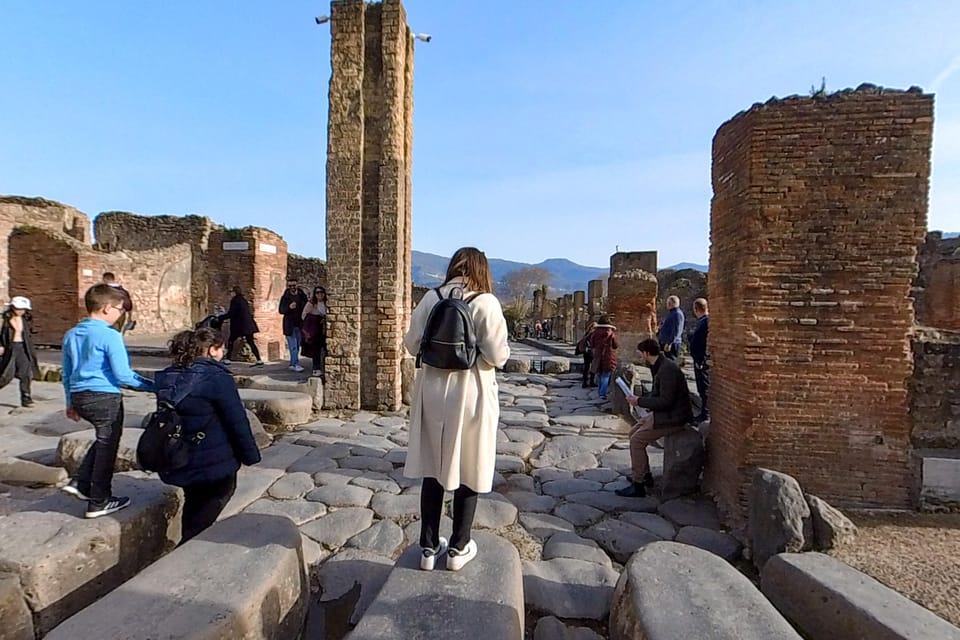
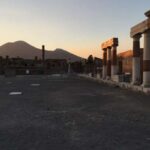
The Roman Forum stop is one of the best “orientation” moments for Pompeii. It’s where politics and commerce are described as thriving, so the guide’s job is to help you read what you’re seeing in a functional way. You’re not just spotting ruins. You’re learning what they were used for.
This kind of framing is valuable because Pompeii can feel like a bunch of disconnected scenes unless someone gives you the thread. Once you understand the Forum as a civic and economic center, you start noticing how other stops in the route connect back to public life—food, services, workspaces, and homes.
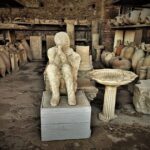
Also, the tour emphasizes how Pompeii’s eruption left things frozen in time. That theme matters here. When you understand the eruption context, details like preserved surfaces, visible frescoes, and the layout of spaces start to feel more immediate and less like a museum display.
Thermopolium: the ancient fast-food stop that makes daily life click
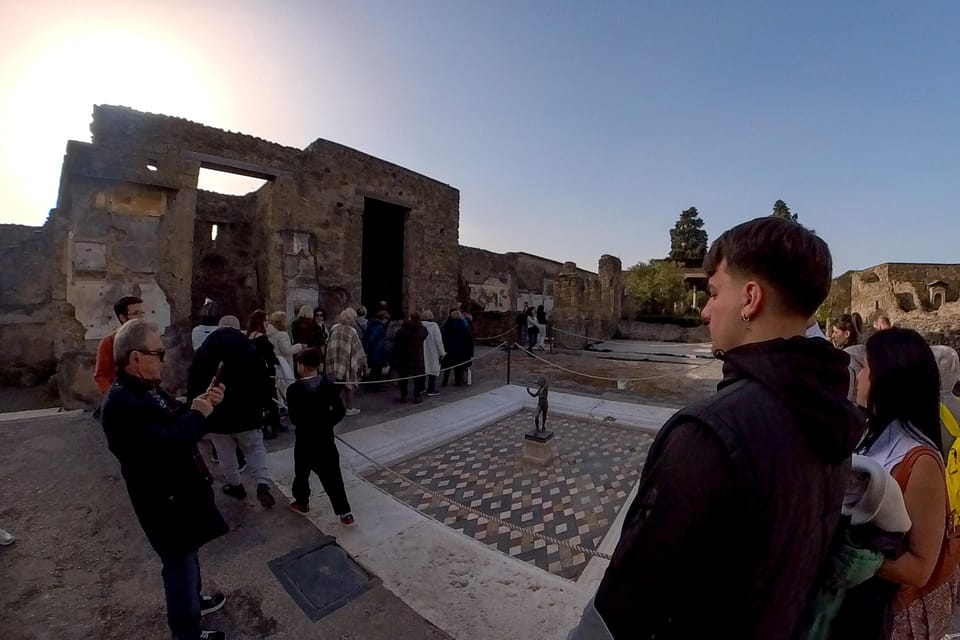
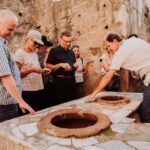
The Thermopolium is one of those Pompeii locations that turns history into something you can picture. The tour describes it as an ancient fast-food establishment where Pompeiians grabbed quick meals.
What I like about including this stop is that it shifts your attention from big public buildings to the speed of daily life. You’re seeing how someone could get food without planning a full meal at home. That’s a very human scale of everyday routine.
When a guide points out the purpose of a space like the Thermopolium, you usually start spotting patterns: how people gathered, how services worked, and how commerce showed up in daily habits. It’s not just a cool word. It’s a practical window into how the city fed itself.
If your time in Pompeii is limited, this is also the type of stop that makes your photos and memory more specific later. It’s easier to remember a place tied to a clear routine than to remember a series of anonymous stone segments.
Lupanare: society, taboos, and why this stop is part of the story
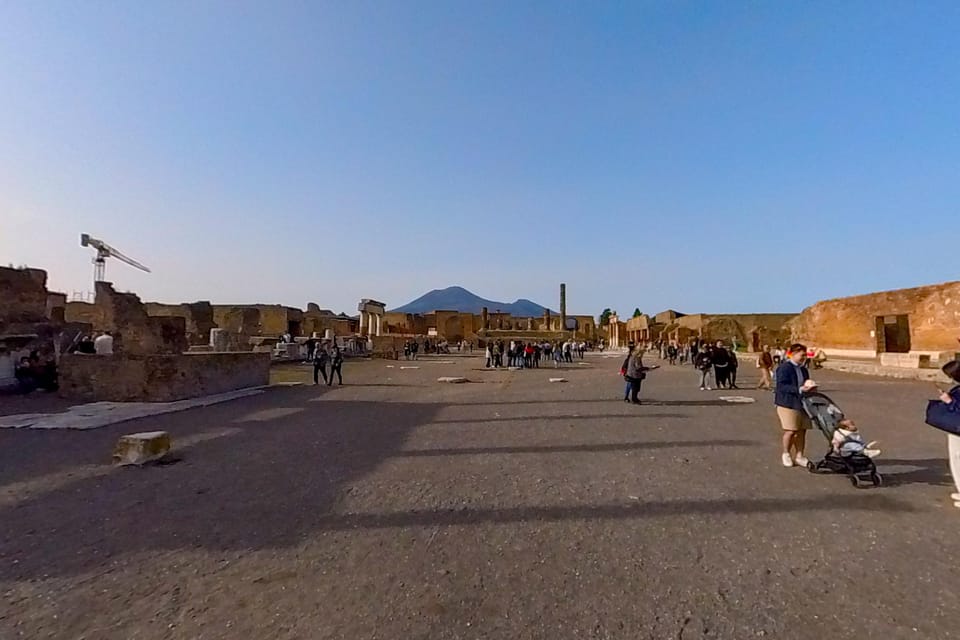
The tour also includes the Lupanare, Pompeii’s brothel. That can sound intimidating, but in a historical setting it’s really about how societies handled desire, income, and social boundaries.
The guide’s interpretation is what makes this more than just shock-value sightseeing. The tour frames the Lupanare as part of experiencing life in the Roman age through the city’s real places—not only the “respectable” ones.
One practical consideration: this stop isn’t for everyone. If you’re traveling with kids, or if you strongly prefer to avoid anything sexually explicit in a museum setting, make sure you’re comfortable with this included theme before you book.
You can also read our reviews of more tours and experiences in Pompei Campania
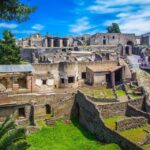
Terme Stabiane: the social side of Roman life
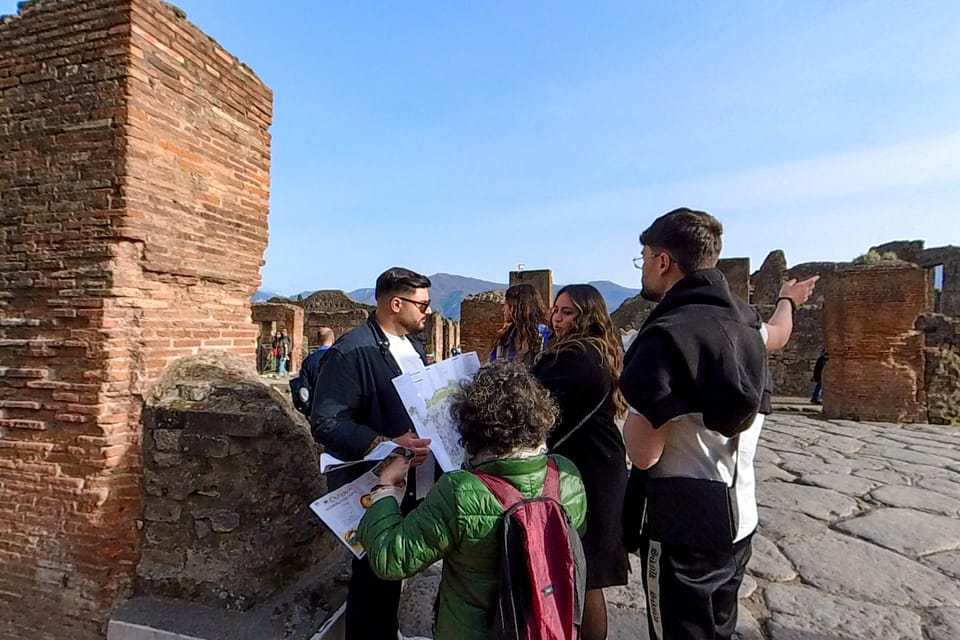
Next up are the Stabian baths (Terme Stabiane). The tour describes them as hubs of relaxation and socializing.
That description is exactly why I like this stop for a short visit. Pompeii can become “history facts” in your head unless you see how people spent time. Baths were one of the places where Romans lived socially in public. When the tour gives you that angle, the ruins feel like settings again, not just walls.
It’s also a nice contrast to places tied to work and commerce. After you’ve seen workshops and food stops, the baths give your brain a break while still teaching you something about daily rhythm.
The eruption story: how Pompeii stayed readable for us
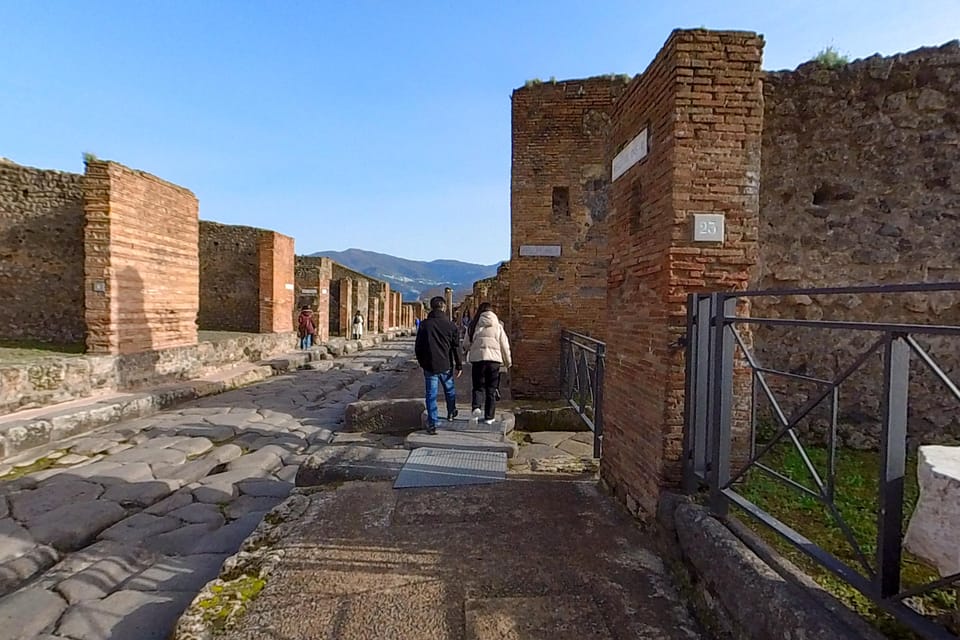
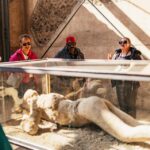
The tour highlights the eruption secret—how Pompeii was frozen in time.
Even without getting technical, the value is clear: the eruption isn’t only tragedy. It’s also why preserved elements remain visible. When a guide connects the timing of the eruption to what’s still there—houses, frescoes, and workshop spaces—you stop seeing Pompeii as random stones and start seeing it as a snapshot of daily life.
This is where a guide earns their fee. Ruins tell you what survived. A good guide helps you understand what that survival means. You’re less likely to miss key context if your route is built around that eruption framing.
Price and logistics: is $58 good value
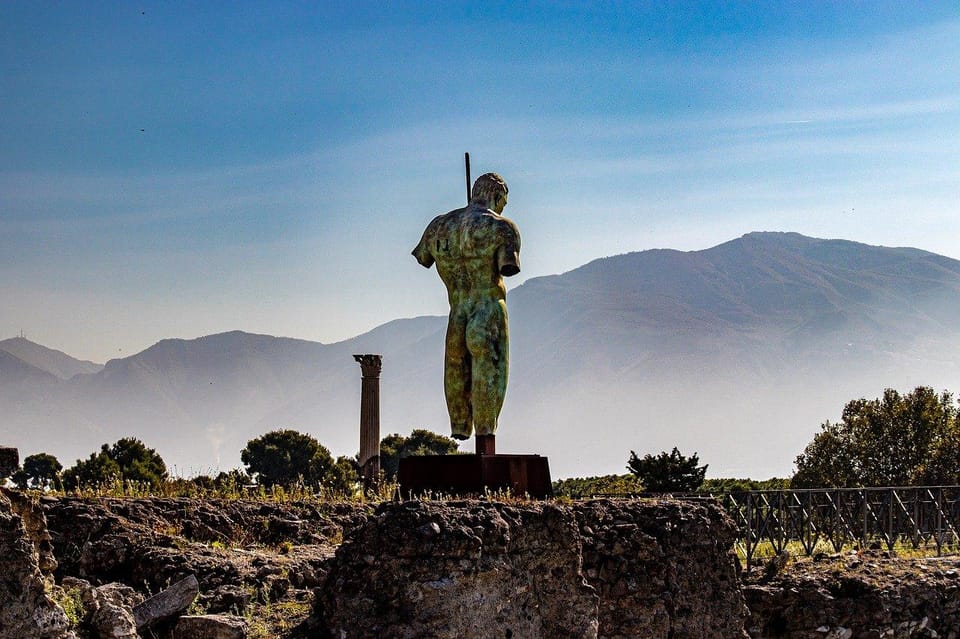
The price is listed as $58 per person for a 2-hour experience. On paper, that can feel steep for a short time—especially if you’re comparing it to entry tickets alone.
The upside is that the package includes more than a ticket:
- a licensed live guide
- headsets
- helpdesk support
- entry tickets to Pompeii
That combination is often what makes the difference between a chaotic afternoon and a focused visit. Skip-the-line entry reduces friction at the start, and headsets make the guide’s route easier to follow, especially if the group is large.
That said, one caution came up in feedback: at least one person felt the experience ran short or that ticket inclusion wasn’t clearly understood for their departure. So your best move is simple—check what your confirmation says about ticket inclusion and time. You’ll avoid the kind of frustration that comes from expecting one thing and receiving another.
Duration can shift: when your 2 hours might feel shorter
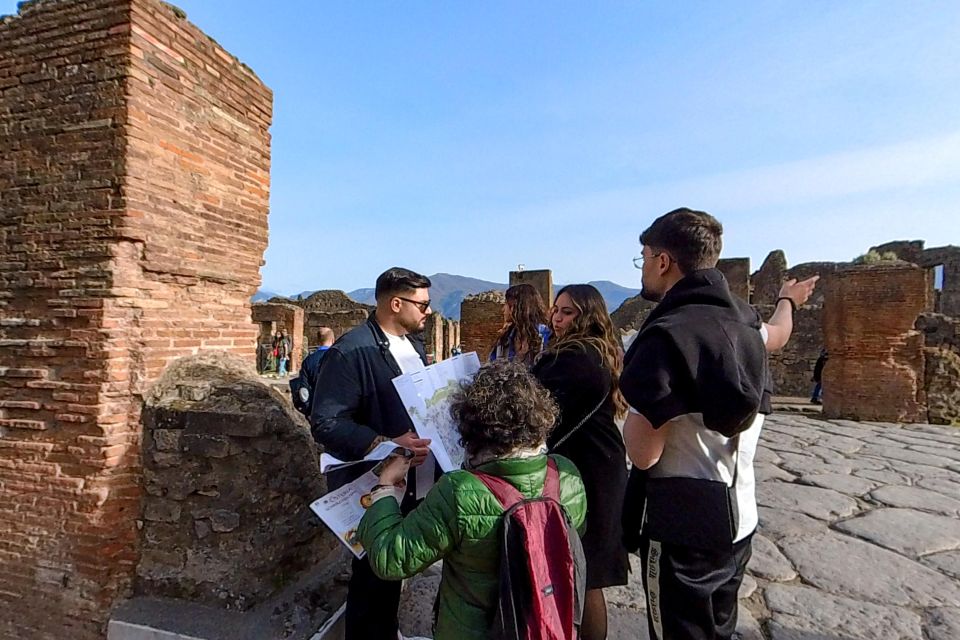
The tour is advertised as a 2-hour guided visit, but timing matters at Pompeii. Several departures have reportedly wrapped earlier than expected due to how groups were handled with other tours.
Sometimes it’s also a late start. One visitor said they were waiting for about an hour beyond the scheduled start time and then ended up with a shorter tour window. Another case described the tour stopping after roughly 1.5 hours when the group changed and they didn’t get an extended guided slot.
Here’s how to plan around that without ruining your trip:
- Treat the 2 hours as the target.
- Keep your next activity flexible.
- If you’re catching a train or ferry later, leave extra buffer time.
- Remember you’ll still be able to roam independently if the guide route ends early, but you’ll have less guided interpretation.
This is the main trade-off with short guided tours at a high-demand site. The guide can only control what the ticket gate and crowd schedule allow.
Getting the most from Terme Stabiane, Forum, and the house stop
Because the route is focused, you’ll get the best results if you mentally “tag” each stop:
- Roman Forum as the civic and commercial hub
- the Roman house as private daily life
- workshops and frescoes as the city’s working memory
- Thermopolium as quick meals and street-level commerce
- Lupanare as social taboos and real city life
- Terme Stabiane as public relaxation
That mental tagging helps you connect the dots. Without it, Pompeii can feel like you’re seeing cool fragments. With it, the city starts to behave like a complete system in your mind.
Also, since you learn the eruption framing on the way, you’ll usually start spotting why certain details matter. You’ll notice more preserved surfaces and frescoes when you know the guide’s “why” behind them.
Who should book this Pompeii tour
I’d call this tour a strong fit if you want:
- a short guided overview (2 hours as the goal)
- licensed guide interpretation in English or Spanish
- headsets to help you keep up in a busy archaeological area
- major stops plus thematic locations like Thermopolium and the Lupanare
- less time stuck at a ticket gate due to skip-the-line entry
It’s probably less ideal if:
- you need a very small-group experience
- you hate crowded tours or can’t handle schedule shifts
- you strongly prefer to avoid topics tied to the included Lupanare stop
If you’re on a tight schedule but still want your day to feel coherent, this kind of route is a practical way to get there.
Booking advice: quick checklist before you commit
Before you reserve, do this:
- Confirm the meeting point: ticket office near Hotel Vittoria in Piazza Esedra
- Verify what your voucher says about entry tickets
- Make sure you’re comfortable with the route including Thermopolium and Lupanare
- Plan your day with buffer time in case the guided window runs short
These checks take five minutes and can save you a lot of stress later.
Should you book Pompeii: 2 Hours Skip the Line with a Licensed Guide?
Yes, if you want a guided snapshot of Pompeii’s daily life with less ticket-gate hassle. The combination of skip-the-line access, headsets, and themed stops like the Roman Forum, a Roman house, the Thermopolium, the Lupanare, and Terme Stabiane makes the $58 price easier to justify for a short visit.
Skip it or choose something else if you’re sensitive to schedule changes or you need a long, uninterrupted guided time window. Pompeii is popular, and timing mix-ups can happen.
If you book, go in ready to learn. Keep your schedule flexible, and you’ll walk away with Pompeii that feels readable instead of just impressive stone.
FAQ
Where do we meet for the Pompeii tour?
You meet at the ticket office near Hotel Vittoria, in Piazza Esedra.
What does skip-the-line mean for this tour?
The tour includes skip-the-line ticket entry to Pompeii.
How long is the guided portion?
The tour duration is listed as 2 hours.
What language is the live guide offered in?
The live guide is available in English and Spanish.
What is included in the price besides the guide?
The tour includes headsets, a licensed guide, helpdesk support, and entry tickets to Pompeii.
What should I bring with me?
Bring a passport or ID card.