REVIEW · POMPEI CAMPANIA
Pompeii: Family-Friendly Augmented Reality Tour with Ticket
Book on GetYourGuide →Operated by AR Tour srl · Bookable on GetYourGuide
AR glasses make Pompeii make sense fast. This 2-hour tour uses holograms that line up over the real ruins, so you can compare what’s left to how the city looked before the 79 A.D. eruption. I like that the reconstructions were developed with archaeologists and experts, and I also like that you’re not stuck staring at stone alone—the tour assistant and audio guide keep the walk moving.
The best part for families is that this is built for kids age 8 and up, with a small-group feel as you cover key areas like temples, homes, squares, and theaters. One drawback to consider: one review flagged that the experience can feel more like a virtual overlay than true augmented reality, and another mentioned the meeting point can be tricky to spot—so plan your arrival time carefully.
In This Review
- Key things to know before you go
- Pompeii With AR Glasses: How the Then-vs-Now Effect Works
- Meeting at the Vittoria Coffee Shop (Piazza Esedra) Without Stress
- Getting the AR Gear Working: The Part That Sets You Up for Success
- Walking the Ruins: Temples, Homes, Squares, and Theaters in Context
- Audio Guide Power: How the Multi-Language Track Helps Everyone
- Price and Value: Is $52.38 for Two Hours Worth It?
- After the Tour: Using Your Time in the Park Smartly
- Who This Tour Fits Best (and Who Should Skip It)
- Practical Tips for a Smoother Pompeii Day
- Should You Book This AR Tour of Pompeii?
- FAQ
- How long is the Pompeii AR tour with ticket?
- Where do we meet for the tour?
- What languages are available for the audio guide?
- Can children under 8 use the 3D technology?
- Is hotel pickup or drop-off included?
- What should I bring?
- Does the tour run in rain?
Key things to know before you go
- Holograms over real ruins: you’ll see pre-eruption scenes layered onto what you’re standing in
- Archaeologist-built reconstructions: the “then vs. now” guidance is designed by experts in Pompeii
- A real tour assistant: you get equipment help up front and stay accompanied during the walk
- Audio guide in many languages: English, French, Italian, Spanish, German, and Portuguese
- Family-friendly format (8+): kids younger than 8 can enter with a standard ticket, but can’t use the 3D technology
Pompeii With AR Glasses: How the Then-vs-Now Effect Works
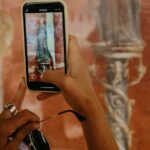
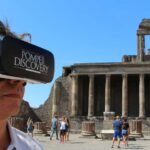
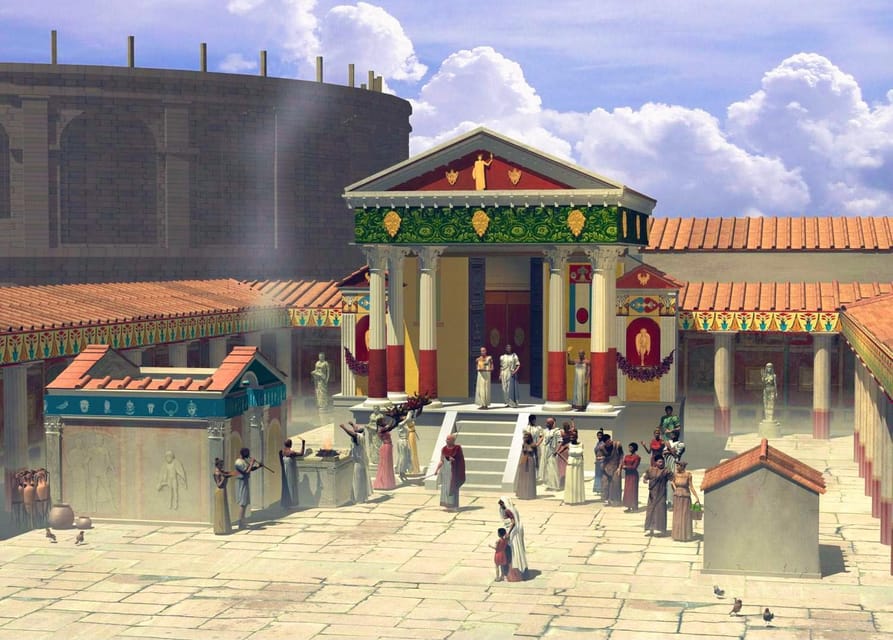
This is Pompeii, but with an extra set of eyes on top of the ruins. Put on the AR glasses and you’ll get holograms that overlap the existing buildings, so you can see the most significant temples, houses, squares, theaters, and other major spaces as they were before the eruption.
What I like about this setup is that it answers the hardest Pompeii question fast: What am I looking at? Stone ruins can be impressive, but they also leave big gaps. With the AR overlay, you’re not just admiring walls—you’re getting a visual comparison between past life and the present-day site.
Just keep your expectations balanced. If you’ve used phone AR apps before, you’ll understand the basic idea. But the one negative review called out that the experience may not feel perfectly “augmented” to everyone, depending on how you perceive the overlay and how well it lines up in your experience.
You can also read our reviews of more tours and experiences in Pompei Campania



Meeting at the Vittoria Coffee Shop (Piazza Esedra) Without Stress
Your tour starts at the Vittoria coffee shop in Piazza Esedra, right next to the Pompeii entrance (Porta Marina Inferiore). Your tour assistant will be holding a sign that says AR Tour, so look for that rather than trying to guess from the crowd.
This matters more than it sounds. Pompeii entrances can be busy, and the negative feedback included a complaint that the meeting point was difficult to find. So treat this like an appointment: arrive early enough that you’re not rushing, and remember they’ll wait only up to 5 minutes if you’re late before starting out of respect for the rest of the group.
Tip I’d follow: scan for the AR Tour sign first, then confirm you’re at the right side of Piazza Esedra. Once you spot the assistant, your job gets easy—you’ll get the equipment and guidance right away.
Getting the AR Gear Working: The Part That Sets You Up for Success
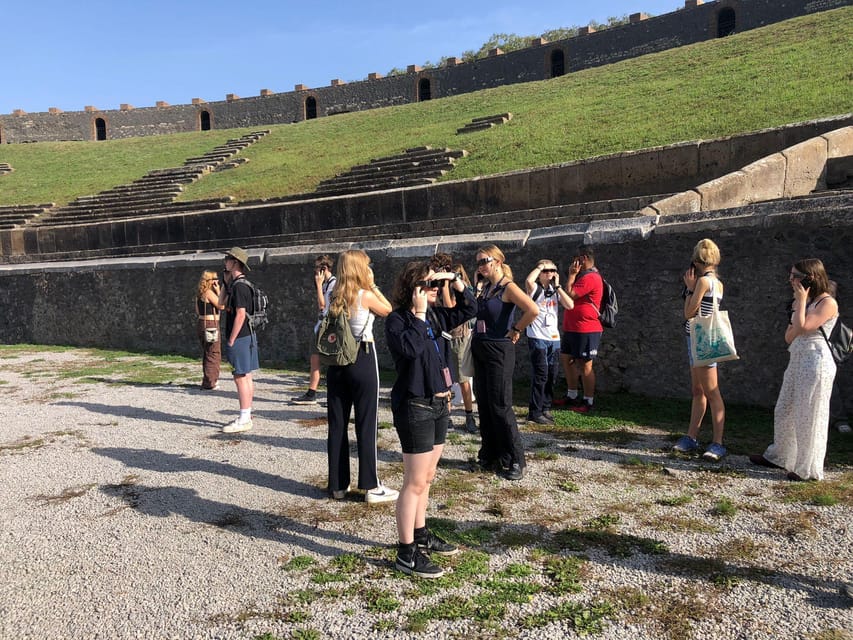
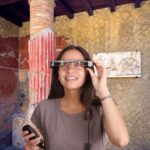
Before you start walking, you’ll meet your tour assistant and get a quick run-through of the itinerary and how to use the AR glasses. This isn’t just a “here you go” moment. The assistant stays with you and helps during the tour, which is a big deal when you’re using tech in an outdoor archaeological park.
Good news if you wear glasses: AR glasses can be worn over eyeglasses, so you’re not forced into contact lenses or squinting. The tour also runs rain or shine, so plan for weather. Comfortable shoes and a water bottle make a real difference when your eyes are switching between the ruins and the overlay.
Also note the no-luggage rule. Luggage or large bags aren’t allowed, so pack light. This helps the flow of the group and keeps you from dealing with bag bottlenecks near entrances.
Walking the Ruins: Temples, Homes, Squares, and Theaters in Context
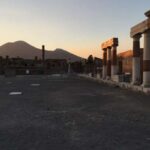
You’ll cover several of Pompeii’s most important zones, guided at a pace that works for a small group. The tour doesn’t just point at ruins—it helps you place them in the daily rhythm of the city before 79 A.D.
Here’s how the walk typically makes sense:
- You start with big public spaces (like squares and major religious areas), where the AR overlay helps you visualize the layout and scale.
- Then you move into the residential world: homes and courtyards, where you can compare what you see now with how living spaces were organized.
- You’ll also work through entertainment areas such as theaters, where the audio context and holograms help explain the purpose of the structures, not just their shape.
The value is in the comparison. Pompeii can feel like random fragments if you’re only looking at ruin outlines. With the AR glasses, you’re training your eye to recognize the original function of each space—where people gathered, worshipped, worked, cooked, relaxed, and watched performances.
One practical drawback to be aware of: this is a 2-hour experience, so you’re getting broad coverage rather than deep study of every famous stop. That can be perfect for families, but it also means you may want additional time afterward if you’re the type who likes to linger in one area.
Audio Guide Power: How the Multi-Language Track Helps Everyone
The tour includes an audio guide with descriptions in English, French, Italian, Spanish, German, and Portuguese. The tour guide language is listed as Italian and English, but the audio options are what make this feel workable for families and mixed-language groups.
In practice, audio does two helpful things on a site like Pompeii:
- It keeps you moving without constant stopping for questions.
- It helps kids follow along because you’re not waiting for a live explanation every time you look up.
If you’re traveling with kids age 8+, this is a big part of why the format works. Kids often need simple story beats, and the audio guide can keep the narrative steady while you rotate your attention between the ground and the hologram.
If your group doesn’t share one language, you’ll still be able to use the experience without everyone being left out of the explanation.


Price and Value: Is $52.38 for Two Hours Worth It?
At $52.38 per person for a 2-hour tour, you’re paying for more than a walking guide. You’re paying for the AR glasses, the multi-language audio system, and an itinerary shaped by archaeologists and experts.
Here’s the value math I think about:
- If you’d otherwise do an audio guide-only visit, this adds the AR glasses and the then-vs-now visual layer.
- If you’re traveling with kids, you’re paying to reduce the “What is this?” moments that can drain energy fast.
- If you want Pompeii to feel understandable without a full-day plan, the 2-hour structure helps you get real orientation before you explore more on your own.
Could you spend less by doing the park independently? Yes. But you’d be missing the overlay reconstructions and the guided pacing through key categories of buildings. For families, or for anyone who wants quick context, the extra cost often feels justified.
After the Tour: Using Your Time in the Park Smartly
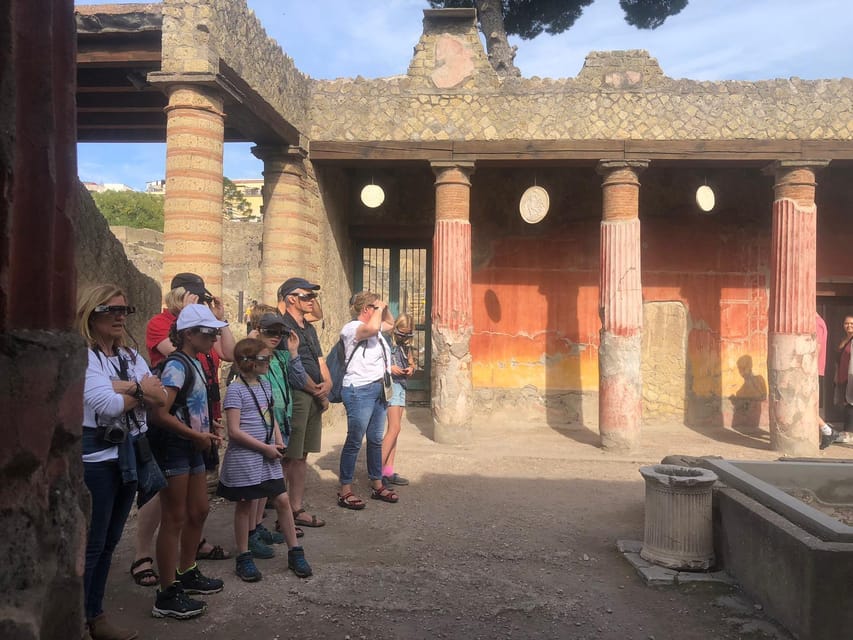
When the tour ends, you return to the meeting point, and you can stay in the archaeological park afterward to explore on your own. That’s a strong setup because it lets you “prime” your understanding with the AR walk, then slow down where something grabs your attention.
You’ll need to return the AR glasses at the end of the tour. After that, you’re free to continue without the tech, which is a good time to wander, photograph, and revisit any areas you found most meaningful.
One limit to flag: this tour does not include suburban villas, including Villa dei Misteri. If that’s on your personal must-see list, plan a separate visit or add it to your independent itinerary.
Who This Tour Fits Best (and Who Should Skip It)
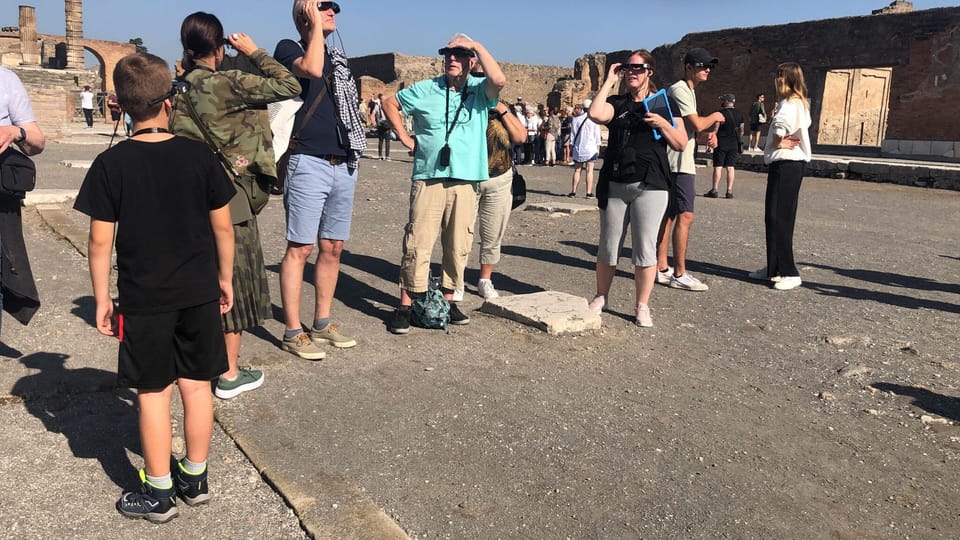
This experience is designed for families with children age 8 and up, and it’s not suitable for children under 8 to use the 3D technology. Kids under 8 can access the park with a standard ticket, but they won’t be able to use the AR 3D features.
It’s also listed as not suitable for wheelchair users. Pompeii’s terrain can be uneven, and this tour format is built around walking routes with equipment.
Who I think will love it:
- Families who want structure and a clear story as they move through Pompeii
- Adults who want to understand the city quickly without spending hours researching
- People who prefer guided “then vs. now” explanations over standalone plaques
Who might feel less thrilled:
- Anyone who expects a perfect high-tech alignment every moment
- People who want the most famous single sites in full depth in one visit
- Those hoping to hit suburban villas like Villa dei Misteri as part of the same ticket
Practical Tips for a Smoother Pompeii Day
A few details can make or break how enjoyable the walk feels:
- Wear comfortable shoes: you’ll be on foot through an outdoor park.
- Bring water, plus sunglasses, sunscreen, and a sun hat—Pompeii exposure can add up.
- Dress for the weather since it runs rain or shine.
- Keep bags small because luggage or large bags aren’t allowed.
- Have each participant’s full name ready for nominal tickets (first and last name matter for ticketing).
Also, if you’re a bit nervous about finding the meeting spot, don’t freestyle. Go for the AR Tour sign and confirm you’re in the right place early.
Should You Book This AR Tour of Pompeii?
I’d book this if you want an easy, family-friendly way to understand Pompeii’s layout in a short time. The big selling point is the overlay reconstructions—seeing how major spaces worked before 79 A.D.—plus the fact that you’re not doing it alone since you’re accompanied by a tour assistant.
I’d think twice if meeting logistics stress you out or if you’re the type who needs tech to feel flawless to enjoy it. The negative note about the meeting point and the mixed idea of augmented reality vs. virtual-style overlay are worth taking seriously.
Bottom line: if your goal is comprehension, not just wandering, this is a smart use of two hours—and then you can stretch your day by exploring the archaeological park afterward.
FAQ
How long is the Pompeii AR tour with ticket?
The duration is 2 hours.
Where do we meet for the tour?
The meeting point is the Vittoria coffee shop in Piazza Esedra (Porta Marina Inferiore), right next to the entrance. The tour assistant will hold a sign that says AR Tour.
What languages are available for the audio guide?
The audio guide is available in Italian, Portuguese, French, English, German, and Spanish.
Can children under 8 use the 3D technology?
Children under 8 can access the park with a standard ticket, but they cannot use the 3D technology.
Is hotel pickup or drop-off included?
No, hotel pickup and drop-off are not included.
What should I bring?
Bring comfortable shoes, sunglasses, a sun hat, sunscreen, and water, plus weather-appropriate clothing.
Does the tour run in rain?
Yes, it runs rain or shine.