REVIEW · POMPEI CAMPANIA
Pompeii: Virtual Museum ticket
Book on GetYourGuide →Operated by TOURISTATION · Bookable on GetYourGuide
Pompeii hits differently when you see it first in 3D. This virtual ticket lets you walk through daily life in the city about 2,000 years ago and then watch the 79 AD eruption sequence that erased it. I like that it’s built for orientation: you learn what you’re looking at before you face the real stone and ash.
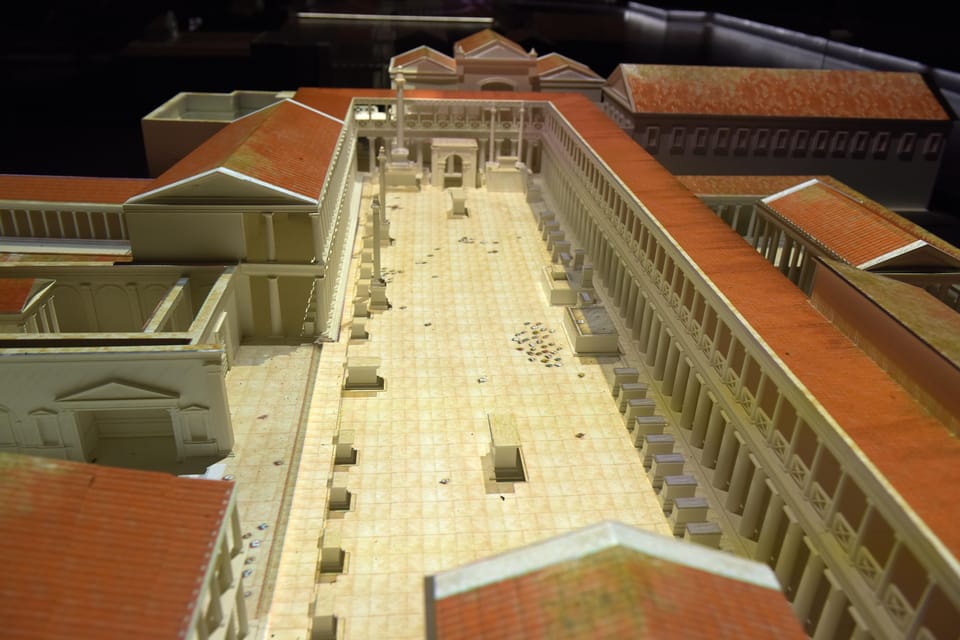
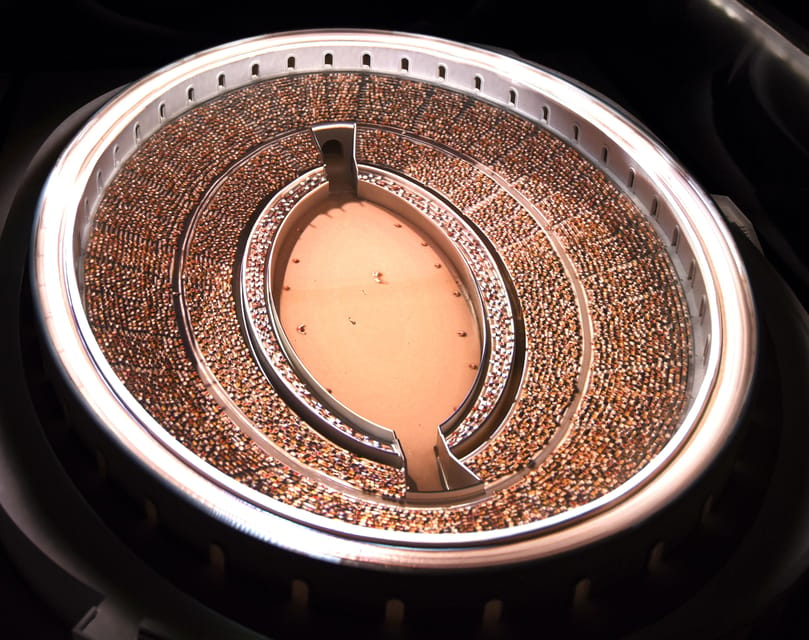
What I also really liked is the “movie-like” reconstructions of major places like the Forum, baths, and amphitheater, including views from above that help you picture layout and scale fast. A fair consideration: if you want a full guided archaeological tour of the ruins themselves, this can feel like a different product—because the virtual museum is the main event, not a walkthrough of every site.
In This Review
- Key things to know before you go
- Pompeii Virtual Museum: a smart warm-up for the real ruins
- Getting started at IBT Center/Touristation (and why it matters)
- The virtual “street life” part: what you’re really watching
- 3D models and animated views: Forum, baths, amphitheater
- The eruption sequence: what you’ll take away (besides the shock)
- Optional add-on: using the skip-the-line archaeological entry well
- Rules that shape the experience (so you don’t get stuck)
- Price and time value: is $14 worth it?
- Who should book this Pompeii Virtual Museum ticket?
- Practical tips to make the most of your visit
- Should you book Pompeii Virtual Museum?
- FAQ
- How long is the Pompeii Virtual Museum experience?
- Is the Pompeii archaeological area ticket included?
- Do I get to skip the ticket line at Pompeii if I choose the add-on?
- Is a guided tour included?
- Is an audio guide included?
- Can I take photos inside the virtual museum?
- Are pets allowed?
- Can I bring food and drinks?
- Where do I meet for the ticket?
- Is Villa dei Misteri included?
- Are small dogs allowed?
Key things to know before you go
- A 3D “street level” experience that focuses on what people did day to day
- Animated reconstructions of big monuments, including overhead views of key areas
- A guided-feeling flow that ends with the Vesuvius spectacle (the city’s ending, in one timeline)
- Paper map + free Wi‑Fi, so you can plan what to chase next on your actual Pompeii visit
- Optional skip-the-line entry to the archaeological area, if you choose the add-on
- Strict rules (no photos inside, no food, no large bags) that shape how you experience it
Pompeii Virtual Museum: a smart warm-up for the real ruins
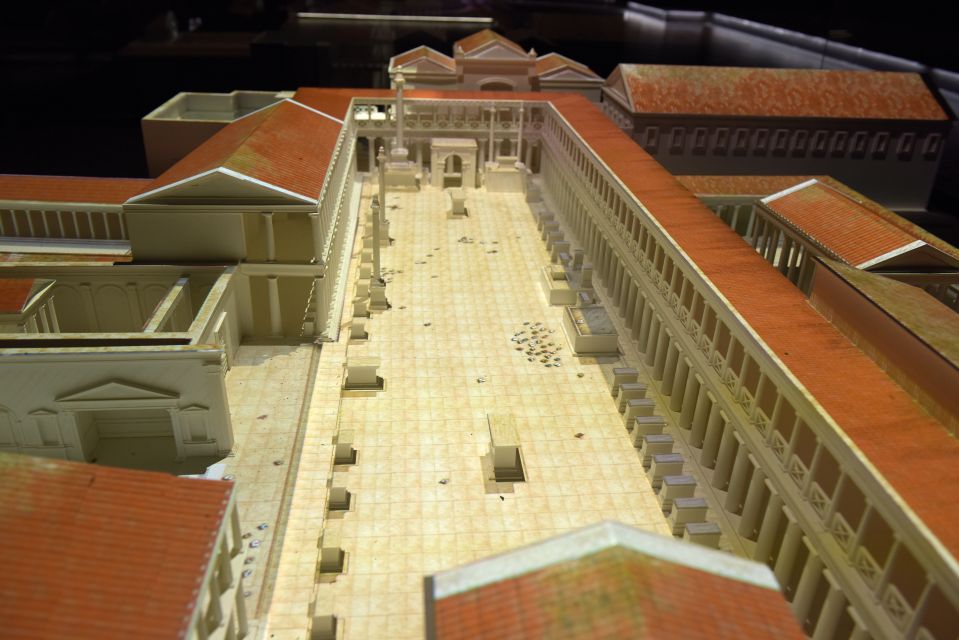
If you’re visiting Pompeii, there’s one problem you can run into: the site is huge, and your brain can feel scattered. It’s not that you don’t care—it’s that you’re trying to connect names, building shapes, and street grids while you’re also navigating crowds and uneven pathways.
This virtual museum ticket is designed to solve that. It takes you into a reconstructed slice of ancient Pompeii and gives you context for what you’ll later see in real life. The experience is timed (from about 30 minutes up to 4 hours, depending on the slot), which also makes it easier to fit into a day that already includes ticket lines and travel time.
The tone is also nicely balanced. You see life before the disaster—homes, daily scenes, and public buildings—then the experience shifts toward the eruption sequence. That arc matters because it changes how you interpret the ruins. After you’ve seen how rooms and streets were used, the empty spaces and damage stop feeling random. They start telling a story.
You can also read our reviews of more tours and experiences in Pompei Campania



Getting started at IBT Center/Touristation (and why it matters)
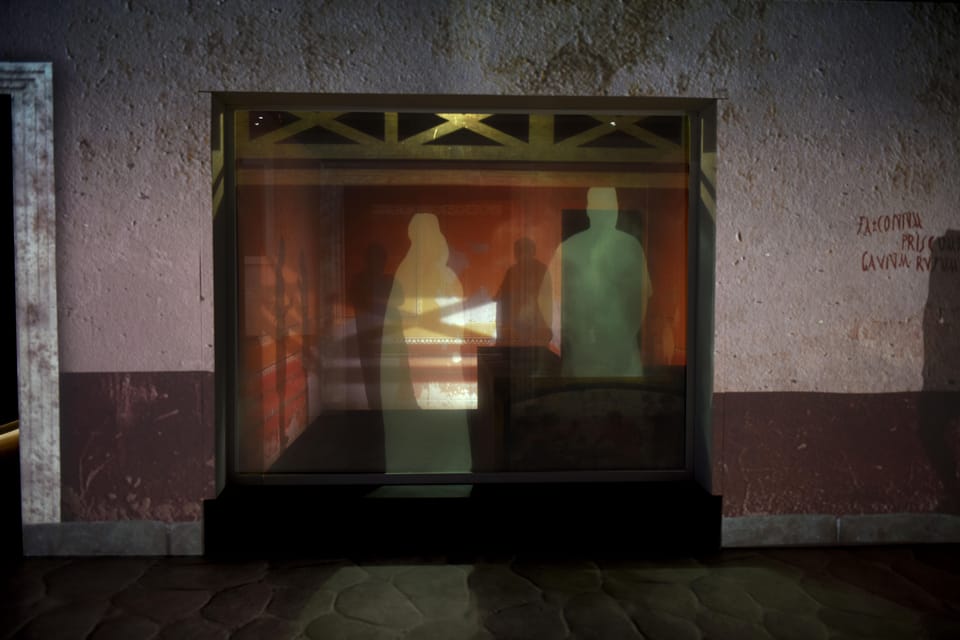
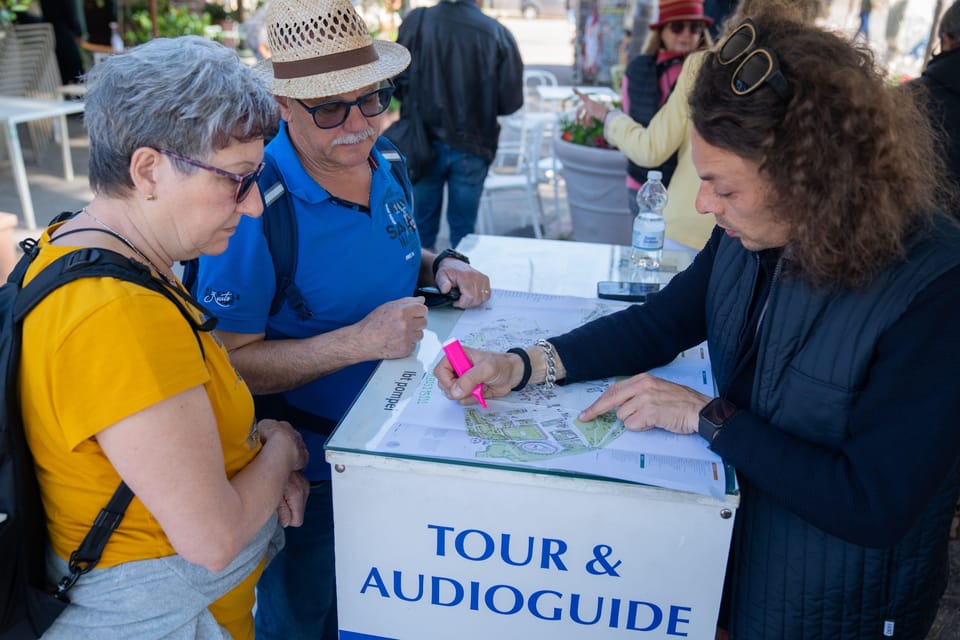
The meeting point is the IBT Center / Touristation office next to Chalet Donna Lucia. That simple detail is worth treating as important, because the whole experience is timed and you want to be in the right place early enough to get settled.
Once you’re checked in, you get practical extras that keep the experience from feeling like a one-time video. You receive a paper city map, and you also have free Wi‑Fi available. In practice, that’s useful if you’re trying to line up what you’ll want to see afterward—especially if you add the Pompeii archaeological area ticket.
Also, the experience includes assistance at the Touristation Office. Even if you don’t need a lot of help, having someone there to point you toward the right session can prevent that frustrating start-stop energy that ruins your first impression.
The virtual “street life” part: what you’re really watching

The heart of the Pompeii Virtual Museum ticket is a reconstructed experience meant to put you inside the city. You’ll explore life before and during the eruption—about 79 AD—with scenes that are meant to feel like lived space, not just museum displays.
What I like about this approach is that it doesn’t treat Pompeii like a set of ruins. It treats it like a place where people walked, ate, attended events, and argued—then got erased by the catastrophe. The experience is described as letting you become the protagonists of daily life, and that matters because it nudges you from passive watching into active imagining.
You can expect a tour-like flow that includes:
- a stroll through reconstructed streets
- stops that resemble daily gathering points, including a Roman banquet
- a glimpse into places such as the Lupanar (mentioned as a place you can spy on)
That last detail is a reminder that Pompeii isn’t only “grand temples and pretty columns.” It’s also uncomfortable, human, and real. If you’re the type who likes context—why certain rooms existed, how public spaces were used—this part can be memorable.
3D models and animated views: Forum, baths, amphitheater
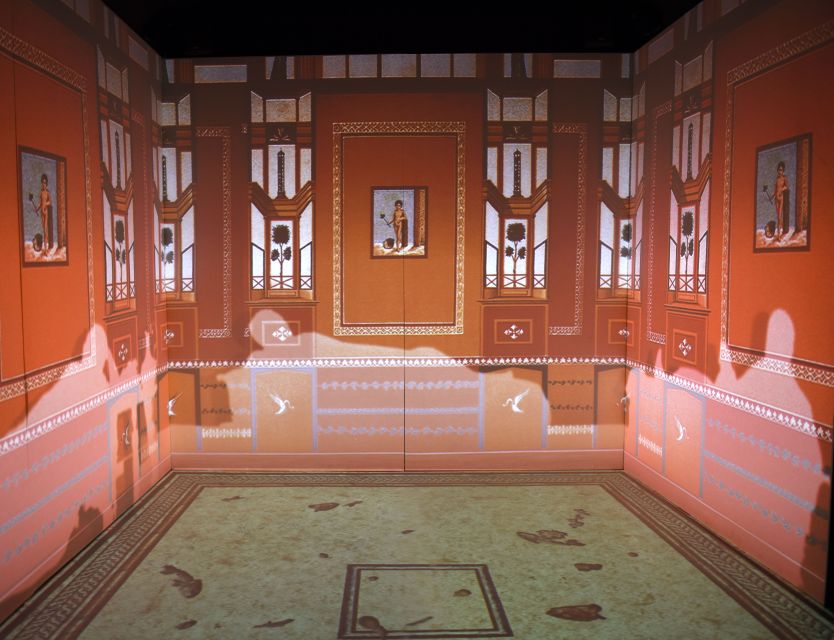
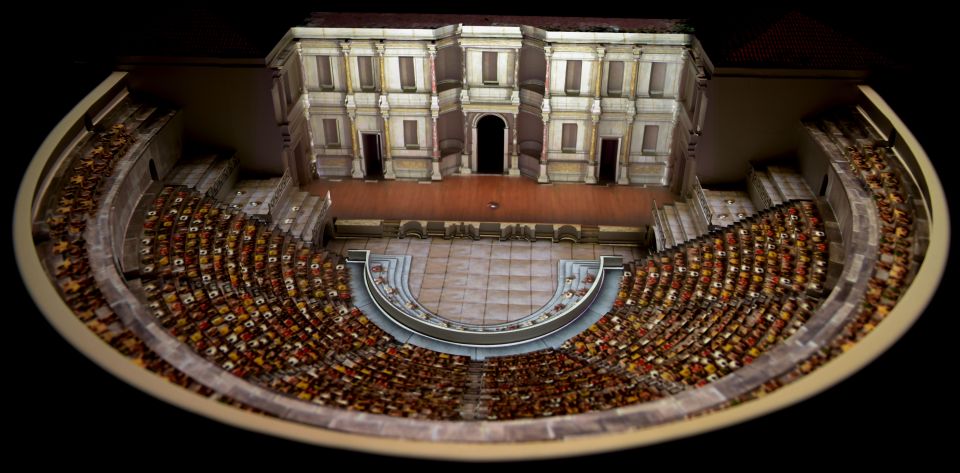
The biggest “wow” factor here is the combination of 3D reconstruction and animated reconstructions. You’re not just looking at buildings at ground level. The experience also shows famous locations like the Forum, baths, and the amphitheater, including views from above.
Why this matters for your Pompeii visit: ruins can be misleading. A wall that looks like it ends abruptly might actually be part of a larger layout. A street that seems narrow might make sense when you understand how buildings framed it. Overhead views help your brain map the site fast.
The reconstructions are also tied to the experience’s pacing. You learn what the spaces were like, then you watch them recreated in a way that supports “place-making.” That’s the difference between seeing a random street corner and knowing you’re standing near something with a specific civic function.
The eruption sequence: what you’ll take away (besides the shock)
The experience doesn’t end on a cheerful note. It culminates in the spectacle of Vesuvius erupting, the moment that spelled the end of the city and still makes it famous.
The practical value of this ending is that it changes how you read the site’s atmosphere later. When you’ve watched the transformation from normal life into catastrophe, you start noticing the ruins with a different mental lens—more like evidence than scenery.
And because the museum experience gives you a “before” world, the “after” hits harder in a useful way. You’re less likely to treat Pompeii like a photo set. You’re more likely to ask better questions as you walk the streets afterward: what would this room have been used for, and what did its fate mean for the people inside?
You can also read our reviews of more museum experiences in Pompei Campania


Optional add-on: using the skip-the-line archaeological entry well
You can add a Pompeii archaeological area entry ticket option. If you do, you’ll have a skip-the-line ticket for the archaeological area. That’s an advantage on a busy day, because Pompeii can be slow where queues build.
One important limitation: the virtual museum itself does not include everything you might want to see in the real site. Villa dei Misteri is noted as not included for entrance.
So here’s the best way to think about the optional add-on:
- Use the virtual museum as your context builder
- Use the real-site time as your evidence checker
- Don’t expect the virtual ticket to replace the experience of walking the streets and seeing materials in person
Also, the experience is described as ending after the eruption spectacle. That means if you add the archaeological entry, you’re basically stacking two different modes: reconstructed understanding first, then real ruins second.
If your goal is to maximize value on limited time, this pairing makes a lot of sense.
Rules that shape the experience (so you don’t get stuck)
This ticket comes with clear restrictions. Inside the experience, you can’t bring:
- pets
- food and drinks
- luggage or large bags
- and photography inside is not allowed
Those rules might sound minor, but they affect how you prepare. If you’re planning to bring a backpack, check that it fits within what the venue allows. If you like taking lots of photos to remember details later, plan to rely on memory and your paper map instead of camera shots.
If you’re visiting Pompeii for the first time, this also means you should pay attention while you’re inside—because you won’t be able to capture everything visually on your phone.
Price and time value: is $14 worth it?
At $14 per person, this virtual museum ticket is priced for people who want a meaningful Pompeii experience without paying for a full, in-person guided tour package. For that price point, value comes from what you’re getting: reserved entry, reconstructions, a paper map, and the option to tack on real-site time with a skip-the-line ticket.
Still, it’s not “worth it” for everyone, and I think the reason comes down to expectations. If you’re expecting an in-depth guided walk through the archaeological area with commentary at every stop, you may feel short-changed. The virtual museum is a focused experience with its own logic and timeline.
Where it tends to feel like good value is when you want:
- an easy pre-visit orientation
- help understanding the layout and major monuments
- a strong storyline that connects daily life to the eruption
And a useful bonus: the experience duration varies widely (about 30 minutes to 4 hours), so you can choose a slot that fits your day and still get something substantial without over-committing.
Who should book this Pompeii Virtual Museum ticket?
I’d book this if you:
- are visiting Pompeii for the first time and want faster context
- like seeing reconstructions that help you picture how buildings worked
- want a Pompeii experience that’s not only walking ruins, but also understanding what came before them
- prefer a structured experience that doesn’t require you to interpret everything on the fly
I’d think twice if you:
- want a full, guided archaeological tour experience as the main product
- need lots of photo opportunities inside the venue (since photography is not allowed)
- plan to bring lots of gear (because large luggage is not permitted)
It also makes sense to choose this early in your planning. A lot of people feel that the reconstructions work best when you haven’t already mentally “filled in” Pompeii yourself.
Practical tips to make the most of your visit
A few habits can turn this from a neat show into a useful Pompeii setup:
- Study the paper map during or right after the virtual portion, then pick 2–3 real places to chase when you’re at the archaeological area.
- Go in with a shortlist. Pompeii can overwhelm you fast; knowing you want the Forum/baths/amphitheater connections will help you recognize what you’re seeing in real space.
- Keep your attention on the “life” scenes. Those are the moments that help you understand why certain rooms and streets mattered.
- If you add the skip-the-line entry, plan your pace. You’ll want some time to see the real materials and not rush immediately to the next thing.
Should you book Pompeii Virtual Museum?
If you’re trying to get the most meaning from a limited time window in Pompeii, I think this is a smart buy. The reconstructions, especially the overhead views of key landmarks and the end-stage eruption sequence, give you a story you can carry into the ruins.
Book it if you want a guided-feeling start, a practical orientation tool, and a strong emotional arc from daily life to catastrophe. Skip it—or at least reconsider—if you’re mainly hunting for a full guided walk through the archaeological area, because this ticket’s focus is the virtual museum experience itself.
FAQ
How long is the Pompeii Virtual Museum experience?
The experience duration is listed as 30 minutes to 4 hours, depending on the starting time availability.
Is the Pompeii archaeological area ticket included?
No. The Pompeii archaeological area ticket is not included unless you select the optional add-on.
Do I get to skip the ticket line at Pompeii if I choose the add-on?
Yes. If you select the option, you get a skip-the-line ticket for the Pompeii archaeological area.
Is a guided tour included?
No. A guided tour is not included.
Is an audio guide included?
No. An audio guide is not included.
Can I take photos inside the virtual museum?
No. Photography inside is not allowed.
Are pets allowed?
No. Pets are not allowed.
Can I bring food and drinks?
No. Food and drinks are not included/allowed.
Where do I meet for the ticket?
Report to the office IBT Center/Touristation, next to Chalet Donna Lucia.
Is Villa dei Misteri included?
No. Entrance to Villa dei Misteri is not included.
Are small dogs allowed?
Small dogs are permitted inside the archaeological area, but they must be kept on a leash and carried when inside buildings. (Pets are not allowed for the virtual museum portion.)