REVIEW · POMPEI CAMPANIA
Pompeii: Private Guided Tour with an archeologist
Book on GetYourGuide →Operated by Around Amalfi Coast · Bookable on GetYourGuide
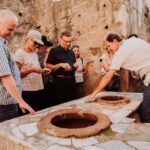
Pompeii hits different with an archaeologist by your side. This private, English-speaking Pompeii tour pairs ruins you can touch with stories grounded in real archaeology, so you spend less time guessing and more time noticing.
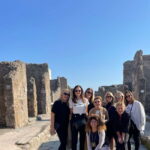
I like that it’s a private group (up to 4), which makes it easier to ask questions and adjust pacing on the spot. I also like the focus on everyday Roman life—ancient streets, houses, temples, public buildings—so the city feels human, not like a checklist.
The main drawback is simple: this experience isn’t designed for people with mobility impairments, and you should expect a good amount of walking on uneven historic ground.
In This Review
- Key points at a glance
- Why a private Pompeii archaeologist beats wandering solo
- Cost and what you’re really paying for ($451.69 per group)
- Meeting at Coffee Shop Vittoria: the smoothest possible start
- The 2.5-hour structure: what you actually get
- Stop 2 at Pompeii: streets, houses, temples, and the details that matter
- What makes the archaeologist storytelling click
- Planning your rest of the day after the tour
- Footwear, pacing, and comfort basics
- Who should book this Pompeii private tour with an archaeologist
- Booking decision: should you go?
- FAQ
- How long is the Pompeii private guided tour with an archaeologist?
- Where do we meet the archaeologist guide?
- Is this tour private?
- What language is the tour guide?
- Are entry tickets included?
- Can I cancel and get a refund?
Key points at a glance
- Private archaeologist guide: You get a real expert-led interpretation, not just a standard script.
- Tailor-made for your interests: You can steer the conversation toward art, architecture, or historical context.
- Frescoes and mosaics: You’ll spend time with the kind of details most people rush past.
- See the site with digging in mind: A strong guide helps you understand what’s being uncovered and why it matters.
- Easy start and finish: Meet outside Coffee Shop Vittoria and end back at the same spot.
Why a private Pompeii archaeologist beats wandering solo
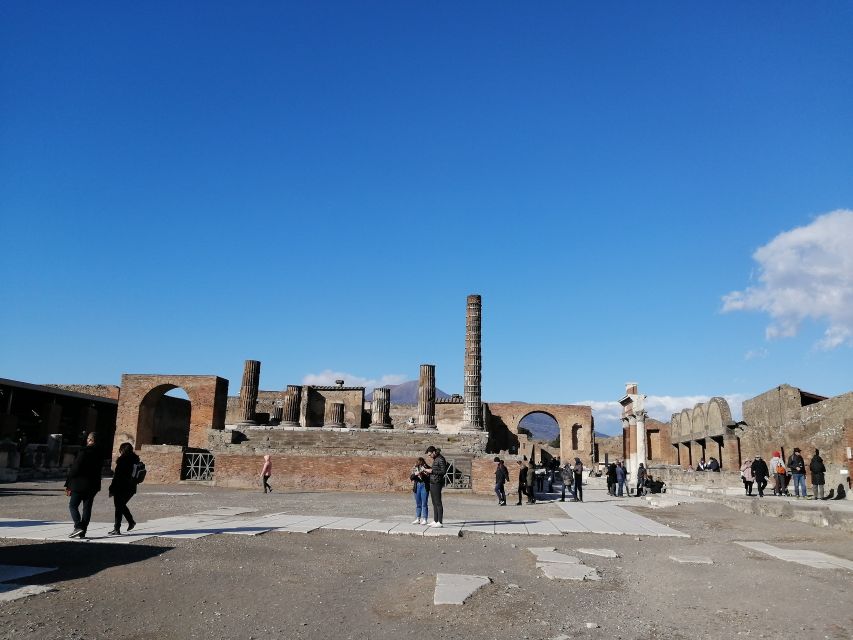
Pompeii is the kind of place where you can walk around for hours and still feel like you’re reading a caption instead of understanding the subject. A private archaeologist guide changes that fast. You don’t just move from building to building—you learn how to “read” the city.
With an archaeologist leading you, the ruins stop being random piles of stone. The guide helps you connect daily life to what you’re seeing: how people used space in homes, how public buildings shaped routine, and how art like frescoes and mosaics signaled status and taste. That matters, because Pompeii isn’t only tragedy—it’s also normal routines, jobs, shopping, gatherings, and private habits.
You’ll also notice the difference in pacing. In a guided setting, you’re less likely to miss the points that make Pompeii special. In fact, the best part of a private format is that you can linger where you care most, and move on when you’re ready.
You can also read our reviews of more guided tours in Pompei Campania


Cost and what you’re really paying for ($451.69 per group)
At $451.69 per group (up to 4), this is not a budget tour. But value in Pompeii often comes down to one thing: how efficiently you turn a short visit into understanding.
Here’s where this tour earns its price:
- A true archaeologist guide instead of a generalist tour guide. You’re paying for interpretation grounded in archaeology.
- Entry tickets included, so you’re not doing extra ticket math while you’re standing in line.
- Private time with customization. For many people, asking the right questions is the difference between a forgettable walk and a lasting mental map.
If you’re visiting as a family or a small group of friends, splitting the cost among up to 4 people can make it feel more reasonable. And if you’re the type who hates rushing, the private format helps you keep control of the experience.
If you’re coming alone and comparing costs, you might feel the price more sharply. In that case, you should ask yourself whether you want an expert to structure your visit—or whether you’ll enjoy building your own route and reading on your own.
Meeting at Coffee Shop Vittoria: the smoothest possible start
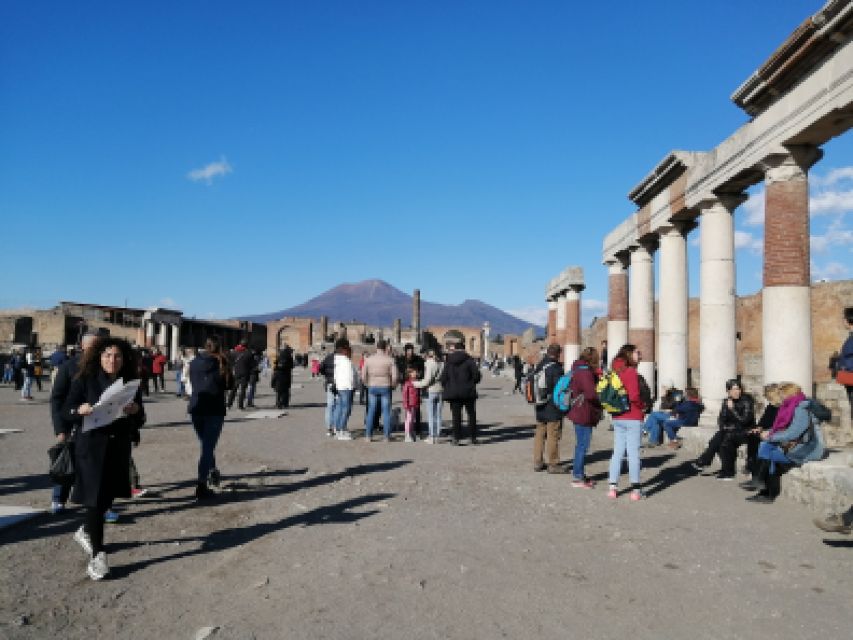
Your tour meets at Coffee Shop Vittoria. You’ll meet your private archaeologist just outside the shop, and your guide will have a sign with your name.
This kind of meeting point is practical. It’s easy to find compared with “meet somewhere in the ruins” instructions, and it reduces that first-moment stress that can throw off your timing. Plan to arrive about 5 minutes early so you’re not stuck trying to spot each other while the tour clock starts.
Since the tour ends back at the meeting point, you also get an easy landing. You can plan your next meal or your self-guided exploring without having to figure out new logistics.
The 2.5-hour structure: what you actually get
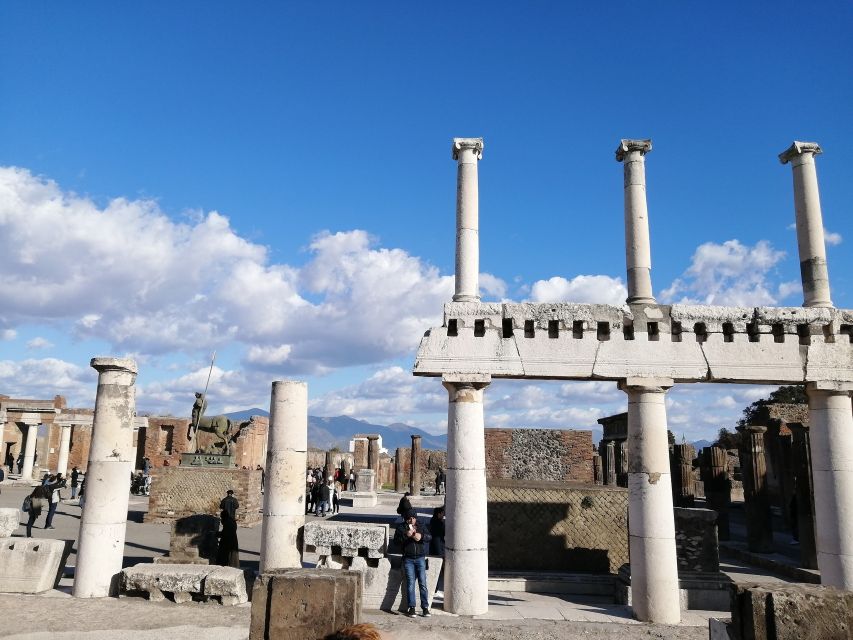
The total duration is 2.5 hours. The schedule emphasizes one main guided portion: about 1 hour of a guided walk and sightseeing focused on Pompeii’s ruins, plus time before and after for orientation and transitions.
That short time window is the key to how you should approach this tour. You’re not trying to see everything in Pompeii. Instead, you’re trying to see the right things in a way that helps you understand what you’ll notice later on your own.
Think of the tour as your interpretive base layer. After you get the framing—how Roman life worked, what different spaces were for, what art and architecture suggest—you’ll be better equipped to explore further without feeling lost.
Stop 2 at Pompeii: streets, houses, temples, and the details that matter
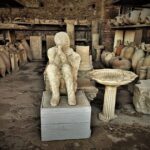
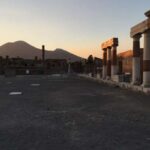
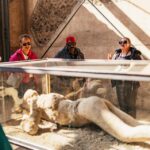
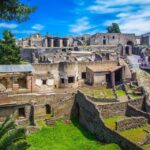
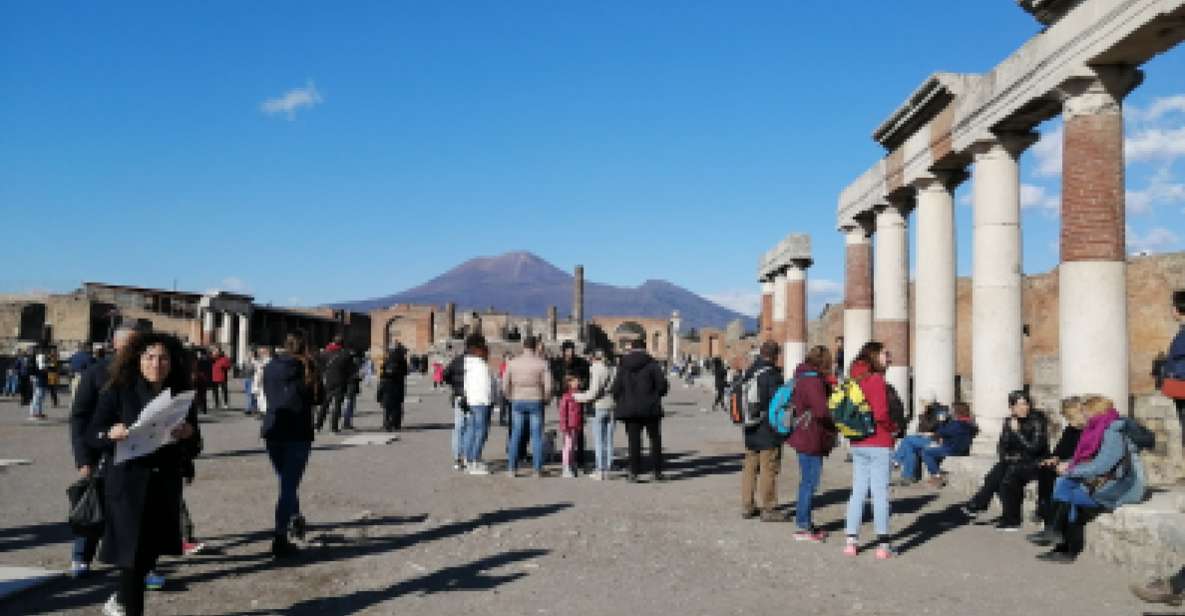
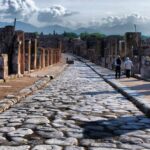
The heart of the experience is the guided walk through Pompeii’s ruins—ancient streets plus preserved structures connected to daily life. Even if you’ve seen photos, Pompeii’s scale and layout can be confusing at first. A guide helps you orient quickly.
Here’s what you can expect to focus on during the main guided time:
- Ancient streets that show how people moved through the city
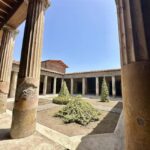
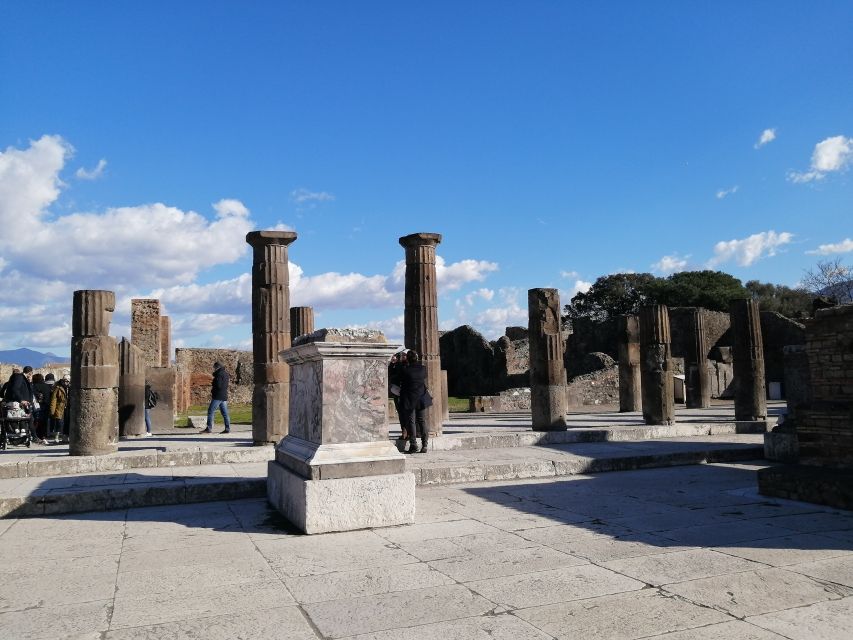
- Well-preserved ruins, including houses and temples
- Public buildings and areas that reveal how the city functioned
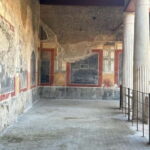
- Art details, especially frescoes and mosaics
The practical value is this: instead of treating these as “pretty ruins,” you learn what the building type meant and how people likely used it. Pompeii has plenty of visual drama, but the guide’s job is to connect drama to interpretation—what you’re seeing and what it suggests about Roman society.
If you’re an art or architecture person, this is where you’ll appreciate the time. Frescoes and mosaics are not random decorations. They often reflect identity, taste, and social signals. And when an archaeologist points out specific details, you end up seeing layers you’d likely miss while simply moving through the site.
A small caution: because the schedule is only 2.5 hours total, your guide has to prioritize. If there’s one topic you care about most—like how homes were arranged, religious spaces, or art—tell the guide early so they can steer the walk that way.
You can also read our reviews of more private tours in Pompei Campania




What makes the archaeologist storytelling click
The difference with an archaeologist guide is usually the balance between fascination and clarity. A strong guide gives you enough context to make the ruins understandable, without turning your visit into a lecture.
The better guides for this experience are known for:
- Inside stories that connect what you see to why it existed
- A sense of humor that keeps the tone light, even when the subject matter is heavy
- The ability to explain with a pace that feels engaging rather than overwhelming
- Making you look at Pompeii as a living city—architecture, daily routines, and the events that ended it
One of the most useful lessons you can take from this kind of tour is learning how excavation fits into the picture. Pompeii is still being studied, and you may see areas where new work is happening. When your guide helps you interpret what’s uncovered and what that means, the site becomes more than a set of ruins—it becomes an ongoing research story.
That’s also why starting with a guide can pay off. You’re basically buying time-efficient orientation and interpretation. Then you can explore the rest on your own with a better mental map.
Planning your rest of the day after the tour
This is one of my favorite ways to use a short, expert-led Pompeii visit: do the guided portion first, then take the rest of the time to wander with confidence.
Here’s how to make that work:
- Use the tour to learn the city logic. After your guide frames what streets, buildings, and art types mean, you stop feeling like you’re only moving between photo spots.
- Ask for a few priorities before you finish. If you care about public buildings versus private residences, say so. You’ll get suggestions for what to seek next.
- Go back to what you noticed. When you return to areas you passed earlier, you’ll spot more. The guide’s interpretation stays in your head while you walk.
Because this tour ends where it starts, you can switch gears easily: grab a drink or snack nearby and then continue at your own pace.
If you’re the kind of traveler who loves flexibility, this is a great format. You’re not stuck in a rigid group schedule for hours. You get structure upfront, then freedom after.
Footwear, pacing, and comfort basics
This tour is designed around walking. The practical advice is straightforward: bring comfortable shoes.
Even if the site doesn’t feel physically extreme, historic ground can be uneven, and you’ll want stable footing. Also, because the tour is only 2.5 hours, you’ll likely cover a lot of ground quickly compared with a slow museum visit. Good shoes let you focus on the ruins and the explanations instead of your feet.
Who should book this Pompeii private tour with an archaeologist
This experience is a strong fit if you:
- Want Pompeii to feel understandable, not just impressive
- Like expert-led explanations of daily life, architecture, and tragic context
- Prefer a small group pace where questions feel welcome
- Care about visual details like frescoes and mosaics and want someone to point out what to look for
It’s also good for couples and small friend groups who want to split the cost and still keep it private.
You should skip it (or look for an alternative format) if you need mobility-friendly access. This activity specifically notes it’s not suitable for people with mobility impairments.
Booking decision: should you go?
If you want the best return on a short Pompeii visit, I’d book this. The reason is simple: an archaeologist guide turns your time into understanding. With a private format and included entry tickets, you’re paying for interpretation, not just for walking alongside a group.
I’d skip it only if you’re determined to DIY every moment and already have strong Pompeii background—or if the walking format is a deal-breaker for you. Otherwise, for first-time visitors especially, this is one of the smarter ways to start your Pompeii day.
FAQ
How long is the Pompeii private guided tour with an archaeologist?
The tour lasts 2.5 hours.
Where do we meet the archaeologist guide?
You meet your private archaeologist just outside Coffee Shop Vittoria, and the guide will have a sign with your name.
Is this tour private?
Yes. It’s a private group experience, priced for a group of up to 4.
What language is the tour guide?
The live tour guide is English.
Are entry tickets included?
Yes, entry tickets are included.
Can I cancel and get a refund?
Yes. You can cancel up to 24 hours in advance for a full refund.