REVIEW · POMPEI CAMPANIA
Pompeii: Skip-the-Line Private Tour with Archaeologist Guide
Book on GetYourGuide →Operated by Rosaria all around naples · Bookable on GetYourGuide
Pompeii feels close when someone explains it. This private tour takes you through the major public sites and standout houses with an archaeologist guide and helps you skip the ticket line so you can spend more time learning.
What I like most is the focus on how people actually lived—through places like the amphitheater, baths, forum, and the brothel—instead of treating Pompeii like a museum checklist. I also love the way the walk points out the details you might miss on your own, especially the original mosaics and frescoes in the domus.
One thing to consider: the tour does not include your entrance ticket, so you’ll still need to plan for that cost separately, plus special days like the first Sunday can affect entry timing.
In This Review
- Key things to know before you go
- Why Pompeii makes more sense with an archaeologist
- Skip-the-line entrance: the real value of starting fast
- The main public stops: amphitheater, gymnasium, baths, and forum
- The brothel and everyday shops: Roman life beyond the famous walls
- Domus mosaics and frescoes: seeing homes through the right lens
- How the private up-to-20 group format changes your experience
- After the guided portion: how to use your free time effectively
- Price and value: what you’re paying for (and what you’re not)
- What to bring for a comfortable Pompeii walk
- Timing notes: first Sunday free entry (but entry isn’t guaranteed)
- Accessibility and mobility: a point to check before you book
- Who should book this Pompeii private archaeologist tour
- Should you book this tour?
- FAQ
- FAQ
- Is the Pompeii entrance ticket included?
- How long is the private Pompeii tour?
- What does priority entrance mean on this tour?
- Where do we meet the guide?
- What buildings does the tour focus on?
- Is this a private tour, and what group size should I expect?
- What languages are offered?
- Is the tour wheelchair accessible?
- What should I bring?
- What happens on the first Sunday of the month?
Key things to know before you go
- Priority entrance to the ticket office helps you start faster
- Live archaeologist guide explains daily Roman life, not just monuments
- Public buildings plus domestic rooms means you see Pompeii from multiple angles
- Mosaics and frescoes get called out in a meaningful, not just decorative, way
- A private group up to 20 keeps the pace more flexible than a large group tour
- You’ll get time to explore independently after the guided portion
Why Pompeii makes more sense with an archaeologist
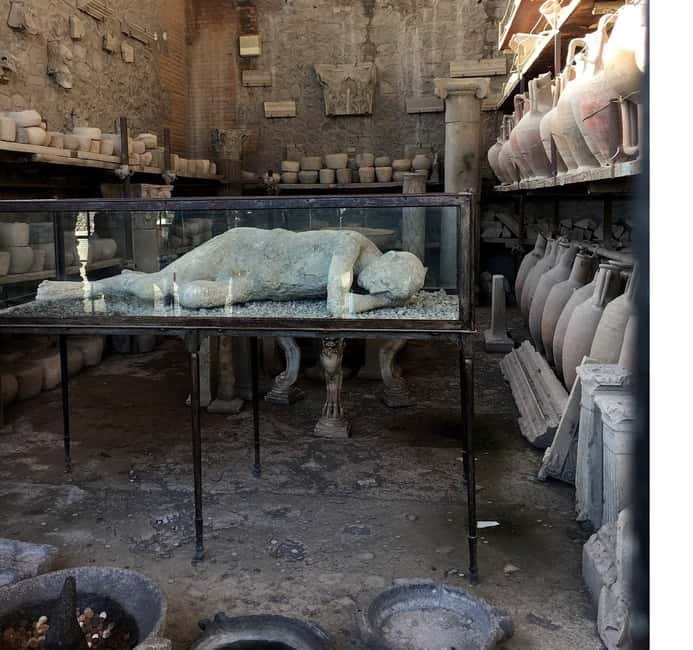
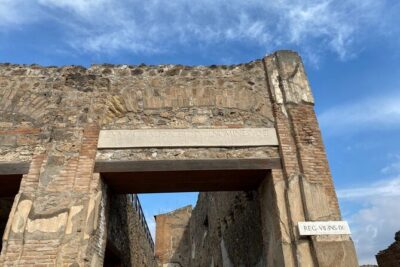
Pompeii is one of those places where the ruins can look like ruins—until someone teaches you how to read them. With an archaeologist guide, the site stops being just stone and starts acting like evidence. You get the bigger picture of what daily life looked like in the city’s final hours.
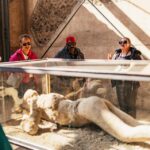
I like that the tour emphasizes the viewpoint of archaeology: studying buildings for what they reveal about people. You’ll focus on key public spaces and the types of homes where mosaics and painted surfaces were part of everyday life, not just “pretty extras.”
Also, you’re not stuck inside a lecture. This is a walking tour, and the explanations are built around the buildings you’re standing in, which makes it easier to remember what you saw and why it mattered.
You can also read our reviews of more guided tours in Pompei Campania


Skip-the-line entrance: the real value of starting fast
The tour includes priority entrance to the ticket office, which is where a lot of time disappears at Pompeii. That time trade matters because a 2.5-hour tour is long enough to learn a lot, but short enough that delays can steal the best parts. If you show up and waste an hour in a queue, you’ll feel it.
What priority entrance gives you is a cleaner first block of time. You can spend your energy on the ruins instead of working your way through lines and ticket chaos. And because you’re with a guide, you’re also more likely to understand what you’re seeing right away, instead of wandering while your brain is still catching up.
There’s a practical downside to keep in mind: while the tour helps you with the ticket office line, the entrance ticket itself is not included. So you’ll still want to budget for the site admission on top of the tour price.
The main public stops: amphitheater, gymnasium, baths, and forum
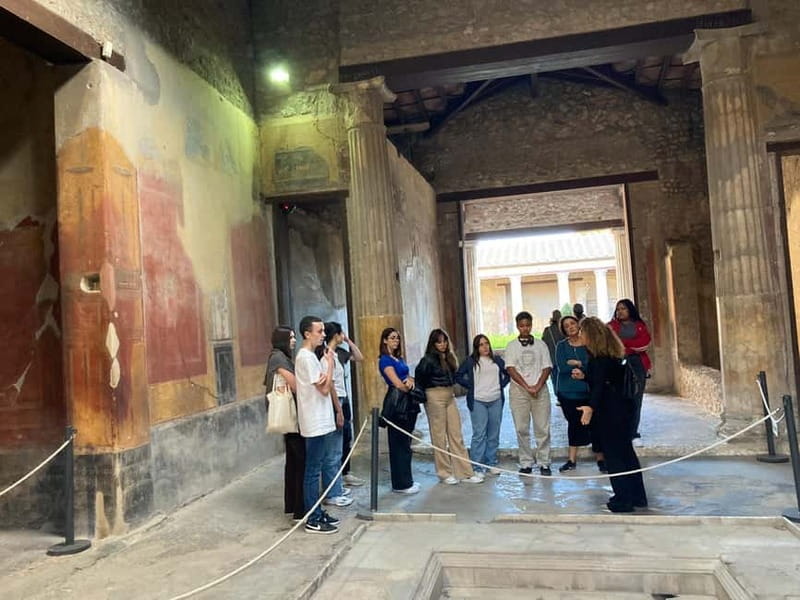
Over the 2.5 hours, your archaeologist focuses on Pompeii’s major public areas—places Romans used as part of routine social life. These stops are valuable because they show the city as a functioning community, not just a collection of isolated buildings.
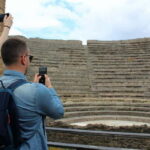
You’ll visit the kind of spaces where crowds gathered and where public events shaped daily rhythm. The amphitheater is one of those locations where you can easily connect architecture to behavior: who sat where, what the experience likely felt like, and how entertainment was built into the culture.
Next come the gymnasium and baths, which are perfect for understanding Roman social habits. Even without getting overly technical, you can see how bathing and exercise tied people together and how architecture supported that routine.
Then there’s the forum, the core civic space. This is where your guide helps you connect the layout of Pompeii’s public life to real use—who would pass through it, what it meant to be part of the city, and how public spaces shaped identity.
A quick note on expectations: Pompeii is a large, walking-heavy site. This tour is designed to hit the most important public points without trying to cover everything, which is exactly why it works for most people.
The brothel and everyday shops: Roman life beyond the famous walls
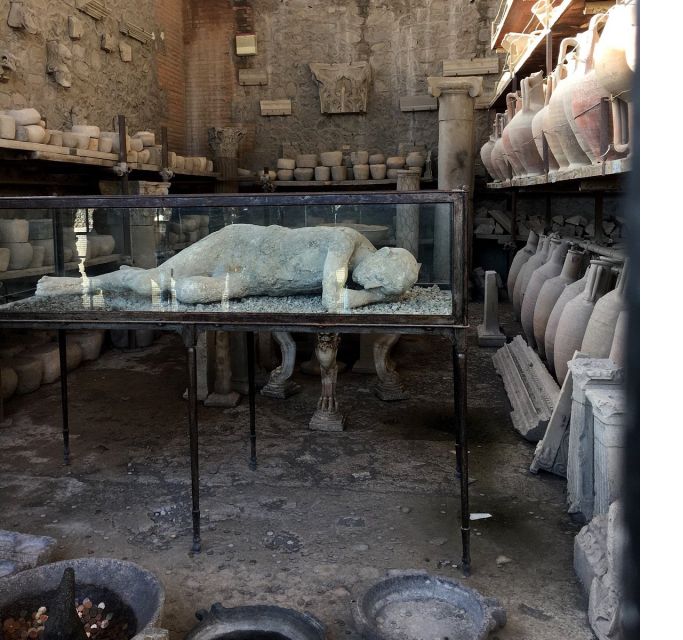
One reason I’d pick this tour over a generic “see the ruins” experience is the inclusion of the brothel and the everyday commercial spaces your guide highlights. That combination turns Pompeii into a snapshot of real routines: public entertainment, social mixing, commerce, and private choices.
Pompeii’s brothel area can be a sensitive topic, but it’s also one of the clearest ways to understand how the city functioned socially. Your archaeologist guide is there to explain what the building reveals, and that context helps you look at the site as evidence rather than shock value.
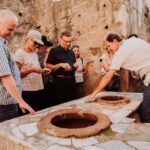
What I also appreciate is the way the tour points out smaller commercial details—things that feel unexpectedly familiar. You’ll see references to ancient shops that map closely to modern categories: laundry, fast food, and a bakery. Even if you don’t memorize every label, you’ll come away with a useful takeaway: people ate, worked, traded, and cleaned up just like they do now.
That contrast is part of what makes Pompeii click. You’re not just admiring art and architecture. You’re recognizing human patterns.
Domus mosaics and frescoes: seeing homes through the right lens
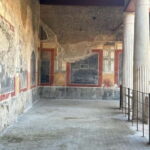
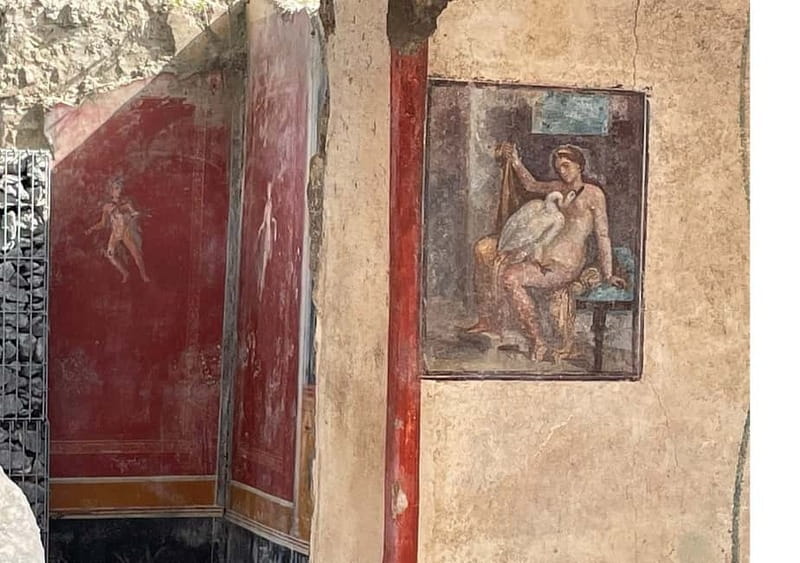
Pompeii’s domus (private houses) are where the site shifts from civic life to personal space. This tour focuses on the houses’ original visual features, including mosaics and frescoes, which are often what people remember later because they feel so immediate.
Your guide’s approach matters here. It’s not just, look at the colors. It’s more like, look at what these surfaces were meant to communicate: comfort, status, identity, and taste. When you’re shown the buildings with an archaeologist’s logic, those wall paintings and floors stop being random decoration and start being part of how residents lived.
This section is also a good reminder that Pompeii isn’t only about grand public monuments. Some of the most compelling clues about ordinary life come from domestic spaces—where you’d expect privacy, household rhythms, and daily movement.
If you’re worried about the tour feeling too “touristy” or too focused on only the biggest photo spots, the domus portion is a strong reason to book. It gives depth.
You can also read our reviews of more private tours in Pompei Campania





How the private up-to-20 group format changes your experience
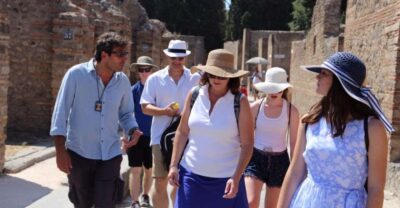
This is a private group experience (with a group size up to 20), and that matters more than many people expect. Smaller group dynamics usually mean the guide can adjust pacing when the crowd level gets annoying.
From the overall feedback, guides have a talent for adapting to the group and working to avoid crowds. That makes a difference at Pompeii, where you can lose your attention fast if you’re stuck behind slow-moving clusters.
You also get the comfort of not being lumped into a massive herd. With a private format, it’s easier for you to ask quick questions, clarify what you’re looking at, and stay focused on what you want out of the visit.
Is it totally quiet and empty? No. Pompeii is Pompeii. But the guide’s ability to manage flow is one of the most praised aspects of this experience, and it’s a practical reason the tour tends to feel more satisfying.
After the guided portion: how to use your free time effectively
One of the best perks here is that your guided tour doesn’t end with you being sent away. After the 2.5-hour session, you get freedom to explore the archaeological site independently.
That independent time is smart because Pompeii rewards curiosity. If you’re the type who likes to pause and re-check details—like inscriptions, doorways, or floor patterns—this setup lets you do it without worrying about missing a scheduled stop.
Use this time to revisit the areas you liked most. If you loved the public buildings, you can linger longer around the spaces that made sense to you. If you got hooked on domus artwork, spend extra minutes on mosaic and fresco areas while your guide’s explanations are still fresh.
Just don’t overpack your expectations. You won’t see everything. You’ll see enough to understand what you saw.
Price and value: what you’re paying for (and what you’re not)
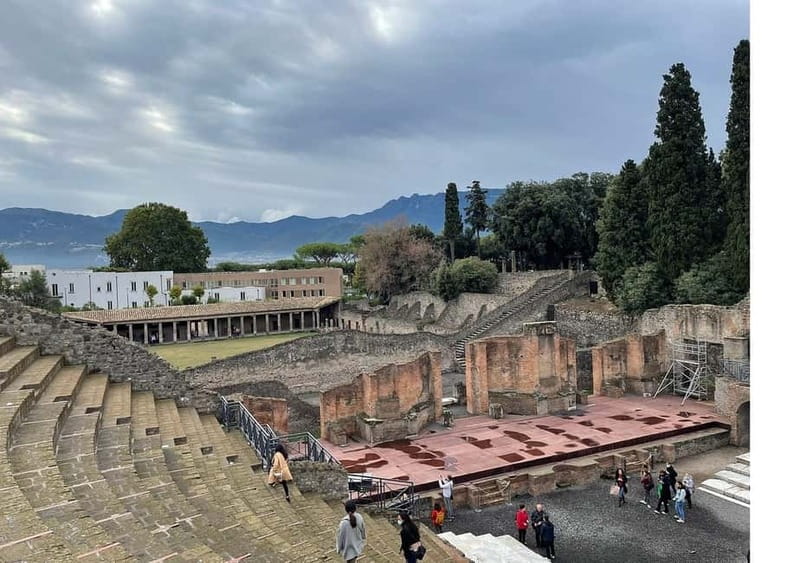
The price is $192.58 per group up to 20 for the 2.5-hour private archaeologist tour. Since it’s per group, the cost can become easier to justify if you’re traveling with friends or a small group that will actually fit the private format.
Here’s the key value math: you’re paying for expertise, a guided route through major areas, and the practical advantage of priority ticket-office entrance. Those two pieces—learning plus time saved—are the reason this tour works well for most visitors.
What you’re not getting is the entrance ticket. You’ll need to budget for that separately. Also, the tour duration is fixed, so you won’t stretch it into a full day on your own. If you want an all-day Pompeii binge, this is better as a foundation tour.
The price feels most fair when you want real explanations in a focused timeframe and you’re okay with covering the highlights rather than attempting every corner.
What to bring for a comfortable Pompeii walk
This tour runs 2.5 hours, and Pompeii is not the kind of place where you can casually stroll in worn-out shoes. Bring comfortable shoes, plus water and a sun hat. If it’s hot, you’ll thank yourself.
Also think like a field person: lightweight clothing you can move in, and a bag that doesn’t feel heavy after an hour. You’ll walk between major points and you’ll likely spend time looking closely at surfaces.
If you want the tour to feel relaxed, arrive ready to walk.
Timing notes: first Sunday free entry (but entry isn’t guaranteed)
Here’s an important scheduling quirk. On the first Sunday of each month, entrance is free of charge. But the tradeoff is that tickets can’t be reserved ahead of time, so entry isn’t guaranteed.
If you’re traveling around that date and you hate uncertainty, plan carefully. This tour helps with priority entrance to the ticket office, but free-entry days can still create unpredictable on-the-ground conditions.
If your trip depends on certainty, consider aiming for a different day when you can plan the entry more smoothly.
Accessibility and mobility: a point to check before you book
The information provided says the activity is wheelchair accessible, but it also notes it’s not suitable for people with mobility impairments. That conflict is worth clarifying directly with Rosaria All Around Naples before you commit.
If you or someone in your group uses a wheelchair, ask what routes and surfaces are realistic during the tour and whether the guide’s pacing fits your needs. Don’t guess. Pompeii has uneven terrain and lots of walking, so this question matters.
Who should book this Pompeii private archaeologist tour
This tour fits best if you want a guided experience that focuses on meaning, not just locations. I’d recommend it if you:
- want an archaeologist’s explanations of how Romans used public buildings and domestic spaces
- prefer a private group pace instead of a big bus-style march
- like mosaics and frescoes and want help understanding them
- value skipping the ticket office line so you start learning sooner
If you’re the “I’ll wander for 6 hours and read everything later” type, you might not get full value from the 2.5-hour structure. But for most people, this is a strong balance between depth and time.
Should you book this tour?
Yes, I’d book it if you want Pompeii with direction. The priority entrance helps you start faster, and the archaeologist focus makes the buildings feel like a story instead of a pile of sights. The inclusion of both public life and domestic details like mosaics and frescoes gives you a well-rounded view in a limited time.
I’d think twice only if you need a fully flexible all-day plan, or if your trip is pinned to a first-Sunday visit where free entry can add uncertainty. And if accessibility is a factor, double-check the route reality with the provider before you go.
FAQ
FAQ
Is the Pompeii entrance ticket included?
No. The tour includes the archaeologist guide and priority ticket-office entrance, but your Pompeii entrance ticket is not included.
How long is the private Pompeii tour?
The guided experience lasts 2.5 hours.
What does priority entrance mean on this tour?
It gives you priority entrance to the ticket office, helping you avoid long waits before the site experience.
Where do we meet the guide?
You meet at the entrance to the excavations. The guide waits with a sign displaying the clients’ names.
What buildings does the tour focus on?
You’ll see major public areas such as the amphitheater, gymnasium, baths, forum, and the brothel, plus domestic spaces with original mosaics and frescoes.
Is this a private tour, and what group size should I expect?
Yes, it’s a private group. The price is listed per group up to 20.
What languages are offered?
The live guide is available in English, French, and Italian.
Is the tour wheelchair accessible?
The information says wheelchair accessible, but it also states it is not suitable for people with mobility impairments. It’s best to confirm details with the provider.
What should I bring?
Bring comfortable shoes, a sun hat, and water.
What happens on the first Sunday of the month?
Entrance is free on the first Sunday of each month, but tickets cannot be reserved ahead of time, so entry is not guaranteed.