REVIEW · POMPEI CAMPANIA
Pompeii Ruins 2-Hours Guided Tour and priority entry ticket
Book on GetYourGuide →Operated by Tempio Travel Sorrento · Bookable on GetYourGuide
Ash-buried streets still feel alive.
This 2-hour guided Pompeii tour takes you through the UNESCO site preserved after Mount Vesuvius erupted in 79 AD, with a guide to help you make sense of a place where it’s easy to wander in circles. I love that you get priority entry to skip the ticket line and start moving quickly, rather than spending your limited time in bottlenecks.
I also like the practical focus of the route: you’ll hit the big public sights (theaters, Forum, public baths) and the everyday details that make Roman life click, like a bakery area with cooking utensils still on display. You’ll also see the kinds of decorations and evidence that Pompeii is famous for—mosaics and frescoes—and you’ll learn the story through body casts of people caught in the disaster.
The one drawback to consider is that this is a shared guided tour and the pacing is designed for the group, not for slow, solo wandering. So if you want full control over every corner, plan to use your free time after the tour to go back to what caught your eye.
In This Review
- Key things I’d plan for
- Why a 2-hour guided plan makes Pompeii feel manageable
- Price and value: $37.58 buys time, guidance, and priority entry
- Getting to the meeting point at Pompei Circumvesuviana
- Via Villa dei Misteri: the tour’s opening context
- Pompeii Archaeological Site: what you’ll see in those 2 hours
- Mosaics, frescoes, and the small details that make Pompeii human
- 79 AD explained through bodies, fear, and frozen time
- After the tour: using your free time without wasting it
- English or Italian guide, plus headsets if your group is big
- Who this tour suits best (and who might want something else)
- Practical tips that will save you time and comfort
- Should you book this Pompeii Ruins 2-hour guided tour?
- FAQ
- How long is the Pompeii Ruins guided tour?
- What does the ticket include?
- Where do I meet the guide?
- What time should I arrive?
- What languages are the tour and audio available in?
- Are headsets included?
- Is this a private tour?
- What will I see during the tour?
- What should I bring for Pompeii?
- What’s the cancellation policy?
Key things I’d plan for
- Priority entry helps you start the ruins visit with your time intact.
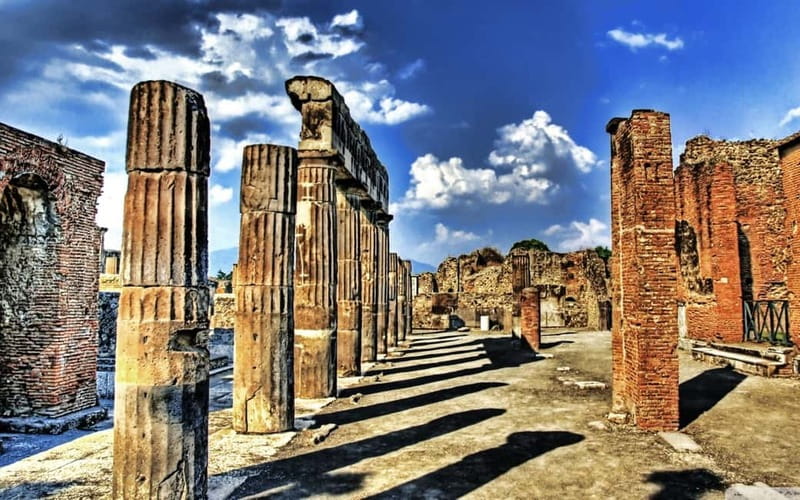
- A guided 2-hour route keeps you from getting lost in Pompeii’s maze of streets.
- Termopolia and everyday objects add context beyond the postcard highlights.
- Mosaics, frescoes, and cooking utensils show how Romans lived day to day.
- Body casts connect the story of 79 AD to real human stakes.
- Headsets for larger groups can make it much easier to hear the guide.
Why a 2-hour guided plan makes Pompeii feel manageable
Pompeii is enormous, and that’s the problem. Even if you arrive with the best intentions, you can burn through your energy looking for the “right” street, then still miss the pieces that help the whole city make sense. This tour is built around a practical solution: a focused 2-hour guided walk, followed by freedom to explore on your own.
You’re not just touring ruins like a checklist. You’re getting a guided narrative of Roman life in a real city—then watching how that life was interrupted and preserved. The expert guide matters here because Pompeii isn’t laid out like a museum floor plan. It’s a layered, confusing grid of remains, and a guide helps you connect what you’re seeing to what it meant.
You’ll also get skip-the-line priority entry, which is huge in a place where crowds can swallow time. At this price point, the biggest value isn’t only the ticket—it’s the fact that the tour gives your time structure.
You can also read our reviews of more tours and experiences in Pompei Campania


Price and value: $37.58 buys time, guidance, and priority entry
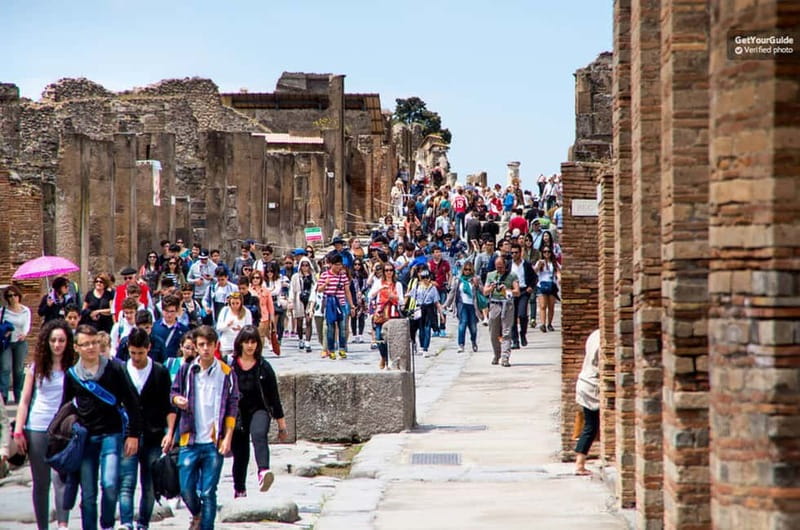
At $37.58 per person for a 2-hour experience, the value is pretty clear once you break it down. You’re paying for:
- A live guide (English and Italian)
- Skip-the-line entrance
- A guided route through the most significant areas
- The option of audio headsets for groups of 16 or more
- Time to explore after the guide finishes
For Pompeii, “time on-site with the right context” is often the real cost—because without it, you might spend the best hours just trying to orient yourself. This tour is designed to do the orientation for you first, then hand you the map of where to linger once you’re oriented.
Also, the tour has a 4.3 rating (from 6 reviews). That’s not a massive data set, but it does suggest steady satisfaction, especially for people who care about having an organized plan.
Getting to the meeting point at Pompei Circumvesuviana
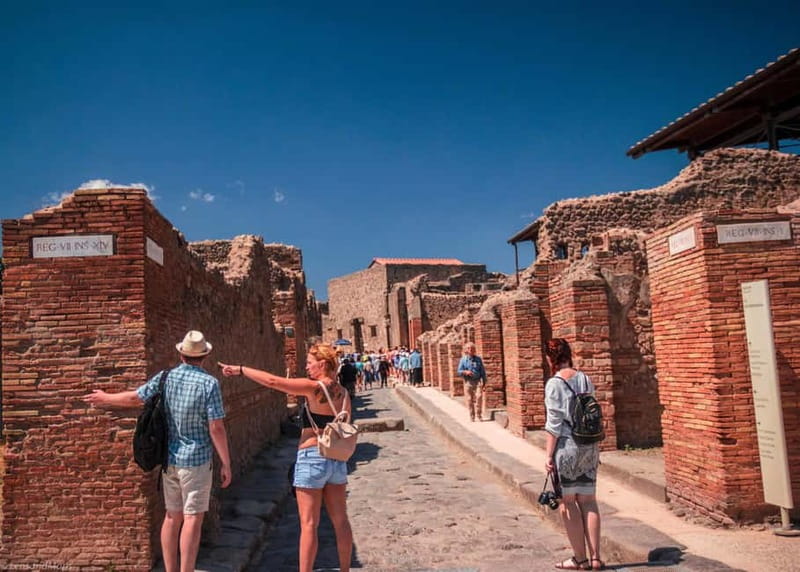
Meet at the Tempio Travel Office at the Pompeii-tickets point in Pompei Circumvesuviana Station (first floor). You should be there at least 15 minutes early.
This matters more than it sounds. Pompeii tours often start right when people are arriving from Naples or Sorrento, and if you show up late, you can lose the first part of your guided timing. If you want to avoid stress, arrive early, take a quick look around for the office location, then settle in.
The activity ends back at the meeting point, so you don’t need a complicated end-of-tour transfer. You can step back into your day’s plan from the same station area.
Via Villa dei Misteri: the tour’s opening context
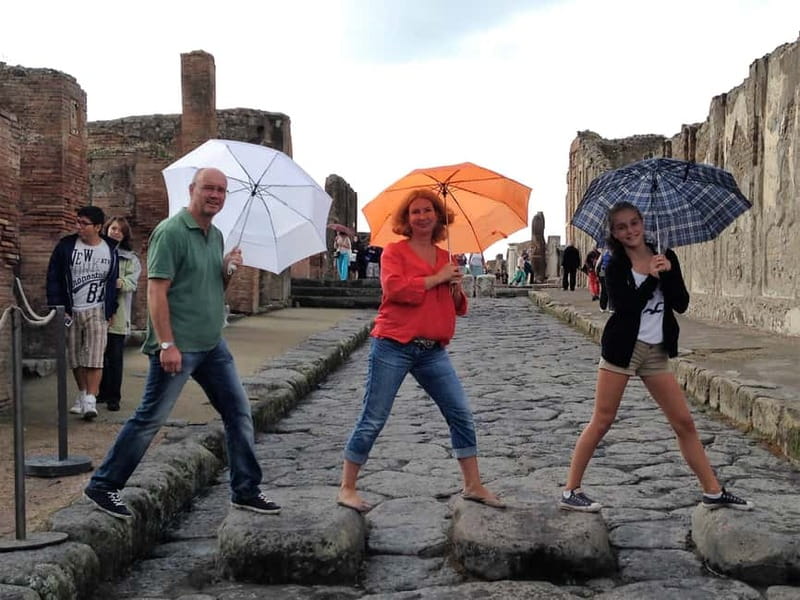
The tour’s first stop is Via Villa dei Misteri, 1. That opening location helps set the tone: you’re starting the visit in a way that feeds into the main sweep of the ruins. From there, the guide takes you into Pompeii with a clear story line—how this town functioned before the eruption, and how the disaster froze details in place.
Even if you don’t know much about Roman daily life, this is one of the best ways to start: you don’t need background reading. The guide uses what you’re about to see—public buildings, streets, and household fragments—to explain the city’s rhythms.
If you’re the type who likes understanding what you’re walking past, this start style works. If you’re hoping for an intense, minute-by-minute archaeological lecture, you may find it more interpretive and movement-focused—but that’s the trade for a 2-hour tour.
Pompeii Archaeological Site: what you’ll see in those 2 hours
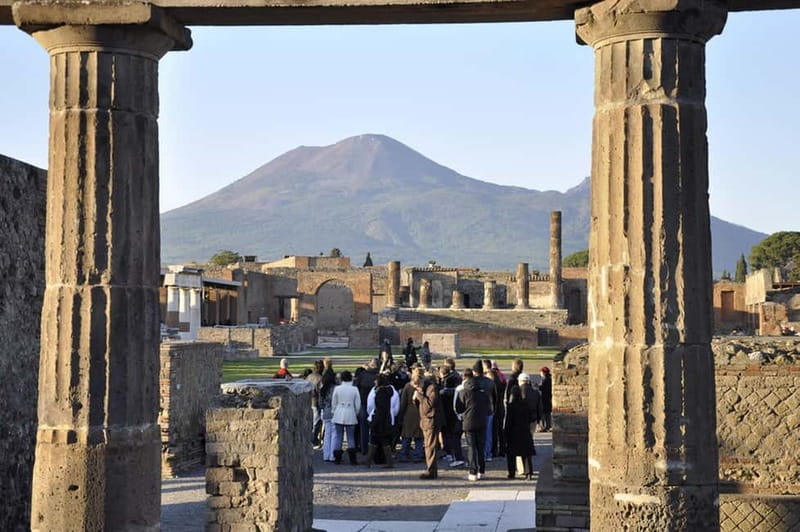
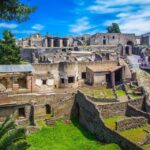
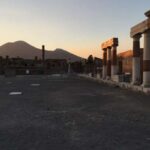
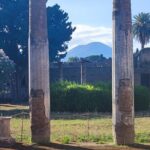
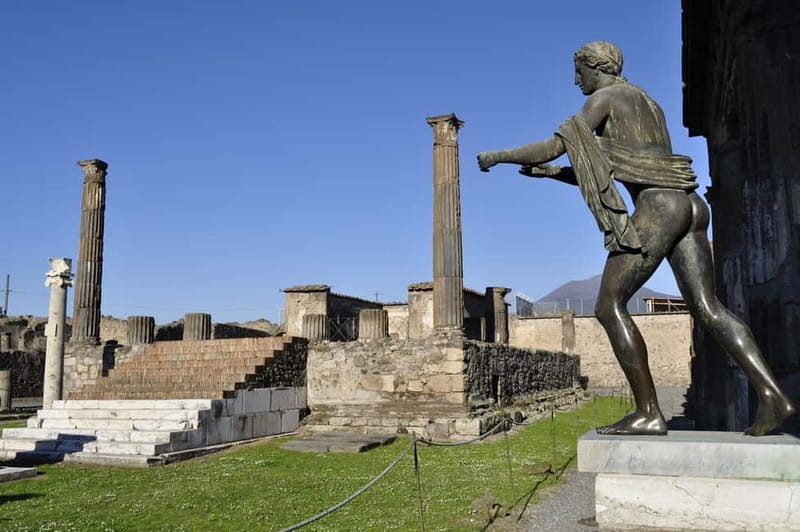
Once you’re inside the Pompeii Archaeological Site, the guided part is where the structure does its job. The guide leads you around the ruins, focusing on significant areas so you’re not stuck guessing what’s important.
Expect to pass through major highlights like:
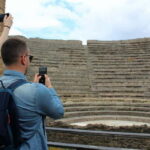
- Theaters
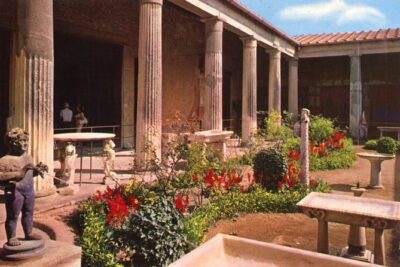
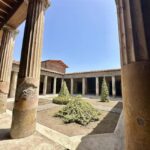
- Famous villas
- Public baths
- A bakery area with cooking utensils still on display
- The Forum
- Termopolia (Roman street-side food and drink counters)
Here’s why this mix is smart. Pompeii isn’t only about big monuments. The Forum and theaters show civic life—what people did together and how the city organized public space. The baths highlight leisure and routine, and the villas point to wealth and private living. Meanwhile, the bakery and termopolia pull the story back to daily food habits, which is often what makes Pompeii feel real rather than distant.
This is also where the guide helps you “see the city,” not just admire individual structures. In a place like Pompeii, a lot of ruins look similar at first glance. A guide gives you the sorting logic—what to look for, why it matters, and how it connects to the disaster story.
You can also read our reviews of more guided tours in Pompei Campania

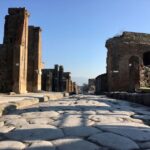
Mosaics, frescoes, and the small details that make Pompeii human
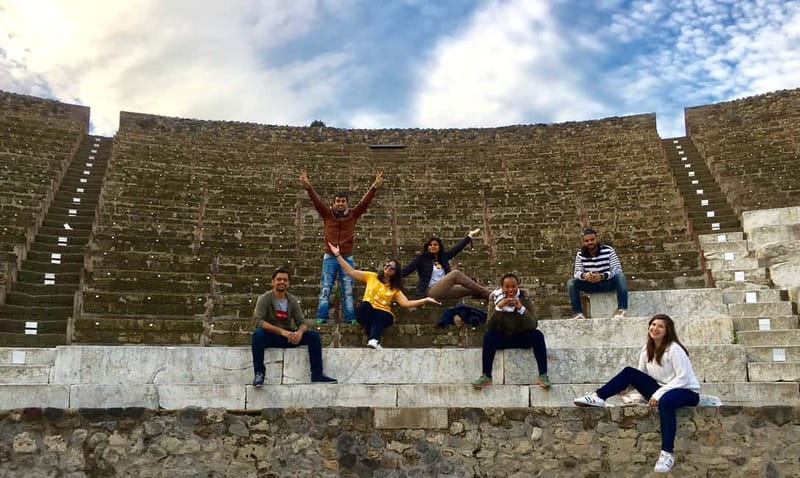
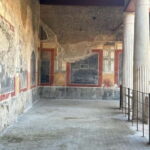
One of Pompeii’s strongest features is how much decoration and domestic life survived. On this tour, you’ll specifically get time for remarkably well preserved mosaics and frescoes.
These aren’t only pretty surfaces. They’re clues about taste, status, and how people used space inside their homes. When you see Roman floors and wall paintings preserved, you’re seeing more than architecture—you’re seeing how people signaled identity and comfort.
The tour also flags details tied to everyday routine, like:
- Cooking utensils displayed in the bakery area
- The food-and-drink setup of the termopolia
That combination—art plus daily function—is what makes this kind of guided Pompeii visit so effective. If you only see the big public buildings, Pompeii can feel like a stage set. If you focus only on the domestic rooms, you may miss how the city worked overall. This route tries to balance both.
79 AD explained through bodies, fear, and frozen time
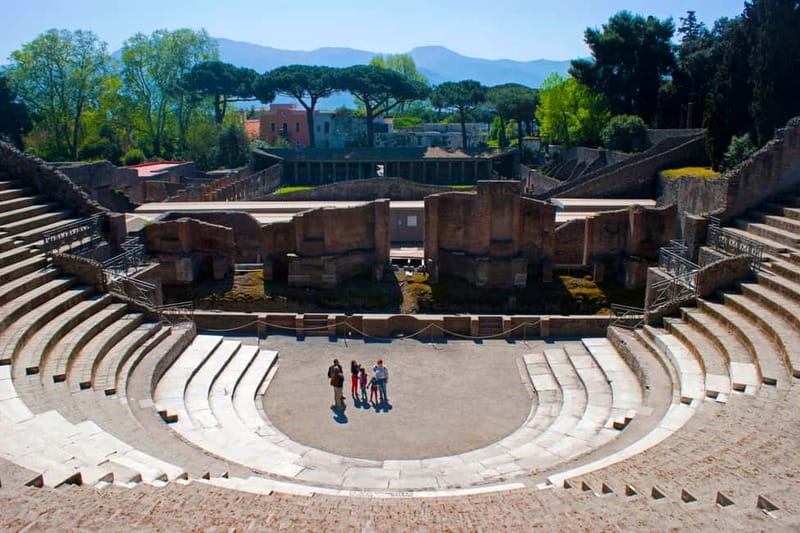
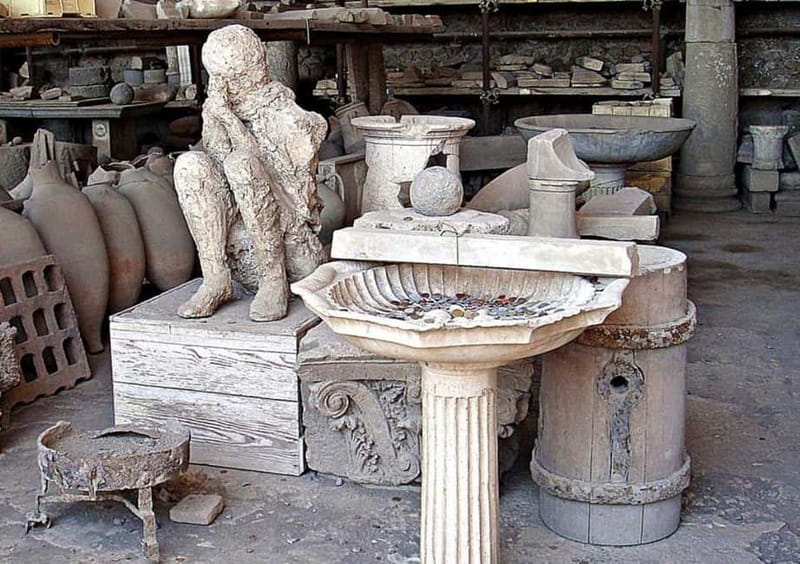
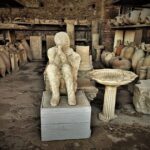
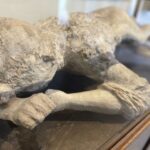
No Pompeii tour stays neutral about the tragedy. With this experience, you’ll learn about the events of 79 AD when Mount Vesuvius erupted, and you’ll see the human evidence preserved through body casts of citizens.
This portion is emotionally heavy in a grounded way. The body casts don’t turn the disaster into a dramatic story—they keep it factual. You’re looking at the physical consequences of an event that changed the city in minutes, and it’s hard not to feel the scale of what happened when you’re standing where it happened.
The guide’s job here is important: it helps you connect the horror to the city’s everyday structure. Instead of treating the eruption as a standalone “disaster moment,” you understand what was being interrupted—markets, homes, public space, and routine.
If you’re the sort of traveler who likes context and cause-and-effect, you’ll probably appreciate how the tour ties the disaster back to ordinary life.
After the tour: using your free time without wasting it
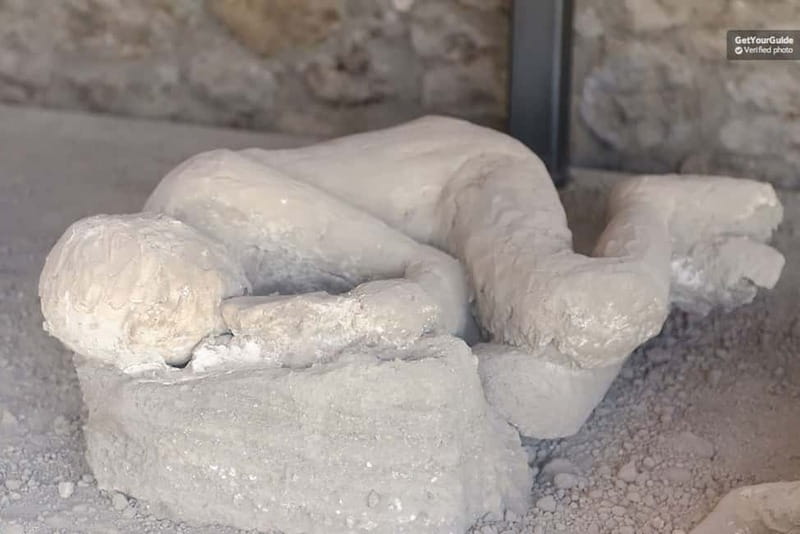
After the guided portion, you have freedom to explore the archaeological site on your own. This is where you can adjust the trip to your own interests—without risking getting lost.
Practical way to use this free time:
- Revisit the areas your guide emphasized most
- Spend extra time on the mosaics and frescoes if you’re detail-oriented
- If the Forum, baths, or villas felt most compelling, aim your time there
Because Pompeii is easy to get lost in without help, think of the guided tour as your “orientation pass,” then use your own time as a “choose your favorites” phase.
English or Italian guide, plus headsets if your group is big
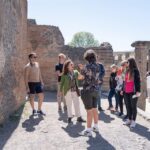
The live guide runs in English and Italian. Audio is also supported with headsets for groups of 16 or more, which is a practical plus in crowded ruins where it can be hard to hear over foot traffic.
If you’re sensitive to audio clarity, the headset setup can make the experience more comfortable. It’s especially helpful when the guide needs to speak while you’re walking and looking at things at the same time.
Who this tour suits best (and who might want something else)
This tour is a great match if you:
- Want a 2-hour Pompeii visit that doesn’t feel endless
- Like structured guidance so you don’t waste time navigating
- Care about how Roman life worked, including everyday food spaces and household details
- Want priority entry to protect your day’s schedule
It may be less ideal if you:
- Want a lot of slow, independent wandering with minimal group pacing
- Prefer to spend longer than 2 hours inside the ruins without a set route
For most people, that 2-hour window hits the sweet spot: enough to see the major highlights and the most meaningful details, with time left to wander on your own.
Practical tips that will save you time and comfort
A few basics will make your Pompeii time more pleasant:
- Wear comfortable shoes—you’ll be walking over uneven ground.
- In summer, bring a sunhat and water.
- Plan to be at the meeting point 15 minutes early, so the start stays smooth.
Also, go in with the expectation that you’re sharing the experience as a group. That’s normal for a guided tour, and it affects pace and how much you can stop at any one spot.
Should you book this Pompeii Ruins 2-hour guided tour?
If you want a strong Pompeii experience without turning your day into a half-lost, half-rushed scavenger hunt, I’d book this. The combination of skip-the-line priority entry, a focused 2-hour guided route, and the chance to see both public spaces and everyday details (baths, Forum, theaters, termopolia, mosaics, frescoes, and bakery utensils) makes it a practical value.
Book it especially if you’re visiting for the first time or you’re short on time. If you’re staying longer and want a deeper, slower self-guided experience, you might mix this with extra solo time after the tour—but for many visitors, this is the right length to get oriented and see the essentials.
FAQ
How long is the Pompeii Ruins guided tour?
The guided tour lasts 2 hours. Check availability to see starting times.
What does the ticket include?
Your ticket includes skip-the-line entrance, a 2-hour guided tour, and time to explore the archaeological site on your own after the tour.
Where do I meet the guide?
Meet at the Tempio Travel Office at the Pompeii-tickets point in Pompei Circumvesuviana Station (first floor).
What time should I arrive?
Please be at the meeting point at least 15 minutes before departure.
What languages are the tour and audio available in?
The live tour is available in English and Italian, and the audio headsets also support English and Italian.
Are headsets included?
Yes. Headsets are included for listening to the guide, and they’re available for groups of 16 or more.
Is this a private tour?
No. This is a shared guided tour.
What will I see during the tour?
You’ll see major ruins and features such as theaters, famous villas, public baths, a bakery area with cooking utensils on display, the Forum, termopolia, mosaics, frescoes, and body casts related to the 79 AD eruption.
What should I bring for Pompeii?
Wear comfortable shoes. In summer, bring a sunhat and water.
What’s the cancellation policy?
You can cancel up to 24 hours in advance for a full refund, and you can use reserve now & pay later options.