REVIEW · POMPEI CAMPANIA
Pompeii: Skip-the-Line Ticket with Audio Guide and Map
Book on GetYourGuide →Operated by VISITING CAMPANIA S.R.L. · Bookable on GetYourGuide
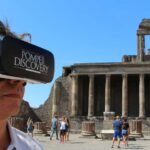
Pompeii is massive, even before you walk in. I like the skip-the-line entrance because it cuts down one of the most stressful parts of a famous site, and I like that you can explore at your own pace with an audio guide and updated map. One thing to watch: Pompeii’s signage and the map can feel a bit tricky, and the audio may not cover every single item you’ll notice.
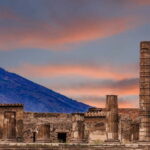
You’re walking through a real city layout, not a staged museum. Pompeii covers about 66 hectares, and it draws roughly 3 million visitors a year, so a smart self-guided approach makes the day feel manageable instead of chaotic. If you go in prepared with good shoes and water, this is a very solid way to see the big highlights without getting stuck on a group schedule.
In This Review
- Key things I’d focus on before you go
- Skip-the-Line Entry: Your Day Starts Without the Headaches
- How the Audio Guide and Updated Map Actually Help
- A smart way to use it
- Entering Pompeii Like a Local: What to Bring and What to Avoid
- First Stops: Millenary Streets, Frescoes, and Domus
- Why the domus matter
- Public Life in Stone: Spas, Temples, and Shops
- Food Culture You Can Picture: Thermopolis, Shops, and Quick Bites
- Entertainment and Taboo Places: Theaters and Brothels
- The Eruption Story: Casts of Victims and Why This Stop Hits Hard
- A practical approach so you stay steady
- The Amphitheater Finale: One of Pompeii’s Best-Preserved Arenas
- Price and Value: Is $44 Worth It for a Self-Guided Pompeii Day?
- Timing, Heat, and Navigation Tips That Make the Day Easier
- Avoid the common problems
- Watch for map friction
- Who This Pompeii Skip-the-Line Ticket Fits Best
- Should You Book Pompeii With an Audio Guide Skip-the-Line Ticket?
- FAQ
- What is included in the Pompeii skip-the-line ticket with audio guide and map?
- How long does the experience last?
- What languages are available for the audio guide?
- Does this ticket skip the line?
- What time planning do I need to do?
- What should I bring for Pompeii?
- Are luggage or large bags allowed?
- Is this experience suitable for people with mobility impairments?
Key things I’d focus on before you go
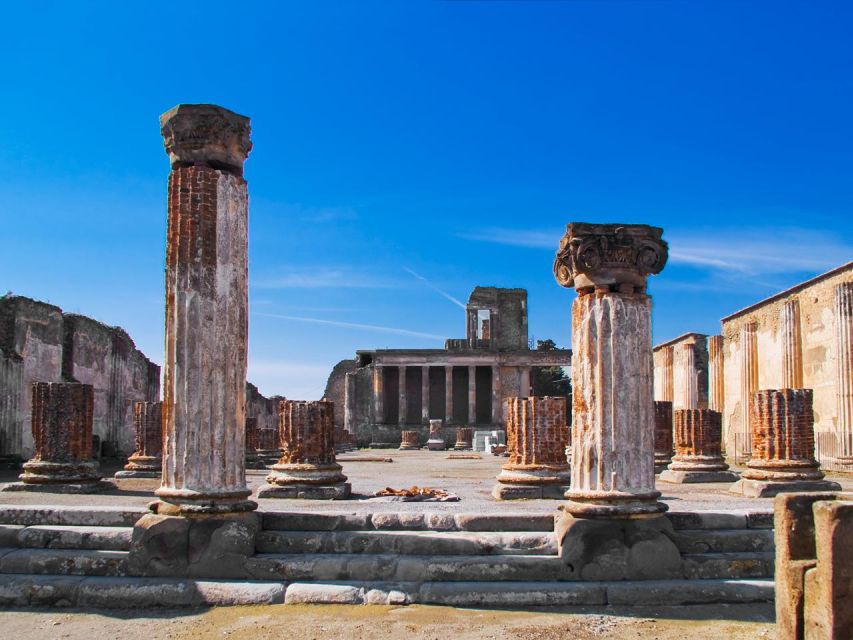
- Skip-the-line entry helps you start exploring quickly, especially during busy hours
- Audio guide + updated map gives you structure so you do not wander aimlessly
- A flexible pace lets you spend more time where your interests land
- Practical walking reality: comfortable shoes and water matter because the site is large
- Navigation is not perfect: be ready to re-check your bearings as you move between zones
Skip-the-Line Entry: Your Day Starts Without the Headaches
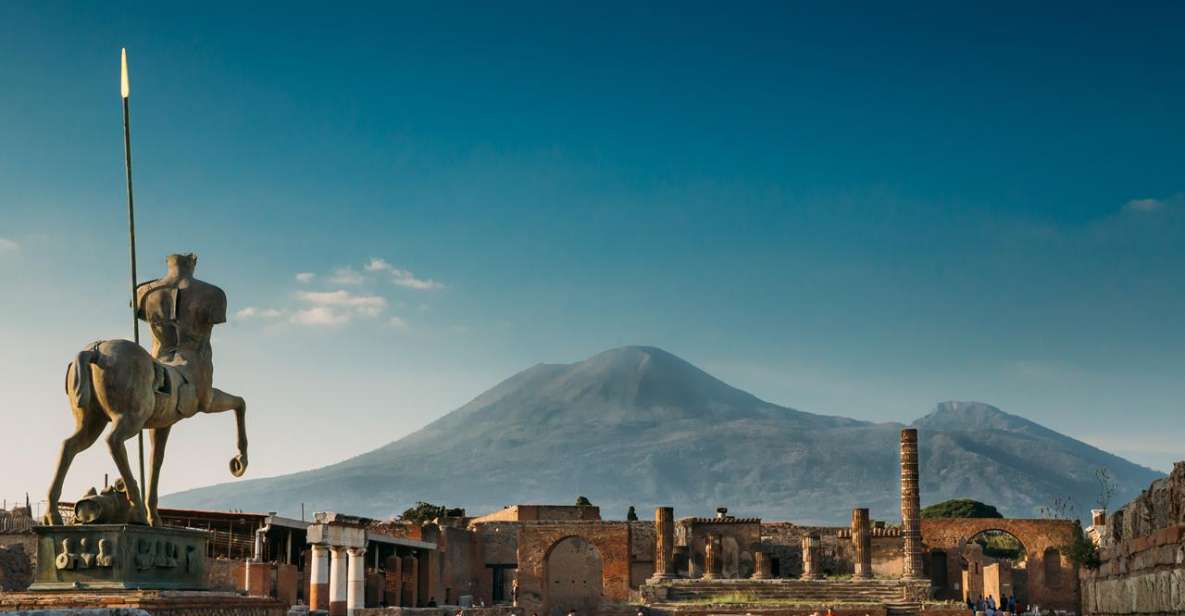
This ticket is designed for one main goal: get you into Pompeii smoothly, then let you roam. You have an entrance ticket plus an audio guide and an updated map, so you’re not paying for a full-on live group structure. In practice, that means you can avoid the most frustrating parts of a high-demand archaeological site.
The experience provider listed is VISITING CAMPANIA S.R.L., and you’ll be met by a host or greeter who speaks English, Spanish, French, and Italian. That matters because it can help you get oriented fast: where to go, what to show, and how the audio guide portion works once you arrive.
What I like about this setup is that it feels calmer than a traditional tour. Instead of racing from one stop to another, you can move at a pace that fits your energy and your curiosity. Pompeii can be overwhelming, and a self-paced format keeps the day from turning into a checklist marathon.
One practical consideration: the site’s popularity means you might still run into short lines for specific ticket situations (for example, if you need child tickets). It’s not advertised as an iron-clad promise for every single type of queue, so I’d still plan your morning like you want to arrive with time to spare.
You can also read our reviews of more tours and experiences in Pompei Campania



How the Audio Guide and Updated Map Actually Help
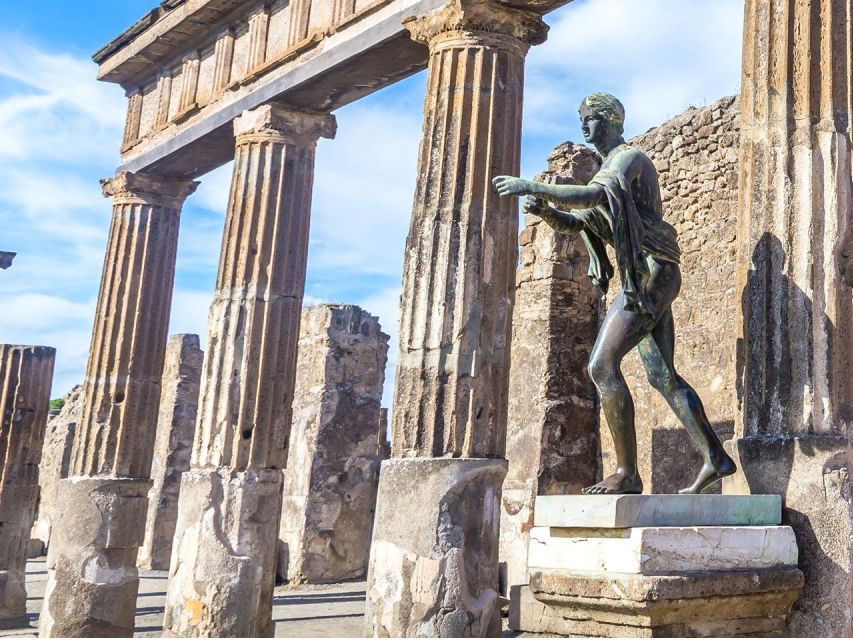
The audio guide is the heart of this ticket. It’s available in English, Chinese, French, Italian, German, Hebrew, Russian, Spanish, and Portuguese. That’s a wide selection, and it helps if you’re traveling with someone who prefers a non-English language.
What you get is an audio path through key points, supported by an updated map. This is a real advantage in Pompeii because the site spreads across many areas. Without context, it’s easy to stand in front of a well-preserved wall and wonder: what am I looking at, and why does it matter?
That said, I’m glad this comes with a map, but I would not assume the experience is perfectly frictionless. One of the most useful tips from experience is to treat the map as guidance, not as a flawless instruction manual. Some stops you notice in person may not feel directly referenced in the audio, and the map can take a minute to become second nature.
A smart way to use it
- Start by picking a direction and sticking to it for a while
- Use the audio to understand what you’re seeing before you move on
- When something catches your eye, slow down and let your own curiosity lead the next choice
If you do this, you end up feeling more like an explorer and less like someone following a loud set of instructions.
Entering Pompeii Like a Local: What to Bring and What to Avoid
This is a walking day. The basics are clearly spelled out for a reason: comfortable shoes, a hat, sunscreen, and water. In summer, the heat can sneak up on you. I’d treat water as non-negotiable, not optional.
Also, do not bring luggage or large bags. Pompeii is a very active pedestrian space. Even if you do not carry much, having bulk gear can slow you down, make it harder to pass through busy areas, and complicate the practical flow of the entrance.
Because food and drinks are not included, think ahead for breaks. The day is built around walking through archaeological zones and street corridors, not around long meal stops. If you rely on finding a place to eat on the fly, you might find it harder than you expect. A simple plan helps: bring water, and consider having something small you can rely on during the gaps.
First Stops: Millenary Streets, Frescoes, and Domus
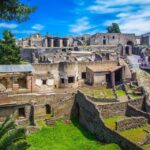
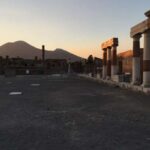
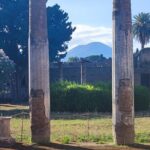
Once you’re in, you’ll start with what Pompeii does best: the sense of place. Walking the millenary streets is not just a vibe. It’s a clue to how the Romans moved through their daily lives—commerce, social visits, and neighborhood routines in a grid that still feels legible today.
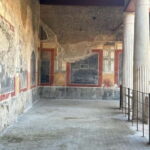
The ticket highlights include frescoed houses (domus), and this is where Pompeii can really click for you. Frescoes in private homes tell you what people paid attention to, what stories they liked, and how they decorated their space. When you see these interiors and wall paintings in context, the city stops being a pile of ruins and starts looking like a lived-in world.
You can also read our reviews of more guided tours in Pompei Campania

Why the domus matter
Domus aren’t just pretty walls. They show wealth, status, and taste—and they help you understand how different parts of society would have experienced the same city streets.
If you want a smooth day, I recommend spending a little longer at the domus. They reward slow looking. Rushing past them turns them into background scenery.
Public Life in Stone: Spas, Temples, and Shops
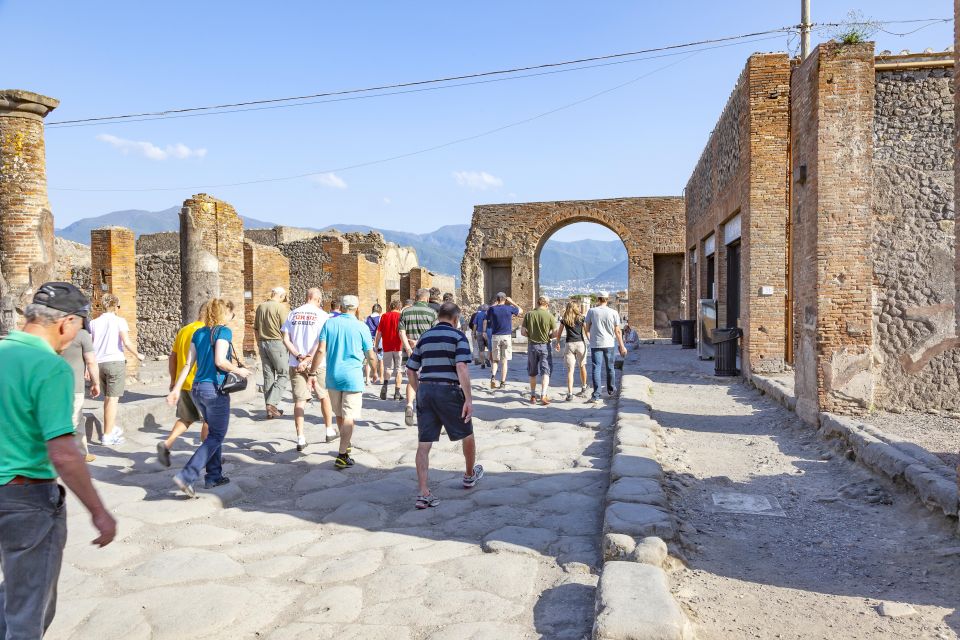
Pompeii’s highlights also cover spas, temples, and shops, which is great because it fills out the city beyond homes. Here’s what you’ll feel when you move through these areas: Pompeii gives you a real sense of routine. People didn’t only live in houses; they worked, worshiped, shopped, and gathered.
The spas (thermae and bath facilities) are especially interesting because bathing was social and practical. When you’re standing in a bath space, you’re not just seeing architecture. You’re seeing how people organized time, conversation, and hygiene in daily life.
Temples add another layer: they point to communal identity and religious behavior. Even without a long lecture, the layout and setting help you understand that religious life was woven into street-level existence.
Shops and commercial areas show the texture of everyday work. If you like “small” details—tools, layout logic, and the feel of a place where transactions happened—these stops tend to satisfy.
Food Culture You Can Picture: Thermopolis, Shops, and Quick Bites
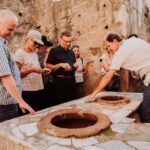
One of the more memorable items in the highlight list is the thermopolium, essentially a Roman fast-food setup. It’s the sort of stop that makes Pompeii feel modern in a funny way. People wanted quick, hot, and ready-to-go food, and the design of these places shows that practical approach.
Paired with shops, thermopolis areas help you map out what a normal day could look like. I like these stops because they shift your thinking from tragedy and ruins to the routines people lived right up until the eruption.
If you do not want your day to revolve entirely around grand monuments, these are the moments where Pompeii becomes human.
Entertainment and Taboo Places: Theaters and Brothels
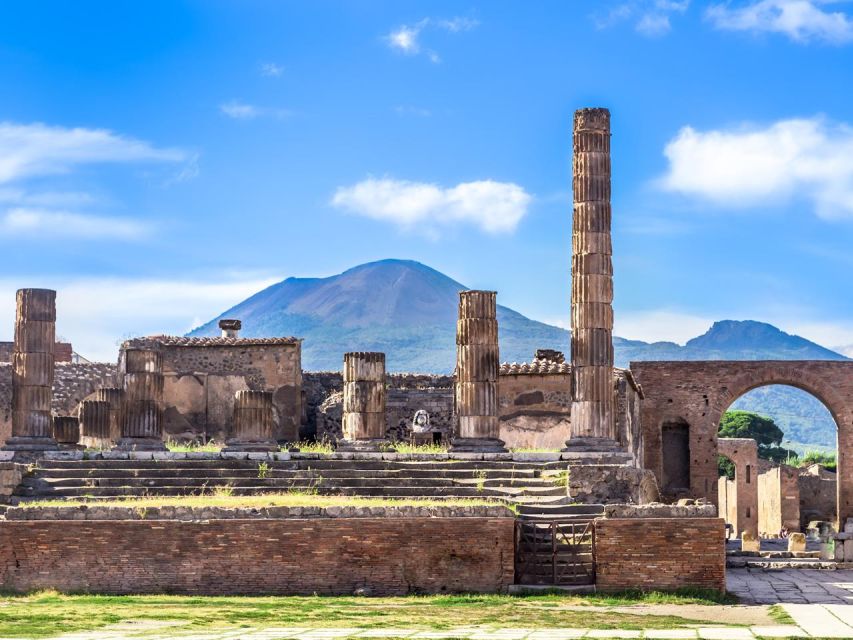
The highlights include theaters and brothels, and these stops are not just for shock value. They give you the social calendar and the boundary lines of Roman culture.
Theaters show public entertainment and civic life. They help you imagine how gatherings worked—people clustering in a designed space for performances and social attention.
Brothels, on the other hand, connect you to the day-to-day reality of commerce, desire, and boundaries that existed in the city. If you’re comfortable with that topic, Pompeii is one of the few ancient sites where you can see how these functions were built into the urban landscape.
If you want to keep your day balanced, you can treat these zones as emotional punctuation marks: not better or worse than other stops, just a different kind of story.
The Eruption Story: Casts of Victims and Why This Stop Hits Hard
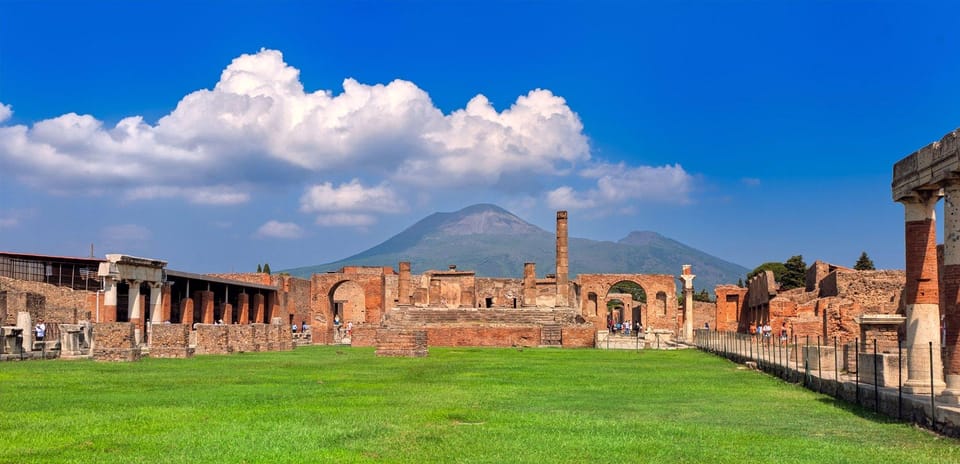
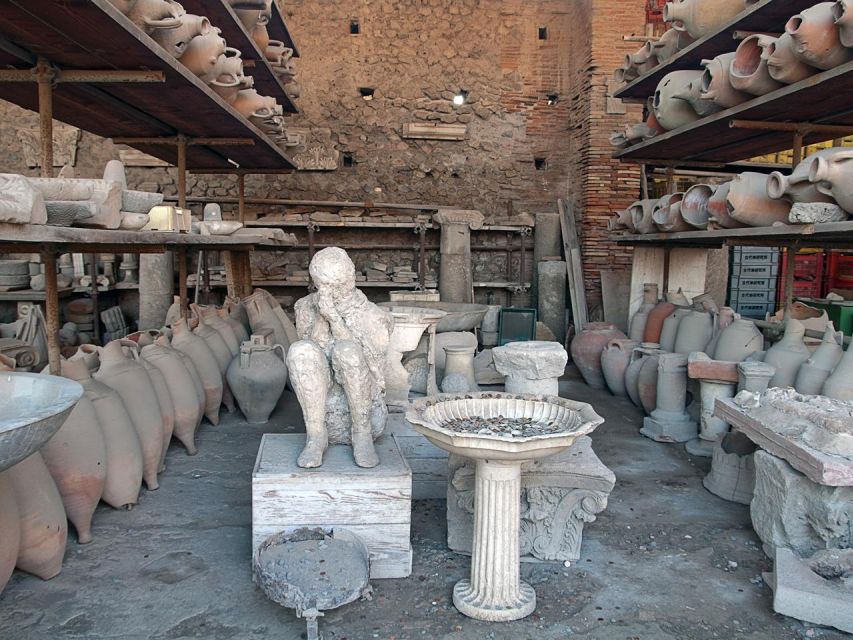
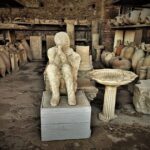
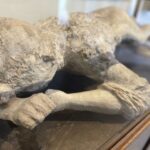
Pompeii is famous, but the emotional weight concentrates at certain points. The highlight list includes the casts of the victims of the eruption. This stop stands out because it turns the event from a headline into physical reality.
Even if you know the history already, the casts do something different. They make the tragedy personal and immediate, and they anchor your visit in the human consequences of the disaster.
A practical approach so you stay steady
If you find this part intense, plan for a reset afterward. Take a breath in a less crowded area, then keep walking. Pompeii’s scale means you can balance emotional moments with visual ones without feeling stuck.
The Amphitheater Finale: One of Pompeii’s Best-Preserved Arenas
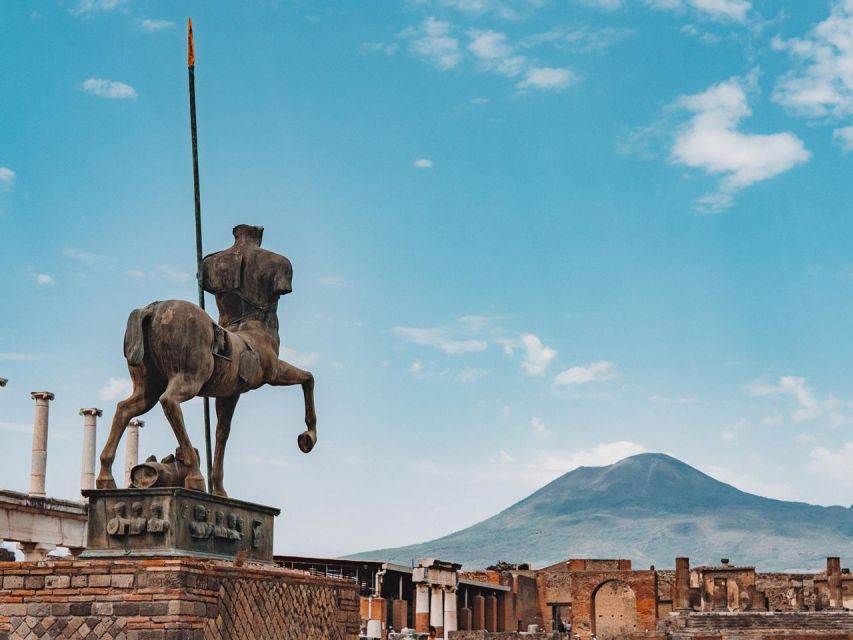
The ticket highlights also mention one of the best-preserved Roman amphitheaters. This is where Pompeii often rewards your body and your imagination at the same time.
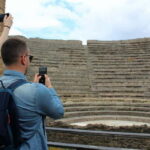
You’ll be walking through spaces that once hosted large crowds, and when you stand in an arena setting, it helps you visualize how public life worked on a grand scale. If you’re the type who enjoys architecture plus atmosphere, the amphitheater is a strong closer for a self-guided day.
Price and Value: Is $44 Worth It for a Self-Guided Pompeii Day?
At $44 per person for entrance plus an audio guide and updated map, this ticket is priced for independence. You’re paying for three things you’d otherwise need to solve on your own: getting in, getting context, and having a navigation tool.
If you’ve ever tried to do Pompeii without a plan, you know how quickly costs can add up through missed time, confusion, and extra re-orienting. Here, the audio guide is doing a lot of heavy lifting. It helps you interpret what you’re seeing without hiring a full live guide for the whole day.
You also get flexibility: valid for 1 day, and you can check availability for starting times. That matters because Pompeii works best when you can choose your best light, your best pace, and your best energy window.
Is it the cheapest way to see Pompeii? Maybe not. But it’s a strong value option when you want highlights, structure, and the freedom to go slower when something matters to you.
Timing, Heat, and Navigation Tips That Make the Day Easier
A one-day Pompeii visit is doable, but the site size is real. You’re covering about 66 hectares, and you’ll be on your feet most of the time. Based on practical experience from people who did long, self-paced days, planning a big chunk of time pays off. One traveler mapped their own route from 10:00 to 17:00, and that kind of schedule gives you breathing room to follow both the audio guide and your own curiosity.
Avoid the common problems
- Bring water and actually drink it
- Wear shoes that can handle uneven stone
- Use the audio guide, but do not panic if you lose the exact sequence
- Expect that finding restaurants can be harder than it sounds, so plan your breaks
Watch for map friction
If the map seems complicated, don’t treat that as failure. It’s a complex site. The best move is to pause, reorient, and then commit to your next walking section instead of zig-zagging.
Who This Pompeii Skip-the-Line Ticket Fits Best
This ticket fits best if you want independence with guidance. It works well for travelers who enjoy exploring at their own pace and who are comfortable learning as they go.
You’ll likely enjoy it most if:
- you want to see a wide range of Pompeii highlights in a single day
- you prefer self-paced walking over following a group
- you like practical tools like an audio guide and map instead of constant narration
It may be less ideal if:
- you need step-free routes or mobility support (it’s listed as not suitable for people with mobility impairments)
- you strongly prefer a detailed live guide who can answer questions in real time
Should You Book Pompeii With an Audio Guide Skip-the-Line Ticket?
If your goal is a smooth entrance plus a structured way to understand Pompeii without being tied to a group, I think this is a smart booking. The biggest benefits are skip-the-line access and the audio guide in many languages, supported by an updated map.
Book it when you’re excited to walk and learn as you go, and when you’re willing to manage the reality of Pompeii: heat, distance, and occasional navigation friction. If you want a fully guided, question-answered experience or you need accessibility support, you may want to look for a different format.
FAQ
What is included in the Pompeii skip-the-line ticket with audio guide and map?
It includes the Pompeii entrance ticket, an audio guide, and an updated map.
How long does the experience last?
The ticket is valid for 1 day.
What languages are available for the audio guide?
The audio guide is available in English, Chinese, French, Italian, German, Hebrew, Russian, Spanish, and Portuguese.
Does this ticket skip the line?
Yes, it includes skip-the-line ticket entry.
What time planning do I need to do?
You can check availability to see starting times, and it’s a full 1-day ticket.
What should I bring for Pompeii?
Bring comfortable shoes, a hat, sunscreen, and water.
Are luggage or large bags allowed?
No, luggage or large bags are not allowed.
Is this experience suitable for people with mobility impairments?
No, it’s listed as not suitable for people with mobility impairments.